Sandra Ponzanesi – författare
Visar alla böcker från författaren Sandra Ponzanesi. Handla med fri frakt och snabb leverans.
17 produkter
17 produkter
Inbunden, Engelska, 2011
1 517 kr
Skickas inom 10-15 vardagar
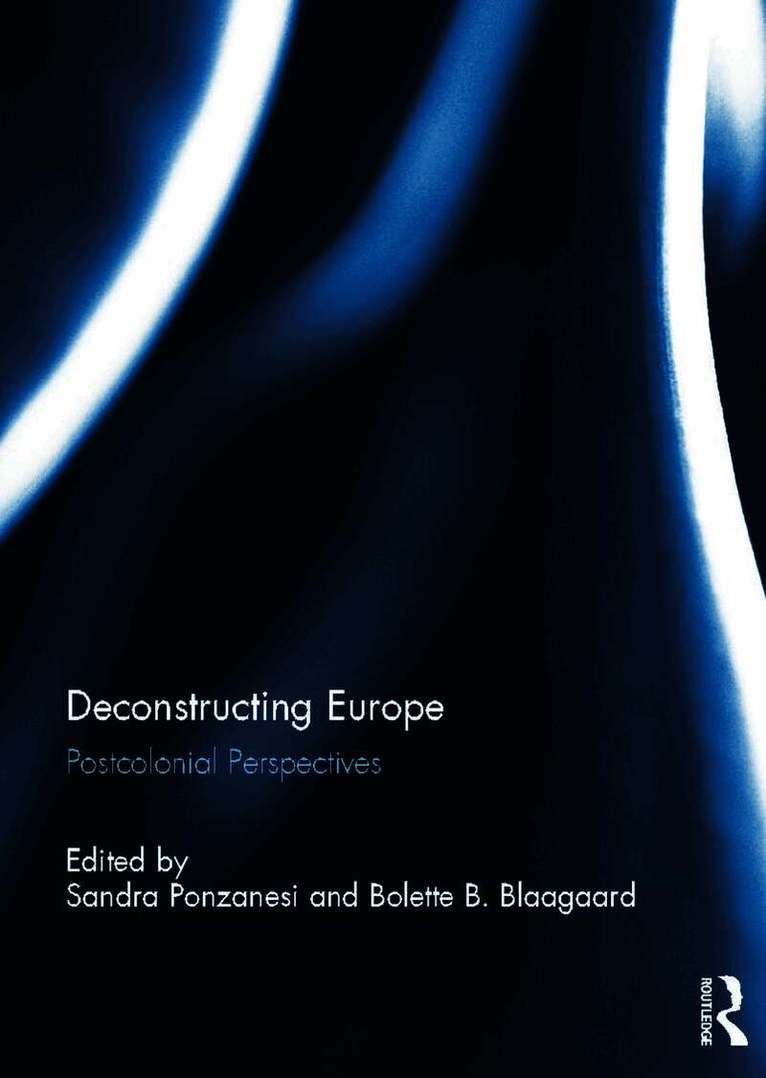
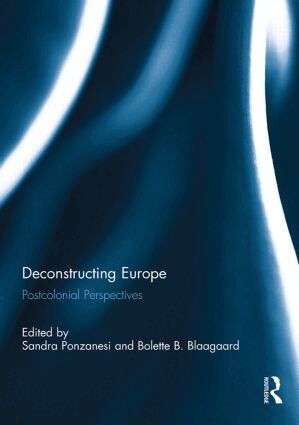
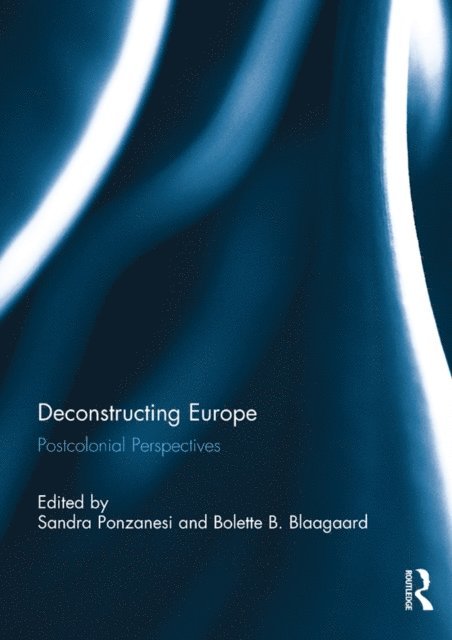
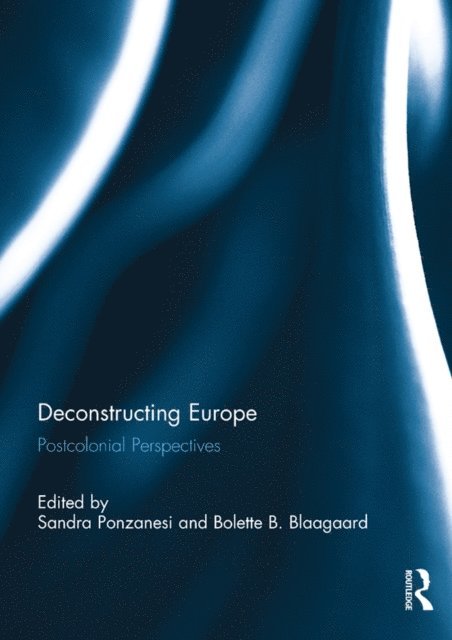
This book engages with the question of what makes Europe postcolonial and how memory, whiteness and religion figure in representations and manifestations of European ‘identity’ and self-perception. To deconstruct Europe is necessary as its definition is now contested more than ever, both internally (through the proliferation of ethnic, religious, regional differences) and externally (Europe expanding its boundaries but closing its borders).This edited volume explores a number of theoretical discussions on the meaning of Europe and proposes analyzing some of the deeds committed, both today and in the past, in the name of Europe by foregrounding a postcolonial approach. To deconstruct Europe as a postcolonial place does not imply that Europe’s imperial past is over, but on the contrary that Europe’s idea of self, and of its polity, is still struggling with the continuing hold of colonialist and imperialist attitudes. The objective of this volume is to account for historical legacies which have been denied, forgotten or silenced, such as the histories of minor and peripheral colonialisms (Nordic colonialisms or Austrian, Spanish and Italian colonialism) and to account for the realities of geographical margins within Europe, such as the Mediterranean and the Eastern border while tracing alternative models for solidarity and conviviality. The chapters deal with social and political formations as well as cultural and artistic practices drawing from different disciplinary backgrounds and methodological traditions. As such it creates an innovative space for comparative and cross-disciplinary exchanges.This book was previously published as a special issue of the journal Social Identities.
Inbunden, Engelska, 2011
1 941 kr
Skickas inom 10-15 vardagar
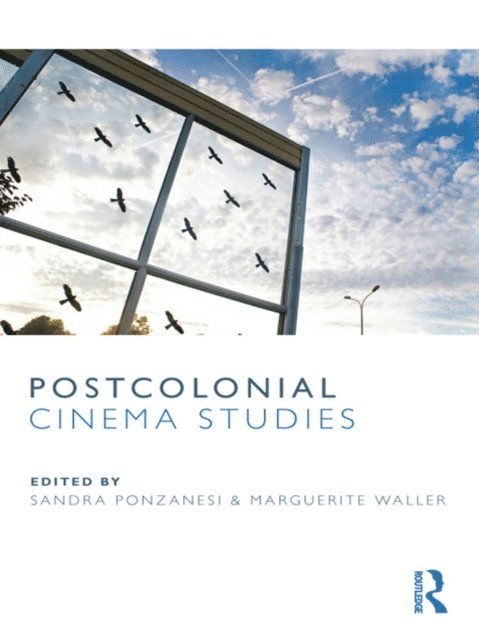
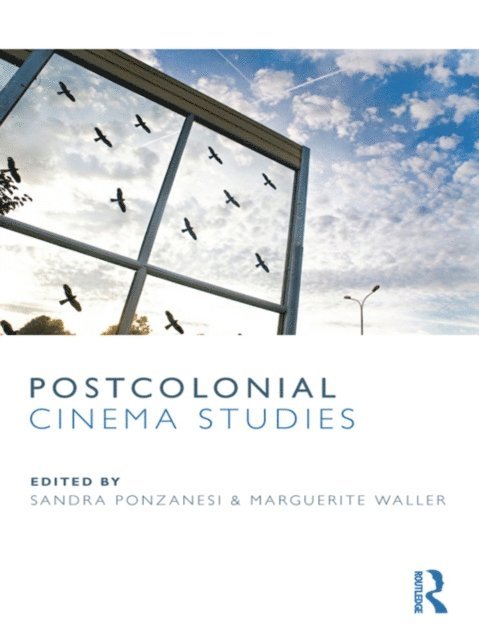
This collection of essays foregrounds the work of filmmakers in theorizing and comparing postcolonial conditions, recasting debates in both cinema and postcolonial studies. Postcolonial cinema is presented, not as a rigid category, but as an optic through which to address questions of postcolonial historiography, geography, subjectivity, and epistemology.Current circumstances of migration and immigration, militarization, economic exploitation, racial and religious conflict, enactments of citizenship, and cultural self-representation have deep roots in colonial/postcolonial/neocolonial histories. Contributors deeply engage the tense asymmetries bequeathed to the contemporary world by the multiple,diverse, and overlapping histories of European, Soviet, U.S., and multi-national imperial ventures. With interdisciplinary expertise, they discover and explore the conceptual temporalities and spatialities of postcoloniality, with an emphasis on the politics of form, the ‘postcolonial aesthetics’ through which filmmakers challenge themselves and their viewers to move beyond national and imperial imaginaries.Contributors include: Jude G. Akudinobi, Kanika Batra, Ruth Ben-Ghiat, Shohini Chaudhuri, Julie F. Codell, Sabine Doran, Hamish Ford, Claudia Hoffmann, Anikó Imre, Priya Jaikumar, Mariam B. Lam, Paulo de Medeiros, Sandra Ponzanesi, Richard Rice, Mireille Rosello and Marguerite Waller.
Häftad, Engelska, 2011
573 kr
Skickas inom 10-15 vardagar
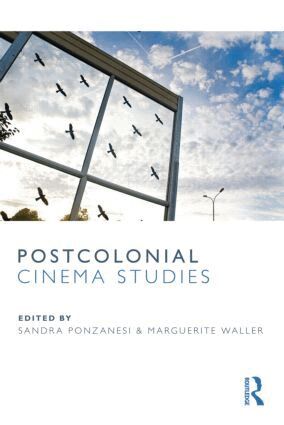
This collection of essays foregrounds the work of filmmakers in theorizing and comparing postcolonial conditions, recasting debates in both cinema and postcolonial studies. Postcolonial cinema is presented, not as a rigid category, but as an optic through which to address questions of postcolonial historiography, geography, subjectivity, and epistemology.Current circumstances of migration and immigration, militarization, economic exploitation, racial and religious conflict, enactments of citizenship, and cultural self-representation have deep roots in colonial/postcolonial/neocolonial histories. Contributors deeply engage the tense asymmetries bequeathed to the contemporary world by the multiple,diverse, and overlapping histories of European, Soviet, U.S., and multi-national imperial ventures. With interdisciplinary expertise, they discover and explore the conceptual temporalities and spatialities of postcoloniality, with an emphasis on the politics of form, the ‘postcolonial aesthetics’ through which filmmakers challenge themselves and their viewers to move beyond national and imperial imaginaries.Contributors include: Jude G. Akudinobi, Kanika Batra, Ruth Ben-Ghiat, Shohini Chaudhuri, Julie F. Codell, Sabine Doran, Hamish Ford, Claudia Hoffmann, Anikó Imre, Priya Jaikumar, Mariam B. Lam, Paulo de Medeiros, Sandra Ponzanesi, Richard Rice, Mireille Rosello and Marguerite Waller.
Inbunden, Engelska, 2014
2 355 kr
Skickas inom 10-15 vardagar
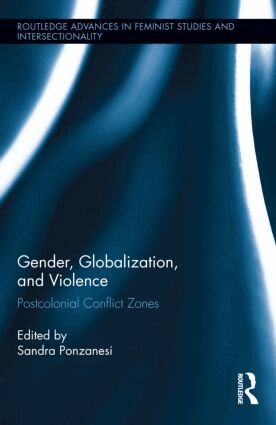
This wide-ranging collection of essays elaborates on some of the most pressing issues in contemporary postcolonial society in their transition from conflict and contestation to dialogue and resolution. It explores from new angles questions of violent conflict, forced migration, trafficking and deportation, human rights, citizenship, transitional justice and cosmopolitanism. The volume focuses more specifically on the gendering of violence from a postcolonial perspective as it analyses unique cases that disrupt traditional visions of violence by including the history of empire and colony, and its legacies that continue to influence present-day configurations of gender, race, nationality, class and sexuality. Part One maps out the gendered and racialized contours of conflict zones, from war zones, prisons and refugee camps to peacekeeping missions and humanitarian aid, reframing the field and establishing connections between colonial legacies and postcolonial dynamics. Part Two explores how these conflict zones are played out not just outside but also within Europe, demonstrating that multicultural Europe is fraught with different legacies of violence and postcolonial melancholia. Part Three gives an idea of the kind of future that can be offered to post-conflict societies, defined as contact zones, by exploring opportunities for dialogue, restoration and reconciliation that can be envisaged from a gendered and postcolonial perspective through alternative feminist practices and the work of art and their redemptive power in mobilizing social change or increasing national healing processes. Though strongly anchored in postcolonial critique, the chapters draw from a range of traditions and expertise, including conflict studies, gender theory, visual studies, (new) media theory, sociology, race theory, international security studies and religion studies.
Häftad, Engelska, 2013
580 kr
Skickas inom 10-15 vardagar
This book engages with the question of what makes Europe postcolonial and how memory, whiteness and religion figure in representations and manifestations of European ‘identity’ and self-perception. To deconstruct Europe is necessary as its definition is now contested more than ever, both internally (through the proliferation of ethnic, religious, regional differences) and externally (Europe expanding its boundaries but closing its borders).This edited volume explores a number of theoretical discussions on the meaning of Europe and proposes analyzing some of the deeds committed, both today and in the past, in the name of Europe by foregrounding a postcolonial approach. To deconstruct Europe as a postcolonial place does not imply that Europe’s imperial past is over, but on the contrary that Europe’s idea of self, and of its polity, is still struggling with the continuing hold of colonialist and imperialist attitudes. The objective of this volume is to account for historical legacies which have been denied, forgotten or silenced, such as the histories of minor and peripheral colonialisms (Nordic colonialisms or Austrian, Spanish and Italian colonialism) and to account for the realities of geographical margins within Europe, such as the Mediterranean and the Eastern border while tracing alternative models for solidarity and conviviality. The chapters deal with social and political formations as well as cultural and artistic practices drawing from different disciplinary backgrounds and methodological traditions. As such it creates an innovative space for comparative and cross-disciplinary exchanges.This book was previously published as a special issue of the journal Social Identities.
Häftad, Engelska, 2005
711 kr
Skickas inom 10-15 vardagar
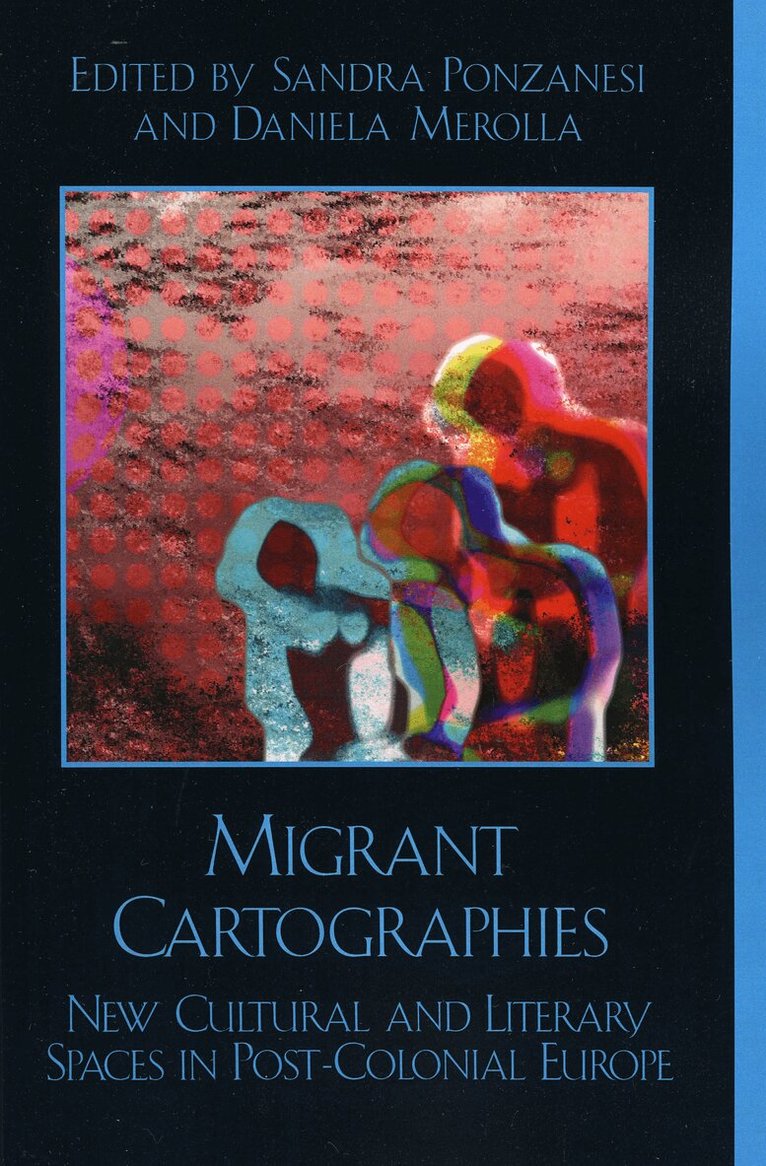
In recent years, Europe has had to constantly rethink and redefine its attitude toward new flows of immigrations. Issues of boundaries and identity have been integral to this reflection. Through a magnificent collection of essays, Migrant Cartographies examines both sites and conflicts and the way in which forms of belonging and identity have been reinvented. With careful analysis and exceptional insight, this volume explores the most recent literature on migration as seen from different European viewpoints. This book fills a conspicuous void in migration literature, as there are no comprehensive books on migrant literatures in Europe that address the full range of complexities of colonial legacies and linguistic productions.
Inbunden, Engelska, 2023
2 212 kr
Skickas inom 10-15 vardagar
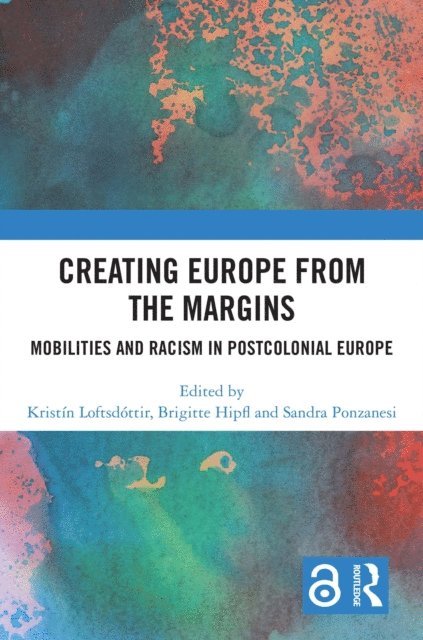
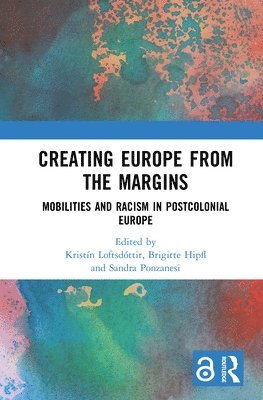
This edited volume explores the idea of Europe through a focus on its margins. The chapters in the volume inquire critically into the relations and tensions inherent in divisions between the Global North and the Global South as well as internal regional differentiation within Europe itself. In doing so, the volume stresses the need to consider Europe from critical interdisciplinary perspectives, highlighting historical and contemporary issues of racism and colonialism.While recent discussions of migration into ‘Fortress Europe’ seem to assume that Europe has clearly demarcated geographic, political and cultural boundaries, this book argues that the reality is more complex. The book explores margins conceptually and positions margins and centres as open to negotiation and contestation and characterized by ambiguity. As such, margins can be contextualized in relation to hierarchies within Europe, with different processes involved in creating boundaries and borders between different kinds of Europes and Europeans. Deploying case studies from different places, such as Iceland, Italy, Poland, Spain, Turkey, the UK, Romania, Cyprus, Greece, Sicily, European colonies in the Caribbean and the former Yugoslavia, the contributors analyse how different geopolitical hierarchies intersect with racialized subject positions of diverse people living in Europe, while also exploring issues of gender, class, sexuality, religion and nationality. Some chapters draw attention to the fortification of Europe’s ‘borderland,’ while others focus on internal hierarchies within Europe, critiquing the meaning of spatial boundaries in an increasingly digitalized Europe. In doing so, the chapters interrogate the hierarchies at play in the processes of being and becoming ‘European’ and the ongoing impacts of race and colonialism.This timely and thought-provoking collection will be of considerable significance to those in the humanities and social sciences with an interest in Europe.Chapters 1, 11 and 12 of this book are freely available as downloadable Open Access PDFs at http://www.taylorfrancis.com under a Creative Commons [Attribution-Non Commercial-No Derivatives (CC-BY-NC-ND)] 4.0 license.
Häftad, Engelska, 2024
605 kr
Skickas inom 10-15 vardagar
This edited volume explores the idea of Europe through a focus on its margins. The chapters in the volume inquire critically into the relations and tensions inherent in divisions between the Global North and the Global South as well as internal regional differentiation within Europe itself. In doing so, the volume stresses the need to consider Europe from critical interdisciplinary perspectives, highlighting historical and contemporary issues of racism and colonialism.While recent discussions of migration into ‘Fortress Europe’ seem to assume that Europe has clearly demarcated geographic, political and cultural boundaries, this book argues that the reality is more complex. The book explores margins conceptually and positions margins and centres as open to negotiation and contestation and characterized by ambiguity. As such, margins can be contextualized in relation to hierarchies within Europe, with different processes involved in creating boundaries and borders between different kinds of Europes and Europeans. Deploying case studies from different places, such as Iceland, Italy, Poland, Spain, Turkey, the UK, Romania, Cyprus, Greece, Sicily, European colonies in the Caribbean and the former Yugoslavia, the contributors analyse how different geopolitical hierarchies intersect with racialized subject positions of diverse people living in Europe, while also exploring issues of gender, class, sexuality, religion and nationality. Some chapters draw attention to the fortification of Europe’s ‘borderland,’ while others focus on internal hierarchies within Europe, critiquing the meaning of spatial boundaries in an increasingly digitalized Europe. In doing so, the chapters interrogate the hierarchies at play in the processes of being and becoming ‘European’ and the ongoing impacts of race and colonialism.This timely and thought-provoking collection will be of considerable significance to those in the humanities and social sciences with an interest in Europe.Chapters 1, 11 and 12 of this book are freely available as downloadable Open Access PDFs at http://www.taylorfrancis.com under a Creative Commons [Attribution-Non Commercial-No Derivatives (CC-BY-NC-ND)] 4.0 license.
Häftad, Engelska, 2025
642 kr
Skickas inom 10-15 vardagar
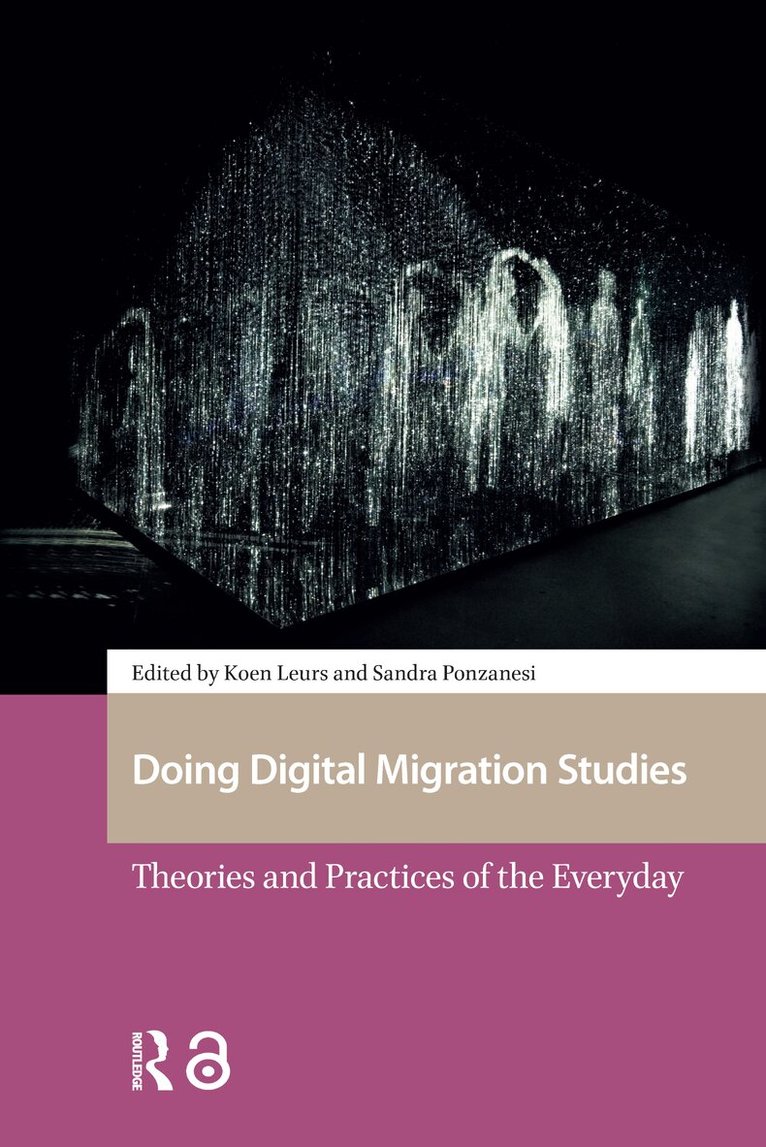
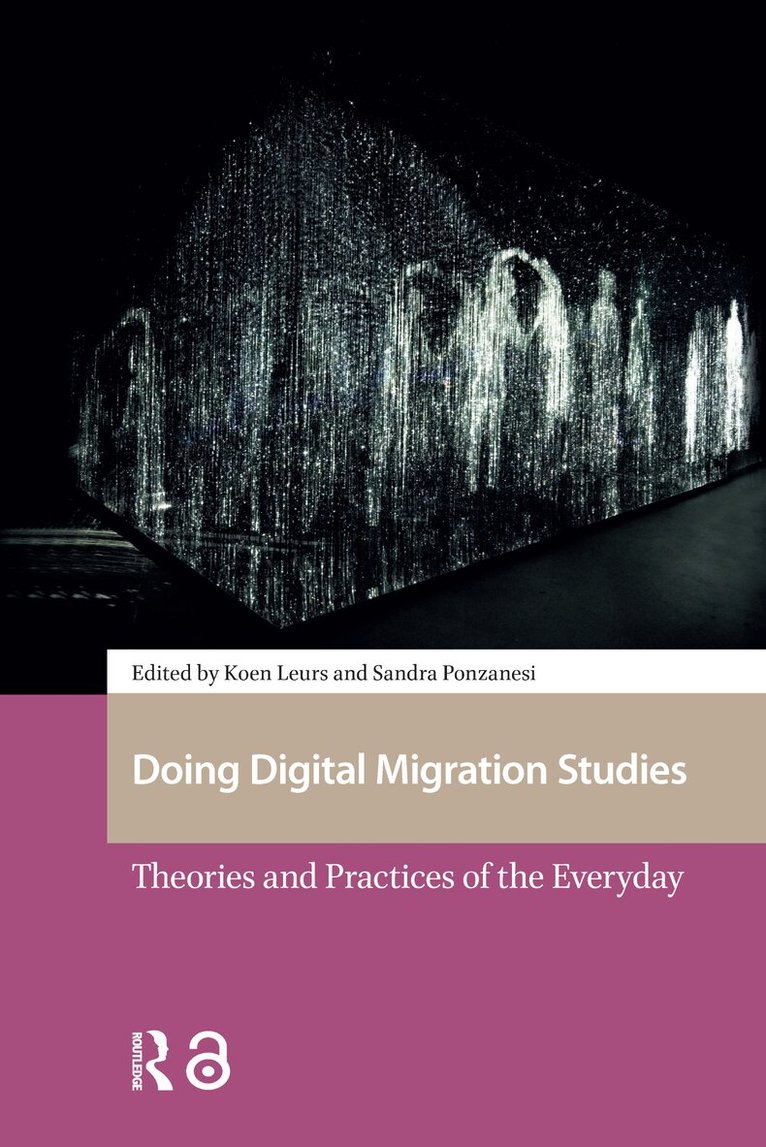
Doing Digital Migration present a comprehensive entry point to the variety of theoretical debates, methodological interventions, political discussions and ethical debates around migrant forms of belonging as articulated through digital practices.,Digital technologies impact upon everyday migrant lives, while vice versa migrants play a key role in technological developments, be it when negotiating the communicative affordances of platforms and devices, as consumers of particular commercial services such as sending remittances, as platform gig workers or test cases for new advanced surveillance technologies. With its international scope, this anthology invites scholars to pluralize understandings of 'the migrant' and 'the digital'. The anthology is organized in five different sections: Creative Practices; Digital Diasporas and Placemaking; Affect and Belonging; Visuality and digital media and Datafication, Infrastructuring, and Securitization. These sections are dedicated to emerging key topics and debates in digital migration studies, and sections are each introduced by international experts. I. The emphasis on reflective ‘doing’ of digital migration studies. So far scholarship in this interdisciplinary focus area has remained relatively silent on the topic of accountability and questions of decision making in the research process. II. The truly transdisciplinary and international scope of the volume distinguishes this volume from the disciplinary oriented special issues and monographs published in the field of media and communication, anthropology, migration studies and refugee studies. Digital migration creates new challenges for cross-disciplinary dialogues that require an integration of ethnography with digital methods and critical data studies in order to look at the formation of identity and experience, representation, community building, and creating spaces of belongingness. III. The innovative emphasis on everyday lived experiences and practices sheds much needed light on the ways in which increasingly documented infrastructures of datafication and digitization are lived, negotiated and contested. For this purpose, the volume pays particular attention to the everyday use of digital media for the support of transnational lives, emotional bonds and cosmopolitan affiliations, focusing also on the role technologies such as social media and smartphones play in shaping local/urban and national diasporic formations. This is because it becomes increasingly important to give everyday digital media usage a central role in investigations of transnational belonging, digital intimacy, diasporic community (re)production, migrant subject formation, long-distance political participation, urban social integration and local/national self-organization.
Häftad, Engelska, 2016
767 kr
Skickas inom 10-15 vardagar
This wide-ranging collection of essays elaborates on some of the most pressing issues in contemporary postcolonial society in their transition from conflict and contestation to dialogue and resolution. It explores from new angles questions of violent conflict, forced migration, trafficking and deportation, human rights, citizenship, transitional justice and cosmopolitanism. The volume focuses more specifically on the gendering of violence from a postcolonial perspective as it analyses unique cases that disrupt traditional visions of violence by including the history of empire and colony, and its legacies that continue to influence present-day configurations of gender, race, nationality, class and sexuality. Part One maps out the gendered and racialized contours of conflict zones, from war zones, prisons and refugee camps to peacekeeping missions and humanitarian aid, reframing the field and establishing connections between colonial legacies and postcolonial dynamics. Part Two explores how these conflict zones are played out not just outside but also within Europe, demonstrating that multicultural Europe is fraught with different legacies of violence and postcolonial melancholia. Part Three gives an idea of the kind of future that can be offered to post-conflict societies, defined as contact zones, by exploring opportunities for dialogue, restoration and reconciliation that can be envisaged from a gendered and postcolonial perspective through alternative feminist practices and the work of art and their redemptive power in mobilizing social change or increasing national healing processes. Though strongly anchored in postcolonial critique, the chapters draw from a range of traditions and expertise, including conflict studies, gender theory, visual studies, (new) media theory, sociology, race theory, international security studies and religion studies.
Inbunden, Engelska, 2015
2 135 kr
Skickas inom 10-15 vardagar
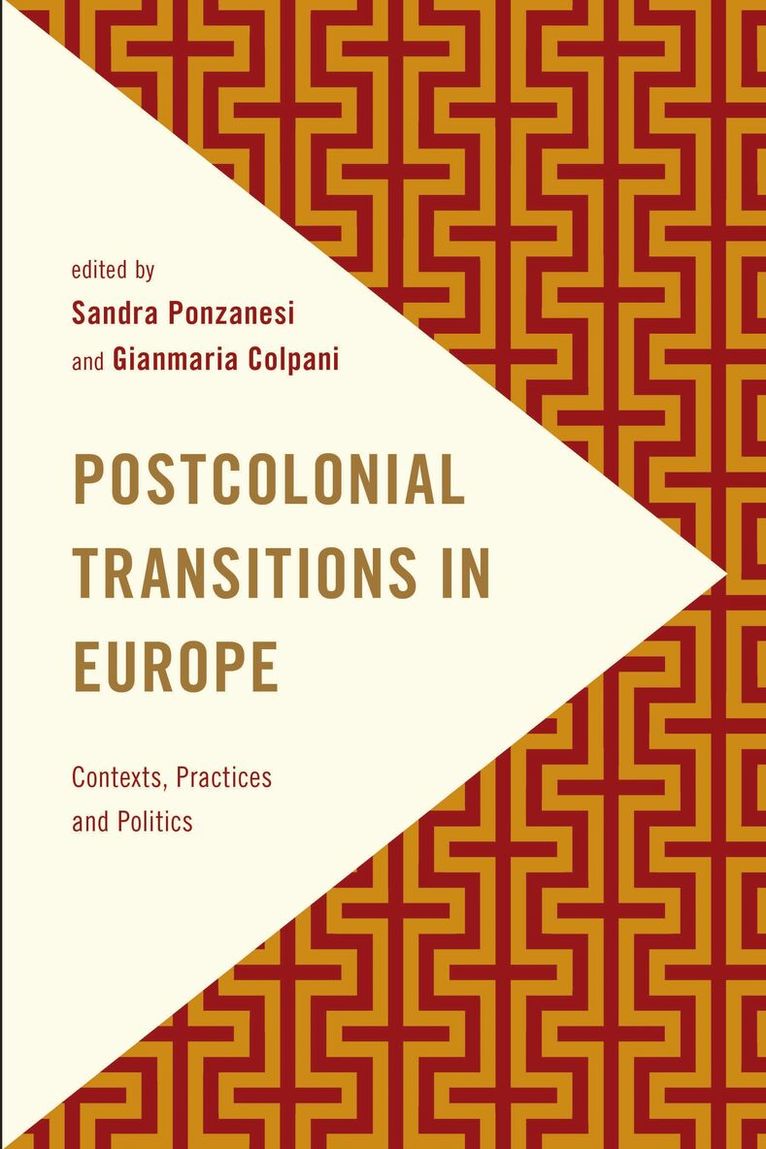
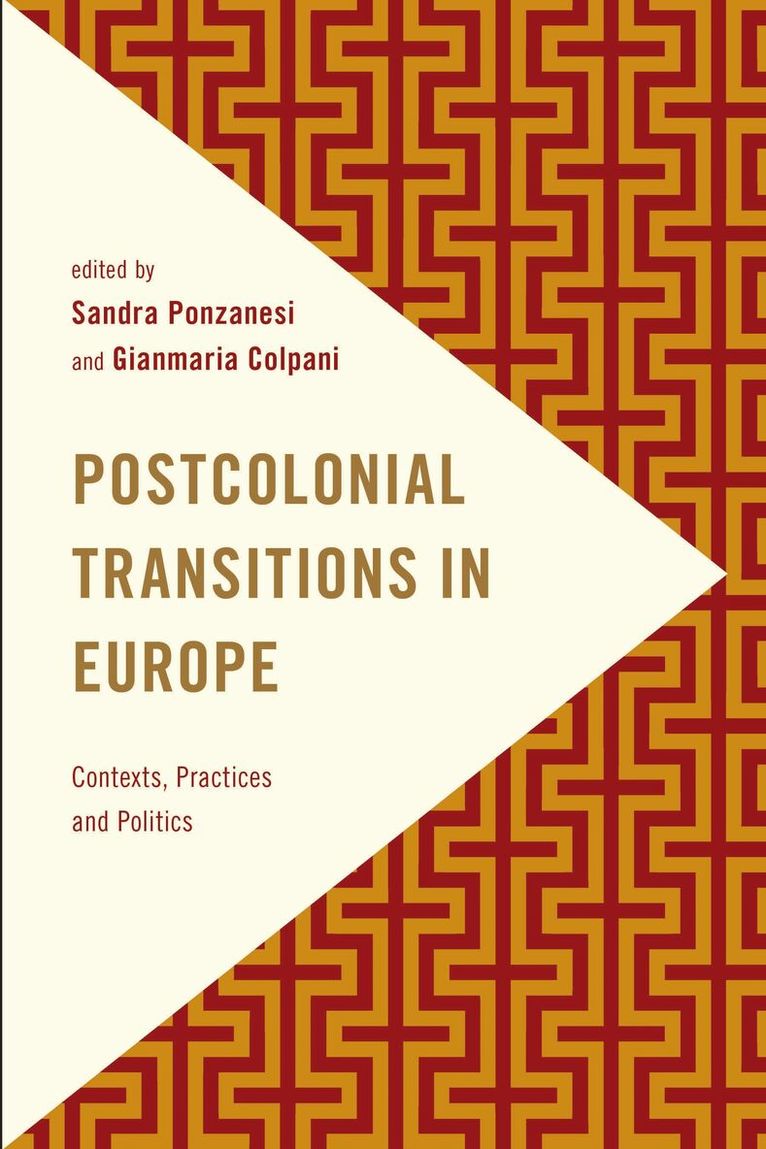
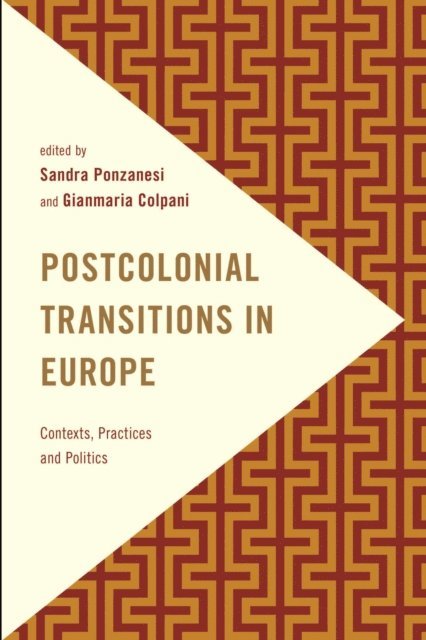
Is the notion of postcolonial Europe an oxymoron? How do colonial pasts inform the emergence of new subjectivities and political frontiers in contemporary Europe? Postcolonial Transitions in Europe explores these questions from different theoretical, geopolitical and media perspectives. Drawing from the interdisciplinary tools of postcolonial critique, this book contests the idea that Europe developed within clear-cut geographical boundaries. It examines how experiences of colonialism and imperialism continue to be constitutive of the European space and of the very idea of Europe. By approaching Europe as a complex political space, the chapters investigate topical concerns around its politics of inclusion and exclusion towards migrants, asylum seekers and refugees, as well as its take on internal conflicts, transitions and cosmopolitan imaginaries. With a foreword by Paul Gilroy
Häftad, Engelska, 2015
777 kr
Skickas inom 10-15 vardagar
Is the notion of postcolonial Europe an oxymoron? How do colonial pasts inform the emergence of new subjectivities and political frontiers in contemporary Europe? Postcolonial Transitions in Europe explores these questions from different theoretical, geopolitical and media perspectives. Drawing from the interdisciplinary tools of postcolonial critique, this book contests the idea that Europe developed within clear-cut geographical boundaries. It examines how experiences of colonialism and imperialism continue to be constitutive of the European space and of the very idea of Europe. By approaching Europe as a complex political space, the chapters investigate topical concerns around its politics of inclusion and exclusion towards migrants, asylum seekers and refugees, as well as its take on internal conflicts, transitions and cosmopolitan imaginaries. With a foreword by Paul Gilroy
Inbunden, Engelska, 2018
1 687 kr
Skickas inom 10-15 vardagar
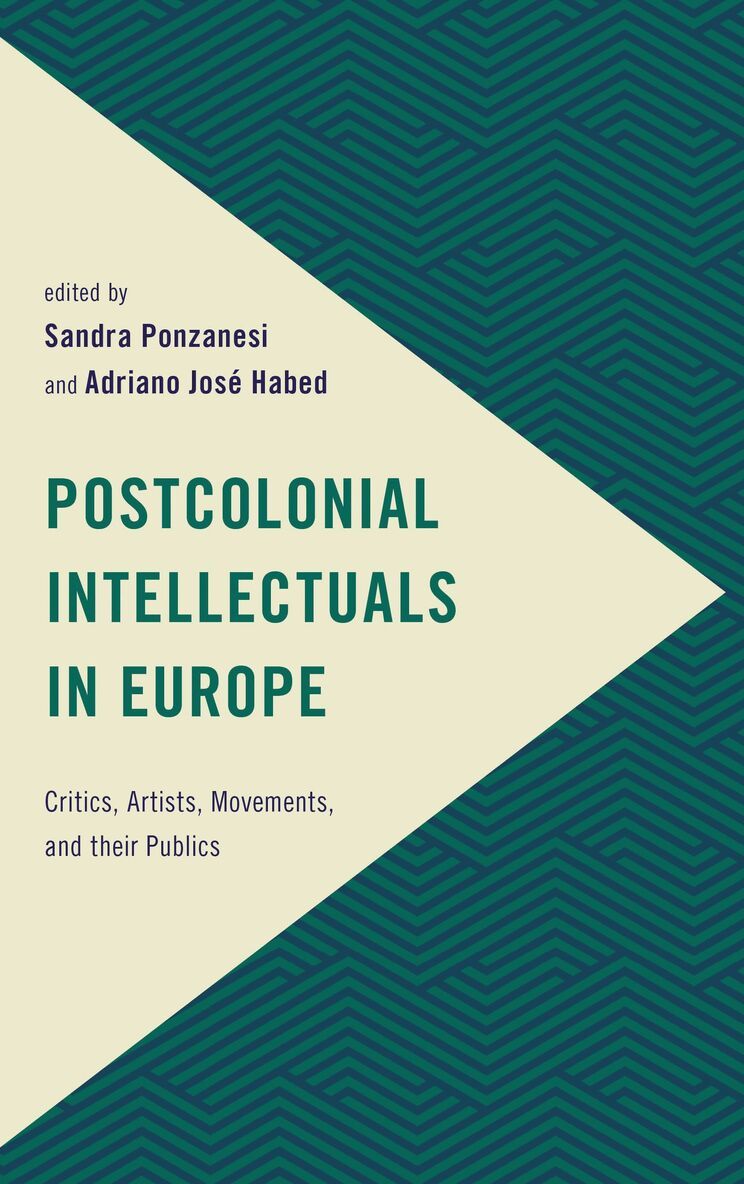
Postcolonial intellectuals have engaged with and deeply impacted upon European society since the figure of the intellectual emerged at the beginning of the nineteenth century. Yet a critical assessment and overview of their influential roles is long overdue, particularly in the light of contemporary debates in Europe and beyond.This book offers an innovative take on the role of intellectuals in Europe through a postcolonial lens and, in doing so, questions the very definition of "public intellectual," on the one hand, and the meaning of such a thing as "Europe," on the other. It does so not only by offering portraits of charismatic figures such as Stuart Hall, Jacques Derrida, Antonio Gramsci, Frantz Fanon, and Hannah Arendt, among others, but also by exploring their lasting legacies and the many dialogues they have generated. The notion of the ‘classic’ intellectual is further challenged by bringing to the fore artists, writers, and activists, as well as social movements, networks, and new forms of mobilization and collective engagement that are part of the intellectual scene.
Häftad, Engelska, 2020
539 kr
Skickas inom 10-15 vardagar
Postcolonial intellectuals have engaged with and deeply impacted upon European society since the figure of the intellectual emerged at the beginning of the nineteenth century. Yet a critical assessment and overview of their influential roles is long overdue, particularly in the light of contemporary debates in Europe and beyond.This book offers an innovative take on the role of intellectuals in Europe through a postcolonial lens and, in doing so, questions the very definition of "public intellectual," on the one hand, and the meaning of such a thing as "Europe," on the other. It does so not only by offering portraits of charismatic figures such as Stuart Hall, Jacques Derrida, Antonio Gramsci, Frantz Fanon, and Hannah Arendt, among others, but also by exploring their lasting legacies and the many dialogues they have generated. The notion of the ‘classic’ intellectual is further challenged by bringing to the fore artists, writers, and activists, as well as social movements, networks, and new forms of mobilization and collective engagement that are part of the intellectual scene.
Inbunden, Engelska, 2024
1 396 kr
Skickas inom 5-8 vardagar
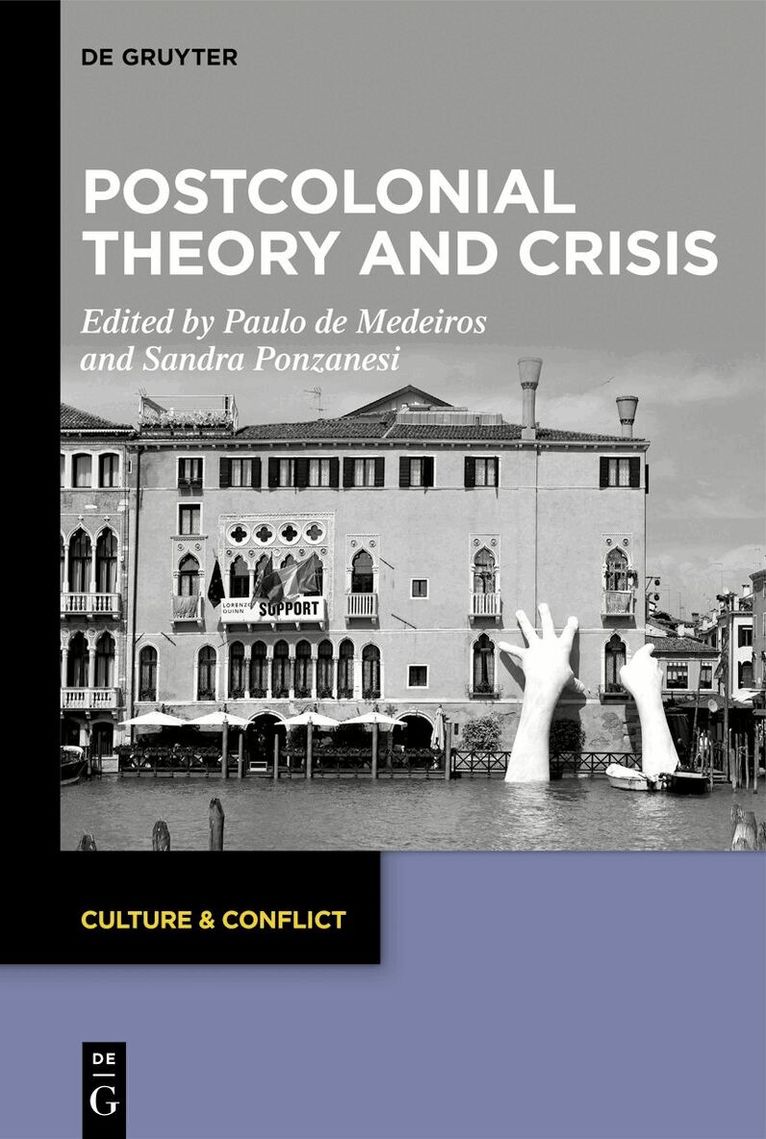
In the millennial transition the prefix ‘post’ had come to signify more and more not just the realisation of a ‘coming after’ but also of the impossibility of not seeing the present as still very much working through the wounds of the past. Yet with the appearance of pseudo-concepts such as ‘post-truth’ after an equally imaginary ‘death of History’, the logic of the ‘post’, itself always already under questioning, may appear to have outlived its usefulness. How to make sense of postcolonial theory in Europe in the present? One way might be to renew its significance as world conflicts have entered a new ‘post-imperial phase’ with the return of ideologies of empire in various parts of the world. The essays in this volume address those questions at both a conceptual, theoretical level, and through the analysis of specific case studies. In the Introduction Paulo de Medeiros and Sandra Ponzanesi review the main questions outlined above in relation to the current debates in the Humanities from their respective disciplinary perspectives. The volume is organised in four sections, each containing four chapters. Even though all the chapters present a reflection on Postcolonial Theory and Crisis, some focus more specifically on aspects of the crisis in a global perspective such as humanitarian crisis and the role of mediatization of conflicts, to issues related to human rights, refugees, migrancy, environmental crisis to questions of memory and postmemory as well as the critique of art and utopian thought.
Inbunden, Engelska, 2024
2 010 kr
Skickas inom 10-15 vardagar
This anthology is organized in five sections: Creative Practices; Digital Diasporas and Placemaking; Affect and Belonging; Visuality and digital media and Datafication, Infrastructuring, and Securitization. These sections focus on emerging key topics and debates in digital migration studies and are each introduced by international experts.
Inbunden, Engelska, 2004
1 198 kr
Tillfälligt slut
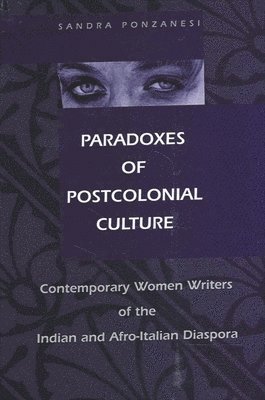
Explores postcolonial discourse from the standpoint of feminism and writers in minority languages.This innovative contribution to understanding the promise and contradictions of contemporary postcolonial culture applies a wide array of theoretical tools to a large body of literature. The author compares the work of established Indian writers including Bharati Mukherjee, Meena Alexander, Sara Suleri, and Sunetra Gupta to new writings by such Afro-Italian immigrant women as Ermina dell'Oro, Maria Abbebù Viarengo, Ribka Sibhatu, and Sirad Hassan. Sandra Ponzanesi's analysis highlights a set of dissymmetrical relationships that are set in the context of different imperial, linguistic, and market policies. By dealing with issues of representation linked to postcolonial literary genres, to gender and ethnicity questions, and to new cartographies of diaspora, this book imbues the postcolonial debate with a new élan.