A.K. Minks – författare
Visar alla böcker från författaren A.K. Minks. Handla med fri frakt och snabb leverans.
3 produkter
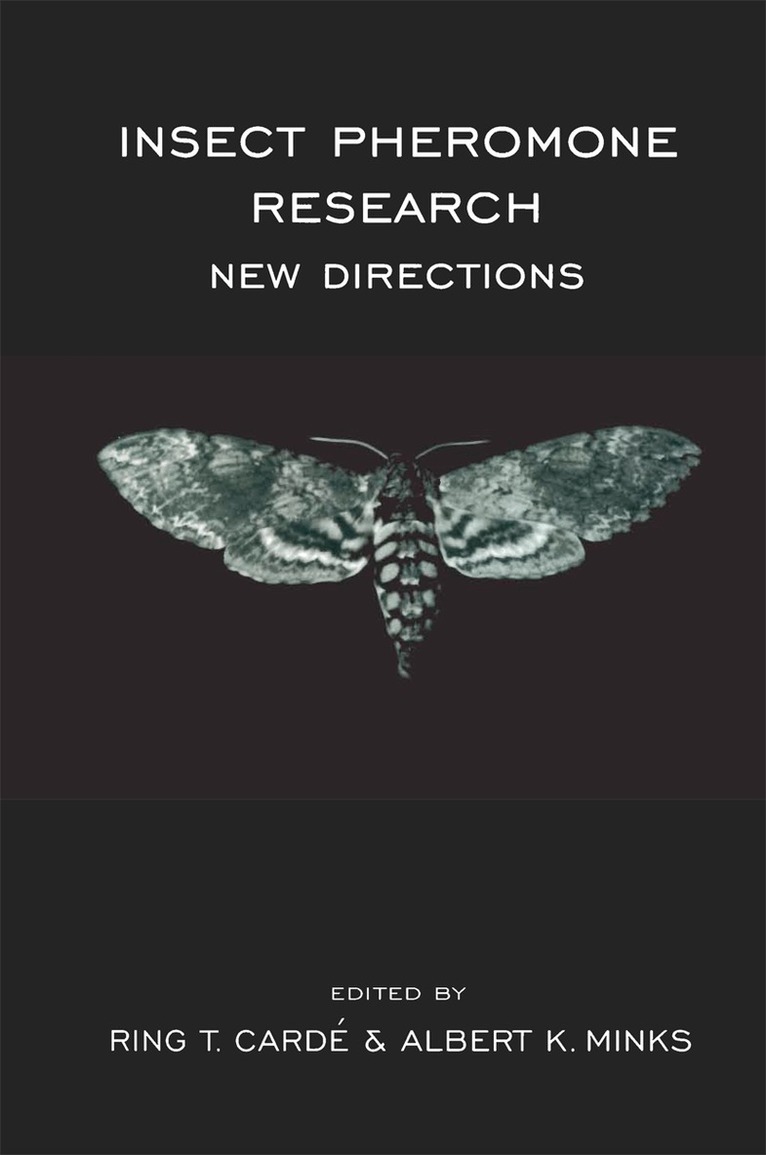
Insect Pheromone Research
New Directions
Av R.T. Carde, A.K. Minks m. fl.
Inbunden, 1997
3272 kr
Lägg i varukorg
This book contains the proceedings of the "First International Symposium on Insect Pheromones," which was held at Wageningen, The Netherlands, from March 6 to March 11, 1994. Eighty participants from 17 countries attended the symposium, which turned out to be a unique forum for the exchange of the …
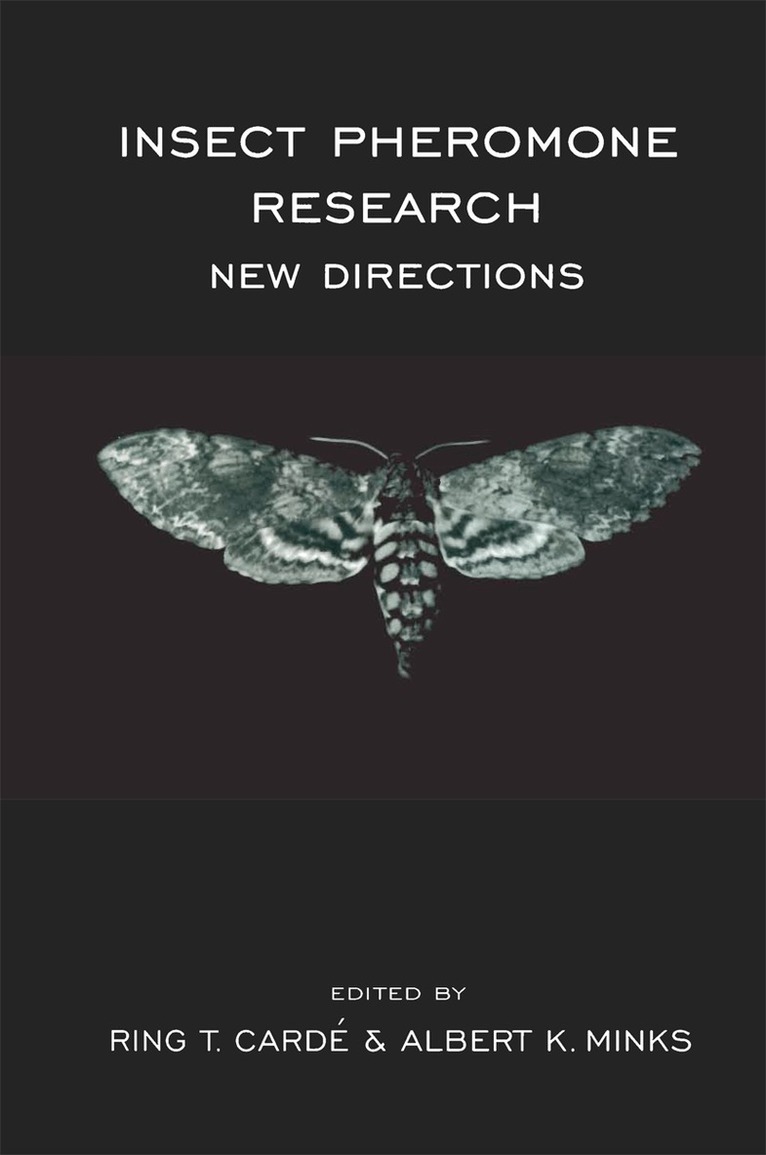
Insect Pheromone Research
New Directions
Av R.T. Carde, A.K. Minks
Häftad, 2012
3272 kr
Lägg i varukorg
This book contains the proceedings of the "First International Symposium on Insect Pheromones," which was held at Wageningen, The Netherlands, from March 6 to March 11, 1994. Eighty participants from 17 countries attended the symposium, which turned out to be a unique forum for the exchange of the …
Insect Pheromone Research
New Directions
Av A.K. Minks, R.T. Carde
E-bok, 2012
4066 kr
Lägg i varukorg
This book contains the proceedings of the "First International Symposium on Insect Pheromones," which was held at Wageningen, The Netherlands, from March 6 to March 11, 1994. Eighty participants from 17 countries attended the symposium, which turned out to be a unique forum for the exchange of the …