A.K. Singh – författare
Visar alla böcker från författaren A.K. Singh. Handla med fri frakt och snabb leverans.
10 produkter
10 produkter
2 264 kr
Skickas inom 7-10 vardagar
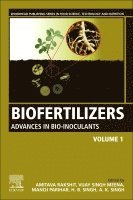
Biofertilizers, Volume One: Advances in Bio-inoculants provides state-of-the-art descriptions of various approaches, techniques and basic fundamentals of BI used in crop fertilization practices. The book presents research within a relevant theoretical framework to improve our understanding of core issues as applied to natural resource management. Authored by renowned scientists actively working on bio-inoculant, biofertilizer and bio-stimulant sciences, the book addresses the scope of inexpensive and energy neutral bio-inoculant technologies and the impact regulation has on biofertilizer utilization. This book is a valuable reference for agricultural/environmental scientists in academic and corporate environments, graduate and post-graduate students, regulators and policymakers. Informs researchers on how to develop innovative products and technologies that increase crop yields and quality while decreasing agricultural carbon footprints Focuses on production, protocols and developments in the processing of bio-inoculants, bio-stimulants and bio-fertilizers Summarizes the biologically active compounds and examines current research areas
561 kr
Skickas inom 7-10 vardagar
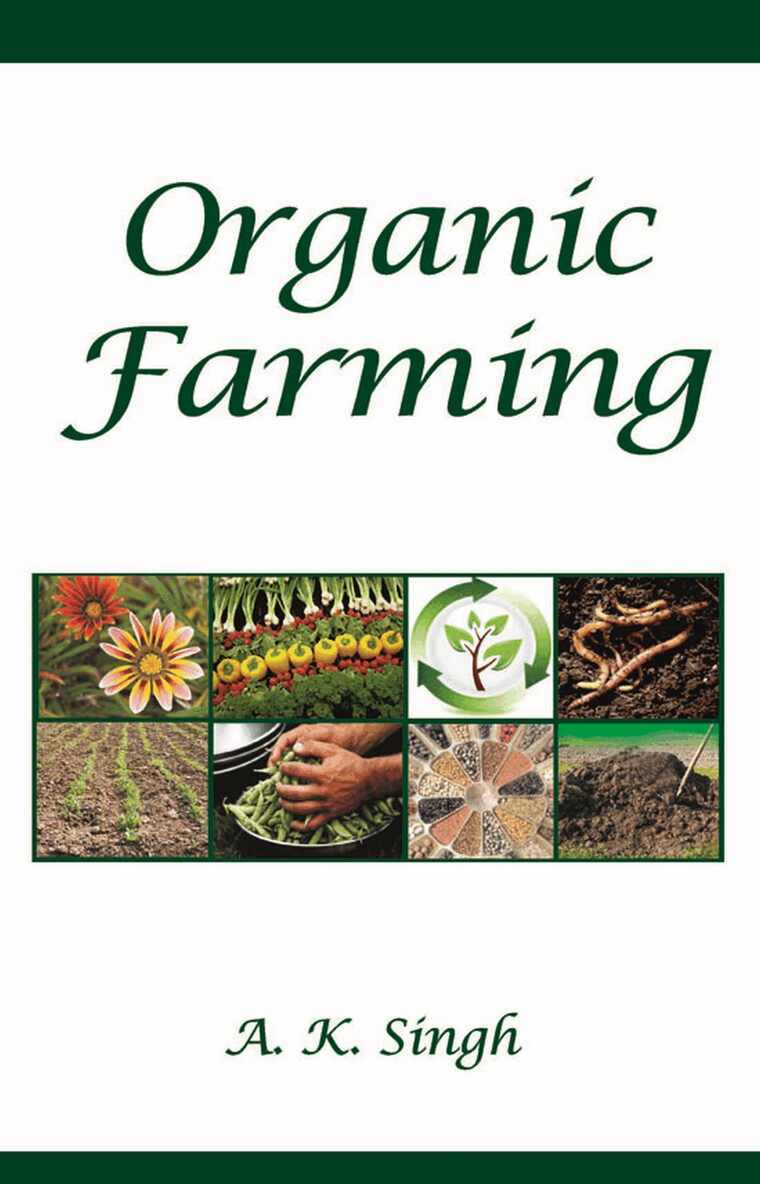
Organic Farming is a comprehensive resource that presents the fundamental principles and practices of organic farming. The text is organized into chapters that systematically cover the following topics: 1) the concepts and relevance of organic farming, 2) organic production requirements, 3) biological intensive nutrient management, 4) integrated pest, disease, and weed management, 5) quality control standards and certification, and 6) organic market opportunities. This book is designed to fulfill the needs of students studying agriculture in colleges and universities and serves as a standing guide for teachers to teach organic farming in the new concept of agriculture education and development.
2 328 kr
Skickas inom 10-15 vardagar
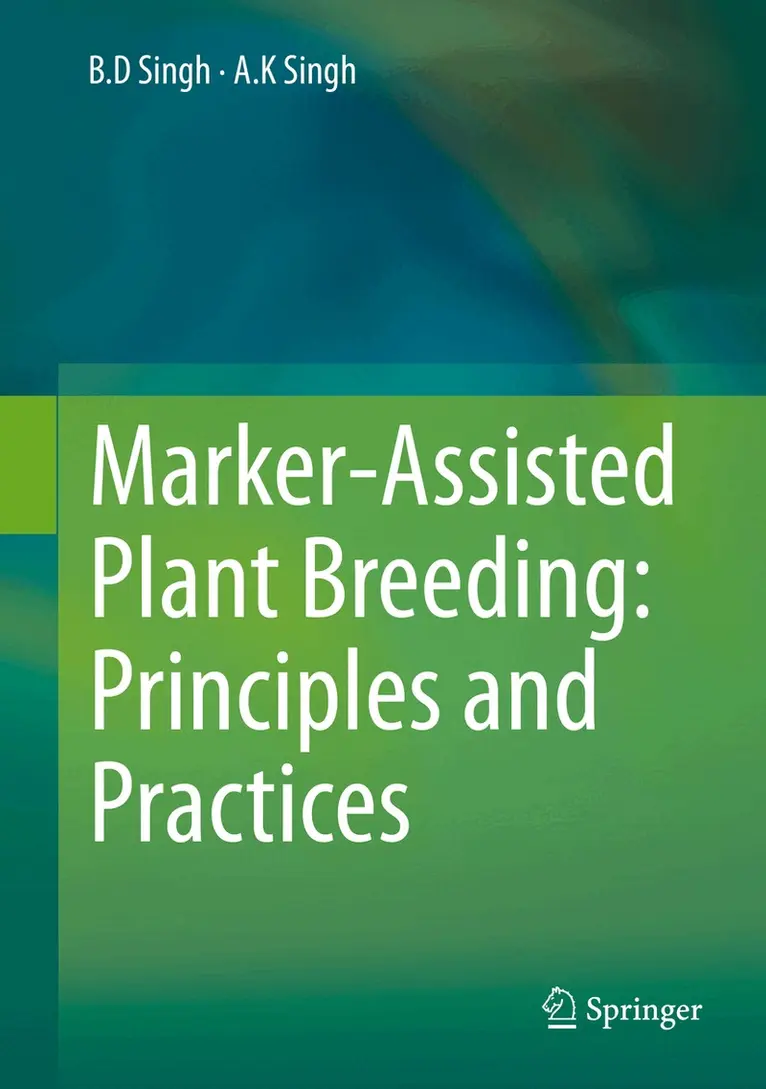
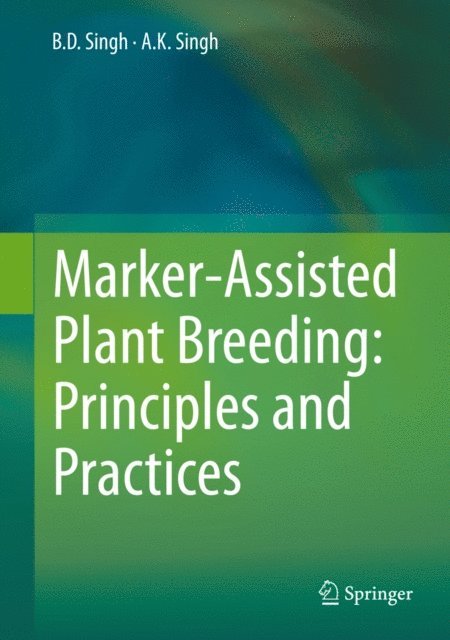
Marker-assisted plant breeding involves the application of molecular marker techniques and statistical and bioinformatics tools to achieve plant breeding objectives in a cost-effective and time-efficient manner.
2 117 kr
Skickas inom 10-15 vardagar
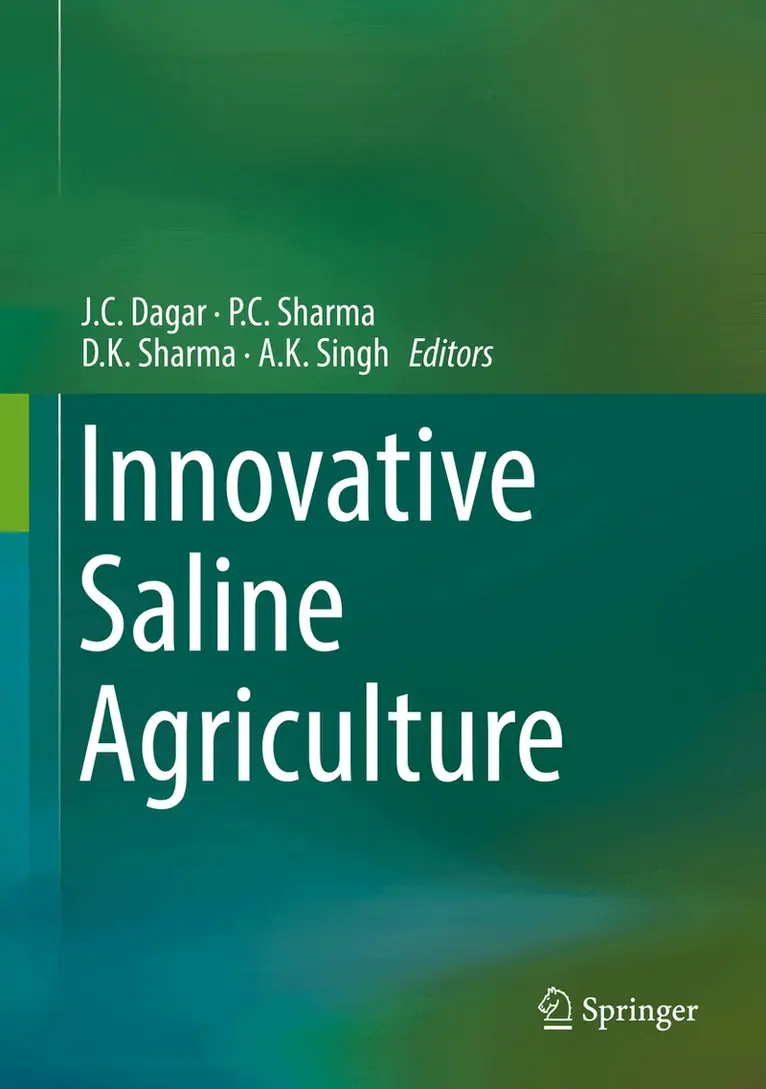
The land degradation due to salinity and waterlogging is a global phenomenon, afflicting about one billion hectares within the sovereign borders of at least 75 countries. Besides staring at the food security, it has far reaching and unacceptable socio-economic consequences since a large proportion of this land is inhabited by smallholder farmers. The anthropogenic-environmental changes and the climate change are further adding to the problem of salinity and waterlogging. The phenomenon of sea-level rise will bring more areas under waterlogged salinity due to inundation by sea water. Thus, dealing with the salinity in reality is becoming a highly onerous task owing to its complex nature, uncertainty and differential temporal and spatial impacts. Nevertheless, with the need to provide more food, feed, fuel, fodder and fiber to the expanding population, and non-availability of new productive land, there is a need for productivity enhancement of these lands. In fact, the salt-affected andwaterlogged lands cannot be neglected since huge investments have been made throughout the world in the development of irrigation and drainage infrastructure. The social, economic and environmental costs being high for theon-and/off-farm reclamation techniques, saline agriculture including agroforestry inculcated with modern innovative techniques, is now emerging as a potential tool not only for arresting salinity and waterlogging but for other environmental services like mitigate climate change, sequester carbon and biodiversity restoration. This publication attempts to address a wide range of issues, principles and practices related to the salinity involved in rehabilitation of waterlogged saline soils and judicious use of saline waters including sea water. Many of the site specific case studies typical to the saline environment including coastal ecologies sustaining productivity, rendering environmental services, conserving biodiversity and mitigating climate change have been described in detail. Written by leading researchers and experts of their own fields, the book is a must, not only for salinity experts but also for policy makers, environmentalists, students and educationists alike. More importantly, it contributes to reversing the salinity trends and teaches to sustain with salinity ensuring the livelihood of resource-poor farming families leaving in harsh ecologies including coastal areas which are more vulnerable to climate change.
2 328 kr
Skickas inom 10-15 vardagar
Marker-assisted plant breeding involves the application of molecular marker techniques and statistical and bioinformatics tools to achieve plant breeding objectives in a cost-effective and time-efficient manner. This book is intended for beginners in the field who have little or no prior exposure to molecular markers and their applications, but who do have a basic knowledge of genetics and plant breeding, and some exposure to molecular biology. An attempt has been made to provide sufficient basic information in an easy-to-follow format, and also to discuss current issues and developments so as to offer comprehensive coverage of the subject matter. The book will also be useful for breeders and research workers, as it offers a broad range of up-to-the-year information, including aspects like the development of different molecular markers and their various applications. In the first chapter, the field of marker-assisted plant breeding is introduced and placed in the proper perspectivein relation to plant breeding. The next three chapters describe the various molecular marker systems, while mapping populations and mapping procedures including high-throughput genotyping are discussed in the subsequent five chapters. Four chapters are devoted to various applications of markers, e.g. marker-assisted selection, genomic selection, diversity analysis, finger printing and positional cloning. In closing, the last two chapters provide information on relevant bioinformatics tools and the rapidly evolving field of phenomics.
2 117 kr
Skickas inom 10-15 vardagar
The land degradation due to salinity and waterlogging is a global phenomenon, afflicting about one billion hectares within the sovereign borders of at least 75 countries. Besides staring at the food security, it has far reaching and unacceptable socio-economic consequences since a large proportion of this land is inhabited by smallholder farmers. The anthropogenic-environmental changes and the climate change are further adding to the problem of salinity and waterlogging. The phenomenon of sea-level rise will bring more areas under waterlogged salinity due to inundation by sea water. Thus, dealing with the salinity in reality is becoming a highly onerous task owing to its complex nature, uncertainty and differential temporal and spatial impacts. Nevertheless, with the need to provide more food, feed, fuel, fodder and fiber to the expanding population, and non-availability of new productive land, there is a need for productivity enhancement of these lands. In fact, the salt-affected andwaterlogged lands cannot be neglected since huge investments have been made throughout the world in the development of irrigation and drainage infrastructure. The social, economic and environmental costs being high for theon-and/off-farm reclamation techniques, saline agriculture including agroforestry inculcated with modern innovative techniques, is now emerging as a potential tool not only for arresting salinity and waterlogging but for other environmental services like mitigate climate change, sequester carbon and biodiversity restoration. This publication attempts to address a wide range of issues, principles and practices related to the salinity involved in rehabilitation of waterlogged saline soils and judicious use of saline waters including sea water. Many of the site specific case studies typical to the saline environment including coastal ecologies sustaining productivity, rendering environmental services, conserving biodiversity and mitigating climate change have been described in detail. Written by leading researchers and experts of their own fields, the book is a must, not only for salinity experts but also for policy makers, environmentalists, students and educationists alike. More importantly, it contributes to reversing the salinity trends and teaches to sustain with salinity ensuring the livelihood of resource-poor farming families leaving in harsh ecologies including coastal areas which are more vulnerable to climate change.
304 kr
Tillfälligt slut
2 907 kr
Skickas inom 7-10 vardagar
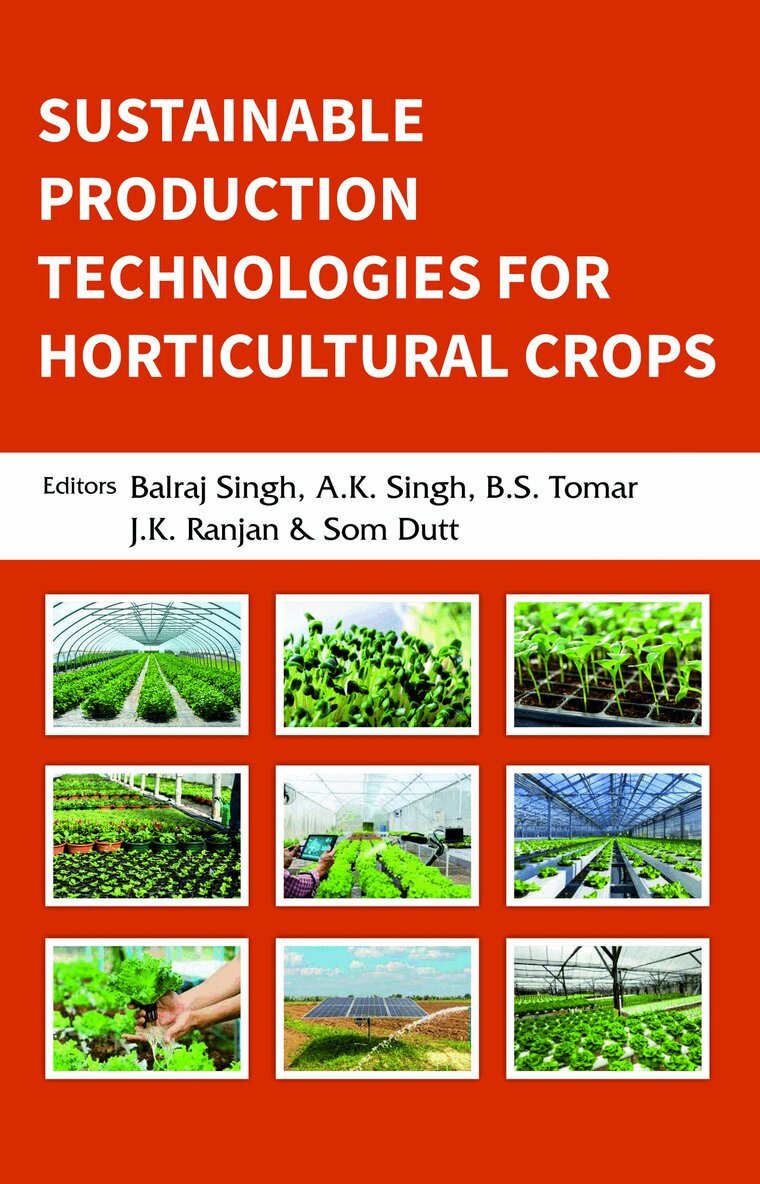
The book titled Sustainable Production Technologies for Horticultural Crops is a distinctive and comprehensive resource that covers all aspects of horticulture. It compiles and organizes scattered information in an easily understandable format, complete with practical recommendations for stakeholders. The book is authored by renowned experts in their respective fields, who have contributed to its 24 chapters. These chapters address topics such as genetic resources, varietal wealth, crop improvement, plant health management, biotic and abiotic stress management, and value-addition of horticultural crops. Additionally, the book delves into general horticultural science. The book covers a wide range of horticultural crops, including fruits, vegetables, spices, and ornamental and plantation crops. Each chapter is well-illustrated with figures and tables and is cited with the latest references. The critical RD gaps identified in different research areas are also addressed in each chapter. Sustainable Production Technologies for Horticultural Crops is a valuable resource for students, teachers, researchers, scientists, policymakers, and entrepreneurs. It serves as a comprehensive reservoir of information that can be utilized by all stakeholders in the horticultural industry.
1 114 kr
Skickas inom 7-10 vardagar
Organic Farming is a comprehensive resource that presents the fundamental principles and practices of organic farming. The text is organized into chapters that systematically cover the following topics: 1) the concepts and relevance of organic farming, 2) organic production requirements, 3) biological intensive nutrient management, 4) integrated pest, disease, and weed management, 5) quality control standards and certification, and 6) organic market opportunities. This book is designed to fulfill the needs of students studying agriculture in colleges and universities and serves as a standing guide for teachers to teach organic farming in the new concept of agriculture education and development.
440 kr
Skickas inom 5-8 vardagar