Alan Mandell – författare
2 345 kr
Skickas inom 10-15 vardagar
754 kr
Skickas inom 10-15 vardagar
570 kr
Läs direkt efter köp
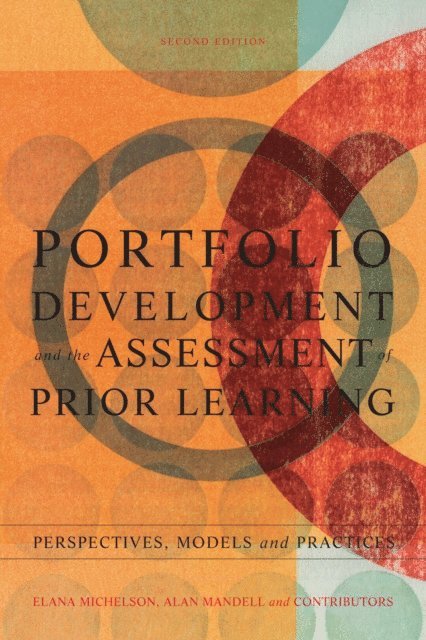
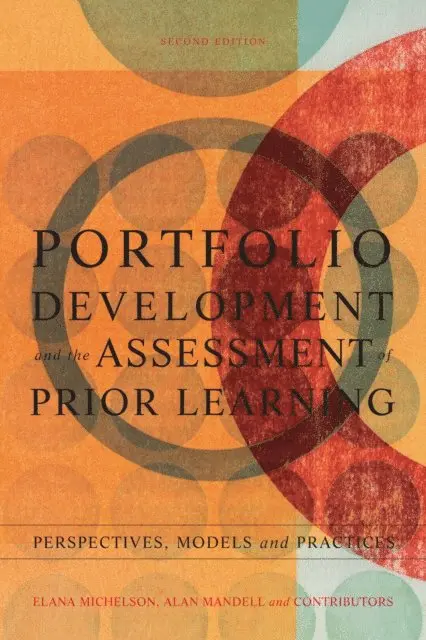
For over thirty years, portfolios have been used to help adult learners gain recognition for their prior learning and take greater control of their educational experiences. The portfolio has become a distinctive means of assessing such learning, serving as a meaningful alternative to conventional papers and standardized testing. Portfolio Development and the Assessment of Prior Learning: Perspectives, Models, and Practices provides a primer of flexible approaches to shaping and conducting portfolio-development courses. It offers practitioners in the field an extensive range of model assignments, readings, and classroom activities, each organized around a specific theme: Academic Orientation, The Meaning of Education, Personal Exploration, Learning from the Outsider Within, The World of Work and Careers, and Dimensions of Expertise. Twelve case studies by practitioners in the field then show how academics in the US and around the English-speaking world have adapted the portfolio to changing circumstances in order to deliver academically rich educational services for adults. These case studies highlight portfolio development in the context of web-based instruction, changing institutional imperatives, service to historically disenfranchised groups, partnerships with industry, and cross-institutional cooperation.In addition to serving as a valuable hands-on resource for practitioners, Portfolio Development and the Assessment of Prior Learning locates portfolios and assessment in a broad social and intellectual context. Thus, the authors also offer an historical overview of the usefulness of portfolios in the assessment of prior learning and then consider their use in the future, given current trends in higher education for adults. The book explores the implications of a changing educational landscape, in which new student populations, budgetary pressures, and understandings of knowledge both enrich and challenge student-centered approaches such as portfolios.The approaches and case studies are not only valuable to adult educators but, equally, to faculty in higher education concerned with the development of competency- and outcomes-based assessment.
570 kr
Läs direkt efter köp
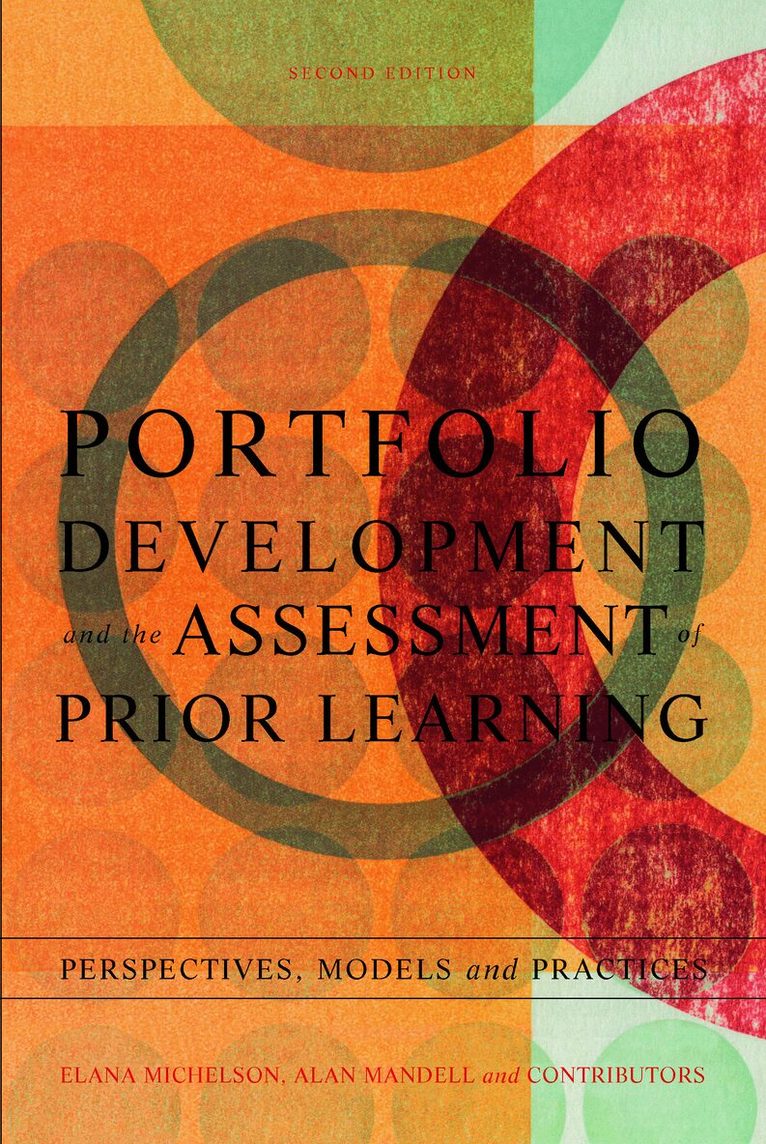
For over thirty years, portfolios have been used to help adult learners gain recognition for their prior learning and take greater control of their educational experiences. The portfolio has become a distinctive means of assessing such learning, serving as a meaningful alternative to conventional papers and standardized testing. Portfolio Development and the Assessment of Prior Learning: Perspectives, Models, and Practices provides a primer of flexible approaches to shaping and conducting portfolio-development courses. It offers practitioners in the field an extensive range of model assignments, readings, and classroom activities, each organized around a specific theme: Academic Orientation, The Meaning of Education, Personal Exploration, Learning from the Outsider Within, The World of Work and Careers, and Dimensions of Expertise. Twelve case studies by practitioners in the field then show how academics in the US and around the English-speaking world have adapted the portfolio to changing circumstances in order to deliver academically rich educational services for adults. These case studies highlight portfolio development in the context of web-based instruction, changing institutional imperatives, service to historically disenfranchised groups, partnerships with industry, and cross-institutional cooperation.In addition to serving as a valuable hands-on resource for practitioners, Portfolio Development and the Assessment of Prior Learning locates portfolios and assessment in a broad social and intellectual context. Thus, the authors also offer an historical overview of the usefulness of portfolios in the assessment of prior learning and then consider their use in the future, given current trends in higher education for adults. The book explores the implications of a changing educational landscape, in which new student populations, budgetary pressures, and understandings of knowledge both enrich and challenge student-centered approaches such as portfolios.The approaches and case studies are not only valuable to adult educators but, equally, to faculty in higher education concerned with the development of competency- and outcomes-based assessment.
899 kr
Läs direkt efter köp
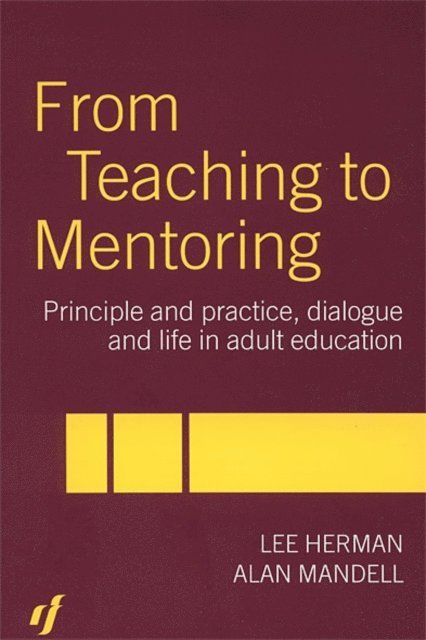
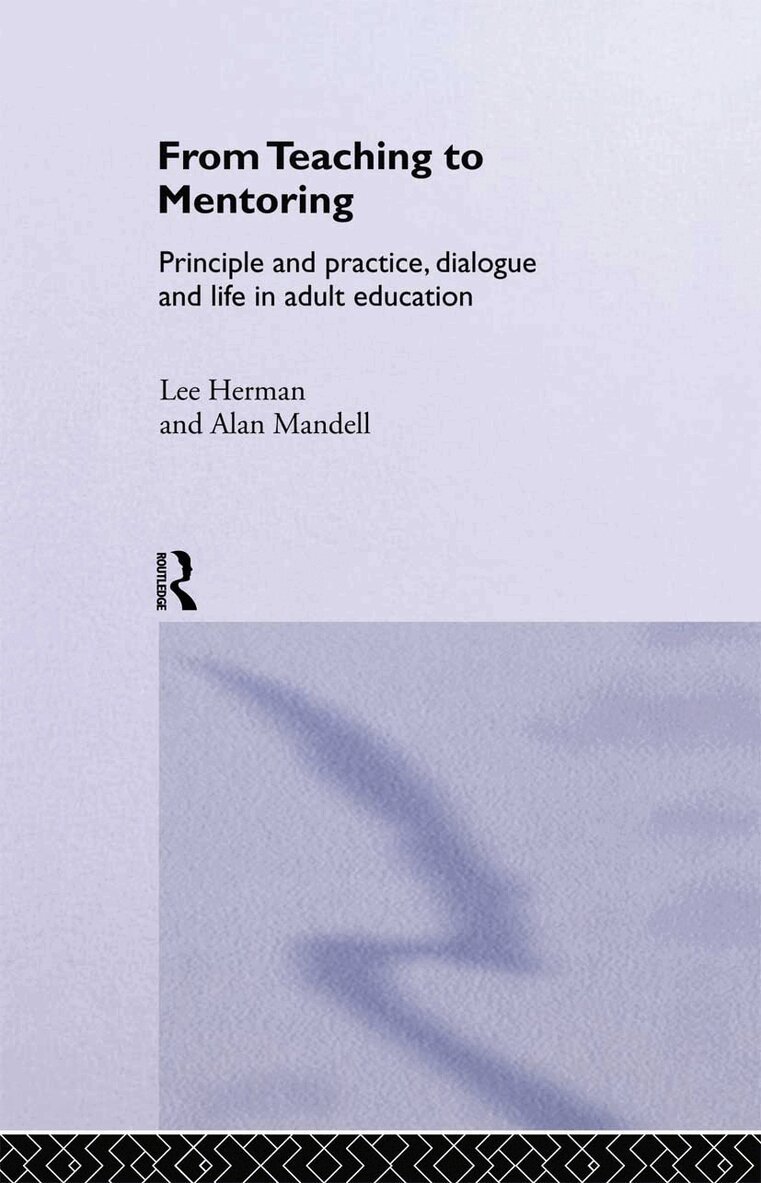
What is mentoring? What makes a teacher a mentor?From Teaching to Mentoring is an argument for the power, practicality and the basic good of a simple educational idea. The authors advocate a sound, comprehensive and lifelong education, shifting the emphasis of the learning process to the needs of the student. Whilst heeding traditional criteria of educational excellence, they ask for profound educational and political transformations:* Teachers become collaborative inquirers with their students* Students become skilled and lifelong independent learners* Academic institutions become learning communities embracing the full diversity of human curiosity and experience.The book covers discussion on what mentoring is, and why it is now so much in demand. It details the distinctive features of mentoring, including asking questions, students'' reflections and responses and collaborative curriculum planning.Drawing upon two decades of extensive research and practice, and using a variety of illuminating case studies, the authors offer a stimulating and thorough examination of mentoring. This combination of theory and practice will be invaluable to anyone involved in the teaching of adults in further and higher education, as well as university administrators, programme directors and developing and training officers.
896 kr
Läs direkt efter köp
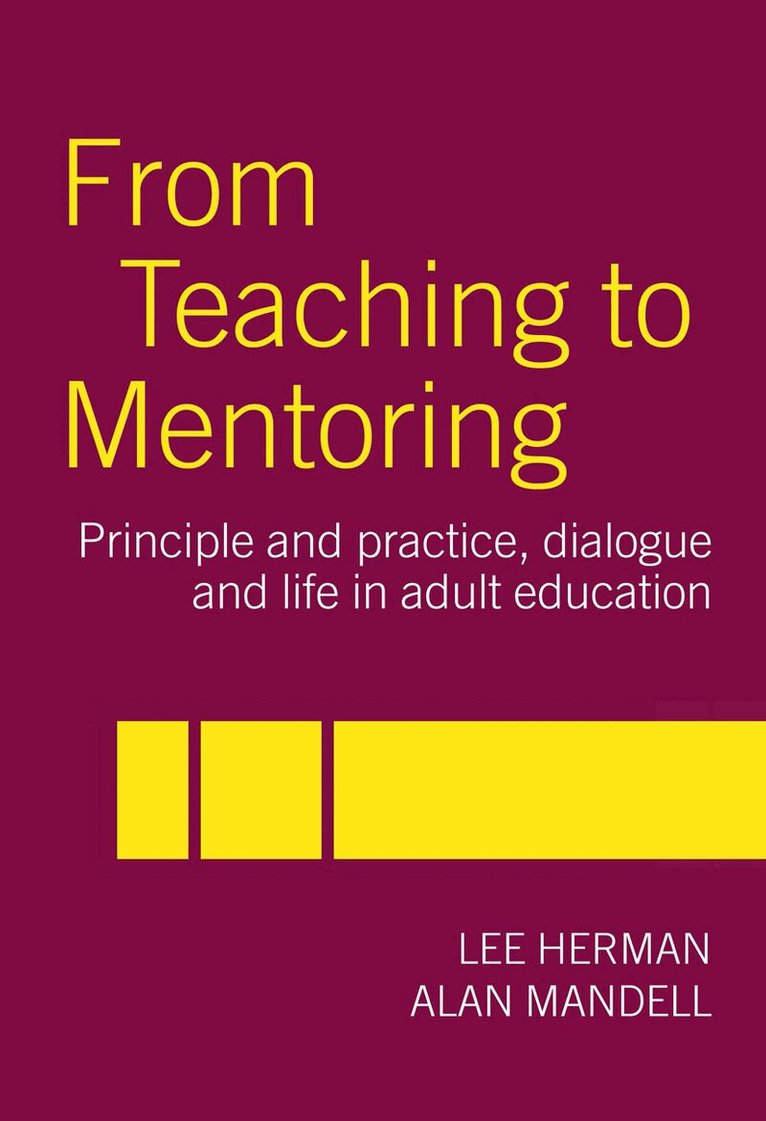
What is mentoring? What makes a teacher a mentor?From Teaching to Mentoring is an argument for the power, practicality and the basic good of a simple educational idea. The authors advocate a sound, comprehensive and lifelong education, shifting the emphasis of the learning process to the needs of the student. Whilst heeding traditional criteria of educational excellence, they ask for profound educational and political transformations:* Teachers become collaborative inquirers with their students* Students become skilled and lifelong independent learners* Academic institutions become learning communities embracing the full diversity of human curiosity and experience.The book covers discussion on what mentoring is, and why it is now so much in demand. It details the distinctive features of mentoring, including asking questions, students'' reflections and responses and collaborative curriculum planning.Drawing upon two decades of extensive research and practice, and using a variety of illuminating case studies, the authors offer a stimulating and thorough examination of mentoring. This combination of theory and practice will be invaluable to anyone involved in the teaching of adults in further and higher education, as well as university administrators, programme directors and developing and training officers.
455 kr
Skickas inom 10-15 vardagar