Alan Meaden – författare
Visar alla böcker från författaren Alan Meaden. Handla med fri frakt och snabb leverans.
14 produkter
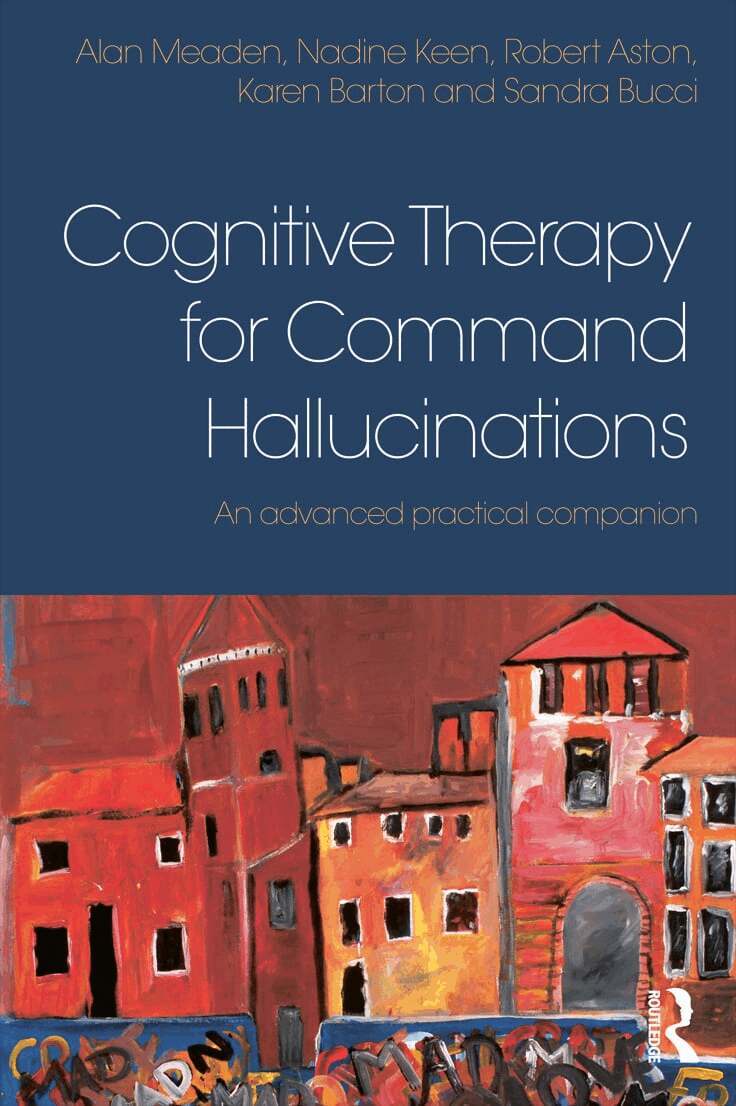
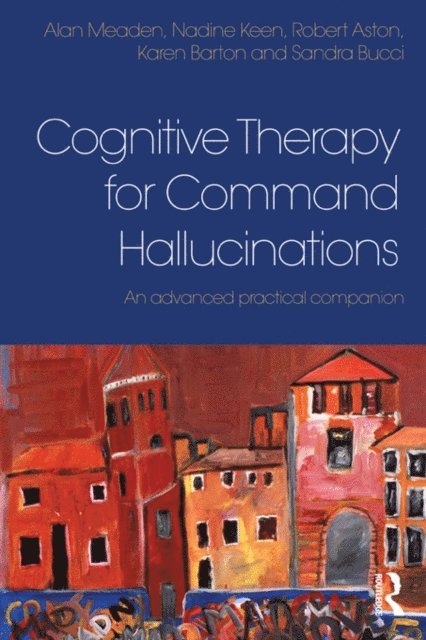
Cognitive Therapy for Command Hallucinations
An advanced practical companion
Av Alan Meaden, Nadine Keen m. fl.
Häftad, 2012
832 kr
Lägg i varukorg
Auditory hallucinations rank amongst the most treatment resistant symptoms of schizophrenia, with command hallucinations being the most distressing, high risk and treatment resistant of all.This new work provides clinicians with a detailed guide, illustrating in depth the techniques and strategies …
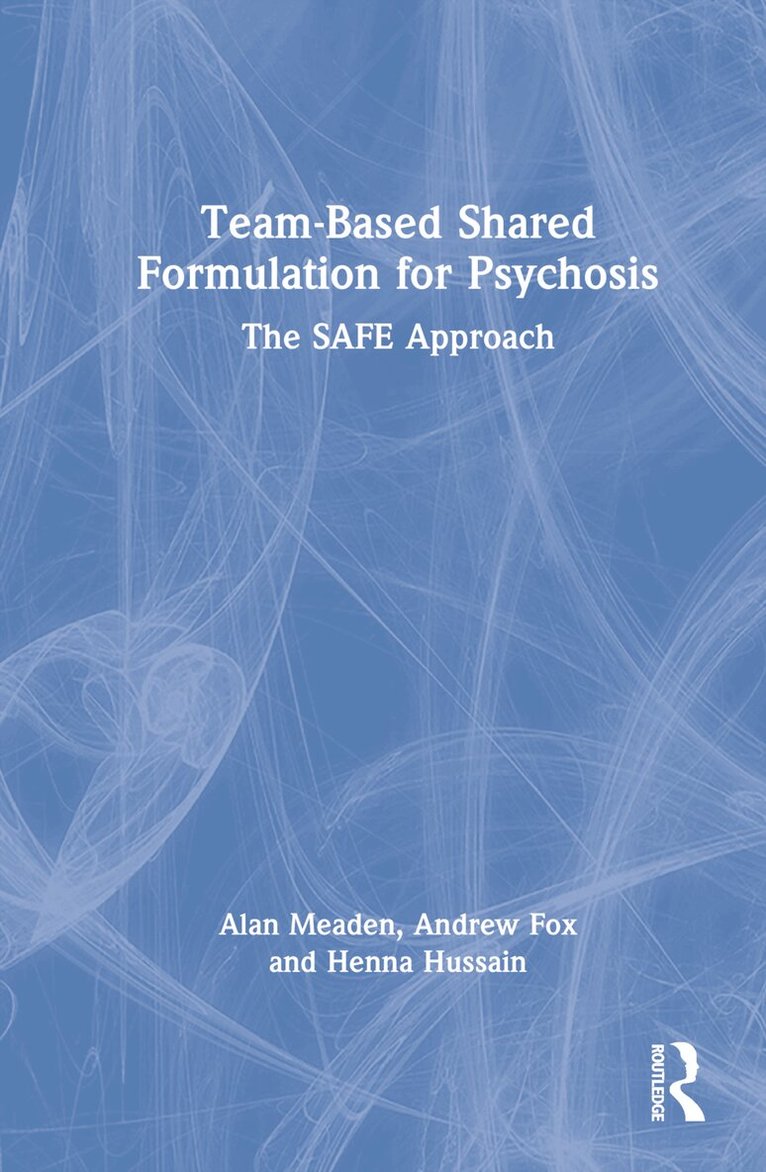
Team-Based Shared Formulation for Psychosis
The SAFE Approach
Av Alan Meaden, Andrew Fox m. fl.
Häftad, 2022
562 kr
Lägg i varukorg
Adding to the growing literature on shared formulation, the authors provide over two decades of practice-based evidence for the use of a Shared Assessment, Formulation and Education (SAFE) approach to working with those with complex mental health and behavioural needs. The SAFE approach offers an …
Team-Based Shared Formulation for Psychosis
The SAFE Approach
Av Alan Meaden, Andrew Fox m. fl.
Inbunden, 2022
2588 kr
Lägg i varukorg
Adding to the growing literature on shared formulation, the authors provide over two decades of practice-based evidence for the use of a Shared Assessment, Formulation and Education (SAFE) approach to working with those with complex mental health and behavioural needs. The SAFE approach offers an …
Cognitive Therapy for Command Hallucinations
An advanced practical companion
Av Alan Meaden, Nadine Keen m. fl.
Inbunden, 2012
2588 kr
Lägg i varukorg
Auditory hallucinations rank amongst the most treatment resistant symptoms of schizophrenia, with command hallucinations being the most distressing, high risk and treatment resistant of all.This new work provides clinicians with a detailed guide, illustrating in depth the techniques and strategies …
Innovations in Psychosocial Interventions for Psychosis
Working with the hard to reach
Inbunden, 2015
2588 kr
Lägg i varukorg
Despite the steady acceptance of psychological interventions for people with psychosis in routine practice many people continue to experience problems in their recovery. The need to develop new approaches, particularly for those who are more difficult to engage and have significant co-morbidities …
Innovations in Psychosocial Interventions for Psychosis
Working with the hard to reach
Häftad, 2015
742 kr
Lägg i varukorg
Despite the steady acceptance of psychological interventions for people with psychosis in routine practice many people continue to experience problems in their recovery. The need to develop new approaches, particularly for those who are more difficult to engage and have significant co-morbidities …
Team-Based Shared Formulation for Psychosis
The SAFE Approach
Av Henna Hussain, Andrew Fox m. fl.
E-bok, 2022
660 kr
Lägg i varukorg
Adding to the growing literature on shared formulation, the authors provide over two decades of practice-based evidence for the use of a Shared Assessment, Formulation and Education (SAFE) approach to working with those with complex mental health and behavioural needs. The SAFE approach offers an …
Team-Based Shared Formulation for Psychosis
The SAFE Approach
Av Henna Hussain, Andrew Fox m. fl.
E-bok, 2022
660 kr
Lägg i varukorg
Adding to the growing literature on shared formulation, the authors provide over two decades of practice-based evidence for the use of a Shared Assessment, Formulation and Education (SAFE) approach to working with those with complex mental health and behavioural needs. The SAFE approach offers an …
Cognitive Therapy for Command Hallucinations
An advanced practical companion
Av Sandra Bucci, Karen Barton m. fl.
E-bok, 2013
960 kr
Lägg i varukorg
Auditory hallucinations rank amongst the most treatment resistant symptoms of schizophrenia, with command hallucinations being the most distressing, high risk and treatment resistant of all. This new work provides clinicians with a detailed guide, illustrating in depth the techniques and strategies …
Cognitive Therapy for Command Hallucinations
An advanced practical companion
Av Sandra Bucci, Karen Barton m. fl.
E-bok, 2013
981 kr
Lägg i varukorg
Auditory hallucinations rank amongst the most treatment resistant symptoms of schizophrenia, with command hallucinations being the most distressing, high risk and treatment resistant of all. This new work provides clinicians with a detailed guide, illustrating in depth the techniques and strategies …
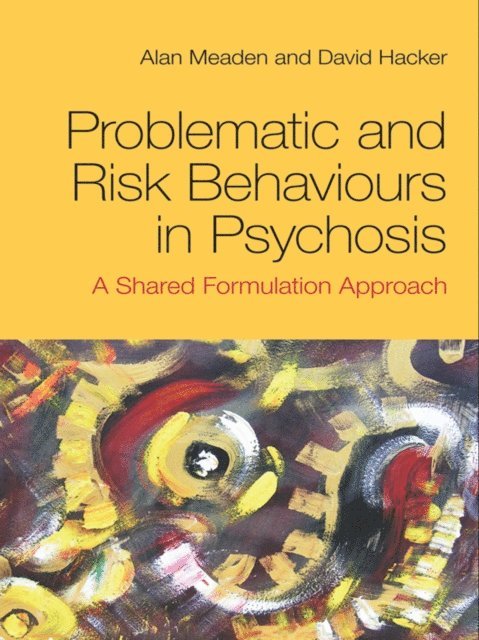
Problematic and Risk Behaviours in Psychosis
A Shared Formulation Approach
E-bok, 2010
768 kr
Lägg i varukorg
In spite of improved access to psychosocial interventions, many people with psychosis continue to experience persistent problems which act as significant barriers to their recovery. This book investigates risk and problem behaviours in psychosis, including staff and service factors that can impede …
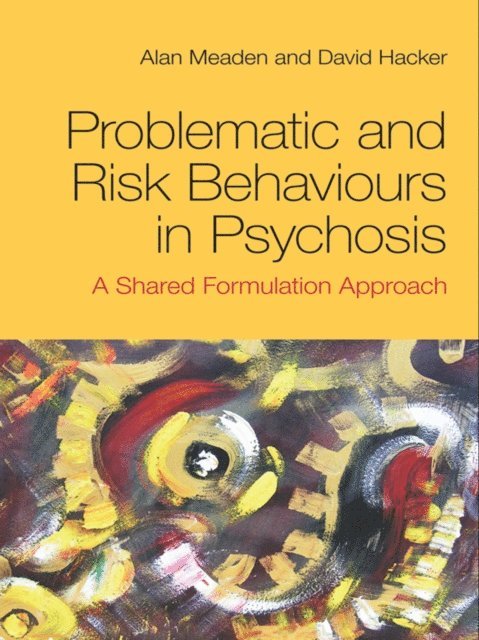
Problematic and Risk Behaviours in Psychosis
A Shared Formulation Approach
E-bok, 2010
785 kr
Lägg i varukorg
In spite of improved access to psychosocial interventions, many people with psychosis continue to experience persistent problems which act as significant barriers to their recovery. This book investigates risk and problem behaviours in psychosis, including staff and service factors that can impede …
Innovations in Psychosocial Interventions for Psychosis
Working with the hard to reach
E-bok, 2015
874 kr
Lägg i varukorg
Despite the steady acceptance of psychological interventions for people with psychosis in routine practice many people continue to experience problems in their recovery. The need to develop new approaches, particularly for those who are more difficult to engage and have significant co-morbidities …
Innovations in Psychosocial Interventions for Psychosis
Working with the hard to reach
E-bok, 2015
874 kr
Lägg i varukorg
Despite the steady acceptance of psychological interventions for people with psychosis in routine practice many people continue to experience problems in their recovery. The need to develop new approaches, particularly for those who are more difficult to engage and have significant co-morbidities …