Alan Strathern - Böcker
Visar alla böcker från författaren Alan Strathern. Handla med fri frakt och snabb leverans.
9 produkter
9 produkter
485 kr
Skickas inom 7-10 vardagar
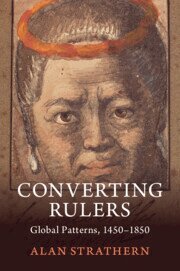
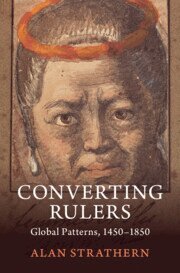
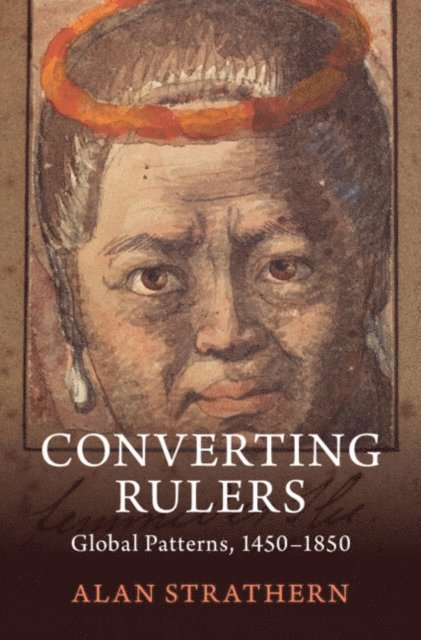
Why did so many rulers throughout history risk converting to a new religion brought by outsiders? In his award-winning Unearthly Powers (2019), Alan Strathern set out a theoretical framework for understanding the relation between religion and political authority based on a distinction between two kinds of religion - immanentism and transcendentalism - and the different ways they made monarchy sacred. This ambitious and innovative companion volume tests and substantiates this approach using case studies from Kongo (1480–1530), Japan (1560–1614), Ayutthaya (Thailand, 1660–1690) and Hawaii (1800–1830). Through in-depth analysis of key turning points in the careers of warlords, chiefs and kings, a tapestry of unique characters and stories is brought to light. However, these examples ultimately demonstrate that global patterns of conversion can be established to illuminate the religious geography of the world today.
370 kr
Skickas inom 7-10 vardagar
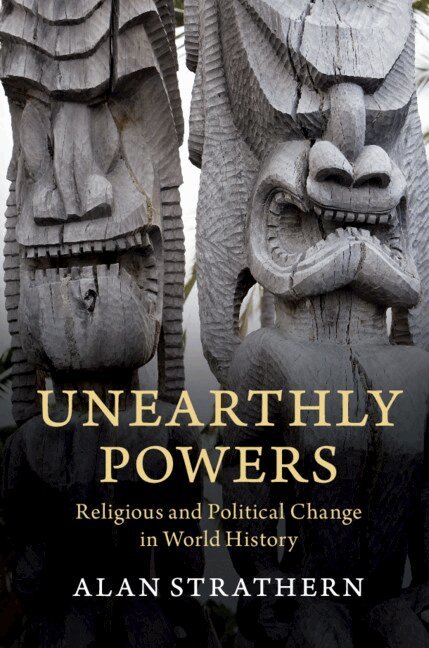
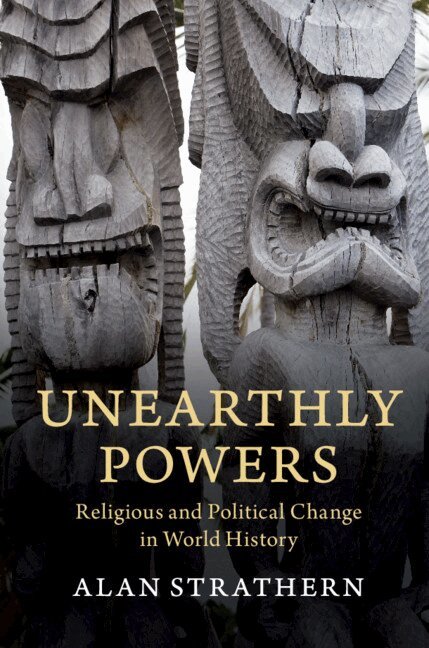
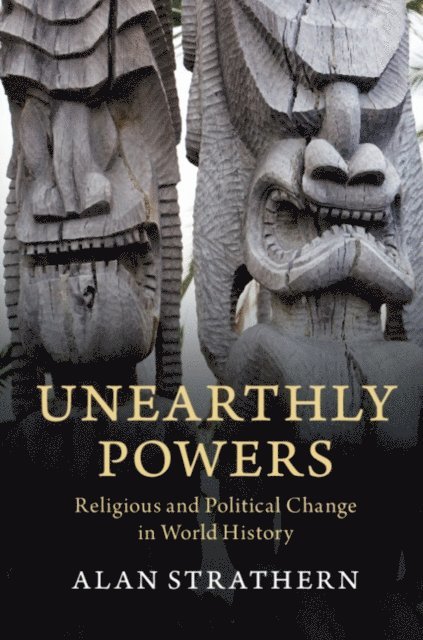
Why was religion so important for rulers in the pre-modern world? And how did the world come to be dominated by just a handful of religious traditions, especially Christianity, Islam, and Buddhism? Drawing on sociology and anthropology, as well as a huge range of historical literature from all regions and periods of world history, Alan Strathern sets out a new way of thinking about transformations in the fundamental nature of religion and its interaction with political authority. His analysis distinguishes between two quite different forms of religiosity - immanentism, which focused on worldly assistance, and transcendentalism, which centred on salvation from the human condition - and shows how their interaction shaped the course of history. Taking examples drawn from Ancient Rome to the Incas or nineteenth-century Tahiti, a host of phenomena, including sacred kingship, millenarianism, state-church struggles, reformations, iconoclasm, and, above all, conversion are revealed in a new light.
331 kr
Skickas inom 7-10 vardagar
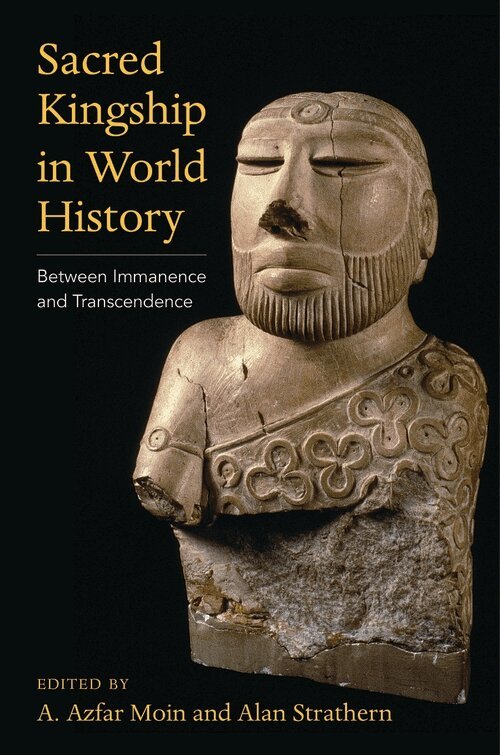
Sacred kingship has been the core political form, in small-scale societies and in vast empires, for much of world history. This collaborative and interdisciplinary book recasts the relationship between religion and politics by exploring this institution in long-term and global comparative perspective.Editors A. Azfar Moin and Alan Strathern present a theoretical framework for understanding sacred kingship, which leading scholars reflect on and respond to in a series of essays. They distinguish between two separate but complementary religious tendencies, immanentism and transcendentalism, which mold kings into divinized or righteous rulers, respectively. Whereas immanence demands priestly and cosmic rites from kings to sustain the flourishing of life, transcendence turns the focus to salvation and subordinates rulers to higher ethical objectives. Secular modernity does not end the struggle between immanence and transcendence—flourishing and righteousness—but only displaces it from kings onto nations and individuals. After an essay by Marshall Sahlins that ranges from the Pacific to the Arctic, the book contains chapters on religion and kingship in settings as far-flung as ancient Egypt, classical Greece, medieval Islam, Mughal India, modern European drama, and ISIS. Sacred Kingship in World History sheds new light on how religion has constructed rulership, with implications spanning global history, religious studies, political theory, and anthropology.
1 302 kr
Skickas inom 7-10 vardagar
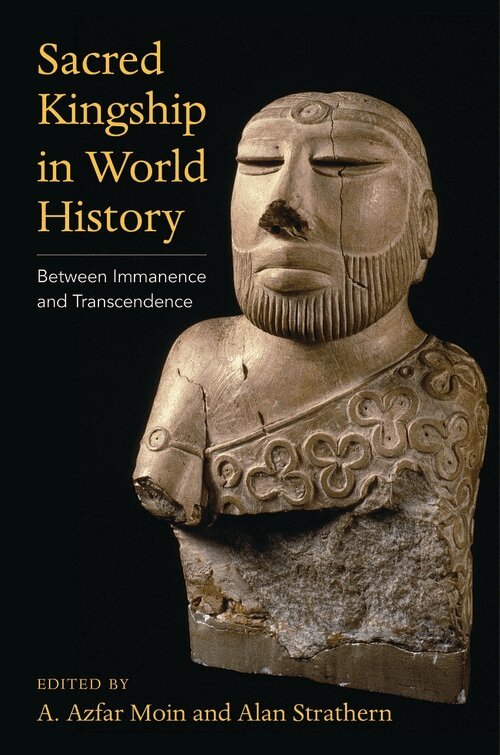
Sacred kingship has been the core political form, in small-scale societies and in vast empires, for much of world history. This collaborative and interdisciplinary book recasts the relationship between religion and politics by exploring this institution in long-term and global comparative perspective.Editors A. Azfar Moin and Alan Strathern present a theoretical framework for understanding sacred kingship, which leading scholars reflect on and respond to in a series of essays. They distinguish between two separate but complementary religious tendencies, immanentism and transcendentalism, which mold kings into divinized or righteous rulers, respectively. Whereas immanence demands priestly and cosmic rites from kings to sustain the flourishing of life, transcendence turns the focus to salvation and subordinates rulers to higher ethical objectives. Secular modernity does not end the struggle between immanence and transcendence—flourishing and righteousness—but only displaces it from kings onto nations and individuals. After an essay by Marshall Sahlins that ranges from the Pacific to the Arctic, the book contains chapters on religion and kingship in settings as far-flung as ancient Egypt, classical Greece, medieval Islam, Mughal India, modern European drama, and ISIS. Sacred Kingship in World History sheds new light on how religion has constructed rulership, with implications spanning global history, religious studies, political theory, and anthropology.
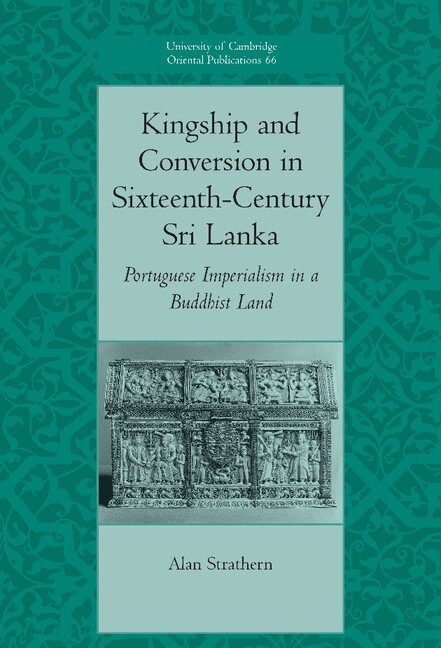
Del 66 - University of Cambridge Oriental Publications
Kingship and Conversion in Sixteenth-Century Sri Lanka
Portuguese Imperialism in a Buddhist Land
Inbunden, Engelska, 2007
1 282 kr
Skickas inom 7-10 vardagar
When the Portuguese arrived on the shores of Sri Lanka in 1506, they opened an era in which religious identity became central to struggles for power on the island. During the reign of King Bhuvanekabahu VII (1521-51), they became the first European empire to dominate Lankan politics. This book sets out to explain the behaviour of the Portuguese and the Sinhalese as their relationship evolved over the century. Topics covered include the nature of Portuguese imperialism and indigenous state power in the earlier decades, the impact of Catholic mission on this Buddhist society and how this was shaped by local principles of caste, land tenure and religious thought, and the issue of identity. It reveals how indigenist, dynastic, and religious loyalties shaped the increasingly violent conflicts of the later decades. The principal concern is the sacred legitimization of kingship: why was Christian monarchy never truly established in Sri Lanka?
531 kr
Skickas inom 5-8 vardagar
601 kr
Skickas inom 5-8 vardagar
1 255 kr
Tillfälligt slut
Why was religion so important for rulers in the pre-modern world? And how did the world come to be dominated by just a handful of religious traditions, especially Christianity, Islam, and Buddhism? Drawing on sociology and anthropology, as well as a huge range of historical literature from all regions and periods of world history, Alan Strathern sets out a new way of thinking about transformations in the fundamental nature of religion and its interaction with political authority. His analysis distinguishes between two quite different forms of religiosity - immanentism, which focused on worldly assistance, and transcendentalism, which centred on salvation from the human condition - and shows how their interaction shaped the course of history. Taking examples drawn from Ancient Rome to the Incas or nineteenth-century Tahiti, a host of phenomena, including sacred kingship, millenarianism, state-church struggles, reformations, iconoclasm, and, above all, conversion are revealed in a new light.
1 850 kr
Skickas inom 7-10 vardagar
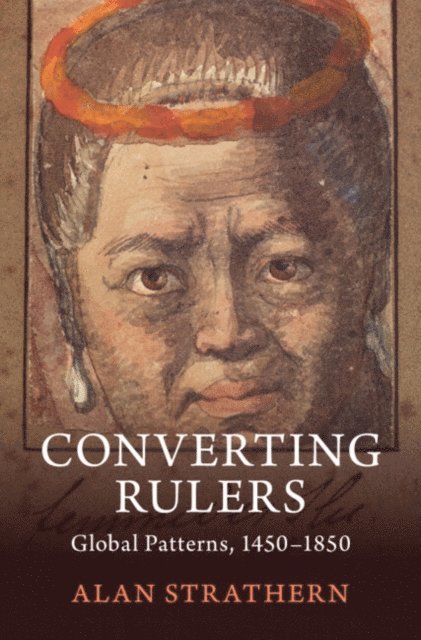
Why did so many rulers throughout history risk converting to a new religion brought by outsiders? In his award-winning Unearthly Powers (2019), Alan Strathern set out a theoretical framework for understanding the relation between religion and political authority based on a distinction between two kinds of religion - immanentism and transcendentalism - and the different ways they made monarchy sacred. This ambitious and innovative companion volume tests and substantiates this approach using case studies from Kongo (1480–1530), Japan (1560–1614), Ayutthaya (Thailand, 1660–1690) and Hawaii (1800–1830). Through in-depth analysis of key turning points in the careers of warlords, chiefs and kings, a tapestry of unique characters and stories is brought to light. However, these examples ultimately demonstrate that global patterns of conversion can be established to illuminate the religious geography of the world today.