Alastor, the son of an iron-master, has no inclination to follow his father’s trade, preferring to work with wood. He and his musically-talented sister Catrianne leave the foundry to go and live in a town, where Alastor soon begins to specialize in making musical instruments. One day, while delivering an unusual musical instrument to a hamlet high in the mountains, he is thrown by his horse during a storm. Temporarily lame, he is forced to take refuge in a strange cabin in the forest, where the mysterious Melusine lived with her daughter Lucinia. When Alastor returns to the town, he takes Lucinia with him and marries her. They have two children, Handsel and Chanterelle. Everything goes well with the family until disaster strikes, leaving Catrianne in sole charge of the children, obliged to seek shelter first at the iron-master’s foundry and then at the cabin in the mountains, where a great many surprises await them regarding their own identity and the peril overhanging the forest and the world of Faerie, which is under threat of extinction. Perhaps something can be saved, and if it can, the key to its salvation might lie, at least in part, in Catrianne’s music, Handsel’s uniqueness, and Chanterelle’s dreams.
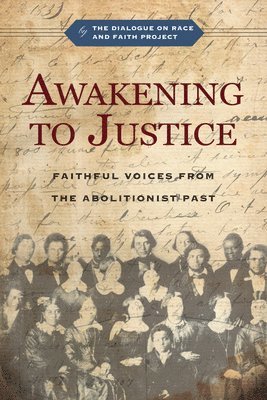
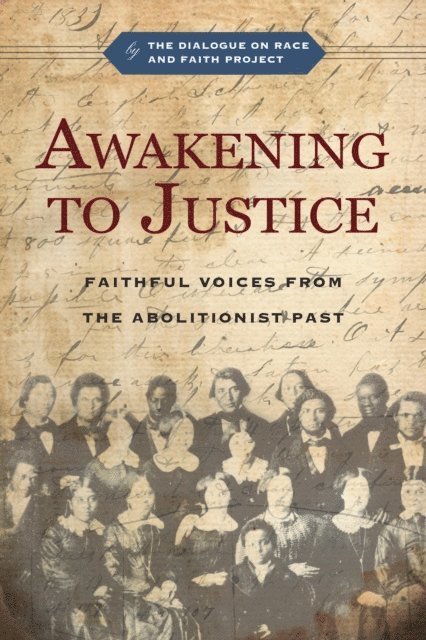
"O where are the sympathies of Christians for the slave and where are their exertions for their liberation? . . . It seems as if the church were asleep."David Ingraham, 1839In 2015, the historian Chris Momany helped discover a manuscript that had been forgotten in a storage closet at Adrian College in Michigan. He identified it as the journal of a nineteenth-century Christian abolitionist and missionary, David Ingraham. As Momany and a fellow historian Doug Strong pored over the diary, they realized that studying this document could open new conversations for twenty-first-century Christians to address the reality of racism today. They invited a multiracial team of fourteen scholars to joinin, thus launching the Dialogue on Race and Faith Project.Awakening to Justice presents the groundbreaking work of these scholars. In addition to reflecting on Ingraham''s journal, chapters also explore the life and writings of two ofIngraham''s Black colleagues, James Bradley and Nancy Prince. Appendixes feature writings by all three abolitionists so readers can engage the primary sources directly.Through considering connections between the revivalist, holiness, and abolitionist movements; the experiences of enslaved and freed people; abolitionists'' spiritual practices; various tactics used by abolitionists; and other themes, the authors offer insight and hope for Christians concerned about racial justice. They highlight how Christians associated with Charles Finney''s style of revivalism formed intentional, countercultural communities such as Oberlin College to be exemplars of interracial cooperation and equality.Christians have all too often compromised with racism throughout history, but that''s not the whole story. Hearing the prophetic witness of revivalist social justice efforts in the nineteenth century can provide a fresh approach to today''s conversations about race and faith in the church.
When Christian Shearcliff stumbled across three of the most powerful artifacts in existence, he thought he had it made. However, power comes with a price. Now cursed with long-dead spirits haunting his dreams and hunted by one of the most corrupt and dangerous men on the continent, Chris finds himself walking a dangerous path. Luckily for him, hes not alone. Joined by a godless cleric, a bloodthirsty knight, an elven mage, and his estranged sister, Chris and his friends do everything they can to get by and maybe even get rich.
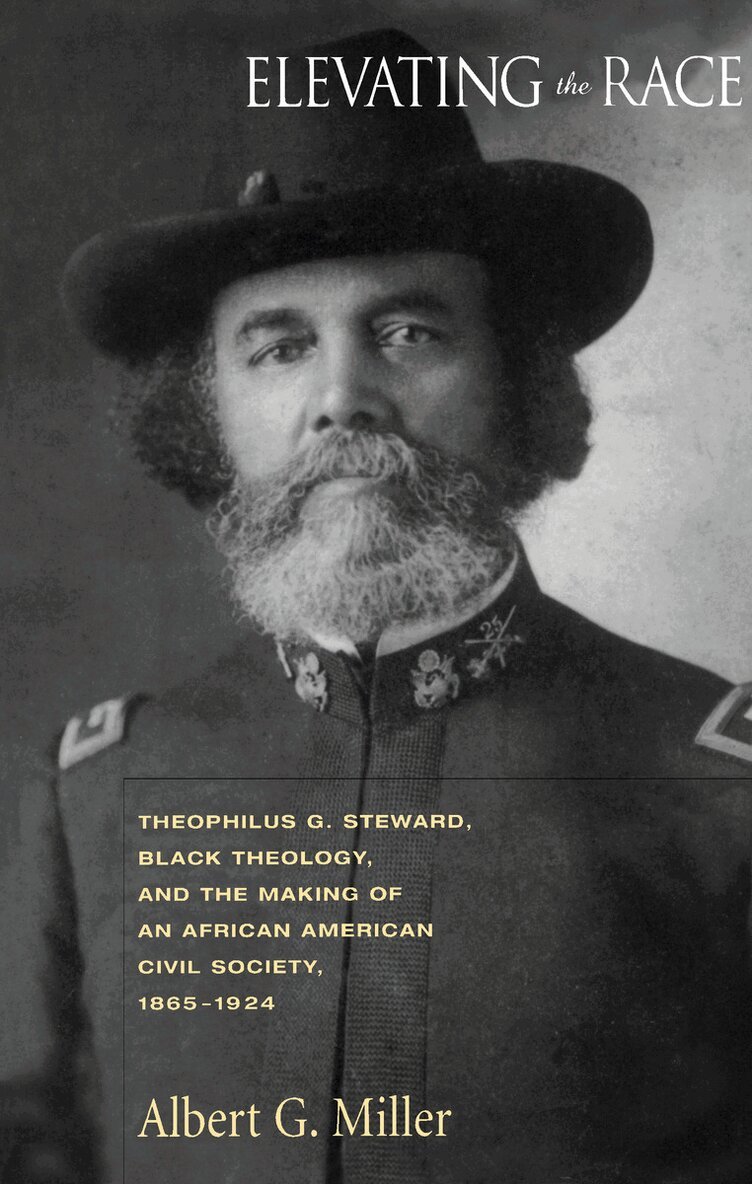
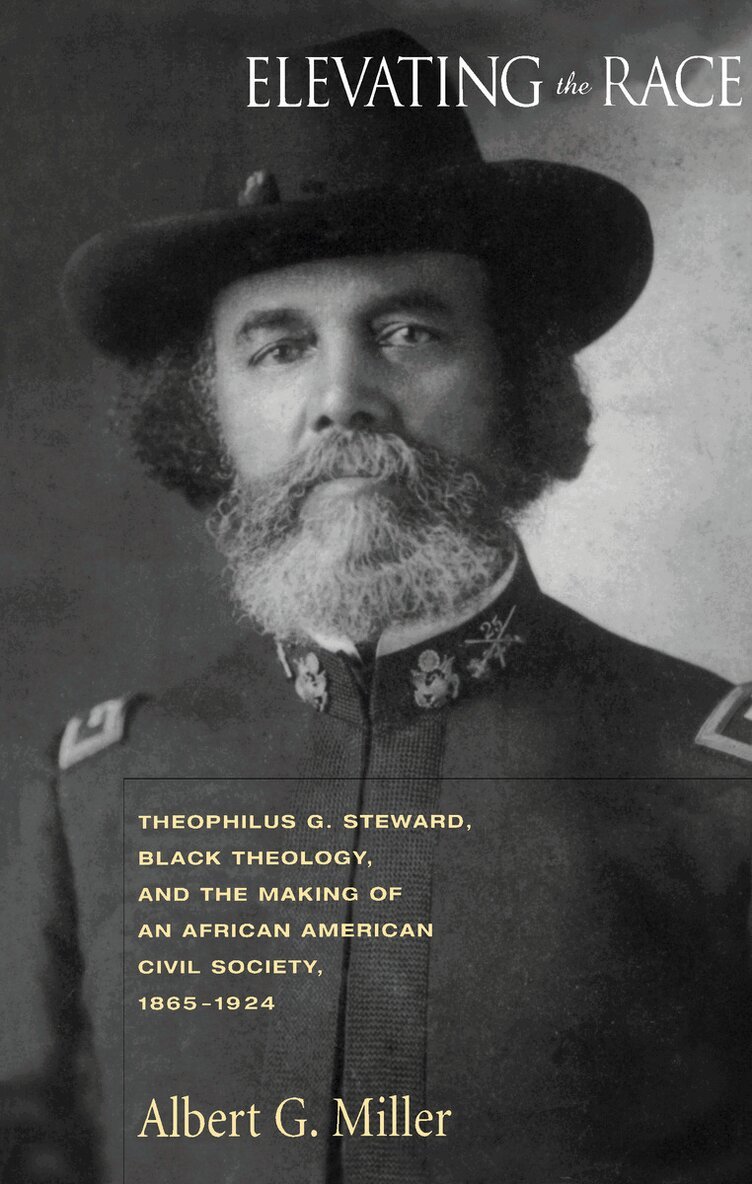
As a minister in the African Methodist Episcopal Church, an army chaplain, a college professor, and a prolific writer, Theophilus Gould Steward was one of America’s leading black intellectuals during the half-century following Emancipation. He was not only a theologian deeply committed to challenging his church’s outlook, he also epitomized postbellum efforts to create an African American civil society through religious, educational, and social institutions integral to citizenship.Steward actively constructed a theological discourse that challenged both black and white religious and secular institutions, yet his tenacious pursuit of high standards often led him into conflict with the very community he served. A. G. Miller takes a new look at this key figure in African American history to establish Steward’s place among the most influential thinkers and activists of the late nineteenth century. Augmenting what is already known about Steward’s life with a thoughtful combination of intellectual and social history, Miller presents Steward’s ideas within the context of the social, political, economic, and religious trends of his day.Miller examines Steward’s accomplishments and writings—including his unpublished manuscripts and his overlooked Victorian novel—to assess the ideas that he left to posterity and to consider how they shaped his times. The book devotes individual chapters to the key themes that dominated Steward’s life: African American education, reconciling theology with modern science, the intersection of rational theology and moral virtues, the contradictions of race, the role of women in African American civil society, and Steward’s views on the military and imperialism.With great insight and clarity, Miller discloses in a new and original way the rich life and thought of this extraordinary man. His study is both a groundbreaking analysis of Steward’s legacy and an important contribution to the history of American religious thought.