Alberto Esu – författare
Visar alla böcker från författaren Alberto Esu. Handla med fri frakt och snabb leverans.
7 produkter
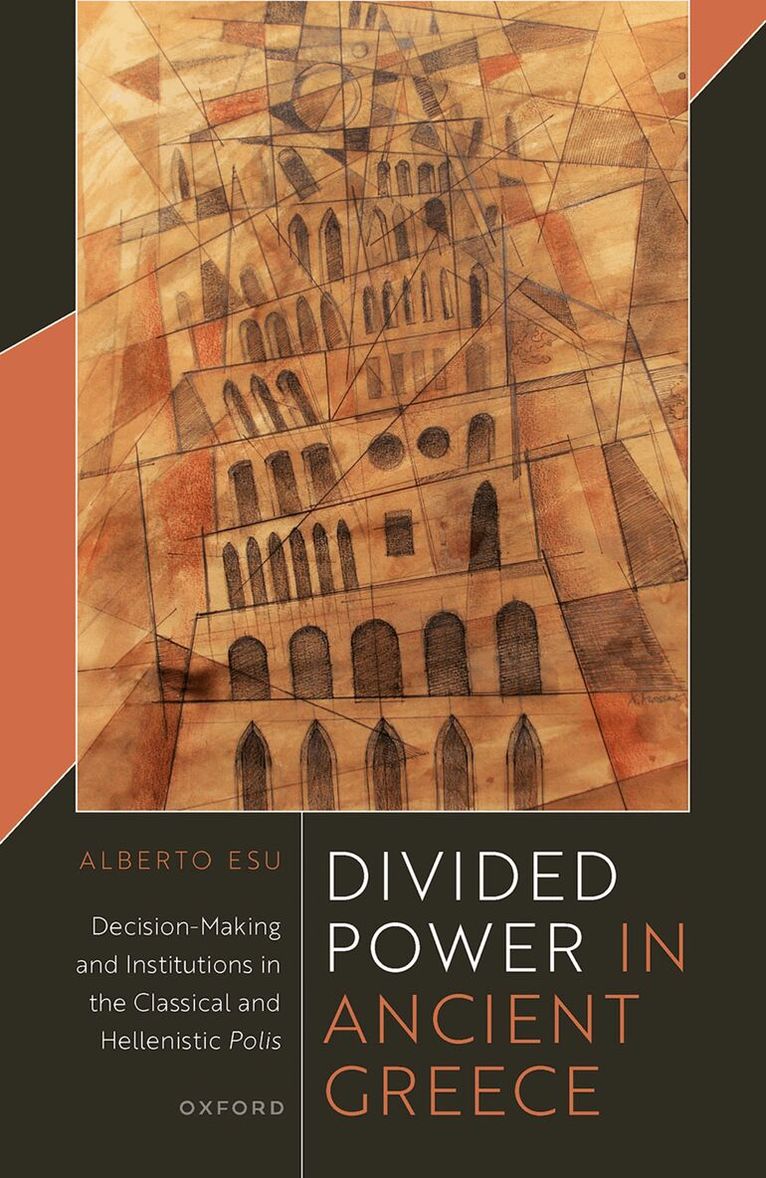
Divided Power in Ancient Greece
Decision-Making and Institutions in the Classical and Hellenistic Polis
Av Alberto Esu
Inbunden, 2024
1958 kr
Lägg i varukorg
How did the division of power work in Ancient Greece? This groundbreaking study reveals Ancient Greek political decision-making to be a multi-layered system of delegation and legal control. Scholars have previously examined the nature and locus of sovereignty in the Classical and Hellenistic Greek …
Divided Power in Ancient Greece
Decision-Making and Institutions in the Classical and Hellenistic Polis
Av Alberto Esu
E-bok, 2024
1338 kr
Lägg i varukorg
How did the division of power work in Ancient Greece? This groundbreaking study reveals Ancient Greek political decision-making to be a multi-layered system of delegation and legal control. Scholars have previously examined the nature and locus of sovereignty in the Classical and Hellenistic Greek …
Divided Power in Ancient Greece
Decision-Making and Institutions in the Classical and Hellenistic Polis
Av Alberto Esu
E-bok, 2024
1248 kr
Lägg i varukorg
How did the division of power work in Ancient Greece? This groundbreaking study reveals Ancient Greek political decision-making to be a multi-layered system of delegation and legal control. Scholars have previously examined the nature and locus of sovereignty in the Classical and Hellenistic Greek …
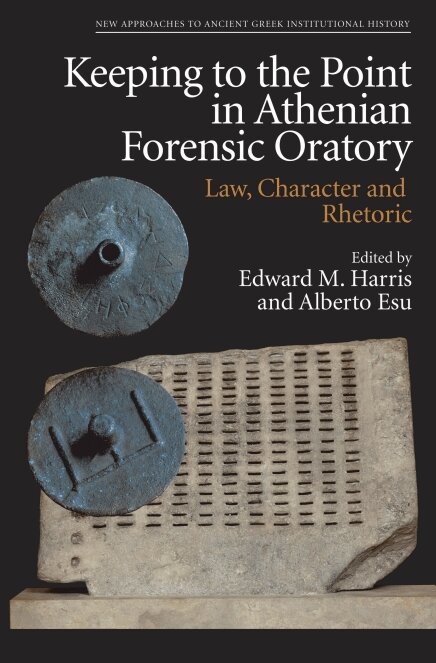
Keeping to the Point in Athenian Forensic Oratory
Law, Character and Rhetoric
Av Edward M Harris, Alberto Esu
Inbunden, 2025
1816 kr
Lägg i varukorg
When a litigant initiated a lawsuit in Classical Athens, he submitted a written plaint to the relevant magistrate. This document contained his name, the name of the defendant, the legal procedure employed, and the specific violations of part of the law. If the magistrate accepted the plaint, the …
Keeping to the Point in Athenian Forensic Oratory
Law, Character and Rhetoric
Av Edward M Harris, Alberto Esu
Häftad, 2026
475 kr
Lägg i varukorg
When a litigant initiated a lawsuit in Classical Athens, he submitted a written plaint to the relevant magistrate. This document contained his name, the name of the defendant, the legal procedure employed, and the specific violations of part of the law. If the magistrate accepted the plaint, the …
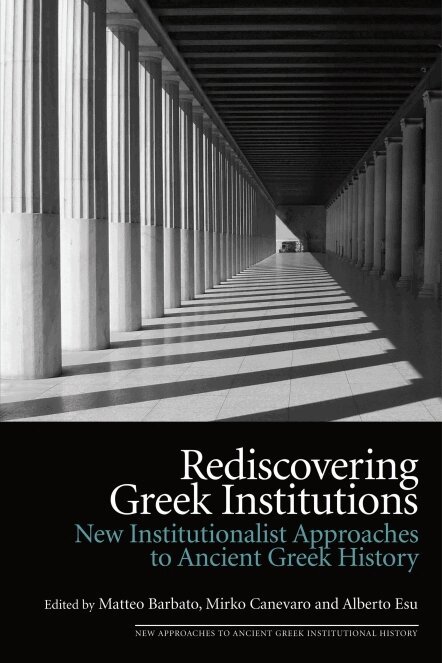
Rediscovering Greek Institutions
New Institutionalist Approaches to Ancient Greek History
Av Matteo Barbato, Mirko Canevaro m. fl.
Inbunden, 2025
2183 kr
Lägg i varukorg
Rediscovering Greek Institutions offers a fresh perspective on the study of ancient Greek institutions by integrating New Institutionalism-inspired approaches from political science. While traditional scholarship has often focused on constitutional design, formal rules and legal procedures, a shift …
Rediscovering Greek Institutions
New Institutionalist Approaches to Ancient Greek History
Av Matteo Barbato, Mirko Canevaro m. fl.
Häftad, 2027
385 kr
Kommande
Rediscovering Greek Institutions offers a fresh perspective on the study of ancient Greek institutions by integrating New Institutionalism-inspired approaches from political science. While traditional scholarship has often focused on constitutional design, formal rules and legal procedures, a shift …