Alberto Moncada – författare
Visar alla böcker från författaren Alberto Moncada. Handla med fri frakt och snabb leverans.
10 produkter
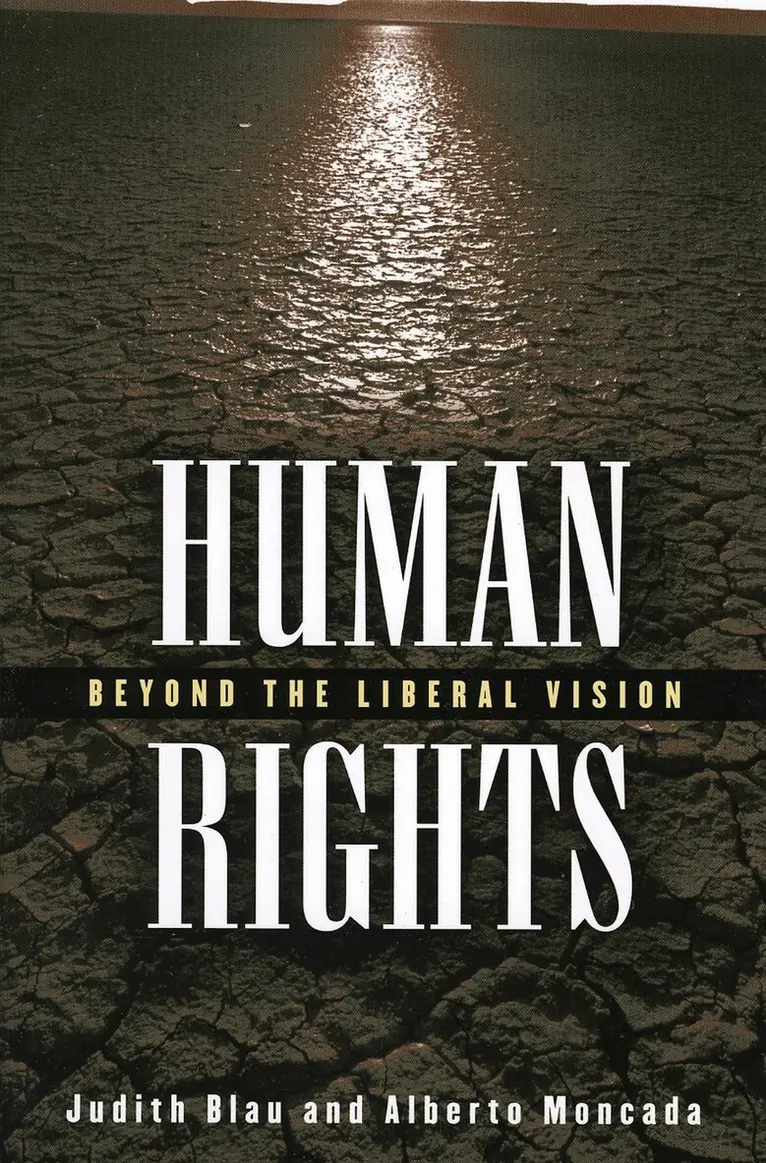
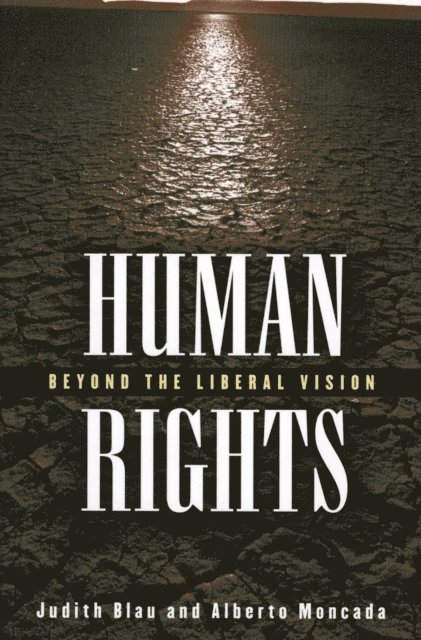
Human Rights
Beyond the Liberal Vision
Av Judith Blau, Alberto Moncada
Häftad, 2005
516 kr
Lägg i varukorg
There is growing recognition around the globe that people's fundamental human rights are being imperiled in a world economy that is being driven by multinationals, investors, and banks. The "race to the bottom" and insatiable greed has intensified poverty and economic inequalities, fueled …
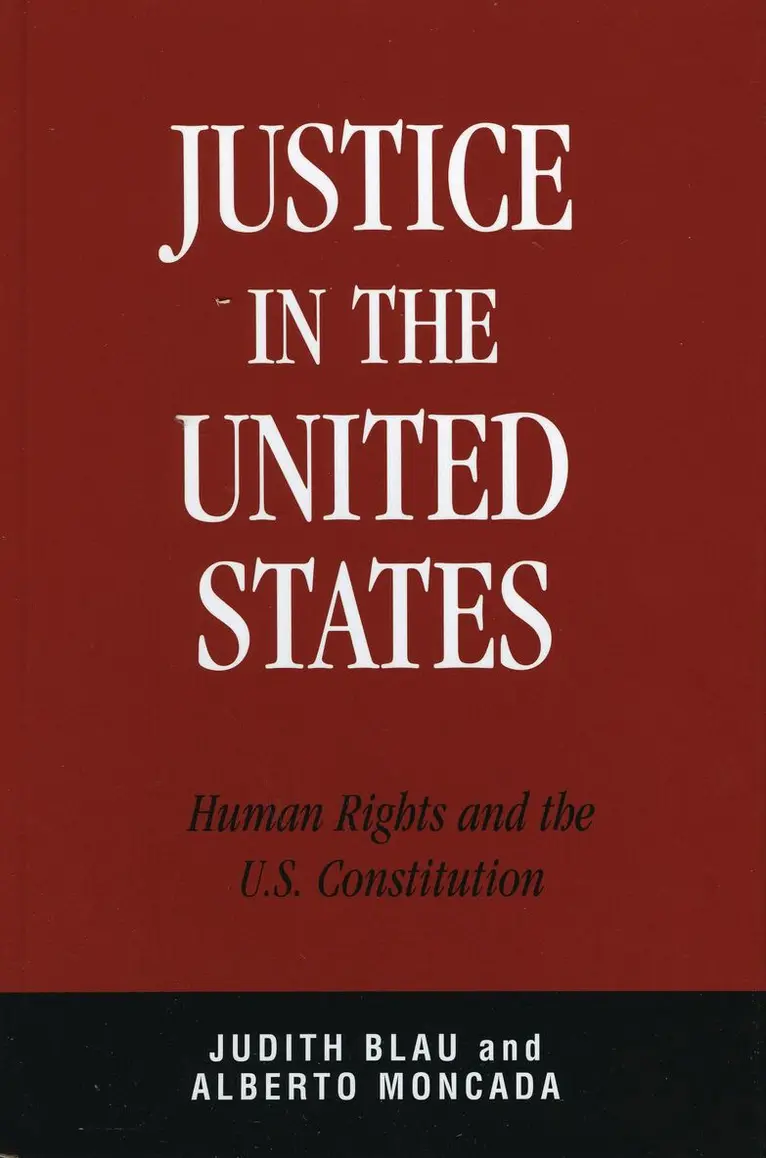
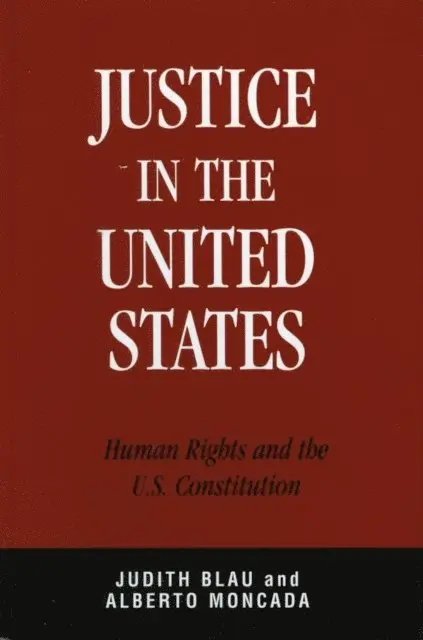
Justice in the United States
Human Rights and the Constitution
Av Judith Blau, Alberto Moncada
Inbunden, 2006
1439 kr
Lägg i varukorg
Justice in the U.S. is a sequel to Human Rights: Beyond the Liberal Vision, and the second in a trilogy on human rights. The Bill of Rights of the U.S. Constitution explicitly clarifies the personal political and civil rights of persons, and by court interpretation, the rights of corporations. Yet …
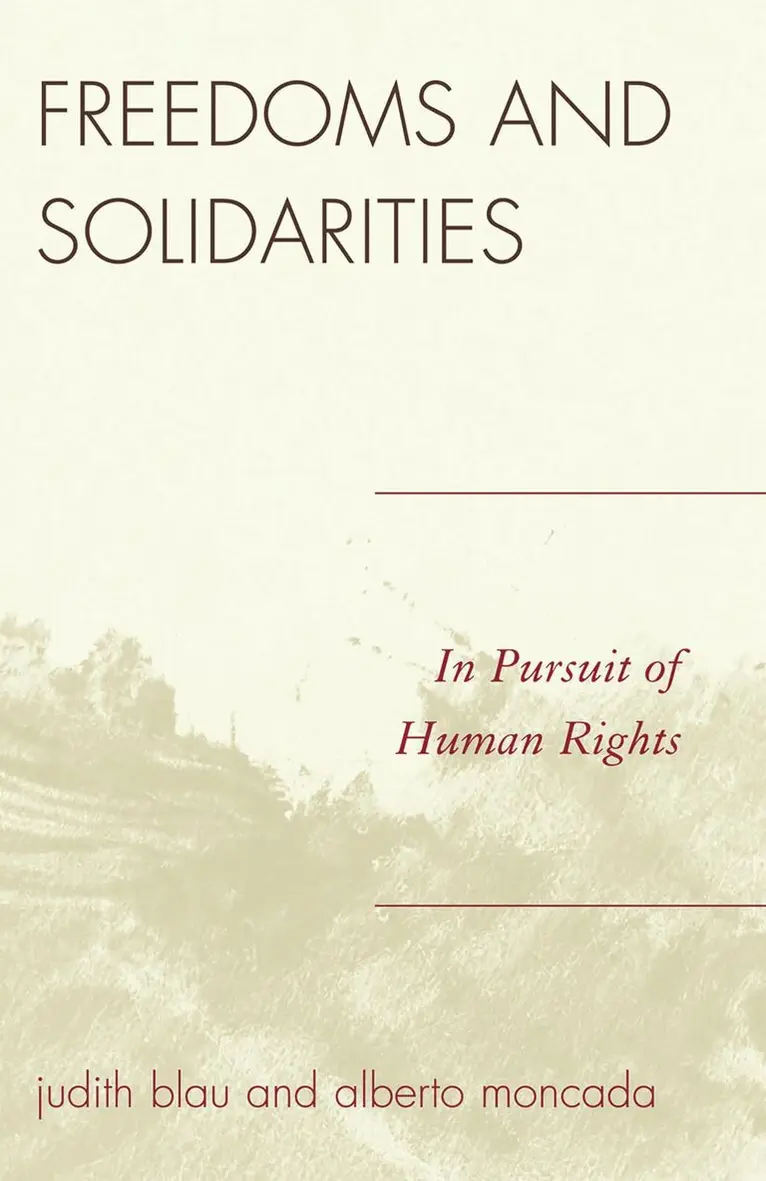
Freedoms and Solidarities
In Pursuit of Human Rights
Av Judith Blau, Alberto Moncada
Inbunden, 2007
1705 kr
Lägg i varukorg
Much has been written about growing global disparities in wealth and resources, how global capitalism has adversely affected human populations and the environment, and the dangers that a unipolar world order poses to peace and global pluralism. After summarizing the evidence for these arguments, …
Freedoms and Solidarities
In Pursuit of Human Rights
Av Judith Blau, Alberto Moncada
Häftad, 2007
615 kr
Lägg i varukorg
Much has been written about growing global disparities in wealth and resources, how global capitalism has adversely affected human populations and the environment, and the dangers that a unipolar world order poses to peace and global pluralism. After summarizing the evidence for these arguments, …
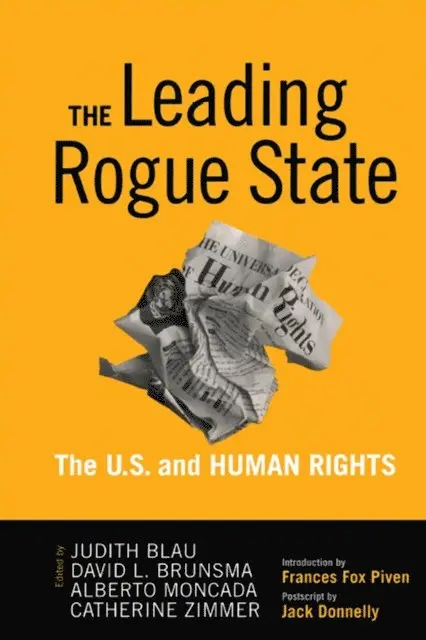
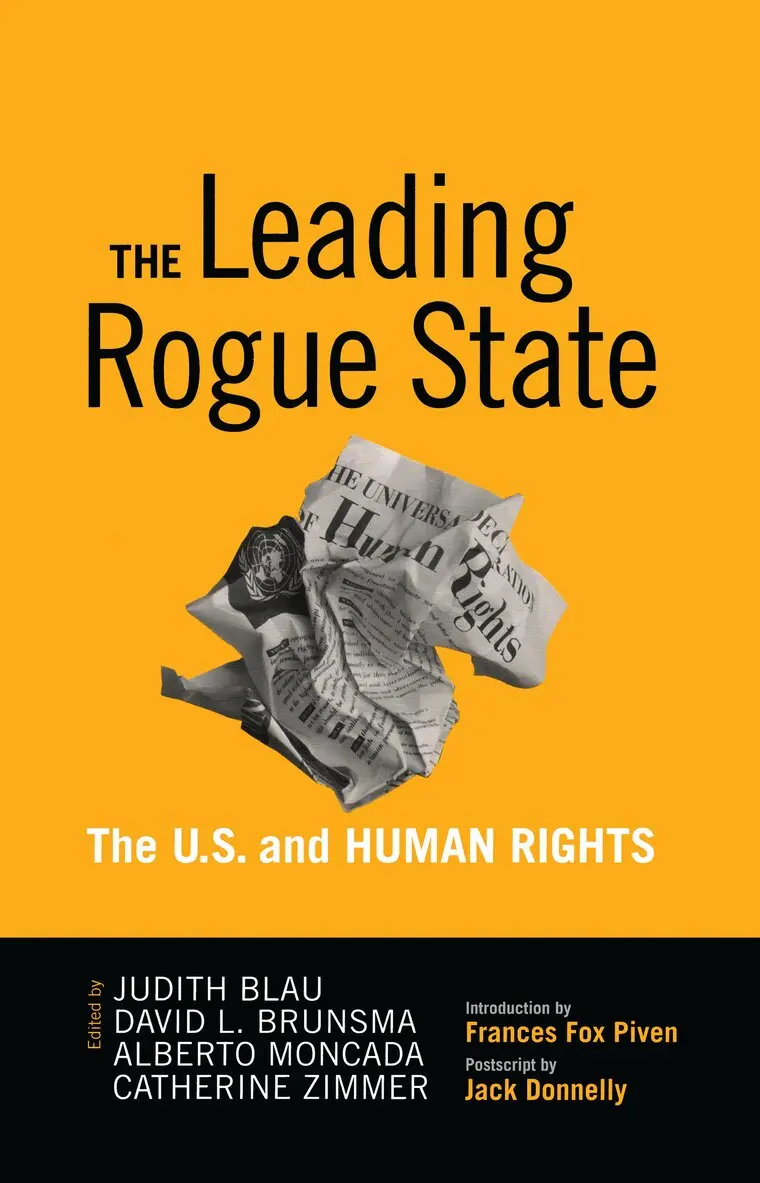
Leading Rogue State
The U.S. and Human Rights
Av Catherine Zimmer, Alberto Moncada m. fl.
E-bok, 2015
892 kr
Lägg i varukorg
Most Americans would be surprised to learn that their government has declined to join most other nations in UN treaties addressing inadequate housing, poverty, children''s rights, health care, racial discrimination, and migrant workers. Yet this book documents how the U.S. has, for decades, …
Leading Rogue State
The U.S. and Human Rights
Av Catherine Zimmer, Alberto Moncada m. fl.
E-bok, 2015
892 kr
Lägg i varukorg
Most Americans would be surprised to learn that their government has declined to join most other nations in UN treaties addressing inadequate housing, poverty, children''s rights, health care, racial discrimination, and migrant workers. Yet this book documents how the U.S. has, for decades, …
Human Rights
Beyond the Liberal Vision
Av Judith Blau, Alberto Moncada
E-bok, 2005
549 kr
Lägg i varukorg
There is growing recognition around the globe that people''s fundamental human rights are being imperiled in a world economy that is being driven by multinationals, investors, and banks. The "race to the bottom" and insatiable greed has intensified poverty and economic inequalities, fueled …
Justice in the United States
Human Rights and the Constitution
Av Judith Blau, Alberto Moncada
E-bok, 2006
1677 kr
Lägg i varukorg
Justice in the U.S. is a sequel to Human Rights: Beyond the Liberal Vision , and the second in a trilogy on human rights. The Bill of Rights of the U.S. Constitution explicitly clarifies the personal political and civil rights of persons, and by court interpretation, the rights of corporations. Yet …
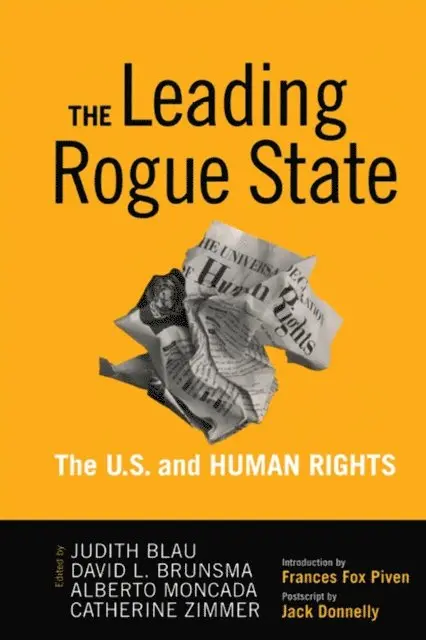
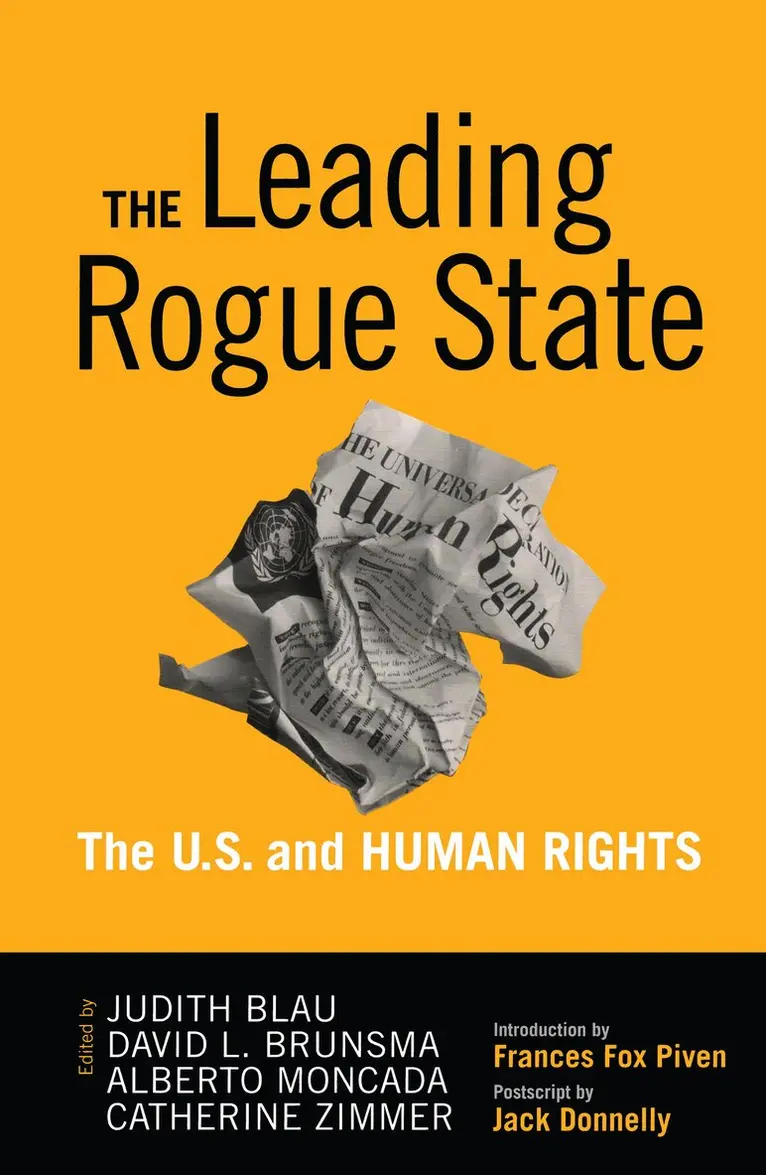
Leading Rogue State
The U.S. and Human Rights
Av Judith R. Blau, David L. Brunsma m. fl.
Inbunden, 2008
3496 kr
Lägg i varukorg
Most Americans would be surprised to learn that their government has declined to join most other nations in UN treaties addressing inadequate housing, poverty, children's rights, health care, racial discrimination, and migrant workers. Yet this book documents how the U.S. has, for decades, declined …
Leading Rogue State
The U.S. and Human Rights
Av Judith R. Blau, David L. Brunsma m. fl.
Häftad, 2009
758 kr
Lägg i varukorg
Most Americans would be surprised to learn that their government has declined to join most other nations in UN treaties addressing inadequate housing, poverty, children's rights, health care, racial discrimination, and migrant workers. Yet this book documents how the U.S. has, for decades, declined …