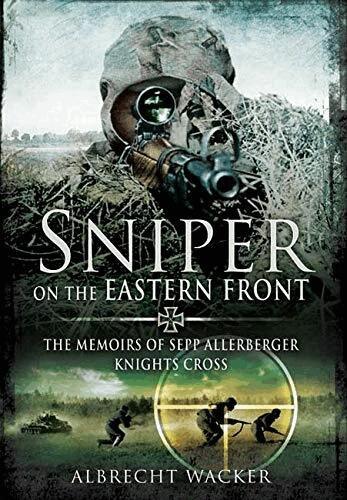
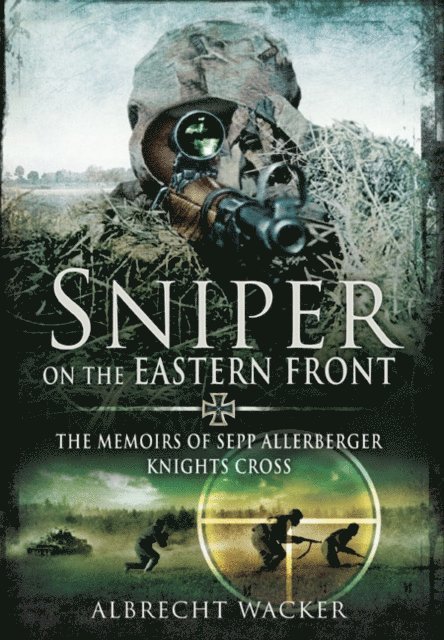
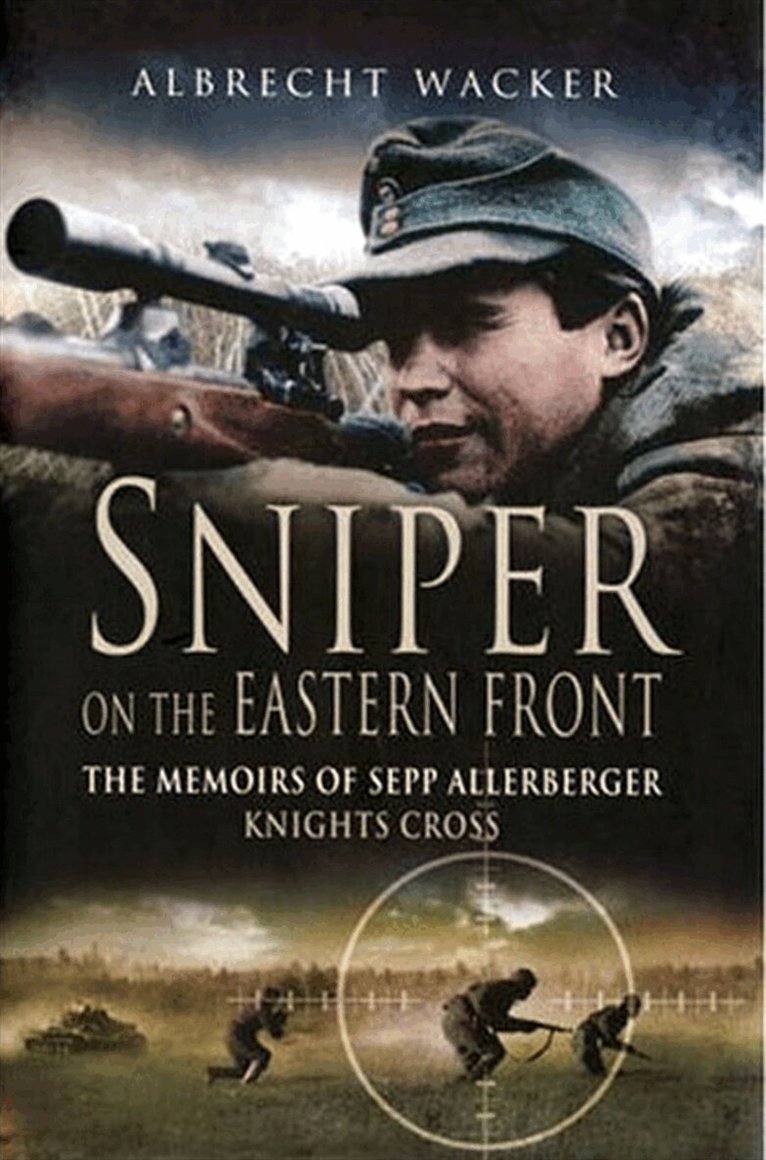
This book is a rare first-hand account by a ruthlessly efficient German sniper of life and death during the bitter conflict that followed the Nazi invasion of Russia. Josef 'Sepp' Allerberger was an Austrian conscript who qualified as a Wehrmacht machine-gunner and was drafted to the Southern sector of the Front in July 1942.After being wounded at Voroshilovsk, he experimented successfully with a captured Russian sniper-rifle whileconvalescing and returned to his unit as his regiment's only sniper specialist. In the gruelling months that followed, as the German Army was forced to withdraw under almost constant pressure from the Russians, Allerberger became the second most successful German sniper and one of the very few private soldiers to be awarded the coveted Knights Cross.This harrowing and graphic memoir provides a vivid insight to the atrocious conditions and brutal cruelty of this campaign. There was, we learn, no place for chivalry and few prisoners survived long after capture. Allerberger relates the cunning, discipline and fieldcraft that not only saw him survive during the near constant action but made him such a relentless assassin.
A biography of the second most successful sniper of the German Wehrmacht and one of the few private soldiers to be honored with the Knights Cross award.An Austrian conscript who qualified as a Wehrmacht machine gunner, Josef "Sepp" Allerberger was drafted to the southern sector of the Russian Front in July 1942. Wounded at Voroshilovsk, he experimented with a Russian sniper-rifle while convalescing and so impressed his superiors with his proficiency that he was returned to the front as his regiment''s only sniper specialist.This sometimes-harrowing account provides an excellent introduction to the commitment in fieldcraft, discipline and routine required of the sniper, a man apart. There was no place for chivalry on the Russian Front. Away from the film cameras, no prisoner survived long after surrendering. Russian snipers had used the illegal explosive bullet since 1941, and Hitler eventually authorized its issue in 1944. The result was a battlefield of horror. Allerberger was a cold-blooded killer, but few will find a place in their hearts for the soldiers of the Red Army against whom he fought."It is a great read and covers just about everything you would want to know about Allerberger, the weapons, techniques and employment of German snipers on the Eastern Front in WWII but does it in a manner and narrative that is never boring and is guaranteed to hold your interest." —Argunners Magazine"A very unique story and experience worth telling of an Eastern Front Sniper." —Sniper Central
Josef “Sepp” Allerberger was the second most successful sniper of the German Wehrmacht and one of the few private soldiers to be honoured with the award of the Knight’s Cross.An Austrian conscript, after qualifying as a machine gunner he was drafted to the southern sector of the Russian Front in July 1942. Wounded at Voroshilovsk, he experimented with a Russian sniper-rifle while convalescing and so impressed his superiors with his proficiency that he was returned to the front on his regiment’s only sniper specialist.In this sometimes harrowing memoir, Allerberger provides an excellent introduction to the commitment in fieldcraft, discipline and routine required of the sniper, a man apart. There was no place for chivalry on the Russian Front. Away from the film cameras, no prisoner survived long after surrendering. Russian snipers had used the illegal explosive bullet since 1941, and Hitler eventually authorised its issue in 1944. The result was a battlefield of horror.Allerberger was a cold-blooded killer, but few will find a place in their hearts for the soldiers of the Red Army against whom he fought.
Die Einführung der sogenannten Neuen Steuerung im Schulsystem hat in jüngerer Zeit die Frage aufgeworfen, inwieweit die politisch und ökonomisch motivierten Reformen der Steuerung evidenzbasiert sind und welche Bedeutung die gewonnenen Informationen für die praxis und die Politik besitzen. Insgesamt stellt sich die Frage, ob die Erwartungen und Optimierungshoffnungen der auf evidenzbasierten Steuerungsansätzen beruhenden Reformen auf schul- und unterrichtspraktischer Ebene überhaupt erfüllt werden können: Welche beabsichtigten und nicht beabsichtigten Effekte resultieren aus den neuen Steuerungsinstrumenten? Der Band macht aktuelle empirische Forschung zum Steuerungsdiskurs zugänglich und zeigt einmal mehr, die theoretischen und methodischen Implikationen einer neuen Steuerungsforschung.