Alessandro Bausi – författare
Visar alla böcker från författaren Alessandro Bausi. Handla med fri frakt och snabb leverans.
11 produkter
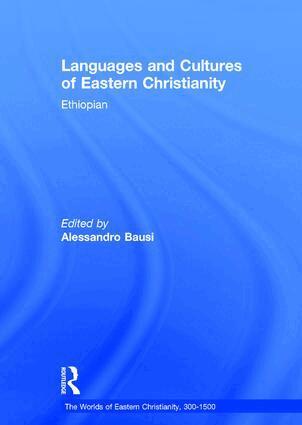
Languages and Cultures of Eastern Christianity: Ethiopian
Inbunden, 2012
7556 kr
Lägg i varukorg
This volume brings together a set of contributions, many appearing in English for the first time, together with a new introduction, covering the history of the Ethiopian Christian civilization in its formative period (300-1500 AD). Rooted in the late antique kingdom of Aksum (present day Northern …
Languages and Cultures of Eastern Christianity: Ethiopian
E-bok, 2017
6372 kr
Lägg i varukorg
This volume brings together a set of contributions, many appearing in English for the first time, together with a new introduction, covering the history of the Ethiopian Christian civilization in its formative period (300-1500 AD). Rooted in the late antique kingdom of Aksum (present day Northern …
Languages and Cultures of Eastern Christianity: Ethiopian
E-bok, 2017
6372 kr
Lägg i varukorg
This volume brings together a set of contributions, many appearing in English for the first time, together with a new introduction, covering the history of the Ethiopian Christian civilization in its formative period (300-1500 AD). Rooted in the late antique kingdom of Aksum (present day Northern …
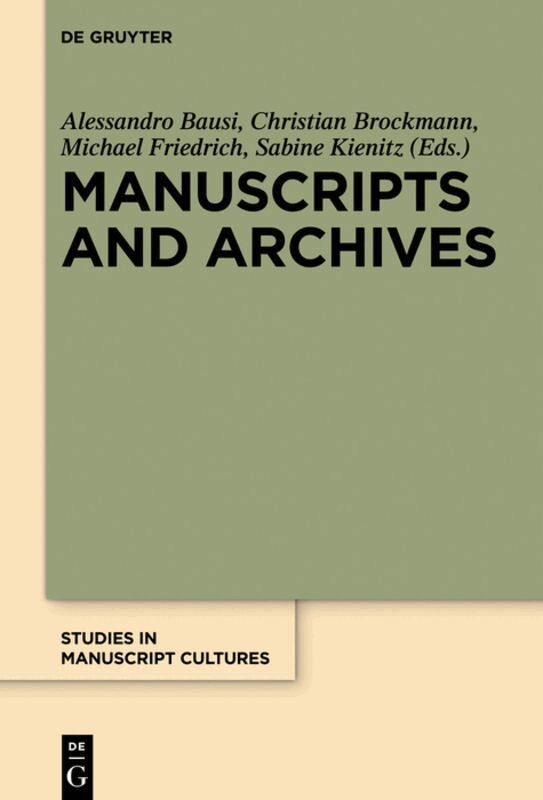
Manuscripts and Archives
Comparative Views on Record-Keeping
Av Alessandro Bausi, Christian Brockmann m. fl.
Inbunden, 2018
2149 kr
Lägg i varukorg
Archives are considered to be collections of administrative, legal, commercial and other records or the actual place where they are located. They have become ubiquitous in the modern world, but emerged not much later than the invention of writing. Following Foucault, who first used the word archive …
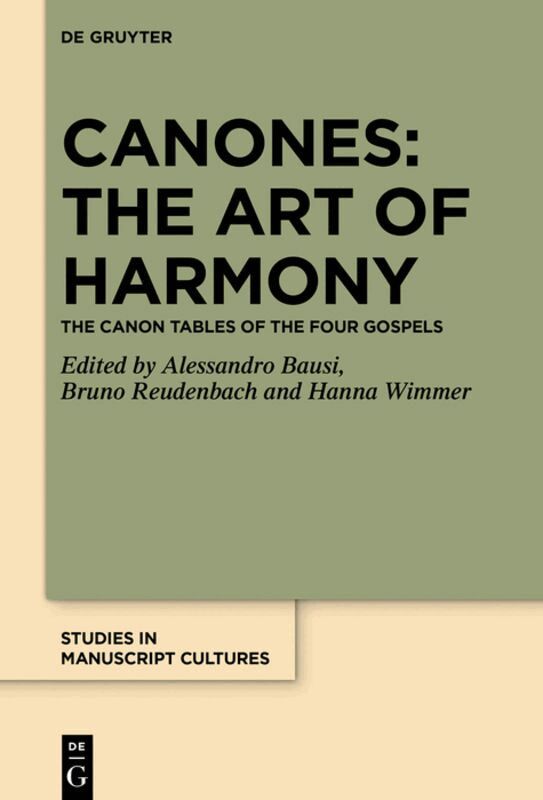
Canones: The Art of Harmony
The Canon Tables of the Four Gospels
Av Alessandro Bausi, Bruno Reudenbach m. fl.
Inbunden, 2020
1908 kr
Lägg i varukorg
The so-called ‘Canon Tables’ of the Christian Gospels are an absolutely remarkable feature of the early, late antique, and medieval Christian manuscript cultures of East and West, the invention of which is commonly attributed to Eusebius and dated to first decades of the fourth century AD. Intended …
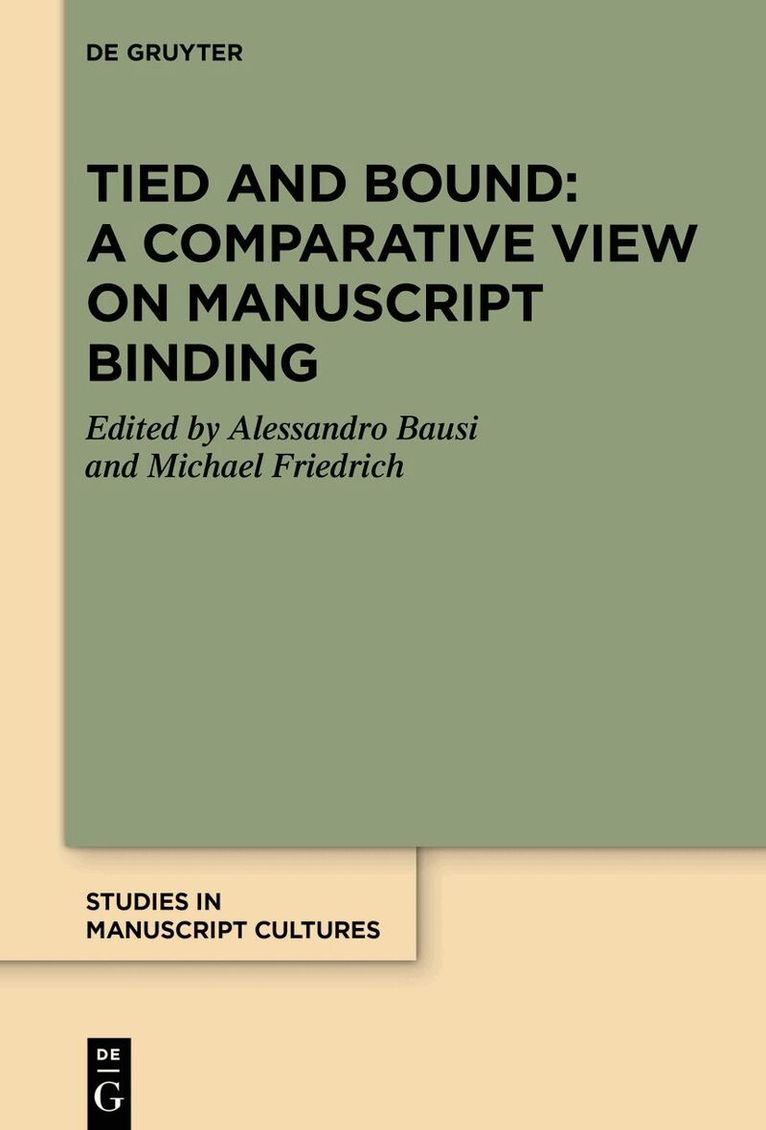
Tied and Bound: A Comparative View on Manuscript Binding
Av Alessandro Bausi, Michael Friedrich
Inbunden, 2023
1657 kr
Lägg i varukorg
The present volume contains twelve chapters authored by specialists of Asian, African and European manuscript cultures reflecting on the cohesion of written artefacts, particularly manuscripts. Assuming that ‘codicological units’ exist in every manuscript culture and that they are usually composed …
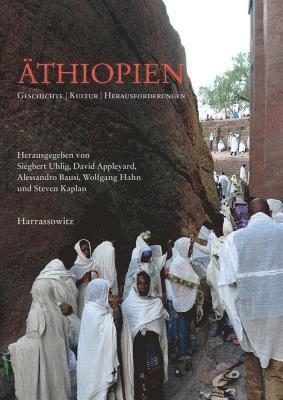
Athiopien: Geschichte, Kultur, Herausforderungen
Av David L. Appleyard, Alessandro Bausi
Inbunden, 2018
441 kr
Lägg i varukorg
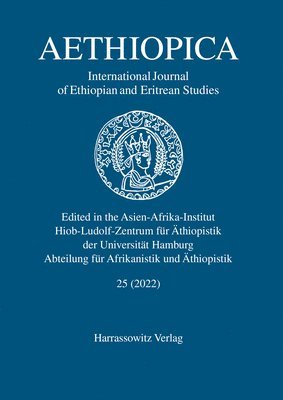
Aethiopica 25 (2022): International Journal of Ethiopian and Eritrean Studies
Häftad
1567 kr
Lägg i varukorg
Comparative Oriental Manuscript Studies
Av Comparative Oriental Manuscript Studies, Alessandro Bausi m. fl.
Inbunden, 2015
932 kr
Lägg i varukorg
Comparative Oriental Manuscript Studies
Av Comparative Oriental Manuscript Studies, Alessandro Bausi m. fl.
Häftad, 2015
477 kr
Lägg i varukorg
Emergence of Multiple-Text Manuscripts
Av Alessandro Bausi, Michael Friedrich m. fl.
Inbunden, 2019
1956 kr
Tillfälligt slut
The universal practice of selecting and excerpting, summarizing and canonizing, arranging and organizing texts and visual signs, either in carefully dedicated types of manuscripts or not, is common to all manuscript cultures. Determined by intellectual or practical needs, this process is never …