Alessandro Carrera - Böcker
Visar alla böcker från författaren Alessandro Carrera. Handla med fri frakt och snabb leverans.
10 produkter
10 produkter
1 021 kr
Skickas inom 10-15 vardagar
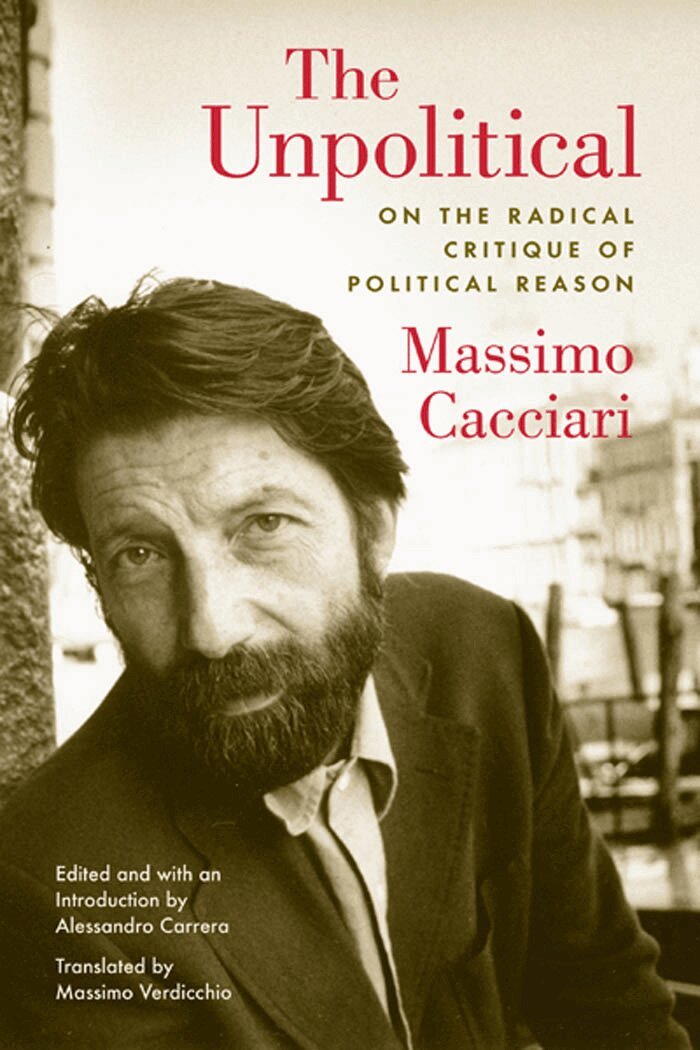
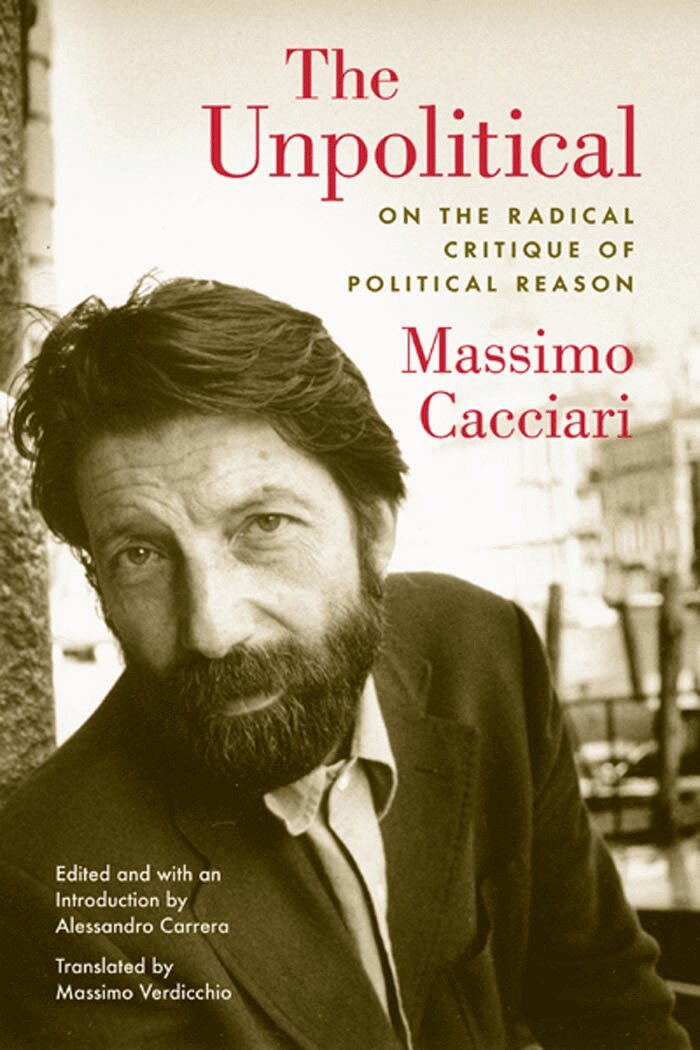
Massimo Cacciari is one of the leading public intellectuals in today's Italy, both as an outstanding philosopher and political thinker and as now three times (and currently) the mayor of Venice. This collection of essays on political topics provides the best introduction in English to his thought to date. The political focus does not, however, prevent these essays from being an introduction to the full range of Cacciari's thought.The present collection includes chapters on Hofmannstahl, Lukács, Benjamin, Nietzsche, Weber, Derrida, Schmitt, Canetti, and Aeschylus. Written between 1978 and 2006, these essays engagingly address the most hidden tradition in European political thought: the Unpolitical. Far from being a refusal of politics, the Unpolitical represents a merciless critique of political reason and a way out of the now impracticable consolations of utopia and harmonious community. Drawing freely from philosophy and literature, The Unpolitical represents a powerful contribution to contemporary political theory.A lucid and engaging Introduction by Alessandro Carrera sets these essays in the context of Cacciari's work generally and in the broadest context of its historical and geographical backdrop.
407 kr
Skickas inom 10-15 vardagar
Massimo Cacciari is one of the leading public intellectuals in today's Italy, both as an outstanding philosopher and political thinker and as now three times (and currently) the mayor of Venice. This collection of essays on political topics provides the best introduction in English to his thought to date. The political focus does not, however, prevent these essays from being an introduction to the full range of Cacciari's thought.The present collection includes chapters on Hofmannstahl, Lukács, Benjamin, Nietzsche, Weber, Derrida, Schmitt, Canetti, and Aeschylus. Written between 1978 and 2006, these essays engagingly address the most hidden tradition in European political thought: the Unpolitical. Far from being a refusal of politics, the Unpolitical represents a merciless critique of political reason and a way out of the now impracticable consolations of utopia and harmonious community. Drawing freely from philosophy and literature, The Unpolitical represents a powerful contribution to contemporary political theory.A lucid and engaging Introduction by Alessandro Carrera sets these essays in the context of Cacciari's work generally and in the broadest context of its historical and geographical backdrop.
1 051 kr
Skickas inom 10-15 vardagar
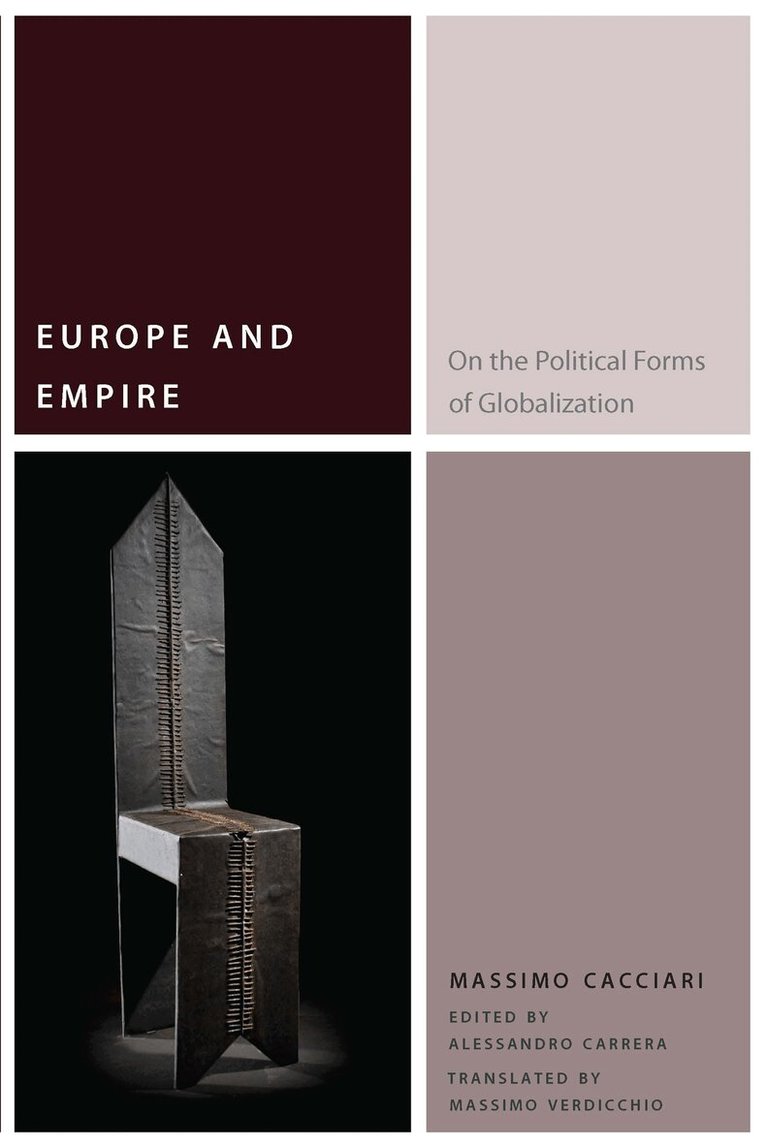
The European Union and the single currency have given Europe more stability than it has known in the past thousand years, yet Europe seems to be in perpetual crisis about its global role. The many European empires are now reduced to a multiplicity of ethnicities, traditions, and civilizations. Europe will never be One, but to survive as a union it will have to become a federation of "islands" both distinct and connected.Though drawing on philosophers of Europe's past, Cacciari calls not to resist Europe's sunset but to embrace it. Europe will have to open up to the possibility that in few generations new exiles and an unpredictable cultural hybridism will again change all we know about the European legacy. Though scarcely alive in today's politics, the political unity of Europe is still a necessity, however impossible it seems to achieve.
350 kr
Skickas inom 10-15 vardagar
The European Union and the single currency have given Europe more stability than it has known in the past thousand years, yet Europe seems to be in perpetual crisis about its global role. The many European empires are now reduced to a multiplicity of ethnicities, traditions, and civilizations. Europe will never be One, but to survive as a union it will have to become a federation of "islands" both distinct and connected.Though drawing on philosophers of Europe's past, Cacciari calls not to resist Europe's sunset but to embrace it. Europe will have to open up to the possibility that in few generations new exiles and an unpredictable cultural hybridism will again change all we know about the European legacy. Though scarcely alive in today's politics, the political unity of Europe is still a necessity, however impossible it seems to achieve.
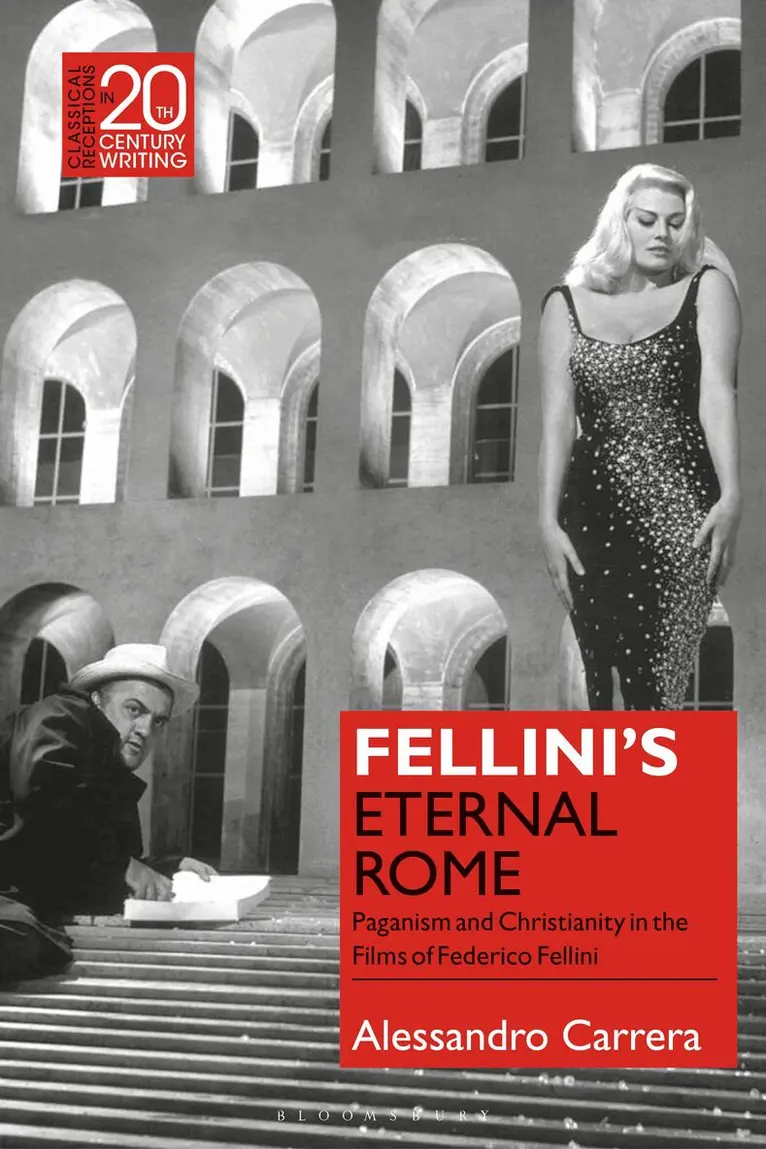
Fellini’s Eternal Rome
Paganism and Christianity in the Films of Federico Fellini
Häftad, Engelska, 2020
530 kr
Skickas inom 10-15 vardagar
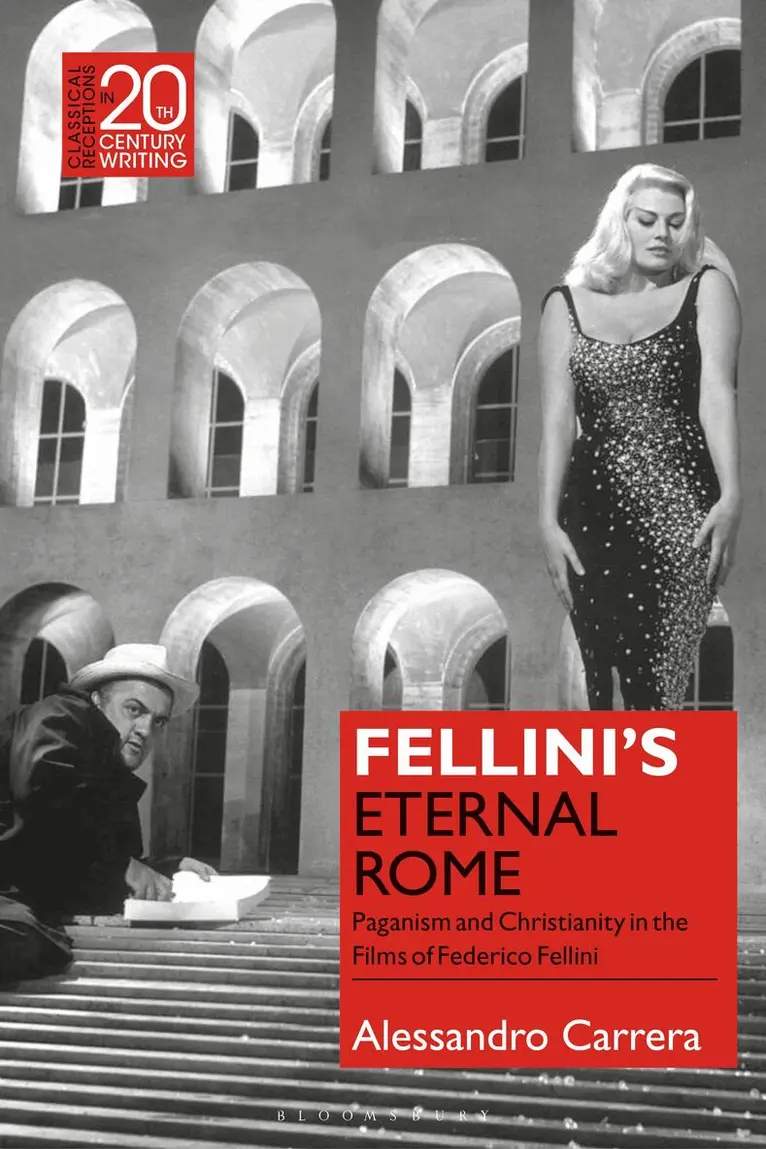
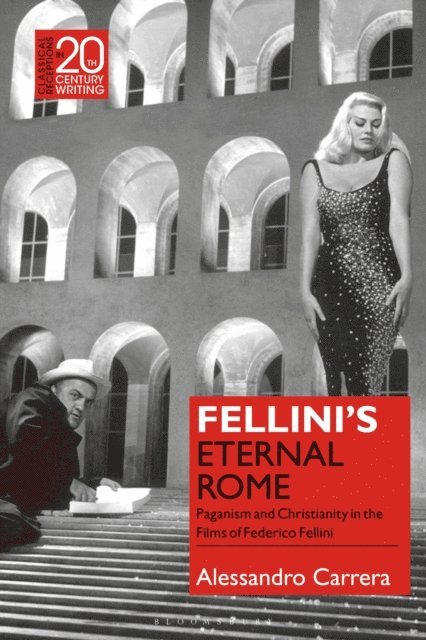
*** Winner of the 2019 Flaiano Prize in the category Italian Studies ***In Fellini’s Eternal Rome, Alessandro Carrera explores the co-existence and conflict of paganism and Christianity in the works of Federico Fellini. By combining source analysis, cultural history and jargon-free psychoanalytic film theory, Carrera introduces the reader to a new appreciation of Fellini’s work. Life-affirming Franciscanism and repressive Counter-Reformation dogmatism live side by side in Fellini’s films, although he clearly tends toward the former and resents the latter. The fascination with pre-Christian Rome shines through La Dolce Vita and finds its culmination in Fellini-Satyricon, the most audacious attempt to imagine what the West would be if Christianity had never replaced classical Rome. Minimal clues point toward a careful, extremely subtle use of classical texts and motifs. Fellini’s interest in the classics culminates in Olympus, a treatment of Hesiod’s Theogony for a never-realized TV miniseries on Greek mythology, here introduced for the first time to an English-speaking readership. Fellini’s recurrent dream of the Mediterranean Goddess is shaped by the phantasmatic projection of paganism that Christianity created as its convenient Other. His characters long for a “maternal space” where they will be protected from mortality and left free to roam. Yet Fellini shows how such maternal space constantly fails, not because the Church has erased it, but because the utopia of unlimited enjoyment is a self-defeating fantasy.
552 kr
Skickas inom 3-6 vardagar
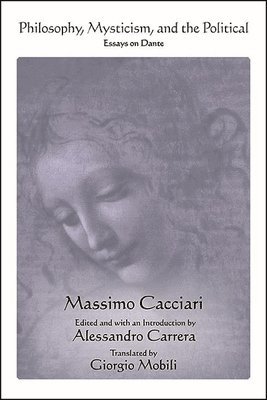
Nine masterful essays on Dante's Divine Comedy and his political theology by one of today's leading Italian philosophers.Among today's Italian philosophers, Massimo Cacciari is perhaps the most assiduous commentator of Dante. Philosophy, Mysticism, and the Political collects all of Cacciari's writings on Dante to this day, from his masterful analysis of St. Francis of Assisi in Dante's Paradiso and Giotto's frescoes to a new consideration of Dante's "European" idea of empire as a federation of nations, peoples, and languages. Cacciari does not force Dante into any philosophical straitjacket. Rather, he walks with Dante, takes notes, asks questions, raises issues, and tries to understand the Divine Comedy in Dante's terms. Cacciari approaches Dante's Ulysses and the theologico-philosophical vertigo of Paradiso not as a critic but from the point of view of a faithful, assiduous, perceptive, sometimes perplexed, and sometimes worshipful reader. Cacciari's analysis shows once more that Dante does not belong to the past. Dante creates his own age and stays with us whenever we wish to follow his path.
1 456 kr
Skickas inom 3-6 vardagar
Nine masterful essays on Dante's Divine Comedy and his political theology by one of today's leading Italian philosophers.Among today's Italian philosophers, Massimo Cacciari is perhaps the most assiduous commentator of Dante. Philosophy, Mysticism, and the Political collects all of Cacciari's writings on Dante to this day, from his masterful analysis of St. Francis of Assisi in Dante's Paradiso and Giotto's frescoes to a new consideration of Dante's "European" idea of empire as a federation of nations, peoples, and languages. Cacciari does not force Dante into any philosophical straitjacket. Rather, he walks with Dante, takes notes, asks questions, raises issues, and tries to understand the Divine Comedy in Dante's terms. Cacciari approaches Dante's Ulysses and the theologico-philosophical vertigo of Paradiso not as a critic but from the point of view of a faithful, assiduous, perceptive, sometimes perplexed, and sometimes worshipful reader. Cacciari's analysis shows once more that Dante does not belong to the past. Dante creates his own age and stays with us whenever we wish to follow his path.
Fellini’s Eternal Rome
Paganism and Christianity in the Films of Federico Fellini
Inbunden, Engelska, 2018
1 698 kr
Skickas inom 10-15 vardagar
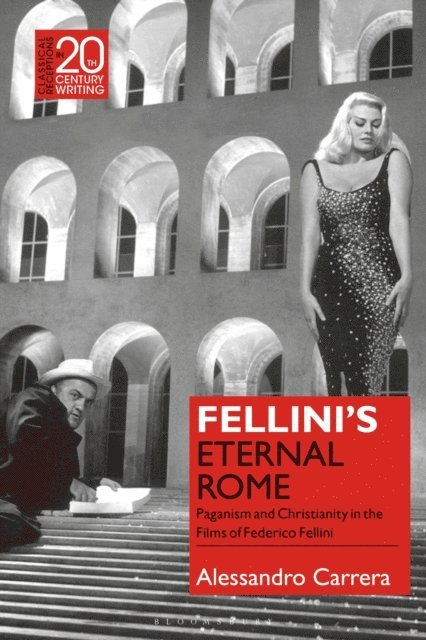
*** Winner of the2019 Flaiano Prize in the category Italian Studies ***In Fellini’s Eternal Rome, Alessandro Carrera explores the co-existence and conflict of paganism and Christianity in the works of Federico Fellini. By combining source analysis, cultural history and jargon-free psychoanalytic film theory, Carrera introduces the reader to a new appreciation of Fellini’s work. Life-affirming Franciscanism and repressive Counter-Reformation dogmatism live side by side in Fellini’s films, although he clearly tends toward the former and resents the latter. The fascination with pre-Christian Rome shines through La Dolce Vita and finds its culmination in Fellini-Satyricon, the most audacious attempt to imagine what the West would be if Christianity had never replaced classical Rome. Minimal clues point toward a careful, extremely subtle use of classical texts and motifs. Fellini’s interest in the classics culminates in Olympus, a treatment of Hesiod’s Theogony for a never-realized TV miniseries on Greek mythology, here introduced for the first time to an English-speaking readership. Fellini’s recurrent dream of the Mediterranean Goddess is shaped by the phantasmatic projection of paganism that Christianity created as its convenient Other. His characters long for a “maternal space” where they will be protected from mortality and left free to roam. Yet Fellini shows how such maternal space constantly fails, not because the Church has erased it, but because the utopia of unlimited enjoyment is a self-defeating fantasy.
454 kr
Skickas inom 3-6 vardagar
In 1969, Emanuele Severino underwent a Vatican trial for the 'fundamental incompatibility' between his thought and the Christian doctrine, and was removed from his position as professor of philosophy at the Catholic University in Milan. The Essence of Nihilism published in 1972, was the first book to follow his expulsion, and to firmly establish Severino's preeminent position within the constellation of contemporary philosophy. In this groundbreaking book, Severino reinterprets the history of Western philosophy as the unfolding of 'the greatest folly', that is, of the belief that 'things come out of nothing and fall back into nothing'. According to Severino, such a typically Western understanding of reality has produced a belief in the radical 'nothingness' of things. This, in turn has justified the treatment of the world as an object of exploitation, degradation and destruction.To move beyond Western nihilism, suggests Severino, we must first of all 'return to Parmenides'. Joining forces with the most venerable of Greek philosophers, Severino confutes the 'path of night' of nihilism, and develops a new philosophy grounded on the principle of the eternity of reality and of every single existent.
1 471 kr
Skickas inom 5-8 vardagar
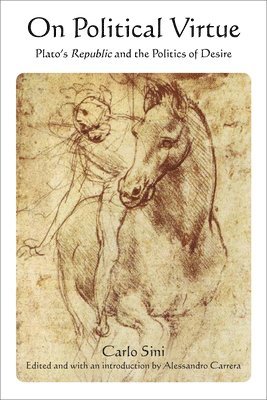
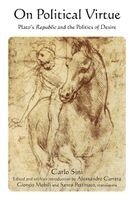
Translation of Carlo Sini's reading of Plato's Republic as the foundation of Western anthropology.On Political Virtue is Carlo Sini's masterful reading of Plato's Republic as the foundation of both Western politics and anthropology. In his long career, Sini has built up a complex philosophical system that includes phenomenology, pragmatism, philosophical semiotics, a rereading of the Italian tradition from Bruno to Vico, a theory of writing quite independent from anyone else, and a philosophy of "practices" that makes science and the humanities talk together—not despite their differences but because of them. First published in 2004, On Political Virtue is an inquiry into the desire for politics and what politics desires from us. By reading Plato's Republic as a theatrical piece, Sini shows how the philosophical foundation of politics is the result of a very careful mise-en-scène, a magisterial setup that Plato conjures up only to make it disappear, so that the reader is left with the supposedly "pure" power of philosophical speech deprived of context. In Sini's interpretation, Plato's aim is to create a "pure" political subject still dependent on the male gaze yet supposedly free from the chains of desire.