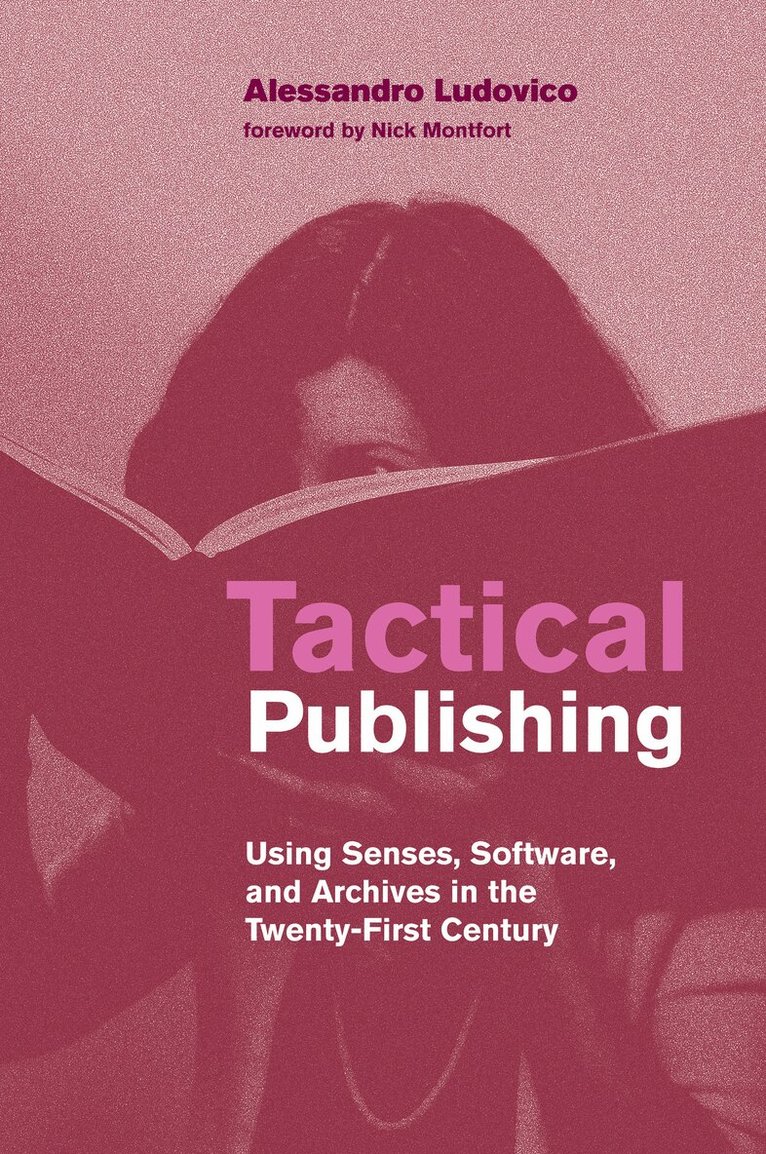
How to level up to the next transformative phase of publishing—with a critical methodology that transcends the dichotomy of paper and digital media production.Publishing is experiencing one of the most transformative phases in its history. In Tactical Publishing, a sequel to Post-Digital Print, Alessandro Ludovico explores the forces driving this historical phase, highlighting the tremendous opportunities it presents. Our task, he believes, is to develop an alternative publishing system that transcends the dichotomy between paper and digital media. He focuses first on the two activities on which publishing is premised—reading and writing (with an emphasis on writing machines and post-truth in the latter)—and then deconstructs the concept, proposing alternative strategies inspired by recent practices and unconventional uses of technology. Ludovico shows how the radical and strategic use of print in the past can serve as the basis for our transition to the next phase of publishing. He argues that the new ecology of publishing should be based on three main elements: the stimulation of our senses, the role of software in forming the publishing infrastructure, and the importance of archives. During this transition from the current post-digital phase to the next phase, independent publishers and artists, as well as readers and machines, will enable new structures and actions that realize the potential of publishing and the preservation of content, thereby enriching social practices. The author also considers the crucial social role played by new forms of libraries, as artists and publishers shape the coming publishing world in its various manifestations. Combining analytical accounts of tactical strategies with examples from artworks and experimental practices, the book concludes with a manifesto for publishing in the twenty-first century and an appendix with a selection of one hundred publications representing the “periodic table” of future publishing.
En la era actual, la tecnología digital ha dejado de ser un fenómeno revolucionario para convertirse en una parte normal de la vida cotidiana. La mutación de la música y el cine a formato de bits y bytes, de descargas y de transmisión en línea ya no es ajena a nadie: es como el aire que respiramos; en el universo de la publicación de libros y revistas esta transformación apenas está comenzando. Sin embargo, la anticipación a esta transformación no es reciente: desde hace más de un siglo, artistas de vanguardia, activistas y tecnólogos han venido anunciando las publicaciones digitales. Es un hecho que la publicación electrónica se ha convertido en una realidad en expansión, aunque, visto en retrospectiva, el anuncio de la muerte del papel fue exagerado. ¿Cómo coexistirá lo digital con lo análogo en la era posdigital de las publicaciones? ¿Cómo se llevarán a cabo las transiciones, los cruces, las hibridaciones? En Impresión posdigital, Alessandro Ludovico procura responder a estas y otras preguntas por medio de una relectura de la historia de la tecnología de los medios, del activismo cultural y las artes de vanguardia en tanto prehistoria de la llamada dicotomía entre el papel y la electrónica.