Nick Montfort – författare
Visar alla böcker från författaren Nick Montfort. Handla med fri frakt och snabb leverans.
16 produkter
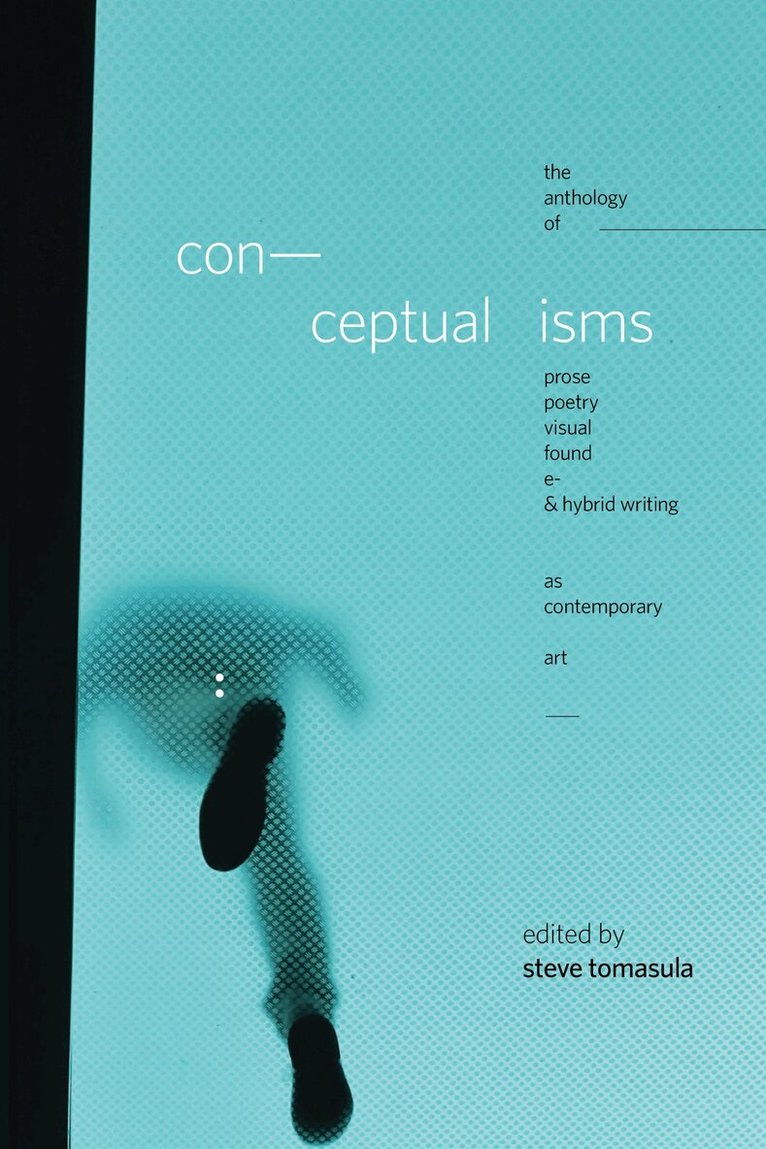
Conceptualisms
The Anthology of Prose, Poetry, Visual, Found, E- & Hybrid Writing As Contemporary Art
Av Joe Amato, David Antin m. fl.
Häftad, 2022
507 kr
Lägg i varukorg
A wide-ranging anthology of experimental writing—prose, poetry, and hybrid—from its most significant practitioners and innovators A variety of names have been used to describe fiction, poetry, and hybrid writing that explore new forms and challenges mainstream traditions. Those phrases include …
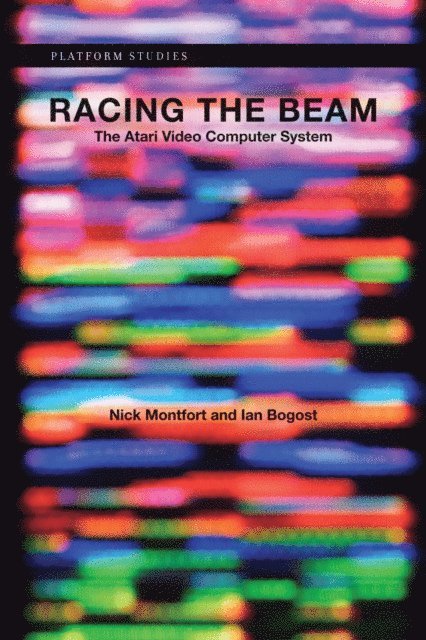
Racing the Beam
E-bok, 2009
338 kr
Lägg i varukorg
A study of the relationship between platform and creative expression in the Atari VCS. The Atari Video Computer System dominated the home video game market so completely that “Atari” became the generic term for a video game console. The Atari VCS was affordable and offered the flexibility of …
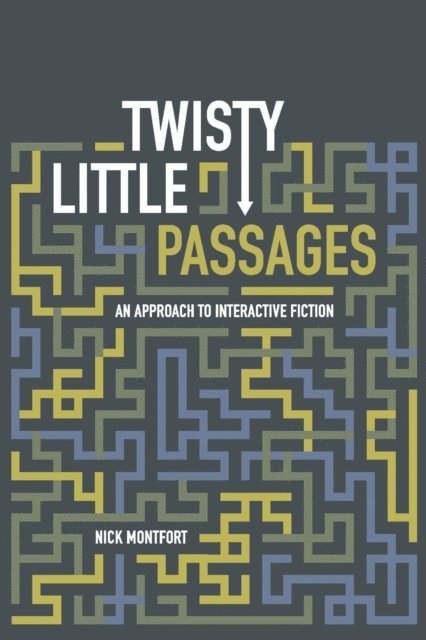
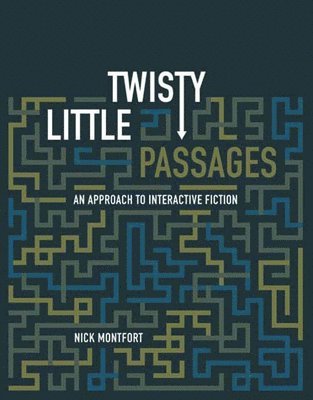
Twisty Little Passages
E-bok, 2005
537 kr
Lägg i varukorg
A critical approach to interactive fiction, as literature and game. Interactive fiction—the best-known form of which is the text game or text adventure—has not received as much critical attention as have such other forms of electronic literature as hypertext fiction and the conversational programs …
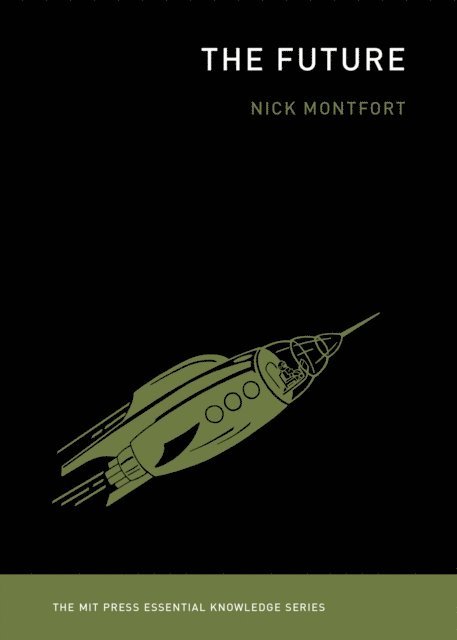
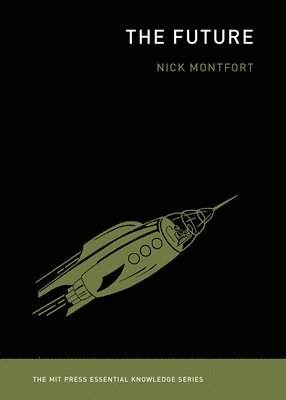
Future
E-bok, 2017
192 kr
Lägg i varukorg
How the future has been imagined and made, through the work of writers, artists, inventors, and designers. The future is like an unwritten book. It is not something we see in a crystal ball, or can only hope to predict, like the weather. In this volume of the MIT Press''s Essential Knowledge …
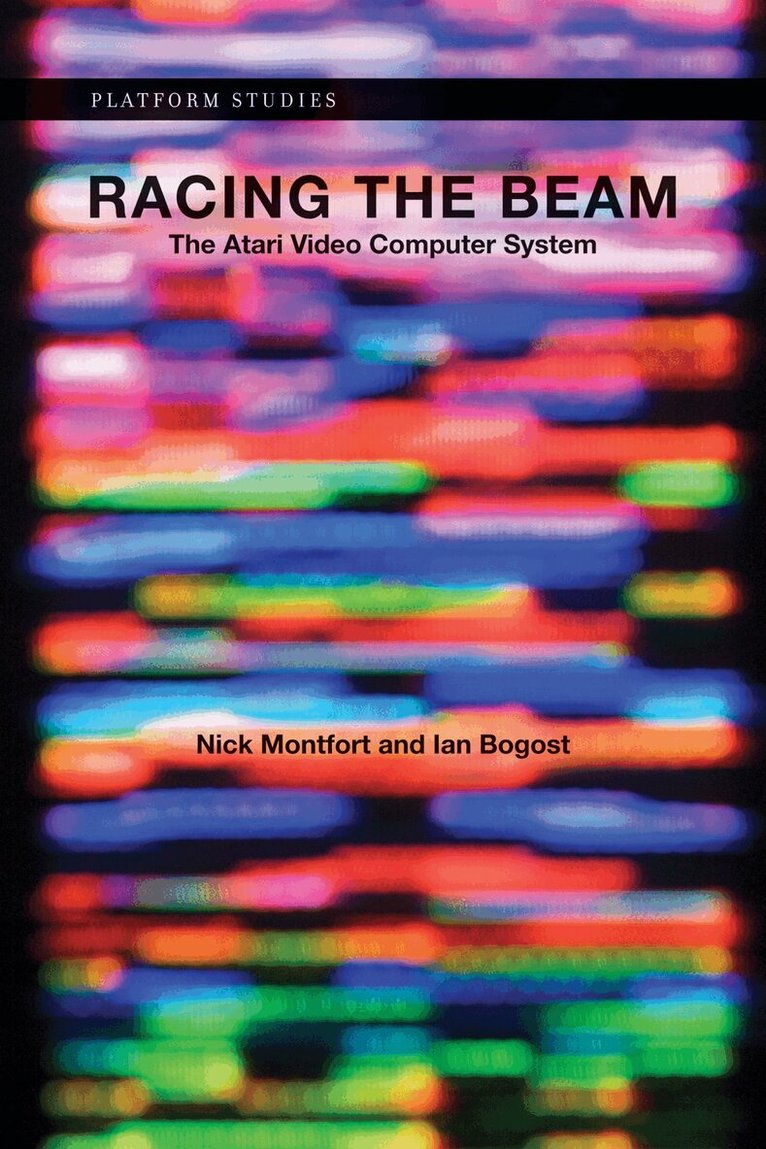
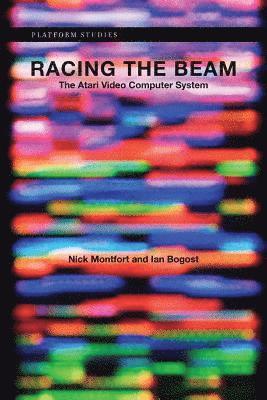
Racing the Beam
The Atari Video Computer System
Häftad, 2020
322 kr
Lägg i varukorg
A study of the relationship between platform and creative expression in the Atari VCS.The Atari Video Computer System dominated the home video game market so completely that “Atari” became the generic term for a video game console. The Atari VCS was affordable and offered the flexibility of …
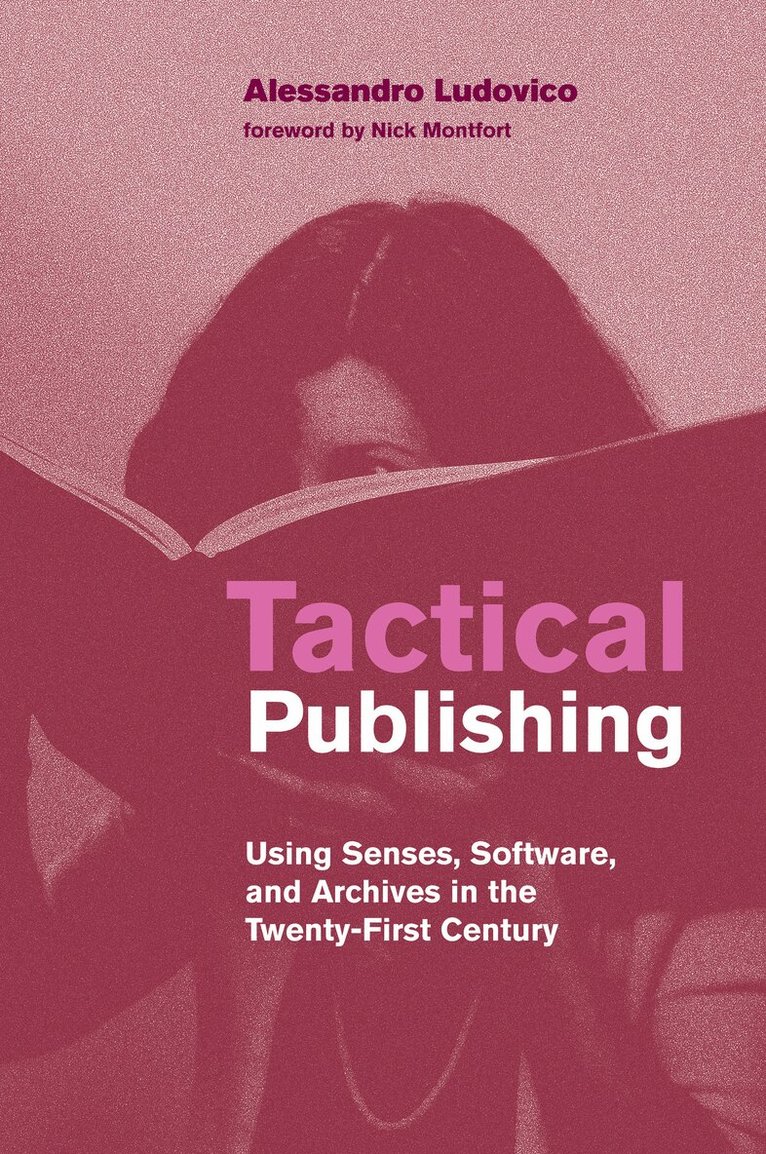
Tactical Publishing
Using Senses, Software, and Archives in the Twenty-First Century
Av Alessandro Ludovico, Nick Montfort
Häftad, 2024
696 kr
Lägg i varukorg
How to level up to the next transformative phase of publishing—with a critical methodology that transcends the dichotomy of paper and digital media production. Publishing is experiencing one of the most transformative phases in its history. In Tactical Publishing , a sequel to Post-Digital Print , …
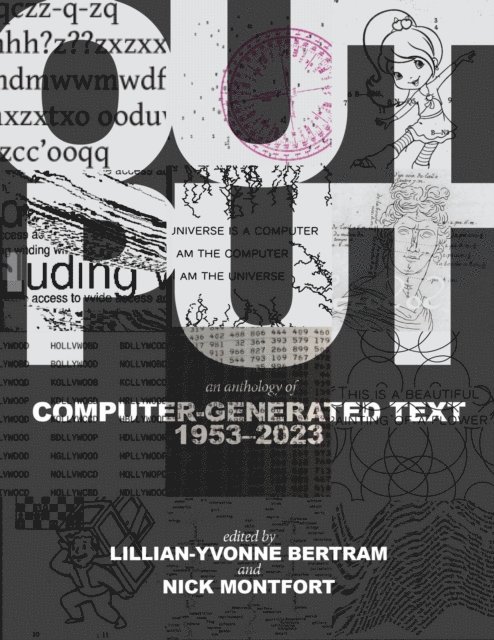
Output
An Anthology of Computer-Generated Text, 1953–2023
Av Lillian-Yvonne Bertram, Nick Montfort m. fl.
Häftad, 2024
510 kr
Lägg i varukorg
Discover the vast history of machine-written texts from long before ChatGPT in this anthology collecting 7 decades of creative writing produced by computer generation systems. The discussion of computer-generated text has recently reached a fever pitch but largely omits the long history of work in …
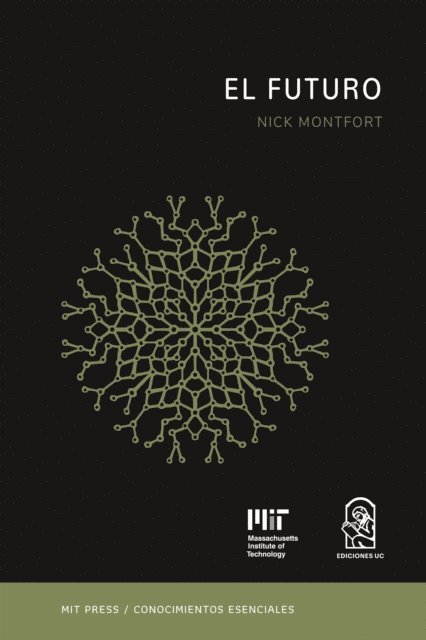
El futuro
La serie de conocimientos esenciales de MIT Press
E-bok, 2024
83 kr
Lägg i varukorg
Cómo se ha imaginado y creado el futuro a través del trabajo de escritores, artistas, inventores y diseñadores.El futuro es un libro que no se ha escrito. No lo vemos en una bola de cristal ni lo podemos predecir, como al clima. En este volumen de la serie Conocimientos esenciales de MIT Press, …
Racing the Beam
The Atari Video Computer System
Inbunden, 2009
5,0 utav 5 stjärnor. Totalt antal röster: (1)
279 kr
Tillfälligt slut
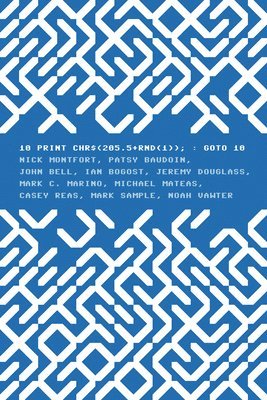
10 PRINT CHR$(205.5+RND(1)); : GOTO 10
Av Nick Montfort, Patsy Baudoin m. fl.
Häftad, 2014
243 kr
Tillfälligt slut