Alessandro Stavru – författare
Visar alla böcker från författaren Alessandro Stavru. Handla med fri frakt och snabb leverans.
2 produkter
2 produkter
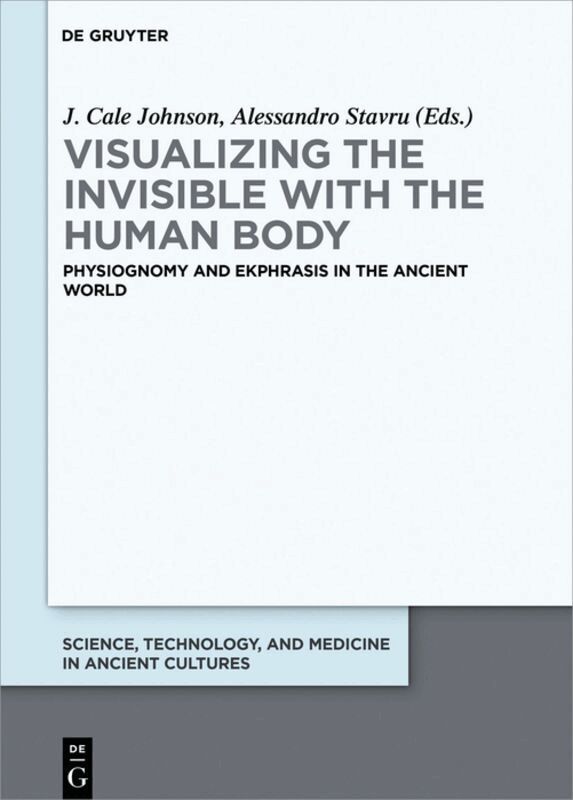
Visualizing the invisible with the human body
Physiognomy and ekphrasis in the ancient world
Inbunden, Engelska, 2019
1 855 kr
Skickas inom 5-8 vardagar
Physiognomy and ekphrasis are two of the most important modes of description in antiquity and represent the necessary precursors of scientific description. The primary way of divining the characteristics and fate of an individual, whether inborn or acquired, was to observe the patient’s external characteristics and behaviour. This volume focuses initially on two types of descriptive literature in Mesopotamia: physiognomic omens and what we might call ekphrastic description. These modalities are traced through ancient India, Ugaritic and the Hebrew Bible, before arriving at the physiognomic features of famous historical figures such as Themistocles, Socrates or Augustus in the Graeco-Roman world, where physiognomic discussions become intertwined with typological analyses of human characters. The Arabic compendial culture absorbed and remade these different physiognomic and ekphrastic traditions, incorporating both Mesopotamian links between physiognomy and medicine and the interest in characterological ‘types’ that had emerged in the Hellenistic period.This volume offer the first wide-ranging picture of these modalities of description in antiquity.
3 918 kr
Skickas inom 5-8 vardagar
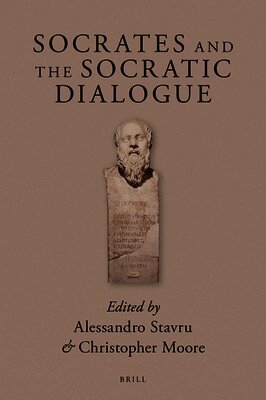
Socrates and the Socratic Dialogue assembles the most complete range of studies on Socrates and the Socratic dialogue. It focuses on portrayals of Socrates, whether as historical figure or protagonist of ‘Socratic dialogues’, in extant and fragmentary texts from Classical Athens through Late Antiquity. Special attention is paid to the evolving power and texture of the Socratic icon as it adopted old and new uses in philosophy, biography, oratory, and literature. Chapters in this volume focus on Old Comedy, Sophistry, the first-generation Socratics including Plato and Xenophon, Aristotle and Aristoxenus, Epicurus and Stoicism, Cicero and Persius, Plutarch, Apuleius and Maximus, Diogenes Laertius, Libanius, Themistius, Julian, and Proclus.