Alex Neill – författare
Visar alla böcker från författaren Alex Neill. Handla med fri frakt och snabb leverans.
4 produkter
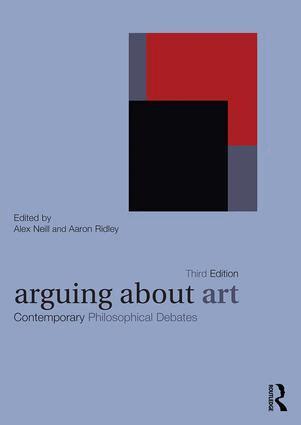
Arguing About Art
Contemporary Philosophical Debates
Häftad, 2007
822 kr
Lägg i varukorg
Offering a unique 'debate' format, the third edition of the bestselling Arguing About Art is ideal for newcomers to aesthetics or philosophy of art.This lively collection presents an extensive range of short, clear introductions to each of the discussions which …
Better Consciousness
Schopenhauer's Philosophy of Value
Av Alex Neill, Christopher Janaway
Häftad, 2009
297 kr
Lägg i varukorg
Better Consciousness: Schopenhauer's Philosophy of Value reassesses Schopenhauer's aesthetics and ethics and their contemporary relevance. Features a collection of new essays from leading Schopenhauer scholarsExplores a relatively neglected area of Schopenhauer's philosophyOffers a new perspective …
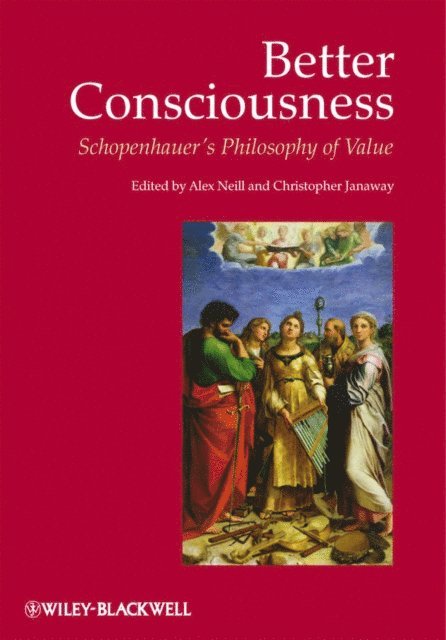
Better Consciousness
Schopenhauer''s Philosophy of Value
Av Christopher Janaway, Alex Neill
E-bok, 2010
339 kr
Lägg i varukorg
Better Consciousness: Schopenhauer''s Philosophy of Value reassesses Schopenhauer''s aesthetics and ethics and their contemporary relevance. Features a collection of new essays from leading Schopenhauer scholars Explores a relatively neglected area of Schopenhauer''s philosophy Offers a new …
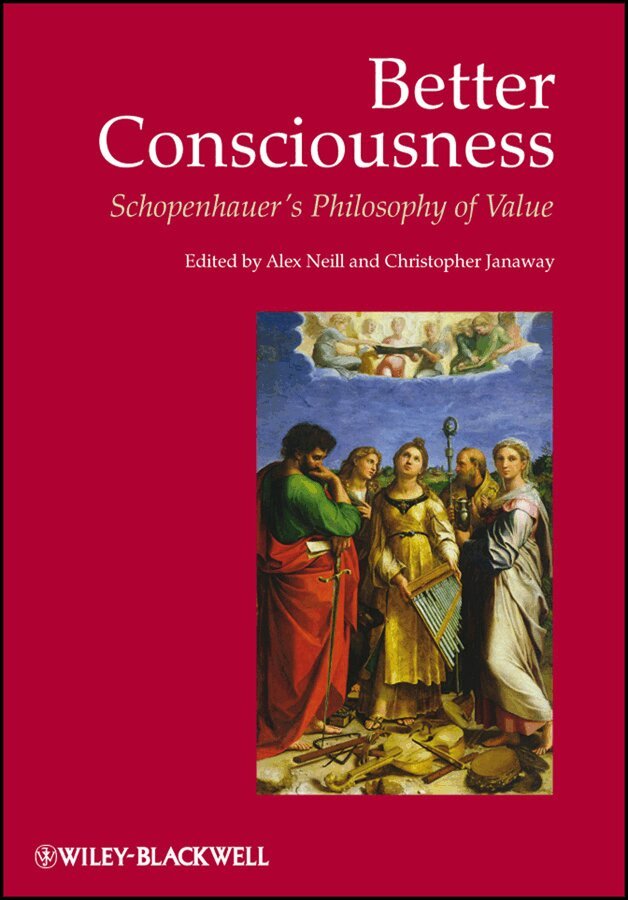
Better Consciousness – Schopenhauer′s Philosophy of Value
Av Alex Neill, Christopher Janaway
2010
337 kr
Tillfälligt slut
Better Consciousness: Schopenhauer's Philosophy of Value reassesses Schopenhauer's aesthetics and ethics and their contemporary relevance. Features a collection of new essays from leading Schopenhauer scholars Explores a relatively neglected area of Schopenhauer's philosophy Offers a new …