Alex Swanston – författare
Visar alla böcker från författaren Alex Swanston. Handla med fri frakt och snabb leverans.
3 produkter
3 produkter
E-bok
Engelska, 2019129 kr
Läs direkt efter köp
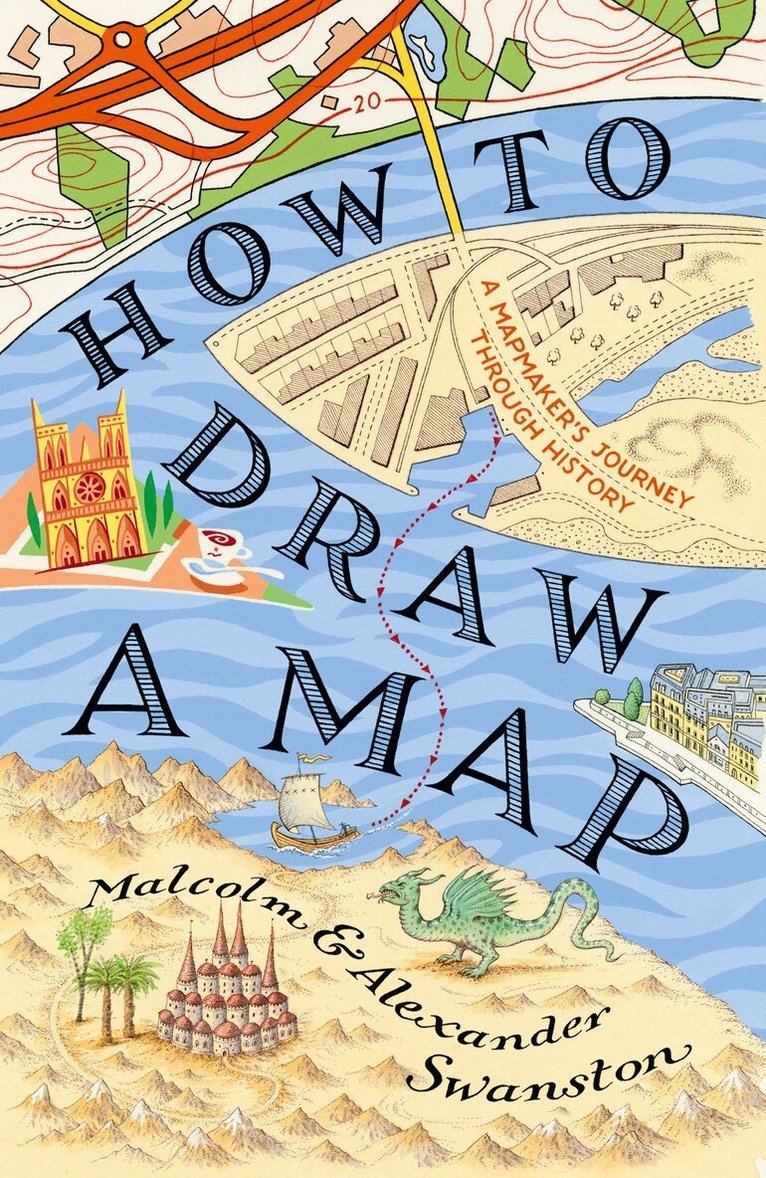
How to Draw a Map is a fascinating meditation on the centuries-old art of map-making, from the first astronomical maps to the sophisticated GPS guides of today.Maps have influenced humanity in many unexpected ways: life, death, sexual reproduction, espionage, war and peace. How to Draw a Map traces the story of mapmaking – cartography – from the first scratchings on the cave wall to the detailed high-tech ‘navigator’. This is the story of human conceptions, often misconceptions, of our world. It is also a very personal story about a mapmaker’s journey through life – the exciting new perspectives and the occasional misadventures.Over the last 5,000 years societies and empires have risen and fallen; most, if not all, attempt to record their own visions of our world. In the 15th century, Europeans developed a global reach with their oceanic ships, exploring outward into the world, revealing new possibilities, peoples and opportunities. Mapmakers recorded this journey, revealing to us a window into past triumphs and disasters. The story continues into our own day when diplomats carve up our globe, presenting what we now see as the ‘modern’ world.In How to Draw a Map, father and son cartographers Alexander and Malcolm Swanston demonstrate the skill, creativity and care involved in the timeless art of creating maps – and what these artefacts reveal about the legion of mapmakers who went before us.
Ljudbok
Engelska, 2019179 kr
Lyssna direkt efter köp
How to Draw a Map is a fascinating meditation on the centuries-old art of map-making, from the first astronomical maps to the sophisticated GPS guides of today.Maps have influenced humanity in many unexpected ways: life, death, sexual reproduction, espionage, war and peace. How to Draw a Map traces the story of mapmaking – cartography – from the first scratchings on the cave wall to the detailed high-tech ‘navigator’. This is the story of human conceptions, often misconceptions, of our world. It is also a very personal story about a mapmaker’s journey through life – the exciting new perspectives and the occasional misadventures.Over the last 5,000 years societies and empires have risen and fallen; most, if not all, attempt to record their own visions of our world. In the 15th century, Europeans developed a global reach with their oceanic ships, exploring outward into the world, revealing new possibilities, peoples and opportunities. Mapmakers recorded this journey, revealing to us a window into past triumphs and disasters. The story continues into our own day when diplomats carve up our globe, presenting what we now see as the ‘modern’ world.In How to Draw a Map, father and son cartographers Alexander and Malcolm Swanston demonstrate the skill, creativity and care involved in the timeless art of creating maps – and what these artefacts reveal about the legion of mapmakers who went before us.
Häftad, Engelska, 2023
219 kr
Skickas
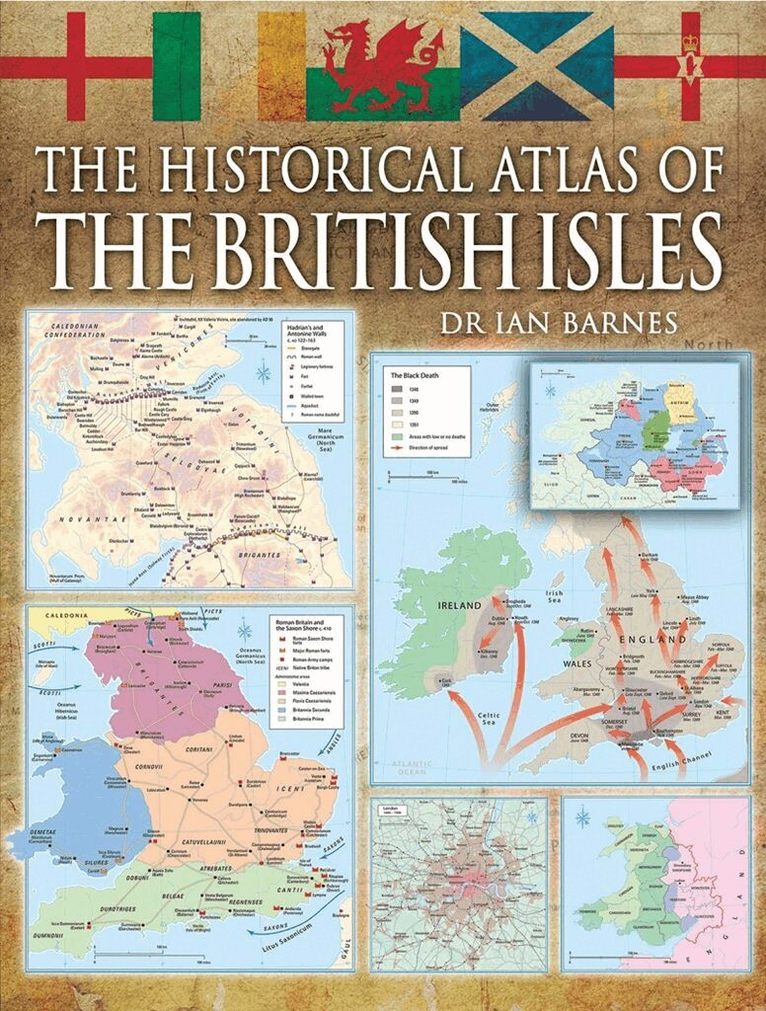
This atlas covers the history of the British Isles from earliest times to the present day.The first hunter-gatherers,who crossed into what would become our familiar islands by the land-bridge, and later followed by more familiar peoples the Celts,Angles, Saxons,Vikings and Normans,who together would create our islands unique history. Each contributed ideas which shaped our lands, languages and thoughts that are at the core of our identities to this day.This story is illustrated with 150 full-colour maps and plans that range across many topics, such as agricultural, political and industrial revolutions. The expansion of our islands peoples across the oceans and the lasting legacy that movement left on the world and on our home islands. We show the fluctuating fortunes of the states we now identify ourselves by, from an Anglo-Scottish imperium to devolved power, independence and the often painful process by which the modern map of our islands evolved.The forces of history and religion divided the islands peoples but our DNA unites us much more that most would realise the islands have gone on to embrace new cultures that have come to seek refuge, opportunity and equalitry this is a peoples history.