Alex van Belkum – författare
1 623 kr
Skickas inom 10-15 vardagar
2 036 kr
Läs direkt efter köp
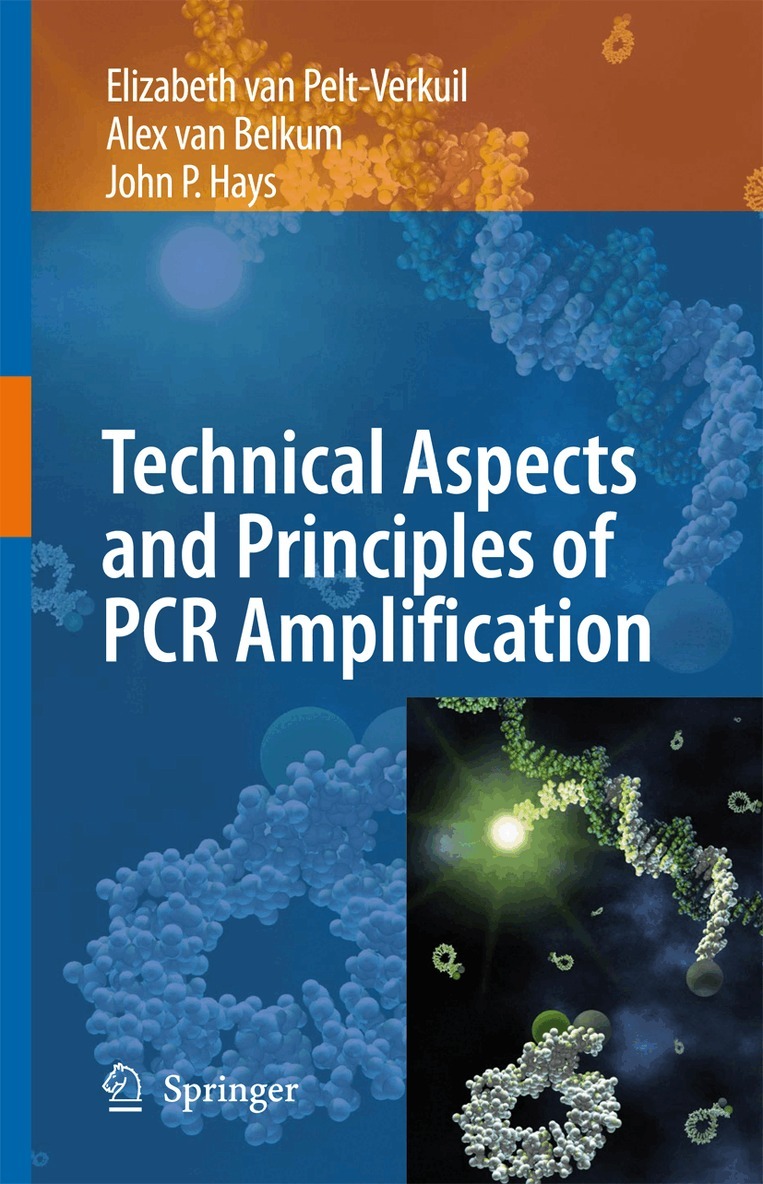
Kary Mullis was awarded a Nobel Prize for inventing the PCR technique more than 15 years ago in 1993. Since its "discovery", multiple adaptations and variations of the standard PCR technique have been described, with many of these adaptations and variations currently being used in clinical, diagnostic and academic laboratories across the world. Further, these techniques are being applied at the diagnostic level (e.g. as high throughput testing methodologies to detect minimum residual disease, the presence/absence of specific pathogens etc), as well as to increase our understanding of fundamental disease processes.
Frequently, PCR technicians and specialists limit their understanding of PCR to one particular methodology. However, this approach limits their appreciation of the range of versatile PCR techniques currently available, techniques that may be applicable and indeed more suitable to their own laboratory situation.
This manual aims to provide thereader with a guide to the standard PCR technique and its many available modifications, with particular emphasis on the role of PCR techniques in the diagnostic laboratory (the central theme of this manual). Further, many important technical issues have been addressed, including types of PCR template material, PCR optimization, the analysis of PCR products, quality control and quality assurance, variants and adaptations of the standard PCR protocol, quantitative PCR and in situ PCR. The reader of this manual will be excellently informed about the fundamental principles of PCR and the true potential of PCR within clinical laboratory practice.
2 590 kr
Läs direkt efter köp
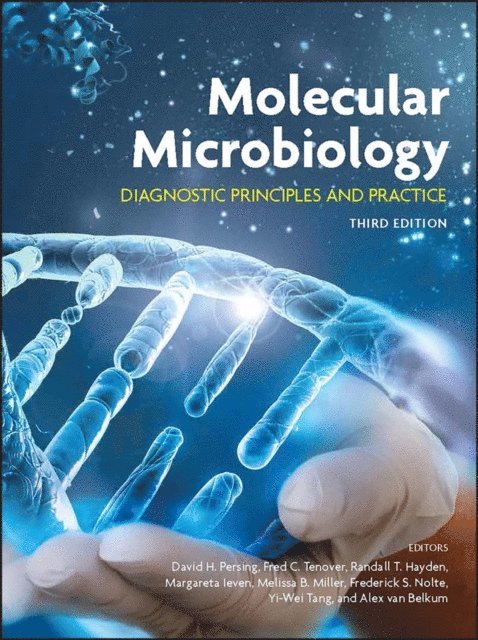
Presenting the latest molecular diagnostic techniques in one comprehensive volume
The molecular diagnostics landscape has changed dramatically since the last edition of Molecular Microbiology: Diagnostic Principles and Practice in 2011. With the spread of molecular testing and the development of new technologies and their opportunities, laboratory professionals and physicians more than ever need a resource to help them navigate this rapidly evolving field.
Editors David Persing and Fred Tenover have brought together a team of experienced researchers and diagnosticians to update this third edition comprehensively, to present the latest developments in molecular diagnostics in the support of clinical care and of basic and clinical research, including next-generation sequencing and whole-genome analysis. These updates are provided in an easy-to-read format and supported by a broad range of practical advice, such as determining the appropriate type and quantity of a specimen, releasing and concentrating the targets, and eliminating inhibitors.
Molecular Microbiology: Diagnostic Principles and Practice
Presents the latest basic scientific theory underlying molecular diagnostics Offers tested and proven applications of molecular diagnostics for the diagnosis of infectious diseases, including point-of-care testing Illustrates and summarizes key concepts and techniques with detailed figures and tables Discusses emerging technologies, including the use of molecular typing methods for real-time tracking of infectious outbreaks and antibiotic resistance Advises on the latest quality control and quality assurance measures Explores the increasing opportunities and capabilities of information technologyMolecular Microbiology: Diagnostic Principles and Practice is a textbook for molecular diagnostics courses that can also be used by anyone involved with diagnostic test selection and interpretation. It is also a useful reference for laboratories and as a continuing education resource for physicians.
If you are looking for online access to the latest clinical microbiology content, please visit www.wiley.com/learn/clinmicronow.
2 208 kr
Skickas inom 11-20 vardagar
2 590 kr
Läs direkt efter köp
Presenting the latest molecular diagnostic techniques in one comprehensive volume
The molecular diagnostics landscape has changed dramatically since the last edition of Molecular Microbiology: Diagnostic Principles and Practice in 2011. With the spread of molecular testing and the development of new technologies and their opportunities, laboratory professionals and physicians more than ever need a resource to help them navigate this rapidly evolving field.
Editors David Persing and Fred Tenover have brought together a team of experienced researchers and diagnosticians to update this third edition comprehensively, to present the latest developments in molecular diagnostics in the support of clinical care and of basic and clinical research, including next-generation sequencing and whole-genome analysis. These updates are provided in an easy-to-read format and supported by a broad range of practical advice, such as determining the appropriate type and quantity of a specimen, releasing and concentrating the targets, and eliminating inhibitors.
Molecular Microbiology: Diagnostic Principles and Practice
Presents the latest basic scientific theory underlying molecular diagnostics Offers tested and proven applications of molecular diagnostics for the diagnosis of infectious diseases, including point-of-care testing Illustrates and summarizes key concepts and techniques with detailed figures and tables Discusses emerging technologies, including the use of molecular typing methods for real-time tracking of infectious outbreaks and antibiotic resistance Advises on the latest quality control and quality assurance measures Explores the increasing opportunities and capabilities of information technologyMolecular Microbiology: Diagnostic Principles and Practice is a textbook for molecular diagnostics courses that can also be used by anyone involved with diagnostic test selection and interpretation. It is also a useful reference for laboratories and as a continuing education resource for physicians.
If you are looking for online access to the latest clinical microbiology content, please visit www.wiley.com/learn/clinmicronow.
1 644 kr
Skickas inom 5-8 vardagar