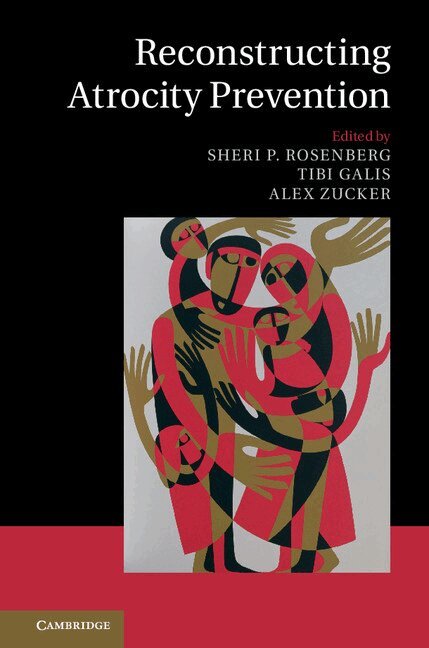
In the two-and-a-half decades since the end of the Cold War, policy makers have become acutely aware of the extent to which the world today faces mass atrocities. In an effort to prevent the death, destruction and global chaos wrought by these crimes, the agendas for both national and international policy have grown beyond conflict prevention to encompass atrocity prevention, protection of civilians, transitional justice and the responsibility to protect. Yet, to date, there has been no attempt to address the topic of the prevention of mass atrocities from the theoretical, policy and practicing standpoints simultaneously. This volume is designed to fill that gap, clarifying and solidifying the present understanding of atrocity prevention. It will serve as an authoritative work on the state of the field.
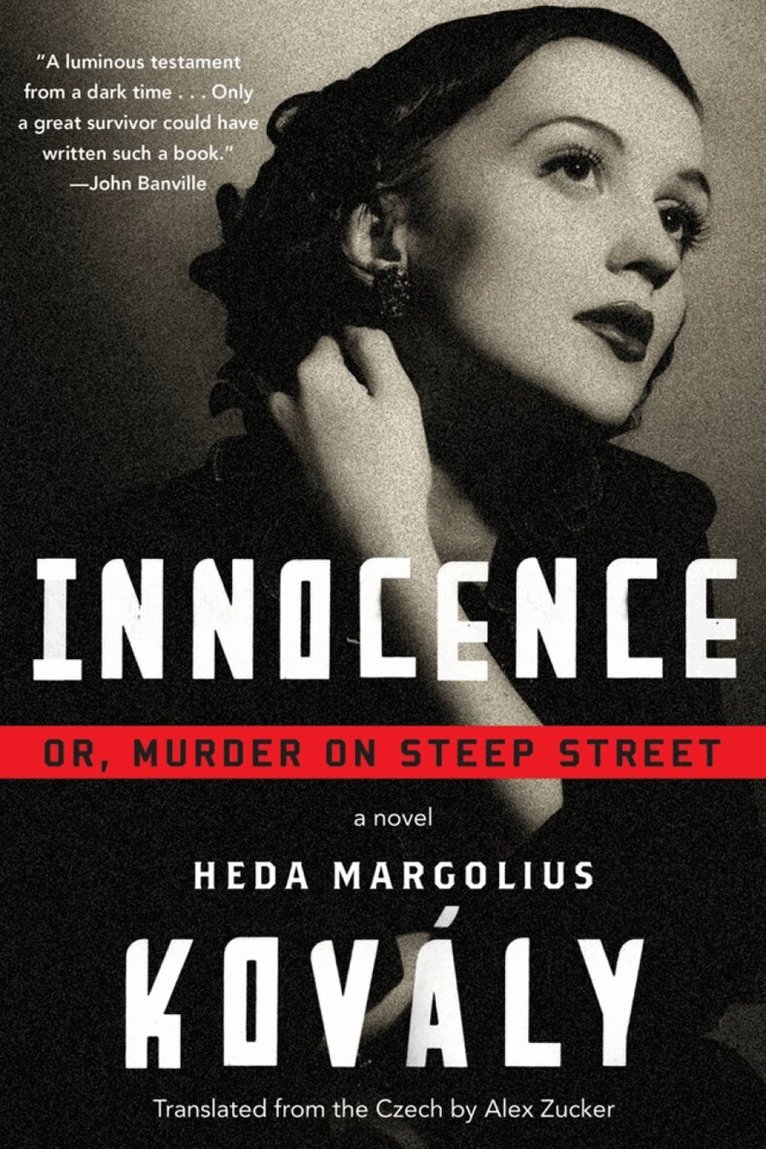
This rediscovered masterpiece captures a chilling moment in the stifling early days of Communist Czechoslovakia. 1950s Prague is a city of numerous daily terrors, of political tyranny, corruption and surveillance. There is no way of knowing whether one’s neighbor is spying for the government, or what one’s supposed friend will say to a State Security agent under pressure. A loyal Party member might be imprisoned or executed as quickly as a traitor; innocence means nothing for a person caught in a government trap. When a little boy is murdered at the cinema, the ensuing investigation sheds a little too much light on the personal lives of the cinema’s female ushers, each of whom is hiding a dark secret of her own.
A couple deep in the woods of a failing marriage find themselves the unwitting victims of a kidnapping plot after they move to a mysterious village in this distinctly poetic and disturbingly elegant horror novel for fans of Midsommar and The WitchHusband and wife Bohumil and Bohumila, together with their son, move from Prague to a remote village with the hopes of salvaging their marriage. In the searing summer heat, they try to fit in with the villagers, only to be met with hostile stares and evasive lies. Each night, the couple hears what they suspect to be a large animal wandering around their cottage—an impression that oddly corresponds to the mysterious flyers found at the local watering hole regarding a wolfen fairytale. As inexplicable coincidences begin piling up, it’s clear something sinister is afoot.After a drunken night out, Bohumil and Bohumila come home to find the house empty: their son is gone. After three days of searching, they find the villagers in festive costumes gathered outside their cottage. Is it a bizarre game, or some perverse, folkloric ritual? Are Bohumil and Bohumila in danger? And what has happened to their son?A dark social tale that slides inexorably towards psychological horror, Playing Wolf is a modern ballad of human destiny and discovering the animal in each of us.
In the two-and-a-half decades since the end of the Cold War, policy makers have become acutely aware of the extent to which the world today faces mass atrocities. In an effort to prevent the death, destruction and global chaos wrought by these crimes, the agendas for both national and international policy have grown beyond conflict prevention to encompass atrocity prevention, protection of civilians, transitional justice and the responsibility to protect. Yet, to date, there has been no attempt to address the topic of the prevention of mass atrocities from the theoretical, policy and practicing standpoints simultaneously. This volume is designed to fill that gap, clarifying and solidifying the present understanding of atrocity prevention. It will serve as an authoritative work on the state of the field.
This rediscovered masterpiece captures a chilling moment in the stifling early days of Communist Czechoslovakia. 1950s Prague is a city of numerous daily terrors, of political tyranny, corruption and surveillance. There is no way of knowing whether one’s neighbor is spying for the government, or what one’s supposed friend will say to a State Security agent under pressure. A loyal Party member might be imprisoned or executed as quickly as a traitor; innocence means nothing for a person caught in a government trap. When a little boy is murdered at the cinema, the ensuing investigation sheds a little too much light on the personal lives of the cinema’s female ushers, each of whom is hiding a dark secret of her own.
A couple deep in the woods of a failing marriage find themselves the unwitting victims of a kidnapping plot after they move to a mysterious village in this distinctly poetic and disturbingly elegant horror novel for fans of Midsommar and The WitchHusband and wife Bohumil and Bohumila, together with their son, move from Prague to a remote village with the hopes of salvaging their marriage. In the searing summer heat, they try to fit in with the villagers, only to be met with hostile stares and evasive lies. Each night, the couple hears what they suspect to be a large animal wandering around their cottage—an impression that oddly corresponds to the mysterious flyers found at the local watering hole regarding a wolfen fairytale. As inexplicable coincidences begin piling up, it’s clear something sinister is afoot.After a drunken night out, Bohumil and Bohumila come home to find the house empty: their son is gone. After three days of searching, they find the villagers in festive costumes gathered outside their cottage. Is it a bizarre game, or some perverse, folkloric ritual? Are Bohumil and Bohumila in danger? And what has happened to their son?A dark social tale that slides inexorably towards psychological horror, Playing Wolf is a modern ballad of human destiny and discovering the animal in each of us.