Alexander Monea - Böcker
Visar alla böcker från författaren Alexander Monea. Handla med fri frakt och snabb leverans.
5 produkter
5 produkter
212 kr
Skickas
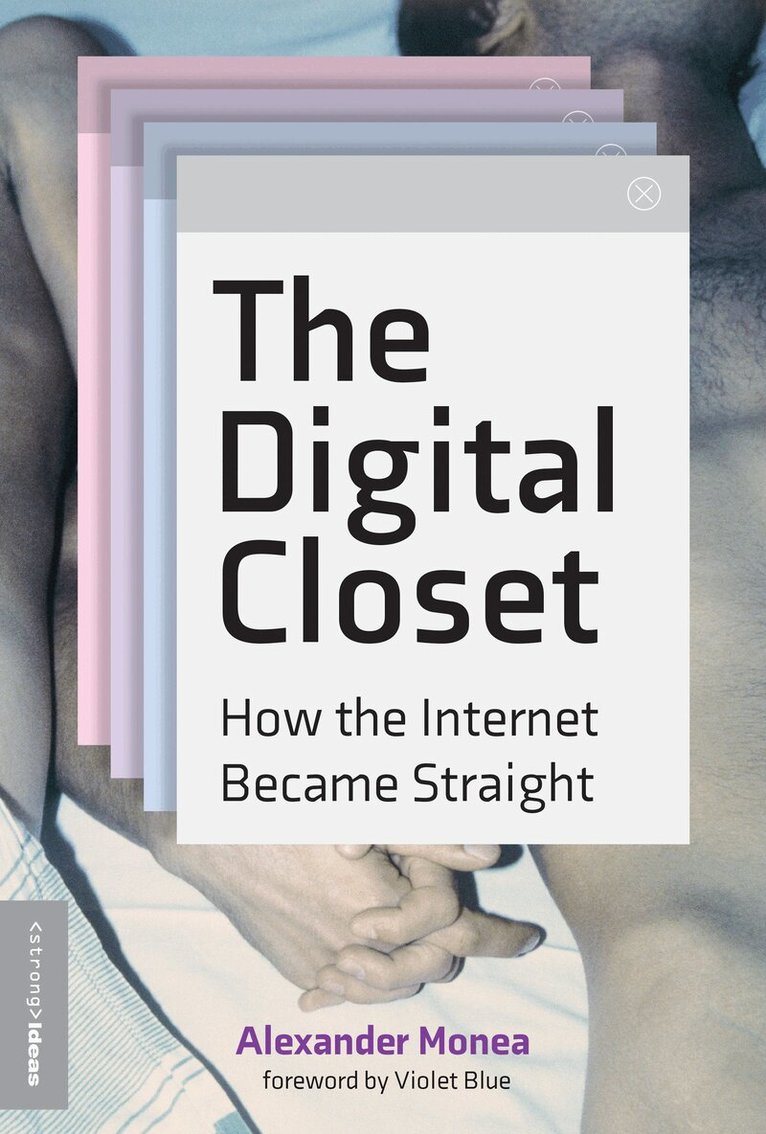
An exploration of how heteronormative bias is deeply embedded in the internet, hidden in algorithms, keywords, content moderation, and more.In The Digital Closet, Alexander Monea argues provocatively that the internet became straight by suppressing everything that is not, forcing LGBTQIA+ content into increasingly narrow channels—rendering it invisible through opaque algorithms, automated and human content moderation, warped keywords, and other strategies of digital overreach. Monea explains how the United States’ thirty-year “war on porn” has brought about the over-regulation of sexual content, which, in turn, has resulted in the censorship of much nonpornographic content—including material on sex education and LGBTQIA+ activism. In this wide-ranging, enlightening account, Monea examines the cultural, technological, and political conditions that put LGBTQIA+ content into the closet.Monea looks at the anti-porn activism of the alt-right, Christian conservatives, and anti-porn feminists, who became strange bedfellows in the politics of pornography; investigates the coders, code, and moderators whose work serves to reify heteronormativity; and explores the collateral damage in the ongoing war on porn—the censorship of LGBTQIA+ community resources, sex education materials, art, literature, and other content that engages with sexuality but would rarely be categorized as pornography by today’s community standards. Finally, he examines the internet architectures responsible for the heteronormalization of porn: Google Safe Search and the data structures of tube sites and other porn platforms. Monea reveals the porn industry’s deepest, darkest secret: porn is boring. Mainstream porn is stuck in a heteronormative filter bubble, limited to the same heteronormative tropes, tagged by the same heteronormative keywords. This heteronormativity is mirrored by the algorithms meant to filter pornographic content, increasingly filtering out all LGBTQIA+ content. Everyone suffers from this forced heteronormativity of the internet—suffering, Monea suggests, that could be alleviated by queering straightness and introducing feminism to dissipate the misogyny.
1 269 kr
Skickas inom 7-10 vardagar
Has society ceded its self-governance to technogovernance?The Prison House of the Circuit presents a history of digital media using circuits and circuitry to understand how power operates in the contemporary era. Through the conceptual vocabulary of the circuit, it offers a provocative model for thinking about governance and media.The authors, writing as a collective, provide a model for collective research and a genealogical framework that interrogates the rise of digital society through the lens of Foucault’s ideas of governance, circulation, and power. The book includes five in-depth case studies investigating the transition from analog media to electronic and digital forms: military telegraphy and human–machine incorporation, the establishment of national electronic biopolitical governance in World War I, media as the means of extending spatial and temporal policing, automobility as the mechanism uniting mobility and media, and visual augmentation from Middle Ages spectacles to digital heads-up displays. The Prison House of the Circuit ultimately demonstrates how contemporary media came to create frictionless circulation to maximize control, efficacy, and state power.
309 kr
Skickas inom 7-10 vardagar
Has society ceded its self-governance to technogovernance?The Prison House of the Circuit presents a history of digital media using circuits and circuitry to understand how power operates in the contemporary era. Through the conceptual vocabulary of the circuit, it offers a provocative model for thinking about governance and media.The authors, writing as a collective, provide a model for collective research and a genealogical framework that interrogates the rise of digital society through the lens of Foucault’s ideas of governance, circulation, and power. The book includes five in-depth case studies investigating the transition from analog media to electronic and digital forms: military telegraphy and human–machine incorporation, the establishment of national electronic biopolitical governance in World War I, media as the means of extending spatial and temporal policing, automobility as the mechanism uniting mobility and media, and visual augmentation from Middle Ages spectacles to digital heads-up displays. The Prison House of the Circuit ultimately demonstrates how contemporary media came to create frictionless circulation to maximize control, efficacy, and state power.
1 476 kr
Skickas inom 10-15 vardagar
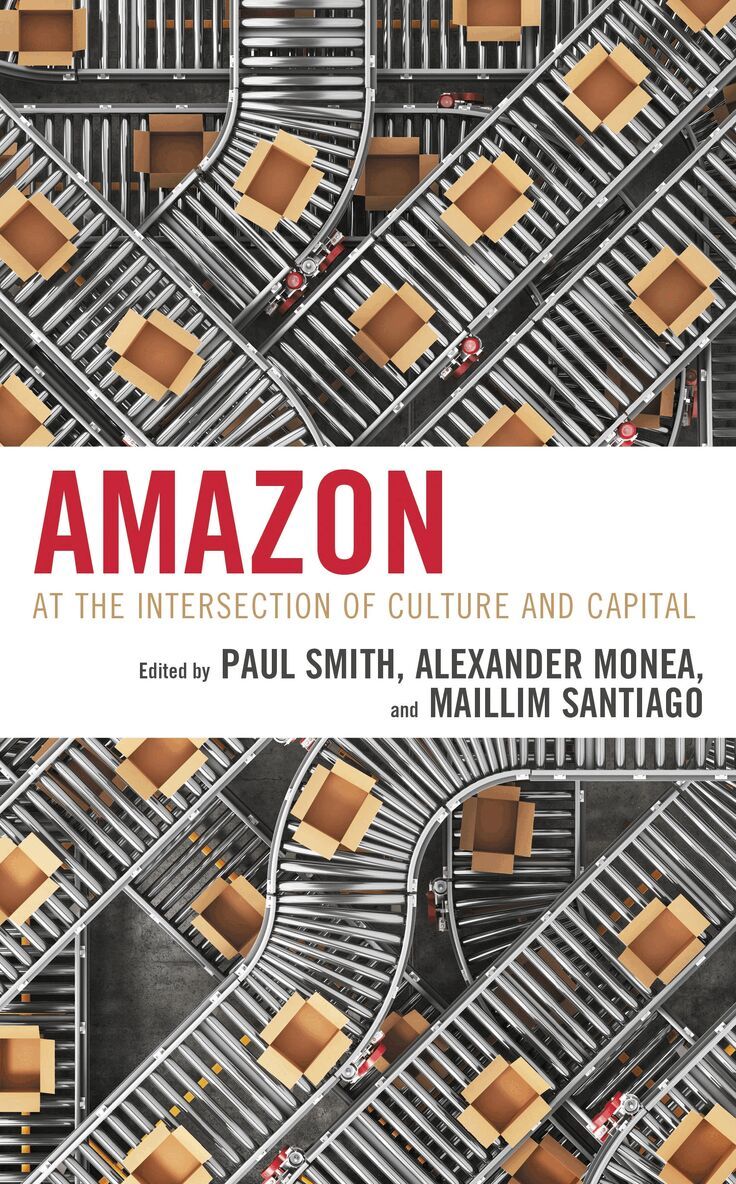
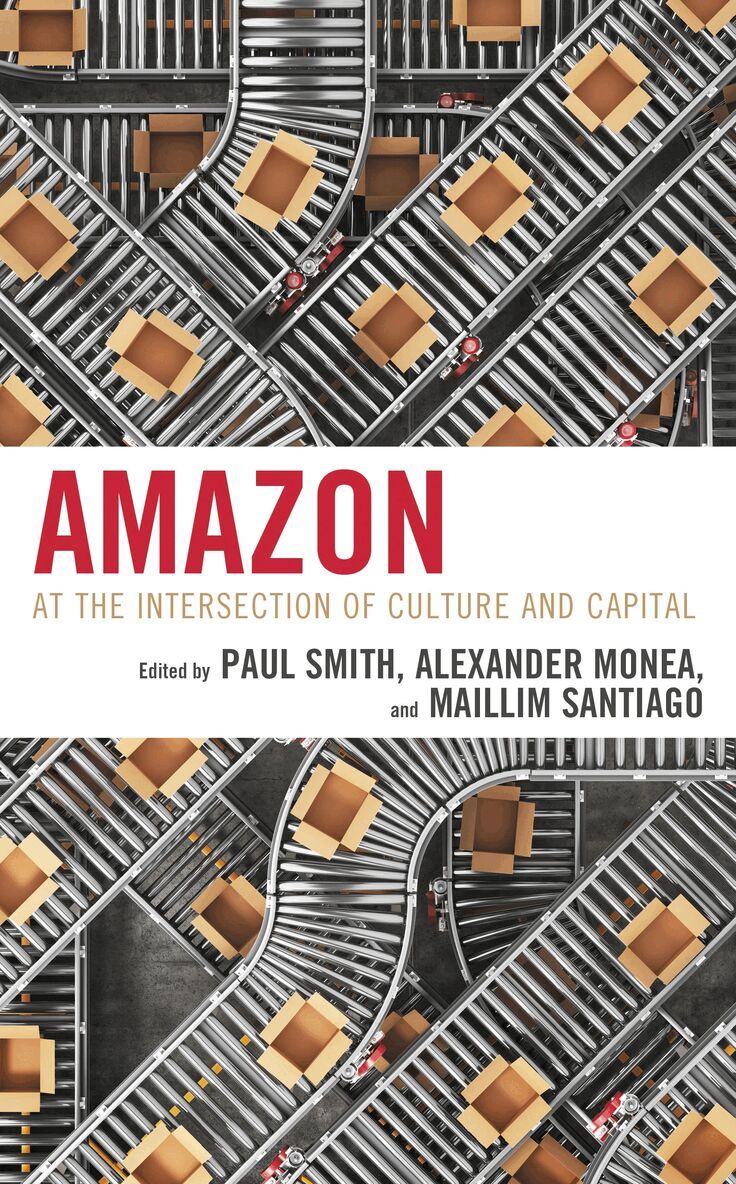
Amazon is everywhere. In our mailboxes, in delivery vans clogging our streets, in an increasing portion of our air traffic, in our grocery stores, on our televisions, in our smart home devices, and in the infrastructure powering many of the websites we visit. Amazon’s tendrils touch the majority of online retail transactions in the United States and in many other countries. As Amazon changes the face of capitalist business, it is also changing global culture in multiple ways. This book brings together some of the most important analyses of Amazon’s pioneering business practices and how they intersect with and affect the components of everyday culture. Its contributors examine the political economy of Amazon’s platform, making the argument that it operates as an unregulated monopoly that is disruptive to the global economy and that its infrastructure and logistical operations increasingly alienate its workers and wreak many other social harms.Our contributors outline the practices of resistance that have been employed by organizers ranging from Amazon employees to artists to digital piecemeal laborers working on Amazon’s Mechanical Turk platform. They examine the broader cultural impact that Amazon has had, looking at things like Amazon Prime and the creation of unending consumption, the absorption of Whole Foods and its brand of ‘conscious capitalism,’ and the impact of Amazon Studios and Prime Video on everyday film and television viewing practices.This book examines the broader environmental impacts that Amazon is having on the world, looking at the slow violence it incurs, its underwhelming Climate Pledge, and the regional impacts that its business practices have. Lastly, this book gathers together some important artistic responses to Amazon for the first time in an appendix that offers readers insight into other ways in which critics of the company are making their voices heard and attempting to move broader audiences into solidarity against Amazon.
408 kr
Skickas inom 10-15 vardagar
Amazon is everywhere. In our mailboxes, in delivery vans clogging our streets, in an increasing portion of our air traffic, in our grocery stores, on our televisions, in our smart home devices, and in the infrastructure powering many of the websites we visit. Amazon’s tendrils touch the majority of online retail transactions in the United States and in many other countries. As Amazon changes the face of capitalist business, it is also changing global culture in multiple ways. This book brings together some of the most important analyses of Amazon’s pioneering business practices and how they intersect with and affect the components of everyday culture. Its contributors examine the political economy of Amazon’s platform, making the argument that it operates as an unregulated monopoly that is disruptive to the global economy and that its infrastructure and logistical operations increasingly alienate its workers and wreak many other social harms.Our contributors outline the practices of resistance that have been employed by organizers ranging from Amazon employees to artists to digital piecemeal laborers working on Amazon’s Mechanical Turk platform. They examine the broader cultural impact that Amazon has had, looking at things like Amazon Prime and the creation of unending consumption, the absorption of Whole Foods and its brand of ‘conscious capitalism,’ and the impact of Amazon Studios and Prime Video on everyday film and television viewing practices.This book examines the broader environmental impacts that Amazon is having on the world, looking at the slow violence it incurs, its underwhelming Climate Pledge, and the regional impacts that its business practices have. Lastly, this book gathers together some important artistic responses to Amazon for the first time in an appendix that offers readers insight into other ways in which critics of the company are making their voices heard and attempting to move broader audiences into solidarity against Amazon.