Alexander Thein – författare
Visar alla böcker från författaren . Handla med fri frakt och snabb leverans.
6 produkter
6 produkter
Inbunden, Engelska, 2027
1 576 kr
Kommande
Sulla's proscriptions involved a system of violent reprisals instituted after the civil war of 83-82 BC. Names were posted on death lists, property was confiscated and sold at public auction, and the proscribed were defined as fugitive outlaws with a price on their head who could be killed with impunity even by their sons or slaves. The violence was personal as well as political, and there were cases in which men were proscribed only for their wealth. This book examines the logic and mechanics of the proscriptions. It emphasises the profit motive, along with cronyism and corruption, highlights the intimacy of Sullan violence, and examines the question of decision-making and agency. The impetus came from Sulla 'from above', but it was also defined 'from below' by the bounty hunters, profiteers, and informers who exploited the violence of the proscriptions for reasons of their own.
Häftad, Engelska, 2027
578 kr
Kommande
Sulla's proscriptions involved a system of violent reprisals instituted after the civil war of 83-82 BC. Names were posted on death lists, property was confiscated and sold at public auction, and the proscribed were defined as fugitive outlaws with a price on their head who could be killed with impunity even by their sons or slaves. The violence was personal as well as political, and there were cases in which men were proscribed only for their wealth. This book examines the logic and mechanics of the proscriptions. It emphasises the profit motive, along with cronyism and corruption, highlights the intimacy of Sullan violence, and examines the question of decision-making and agency. The impetus came from Sulla 'from above', but it was also defined 'from below' by the bounty hunters, profiteers, and informers who exploited the violence of the proscriptions for reasons of their own.
Häftad, Engelska, 2008
475 kr
Skickas inom 5-8 vardagar
Augustus' Memoirs, written probably in the mid 20s BC, might have been one of the most revealing texts of Roman history - had they survived. Far longer than his surviving Res Gestae, the Memoirs seem to date from a period at which the wounds of Rome's civil wars were fresh, and the emperor's partisan past might be recalled with discomfort. Existing fragments and testimonia have suggested that the work was apologetic in purpose. In this, the first ever comprehensive study of the subject, a cast of internationally-respected scholars reconstruct aspects of the work, its importance for historians, and its relation to Roman literary genre. The book also contains, by kind permission of Oxford University Press, the fragments and testimonia of the Memoirs as they will appear, newly edited by Christopher Smith, in The Fragmentary Roman Historians.
Inbunden, Engelska, 2019
1 429 kr
Skickas inom 5-8 vardagar
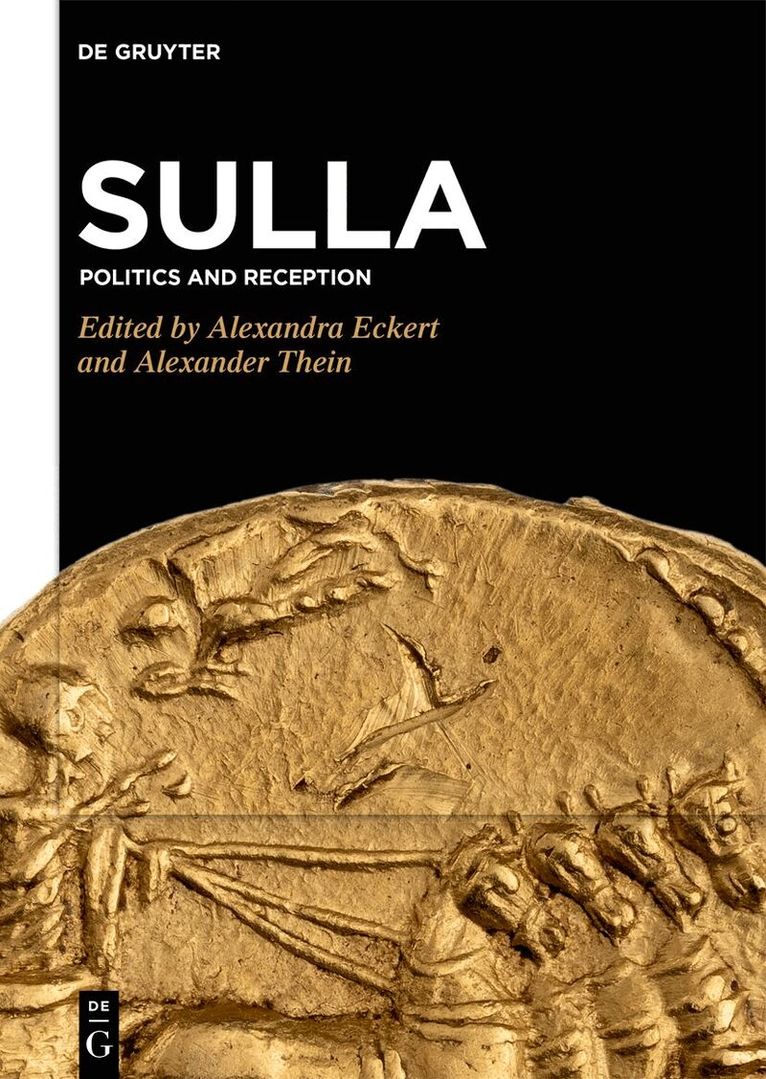
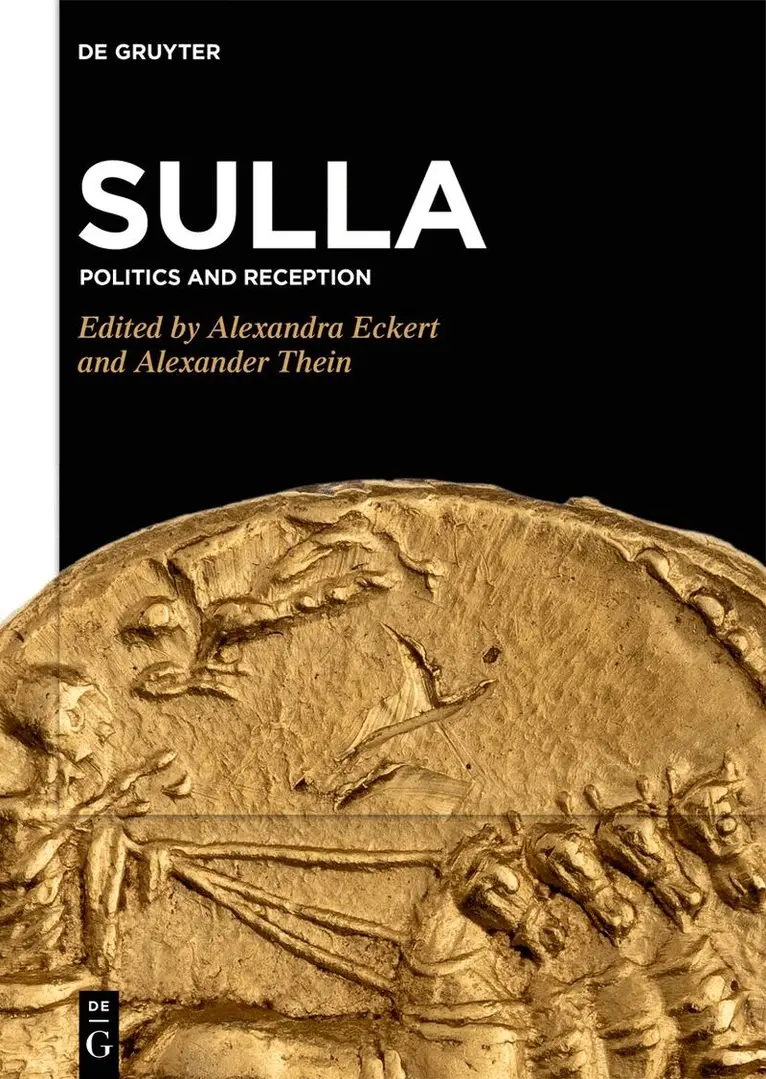
This book brings together an international group of scholars to offer new perspectives on the political impact and afterlife of the dictator Lucius Cornelius Sulla Felix (138–78 B.C.), one of the most important figures in the complex history of the last century of the Roman Republic. It looks beyond the march on Rome, the violence of the proscriptions, or the logic of his political reforms, and offers case studies to illustrate his relations with the Roman populace, the subject peoples of the Greek East, and his own supporters, both veterans and elites, highlighting his long-term political impact and, at times, the limits on his exercise of power. The chapters on reception reassess the good/bad dichotomy of Sulla as tyrant and reformer, focusing on Cicero, while also examining his importance for Sallust, and his characterisation as the antithesis of philhellenism in Greek writers of the Imperial period. Sulla was not straightforward, either as a historical figure or exemplum, and the case studies in this book use the twin approach of politics and reception to offer new readings of Sulla’s aims and impact, both at home and abroad, and why he remained of interest to authors from Sallust to Plutarch and Aelian.
E-bok
Engelska, 20191 447 kr
Läs direkt efter köp
This book brings together an international group of scholars to offer new perspectives on the political impact and afterlife of the dictator Lucius Cornelius Sulla Felix (138–78 B.C.), one of the most important figures in the complex history of the last century of the Roman Republic. It looks beyond the march on Rome, the violence of the proscriptions, or the logic of his political reforms, and offers case studies to illustrate his relations with the Roman populace, the subject peoples of the Greek East, and his own supporters, both veterans and elites, highlighting his long-term political impact and, at times, the limits on his exercise of power. The chapters on reception reassess the good/bad dichotomy of Sulla as tyrant and reformer, focusing on Cicero, while also examining his importance for Sallust, and his characterisation as the antithesis of philhellenism in Greek writers of the Imperial period. Sulla was not straightforward, either as a historical figure or exemplum, and the case studies in this book use the twin approach of politics and reception to offer new readings of Sulla’s aims and impact, both at home and abroad, and why he remained of interest to authors from Sallust to Plutarch and Aelian.
Häftad, Engelska, 2021
314 kr
Skickas inom 5-8 vardagar
This book brings together an international group of scholars to offer new perspectives on the political impact and afterlife of the dictator Lucius Cornelius Sulla Felix (138–78 B.C.), one of the most important figures in the complex history of the last century of the Roman Republic. It looks beyond the march on Rome, the violence of the proscriptions, or the logic of his political reforms, and offers case studies to illustrate his relations with the Roman populace, the subject peoples of the Greek East, and his own supporters, both veterans and elites, highlighting his long-term political impact and, at times, the limits on his exercise of power. The chapters on reception reassess the good/bad dichotomy of Sulla as tyrant and reformer, focusing on Cicero, while also examining his importance for Sallust, and his characterisation as the antithesis of philhellenism in Greek writers of the Imperial period. Sulla was not straightforward, either as a historical figure or exemplum, and the case studies in this book use the twin approach of politics and reception to offer new readings of Sulla’s aims and impact, both at home and abroad, and why he remained of interest to authors from Sallust to Plutarch and Aelian.