Alexandru D. Moise – författare
Visar alla böcker från författaren Alexandru D. Moise. Handla med fri frakt och snabb leverans.
7 produkter
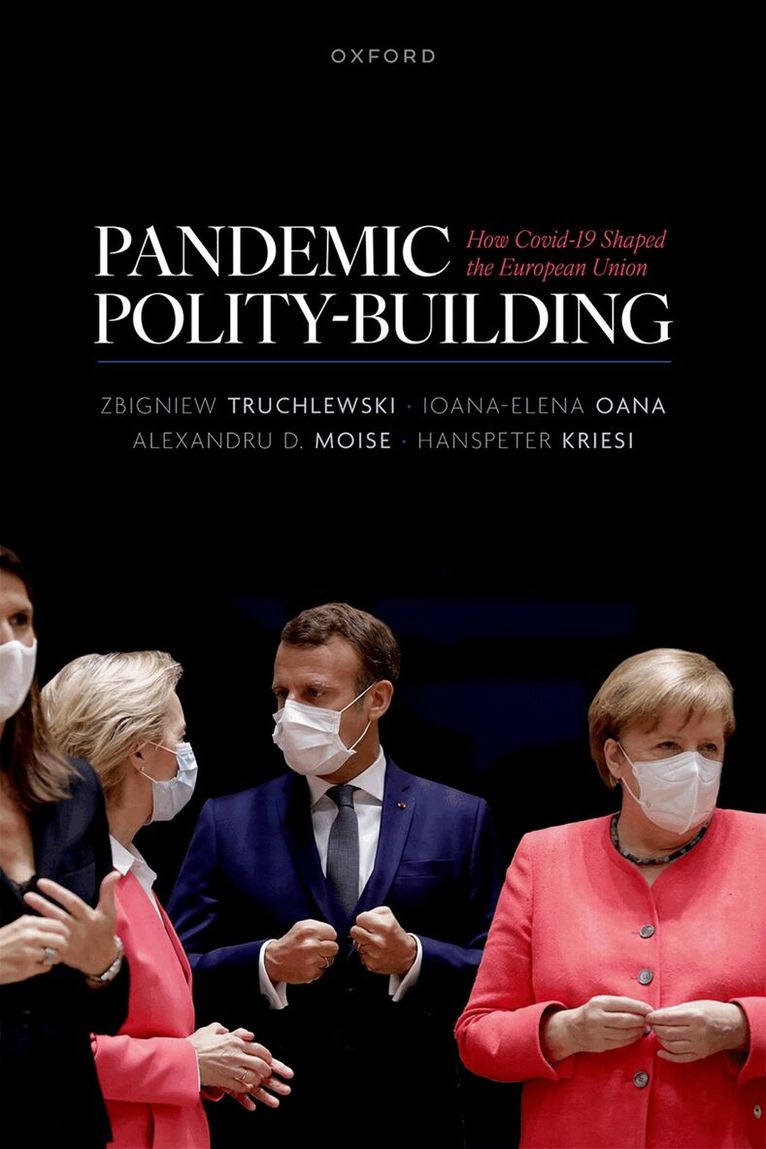
Pandemic Polity-Building
How Covid-19 Shaped the European Union
Av Zbigniew Truchlewski, Ioana- Elena Oana m. fl.
Inbunden, 2025
1461 kr
Lägg i varukorg
In 2020, the European Union faced the COVID-19 crisis. This book tells the unlikely story of how the European Union survived a crisis that arrived on the heels of a difficult decade during which the EU wrestled with repeated crises, from the Euro Area, to refugees, populism, and geopolitics. …
Pandemic Polity-Building
How Covid-19 Shaped the European Union
Av Hanspeter Kriesi, Alexandru D. Moise m. fl.
E-bok, 2025
1303 kr
Lägg i varukorg
In 2020, the European Union faced the COVID-19 crisis. This book tells the unlikely story of how the European Union survived a crisis that arrived on the heels of a difficult decade during which the EU wrestled with repeated crises, from the Euro Area, to refugees, populism, and geopolitics. …
Pandemic Polity-Building
How Covid-19 Shaped the European Union
Av Hanspeter Kriesi, Alexandru D. Moise m. fl.
E-bok, 2025
1275 kr
Lägg i varukorg
In 2020, the European Union faced the COVID-19 crisis. This book tells the unlikely story of how the European Union survived a crisis that arrived on the heels of a difficult decade during which the EU wrestled with repeated crises, from the Euro Area, to refugees, populism, and geopolitics. …
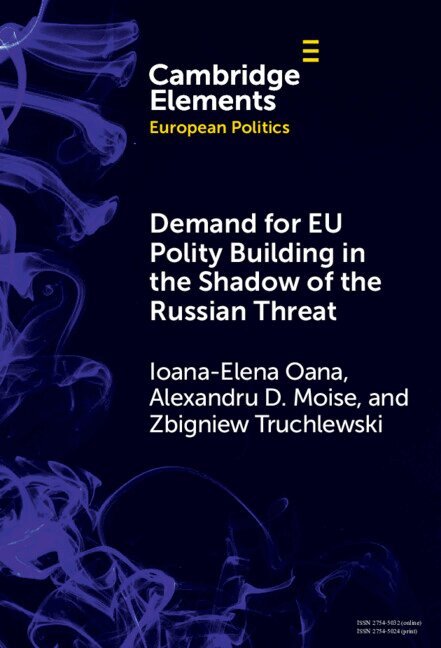
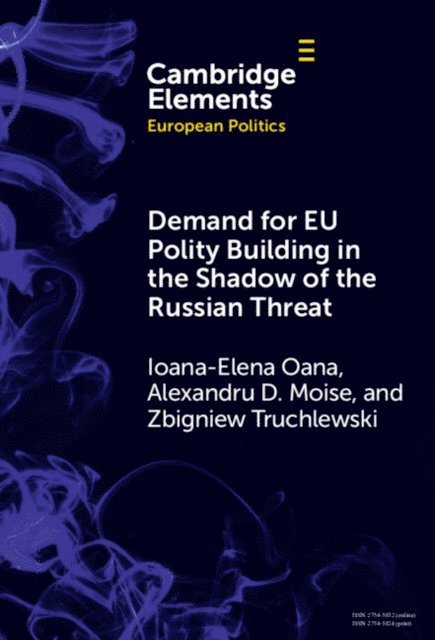
Demand for EU Polity Building in the Shadow of the Russian Threat
Av Ioana-Elena Oana, Alexandru D. Moise m. fl.
Inbunden, 2025
911 kr
Lägg i varukorg
The Russian invasion of Ukraine came on the heels of a series of crises that tested the resilience of the EU as a compound polity and arguably reshaped European policymaking at all levels. This Element investigates the effects of the invasion on public support for European polity building across …
Demand for EU Polity Building in the Shadow of the Russian Threat
Av Zbigniew Truchlewski, Alexandru D. Moise m. fl.
E-bok, 2025
294 kr
Lägg i varukorg
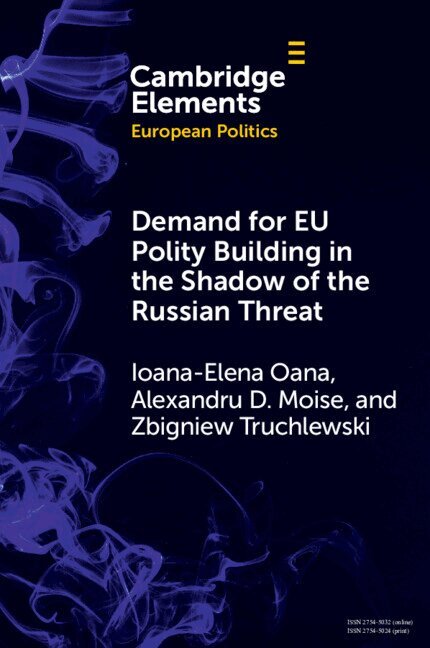
Demand for EU Polity Building in the Shadow of the Russian Threat
Av Ioana-Elena Oana, Alexandru D. Moise m. fl.
Häftad, 2025
282 kr
Lägg i varukorg
The Russian invasion of Ukraine came on the heels of a series of crises that tested the resilience of the EU as a compound polity and arguably reshaped European policymaking at all levels. This Element investigates the effects of the invasion on public support for European polity building across …
Demand for EU Polity Building in the Shadow of the Russian Threat
Av Zbigniew Truchlewski, Alexandru D. Moise m. fl.
E-bok, 2025
294 kr
Lägg i varukorg