Alexis Catsambis - Böcker
Visar alla böcker från författaren Alexis Catsambis. Handla med fri frakt och snabb leverans.
4 produkter
4 produkter
1 630 kr
Skickas inom 5-8 vardagar
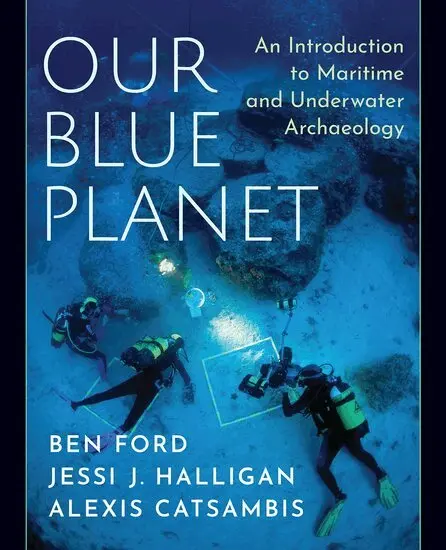
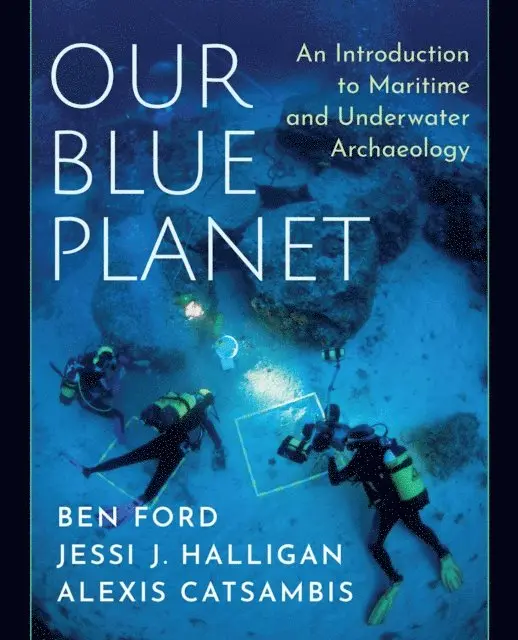
Our Blue Planet provides a comprehensive introduction to the field of maritime and underwater archaeology. Situating the field within the broader study of history and archaeology, this book advocates that an understanding of how our ancestors interacted with rivers, lakes, and oceans is integral to comprehending the human past. Our Blue Planet covers the full breadth of maritime and underwater archaeology, including formerly terrestrial sites drowned by rising sea levels, coastal sites, and a wide variety of wreck sites ranging across the globe and spanning from antiquity to World War II.Beginning with a definition of the field and several chapters dedicated to the methods of finding, recording, and interpreting submerged sites, Our Blue Planet provides an entry point for all readers, whether or not they are familiar with maritime and underwater archaeology or archaeology in general. The book then shifts to a thematic approach with chapters exploring human interactions with the watery world, both along the coasts and by ship. These chapters discuss the relationships between culture, technology, and environment that allowed humans through time to spread across the globe. Because ships were the primary means for humans to interact with large bodies of water, they are the focus of several chapters on the development of shipbuilding technology, the lives of sailors, and the uses of ships in exploration, expansion, and warfare. The book ends with chapters on how and why the non-renewable submerged archaeological record should be managed, so that both current and future generations can learn from the achievements and failures of past societies, as well as on how anyone can become involved in maritime and underwater archaeology. Throughout, the reader benefits from the personal reflections of a number of leading figures in the field.
553 kr
Skickas inom 5-8 vardagar
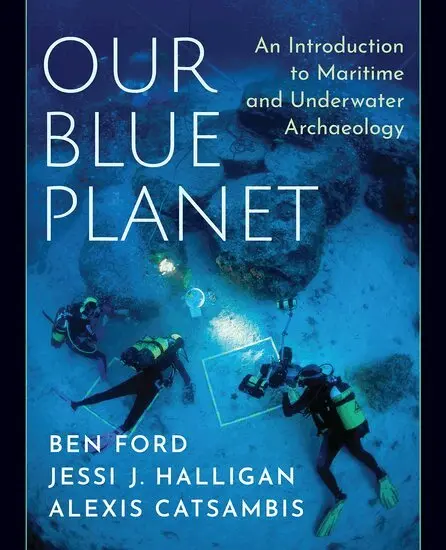
Our Blue Planet provides a comprehensive introduction to the field of maritime and underwater archaeology. Situating the field within the broader study of history and archaeology, this book advocates that an understanding of how our ancestors interacted with rivers, lakes, and oceans is integral to comprehending the human past. Our Blue Planet covers the full breadth of maritime and underwater archaeology, including formerly terrestrial sites drowned by rising sea levels, coastal sites, and a wide variety of wreck sites ranging across the globe and spanning from antiquity to World War II.Beginning with a definition of the field and several chapters dedicated to the methods of finding, recording, and interpreting submerged sites, Our Blue Planet provides an entry point for all readers, whether or not they are familiar with maritime and underwater archaeology or archaeology in general. The book then shifts to a thematic approach with chapters exploring human interactions with the watery world, both along the coasts and by ship. These chapters discuss the relationships between culture, technology, and environment that allowed humans through time to spread across the globe. Because ships were the primary means for humans to interact with large bodies of water, they are the focus of several chapters on the development of shipbuilding technology, the lives of sailors, and the uses of ships in exploration, expansion, and warfare. The book ends with chapters on how and why the non-renewable submerged archaeological record should be managed, so that both current and future generations can learn from the achievements and failures of past societies, as well as on how anyone can become involved in maritime and underwater archaeology. Throughout, the reader benefits from the personal reflections of a number of leading figures in the field.
3 198 kr
Skickas inom 7-10 vardagar
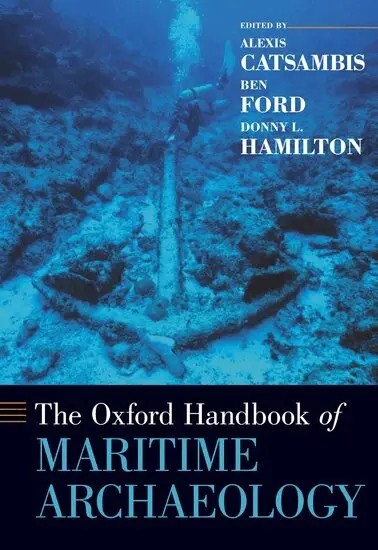
The Oxford Handbook of Maritime Archaeology is a comprehensive survey of the field as seen through the eyes of nearly fifty scholars at a time when maritime archaeology has established itself as a mature branch of archaeology. This volume draws on many of the distinct and universal aspects of maritime archaeology, bringing them together under four main themes: the research process, ships and shipwrecks, maritime and nautical culture, and issues of preservation and management. The first section of the book deals with the best practices for locating, documenting, excavating, and analyzing submerged sites. This methodological foundation is followed by a sample of shipwreck studies from around the world as scholars trace the regional development of ships and seafaring. Chosen to balance the traditional core regions of maritime archaeology with important but lesser-studied areas, it aims at offering an international account of the study of submerged sites. Reflecting the growing number of scholars who study past maritime cultures, but not shipwrecks, the third section of the book addresses various aspects of the maritime landscape and ethnography above and below the water. The final chapters then approach maritime archaeology in a broader context, moving beyond archaeological sites to discuss the archaeological record in general within legal, preservation, and management frameworks.Taken together, these individual and original articles provide a valuable resource that summarizes the current state of the field of maritime archaeology and offers insight into the future of this established and growing discipline.
935 kr
Skickas
The Oxford Handbook of Maritime Archaeology is a comprehensive survey of the field as seen through the eyes of nearly fifty scholars at a time when maritime archaeology has established itself as a mature branch of archaeology. This volume draws on many of the distinct and universal aspects of maritime archaeology, bringing them together under four main themes: the research process, ships and shipwrecks, maritime and nautical culture, and issues of preservation and management. The first section of the book deals with the best practices for locating, documenting, excavating, and analyzing submerged sites. This methodological foundation is followed by a sample of shipwreck studies from around the world as scholars trace the regional development of ships and seafaring. Chosen to balance the traditional core regions of maritime archaeology with important but lesser-studied areas, it aims at offering an international account of the study of submerged sites. Reflecting the growing number of scholars who study past maritime cultures, but not shipwrecks, the third section of the book addresses various aspects of the maritime landscape and ethnography above and below the water. The final chapters then approach maritime archaeology in a broader context, moving beyond archaeological sites to discuss the archaeological record in general within legal, preservation, and management frameworks.Taken together, these individual and original articles provide a valuable resource that summarizes the current state of the field of maritime archaeology and offers insight into the future of this established and growing discipline.