Alicja Fandrejewska - Böcker
Visar alla böcker från författaren Alicja Fandrejewska. Handla med fri frakt och snabb leverans.
4 produkter
4 produkter
784 kr
Skickas inom 10-15 vardagar
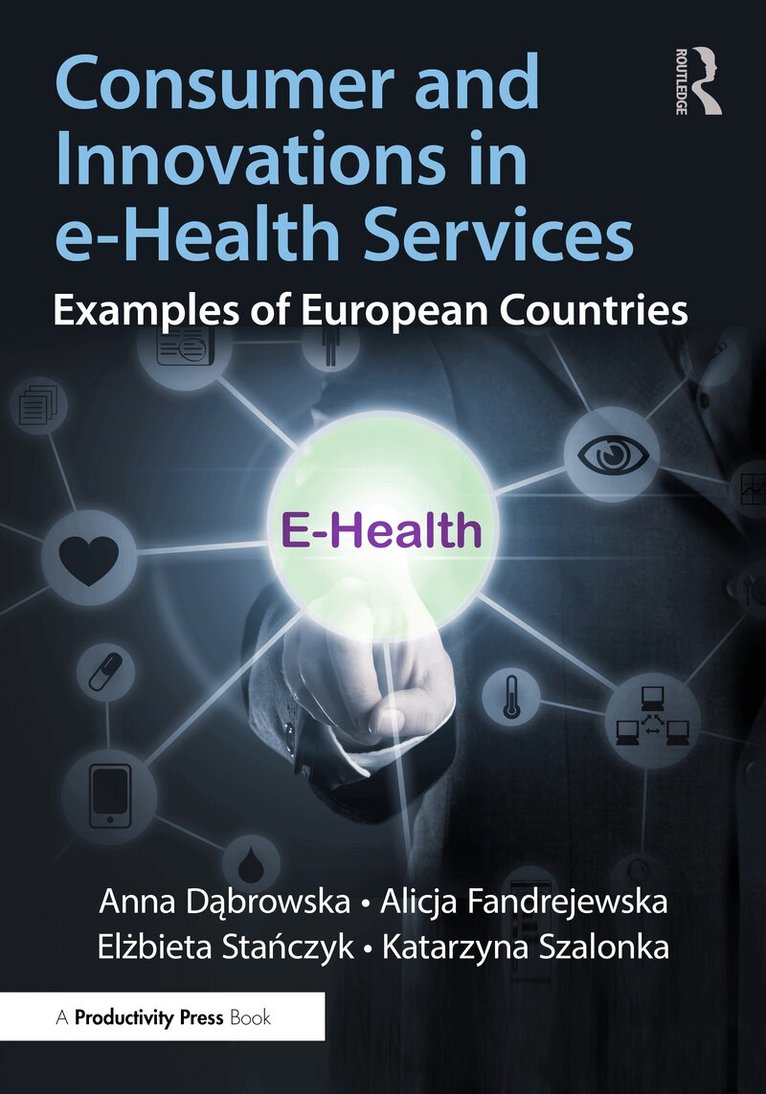
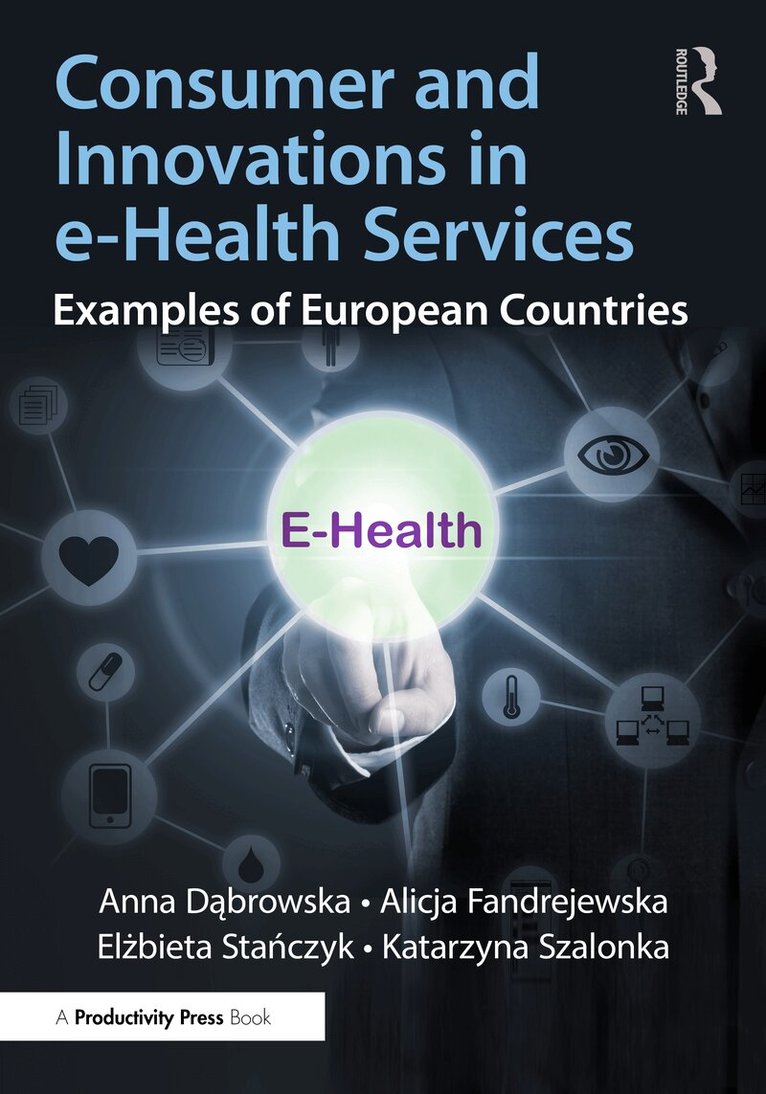
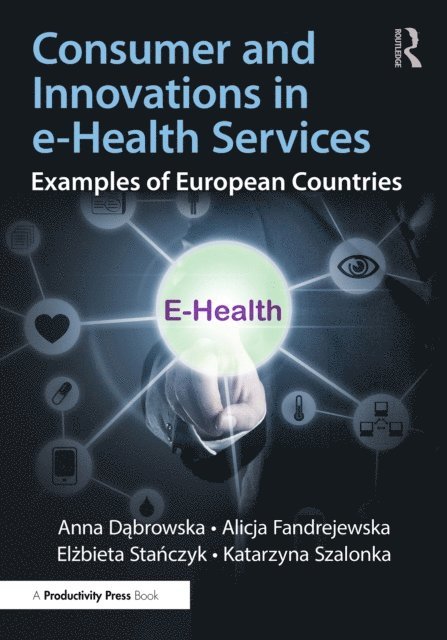
Innovations in e-health can significantly enhance healthcare accessibility, efficiency and patient safety. The advancements, such as telemedicine and electronic health records, facilitate remote access to healthcare services, reducing geographical barriers and addressing the urgent needs of patients. Moreover, they enable healthcare providers to deliver more personalized and accurate healthcare services thanks to integrating technologies like artificial intelligence. Ehealth optimizes healthcare costs, addresses current, pressing needs of individuals, communities and societies and adapts to the changing landscape of healthcare, making it a crucial and highly relevant topic in today’s world. This book discusses critical aspects associated with the implementation of technological innovations in the e-health market. The authors have identified the technological innovations introduced in the e-health sector during the last decade of the twenty- first century and explored how patients are adapting to and managing these technological advancements. The authors conducted research in four selected European countries: Poland, Finland, Estonia and Spain, with a focus on understanding the extent to which these new technological solutions have been embraced by demand- side actors, that is, recipients/users of e-health services. The resulting book aims to address the following questions: What barriers do new technological solutions encounter in their implementation? Do the e-health services and solutions contribute to improving health and extending life expectancy in individual European countries? The book offers a comprehensive overview of innovations in digital health services, concentrating on this sector as evaluated by the institutions responsible for their functioning and the development of the supply side of e-health services. Additionally, the book provides an in- depth analysis of patients’ attitudes toward technological advancements in medical services, focusing on their interaction with digital healthcare solutions and assessing the willingness of e-patients to incorporate cutting-edge e-health services into their health- related behaviors. Finally, the book presents an analysis and assessment of using technological solutions to enhance the efficiency and effectiveness of the healthcare system in Europe.It provides practical insights and a comprehensive view of innovations and e-services in healthcare, catering to a diverse audience, including practitioners and managers of healthcare entities, patients, tech start- ups, researchers and students.
2 020 kr
Skickas inom 10-15 vardagar
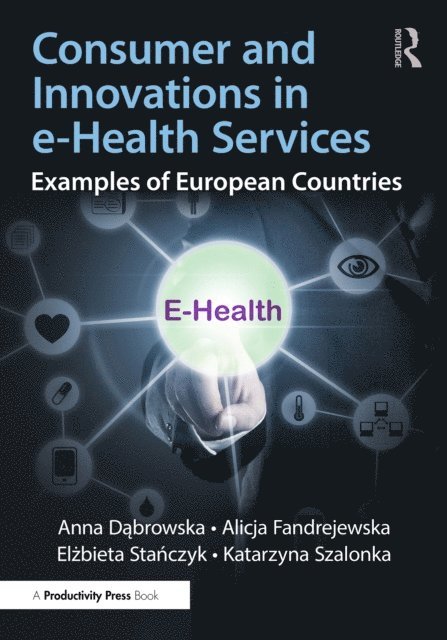
Innovations in e-health can significantly enhance healthcare accessibility, efficiency and patient safety. The advancements, such as telemedicine and electronic health records, facilitate remote access to healthcare services, reducing geographical barriers and addressing the urgent needs of patients. Moreover, they enable healthcare providers to deliver more personalized and accurate healthcare services thanks to integrating technologies like artificial intelligence. Ehealth optimizes healthcare costs, addresses current, pressing needs of individuals, communities and societies and adapts to the changing landscape of healthcare, making it a crucial and highly relevant topic in today’s world. This book discusses critical aspects associated with the implementation of technological innovations in the e-health market. The authors have identified the technological innovations introduced in the e-health sector during the last decade of the twenty- first century and explored how patients are adapting to and managing these technological advancements. The authors conducted research in four selected European countries: Poland, Finland, Estonia and Spain, with a focus on understanding the extent to which these new technological solutions have been embraced by demand- side actors, that is, recipients/users of e-health services. The resulting book aims to address the following questions: What barriers do new technological solutions encounter in their implementation? Do the e-health services and solutions contribute to improving health and extending life expectancy in individual European countries? The book offers a comprehensive overview of innovations in digital health services, concentrating on this sector as evaluated by the institutions responsible for their functioning and the development of the supply side of e-health services. Additionally, the book provides an in- depth analysis of patients’ attitudes toward technological advancements in medical services, focusing on their interaction with digital healthcare solutions and assessing the willingness of e-patients to incorporate cutting-edge e-health services into their health- related behaviors. Finally, the book presents an analysis and assessment of using technological solutions to enhance the efficiency and effectiveness of the healthcare system in Europe.It provides practical insights and a comprehensive view of innovations and e-services in healthcare, catering to a diverse audience, including practitioners and managers of healthcare entities, patients, tech start- ups, researchers and students.
673 kr
Skickas inom 10-15 vardagar
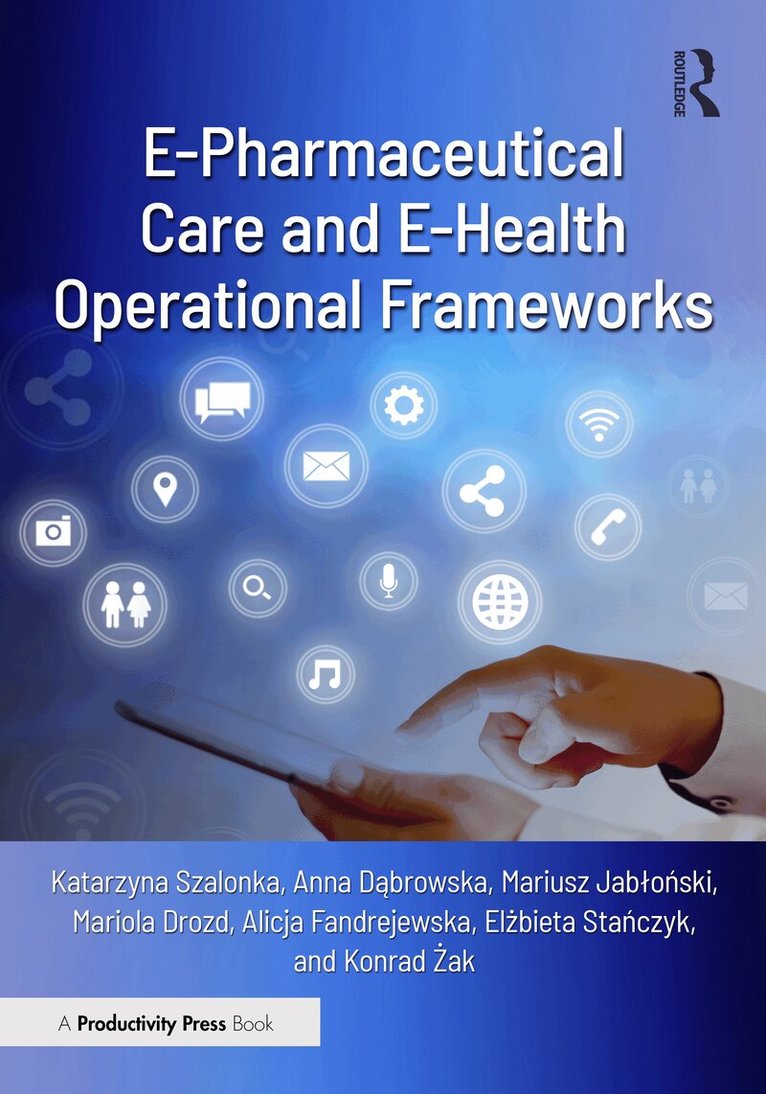
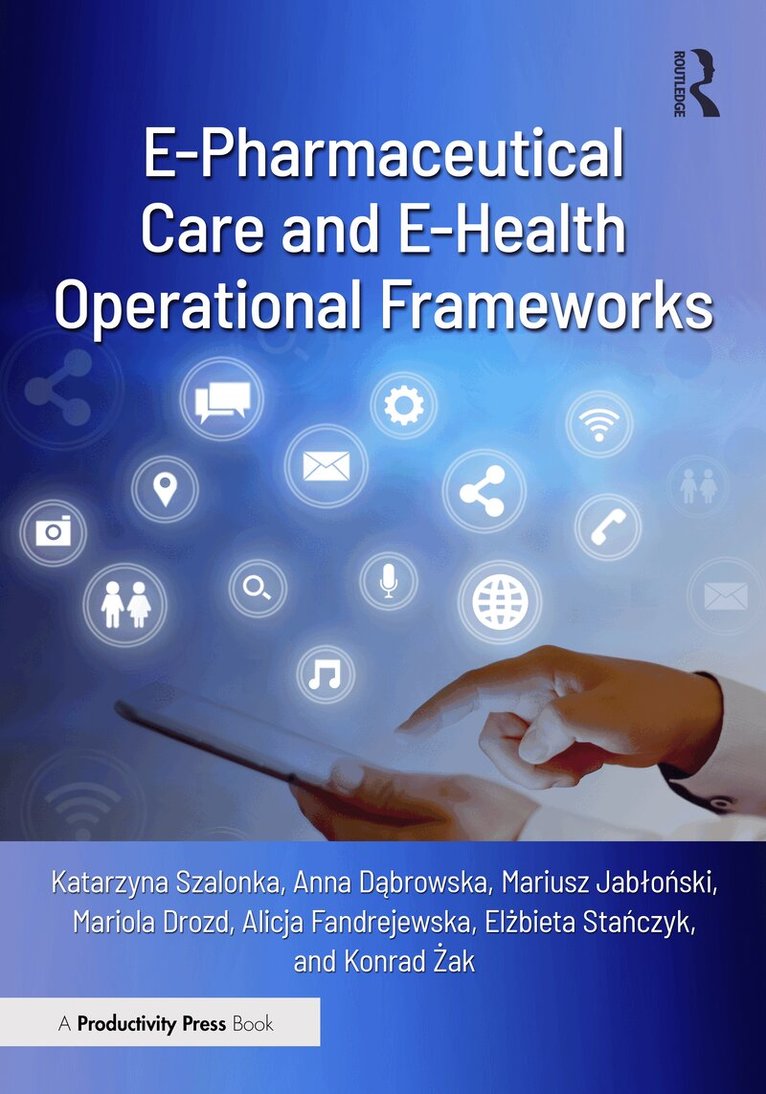
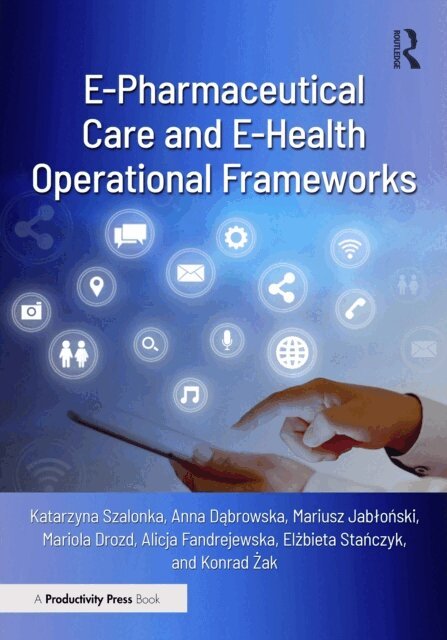
This book aims to explore the potential of e- Health tools in revolutionizing healthcare services.Through an in-depth analysis, the authors showcase tools already functioning in the market and those expected to be implemented soon. Furthermore, the authors focus on e- Health tools that have yet to be adopted due to organizational and mental barriers on the part of their potential users, medical and pharmaceutical practitioners, patients and consumers. Drawing insights from surveys conducted among medical professionals, pharmaceutical staff and patients, the authors examine the awareness of medical practitioners and patients of the usability, necessity and benefits of these IT tools. It is important to indicate that no country has fully integrated e-Health systems into its healthcare infrastructure. Through their research, the authors present useful tools by analyzing the barriers that have hindered their implementation. This book also presents legal regulations aimed to establish systemic responsibilities for entities within the medical and pharmaceutical sectors and safeguard the sensitive data stored and processed within these systems. This book also explores cutting-edge technologies that ensure the safety of treatment and pharmacotherapy. These technologies empower healthcare providers to deliver interactive, health-promoting materials to patients based on the latest medical and pharmaceutical knowledge. By equipping patients with accurate information about their conditions and medication regimens, these tools mitigate the risks associated with misinformation sourced from unreliable outlets, thus fostering informed decision-making in healthcare. This book outlines a comprehensive model for synchronizing e-Health tools, designed to improve the quality of medical services by engaging all stakeholders in the healthcare ecosystem – including those involved in medical services, diagnostics, dietetics, physiotherapy and pharmacy. The data analysis includes the advantages and potential risks for healthcare providers and patients. Finally, this book aims to present a digitization model that would bring individual healthcare providers together, and as a result, improve the quality of services, reduce diagnosis times, and leverage artificial intelligence (AI)-based solutions for disease diagnosis.
1 950 kr
Skickas inom 10-15 vardagar
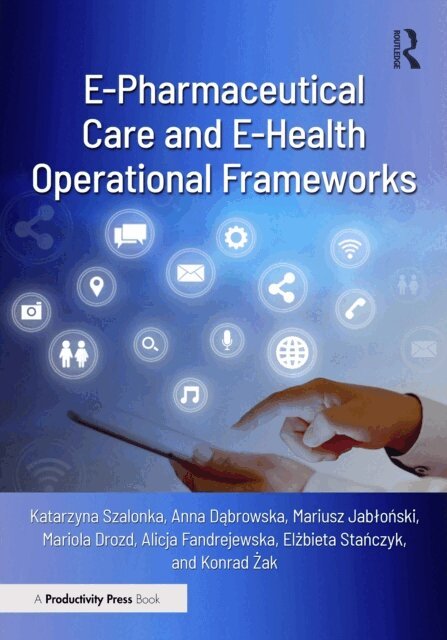
This book aims to explore the potential of e- Health tools in revolutionizing healthcare services.Through an in-depth analysis, the authors showcase tools already functioning in the market and those expected to be implemented soon. Furthermore, the authors focus on e- Health tools that have yet to be adopted due to organizational and mental barriers on the part of their potential users, medical and pharmaceutical practitioners, patients and consumers. Drawing insights from surveys conducted among medical professionals, pharmaceutical staff and patients, the authors examine the awareness of medical practitioners and patients of the usability, necessity and benefits of these IT tools. It is important to indicate that no country has fully integrated e-Health systems into its healthcare infrastructure. Through their research, the authors present useful tools by analyzing the barriers that have hindered their implementation. This book also presents legal regulations aimed to establish systemic responsibilities for entities within the medical and pharmaceutical sectors and safeguard the sensitive data stored and processed within these systems. This book also explores cutting-edge technologies that ensure the safety of treatment and pharmacotherapy. These technologies empower healthcare providers to deliver interactive, health-promoting materials to patients based on the latest medical and pharmaceutical knowledge. By equipping patients with accurate information about their conditions and medication regimens, these tools mitigate the risks associated with misinformation sourced from unreliable outlets, thus fostering informed decision-making in healthcare. This book outlines a comprehensive model for synchronizing e-Health tools, designed to improve the quality of medical services by engaging all stakeholders in the healthcare ecosystem – including those involved in medical services, diagnostics, dietetics, physiotherapy and pharmacy. The data analysis includes the advantages and potential risks for healthcare providers and patients. Finally, this book aims to present a digitization model that would bring individual healthcare providers together, and as a result, improve the quality of services, reduce diagnosis times, and leverage artificial intelligence (AI)-based solutions for disease diagnosis.