Alina Maria Holban - Böcker
1 288 kr
Skickas inom 7-10 vardagar
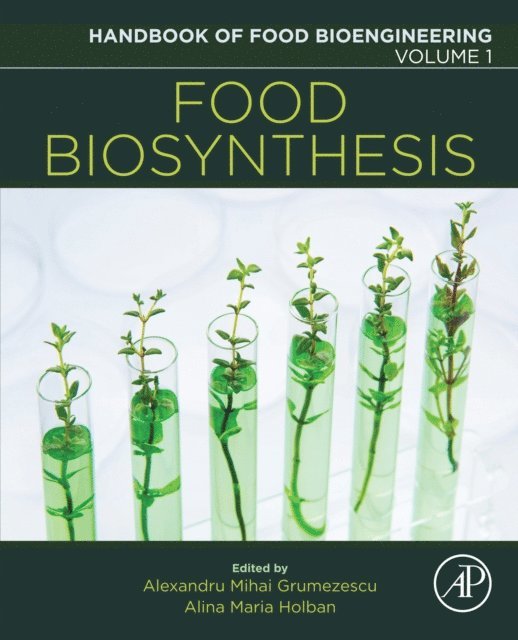
Food Biosynthesis, Volume One in the Handbook of Food Bioengineering series, describes the main aspects related to the biological production of synthetic ingredients and natural foods, highlighting the impact of bacteria and plants in the biosynthesis of key food components. Biosynthesis methods could help solve issues like food shortages, providing consumers with preferred 'natural' food options. This book represents how biologically synthesized ingredients, such as vanilla flavoring, soy, milk and egg substitutes can be utilized as a desired option future foods. It is ideal for scientists and researchers who want to improve their knowledge on the field of food biosynthesis.
Presents practical approaches of biosynthesis and the impact of biological origin on the field of food engineering Offers alternative applications to produce natural foods Includes processes and techniques to produce health promoting foods Discusses the positive effects of biosynthesis on microbial production to enhance food safety Offers a variety of perspectives on biosynthesis and its benefits for food ingredient production1 446 kr
Skickas inom 7-10 vardagar
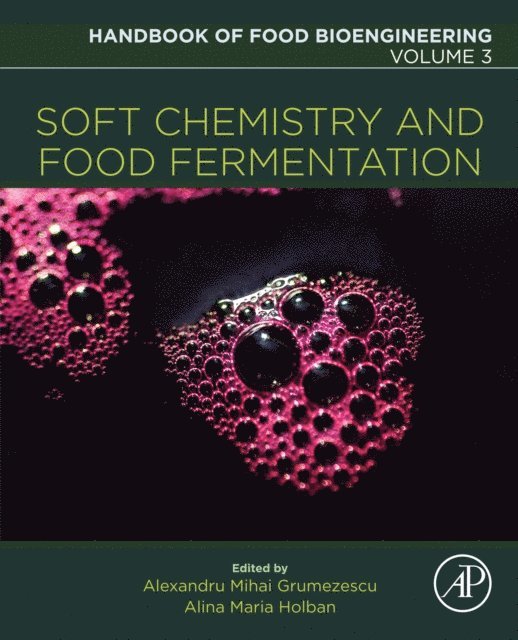
Soft Chemistry and Food Fermentation, Volume Three, the latest release in the Handbook of Food Bioengineering series is a practical resource that provides significant knowledge and new perspectives in food processing and preservation, promoting renewable resources by applying soft ecological techniques (i.e. soft chemistry). Fermentation represents a simple and very efficient way to preserve food in developing countries where other methods, depending on specialized instruments, are not available. Through processes of soft chemistry and fermentation, food ingredients can be produced with improved properties (such as pharmabiotics) able to promote health.
Includes the most recent scientific progress with proven biological, physical and chemical applications of the food engineering process to understand fermentation Presents novel opportunities and ideas for developing and improving technologies in the food industry that are useful to researchers in food bioengineering Provides eco-friendly approaches towards components, materials and technologies developed for improvements in food quality and stability Includes valuable information useful to a wide audience interested in food chemistry and the bioremediation of new foods1 446 kr
Skickas inom 7-10 vardagar
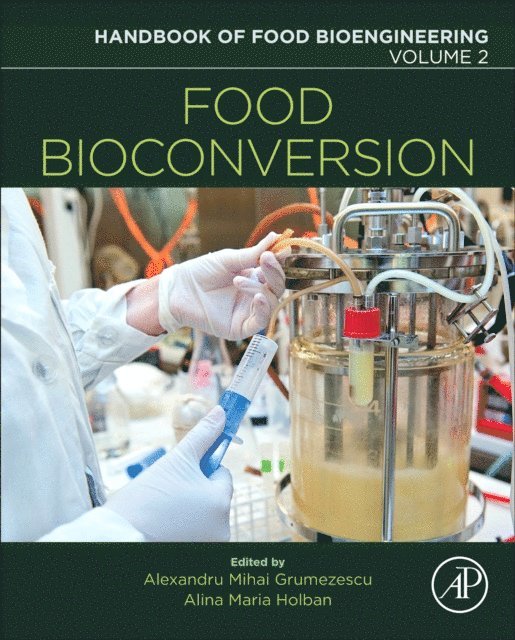
Food Bioconversion, Volume Two in the Handbook of Food Bioengineering series is an interdisciplinary resource of fundamental information on waste recovery and biomaterials under certain environmental conditions. The book provides information on how living organisms can be used to transform waste into compounds that can be used in food, and how specialized living cells in plants, animals and water can convert the most polluting agents into useful non-toxic products in a sustainable way. This great reference on the bioconversion of industrial waste is ideal in a time when food resources are limited and entire communities starve.
Presents extraction techniques of biological properties to enhance food's functionality, i.e. functional foods or nutraceuticals Provides detailed information on waste material recovery issues Compares different techniques to help advance research and develop new applications Includes research solutions of different biological treatments to produce foods with antibiotic properties, i.e. probiotics Explores how bioconversion technologies are essential for research outcomes to increase high quality food production1 446 kr
Skickas inom 7-10 vardagar
Diet, Microbiome and Health, Volume 11, in the Handbook of Food Bioengineering series, presents the most up-to-date research to help scientists, researchers and students in the field of food engineering understand the different microbial species we have in our guts, why they are important to human development, immunity and health, and how to use that understanding to further promote research to create healthy food products. In addition, the book provides studies that clearly demonstrate how dietary preferences and social behavior significantly impact the diversity of microbial species in the gut and their numeric values, which may balance health and disease.
Highlights research discoveries on how gut microbiota influence and are impacted by health and disease Includes information on and examples of healthy foods Discusses gut microbiota in autism, GI disease, neuropsychiatric disorders, obesity and metabolic disease Explores the barrier function of the gut Examines how food preferences impact gut microbiotaImpact of Nanoscience in the Food Industry
1 446 kr
Skickas inom 7-10 vardagar
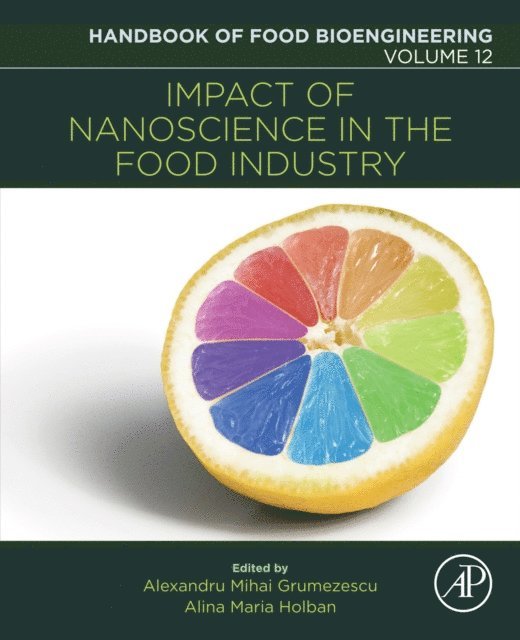
The Impact of Nanoscience in the Food Industry, Volume 12 in The Handbook of Food Bioengineering series, explores how nanoscience applications in food engineering offer an alternative to satisfying current food needs that cannot be fulfilled by natural products. Nanotechnology enables the development of tailored food ingredients and structures to replace products that are difficult to obtain. The book discusses how specialized nano-preservatives, sensors and food degradation and contamination detectors were developed and how they can be introduced in food products without degrading quality or properties of the final product. A valuable resource for food engineering researchers and students alike.
Identifies common nanomaterials used in food preservation and food packaging Provides industrial applications to increase food production Describes analytical methods for assessing food safety Identifies how nanoscience advances allow for new developments in functional foods and nutraceuticals Discusses safety concerns, regulations and restricted use of nanomaterials in food bioengineeringFood Quality: Balancing Health and Disease
1 446 kr
Skickas inom 7-10 vardagar
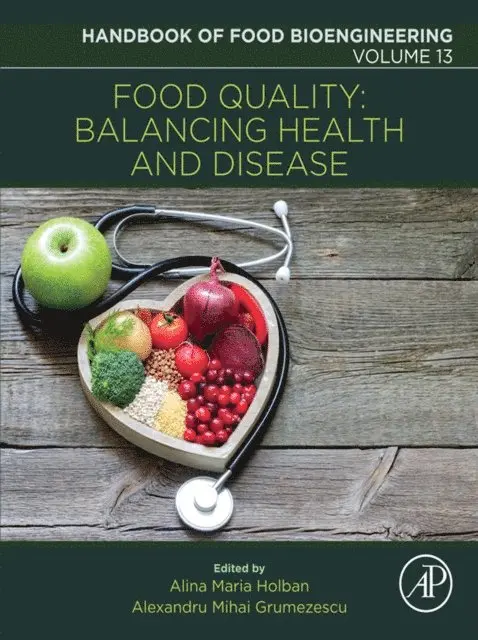
Food Quality: Balancing Health and Disease, Volume Thirteen in the Handbook of Food Bioengineering series, provides essential information for researchers, scientists and students on the relationship between the quality of foods and disease at the biological level. It presents different technological approaches to detect food properties and their capabilities for balancing health and disease to deliver high-quality products to consumers. This volume explores the dynamic potential of how food bioengineering can improve traditional foods through modern methods to make a positive impact on human health and foster innovation.
Provides information on how bioavailability of nutrients and food formulation can be used to prevent or improve disease Includes the most recent research methods of metabolomics and genomics to detect best outcomes Includes innovative applications for anti-aging effects and curative properties in foods Presents research examples on how both human gut microbiota and food components control the way certain organisms develop and react in different environmental conditionsAdvances in Biotechnology for Food Industry
1 459 kr
Skickas inom 7-10 vardagar
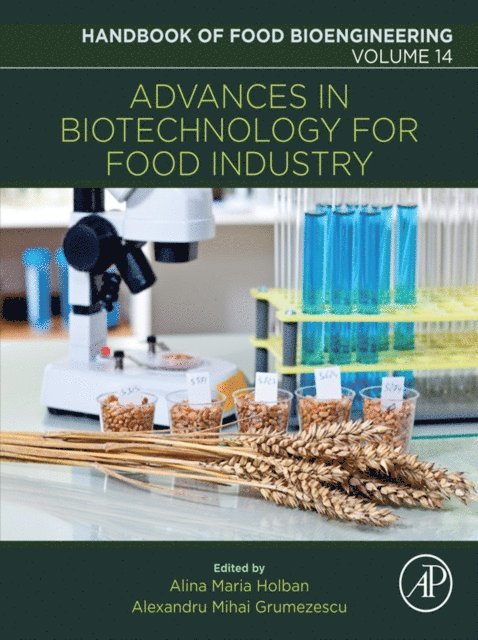
Advances in Biotechnology for Food Industry, Volume Fourteen in the Handbook of Food Bioengineering series, provides recent insight into how biotechnology impacts the global food industry and describes how food needs are diverse, requiring the development of innovative biotechnological processes to ensure efficient food production worldwide. Many approaches were developed over the last 10 years to allow faster, easier production of widely used foods, food components and therapeutic food ingredients. This volume shows how biotechnological processes increase production and quality of food products, including the development of anti-biofilm materials to decrease microbial colonization in bioreactors and food processing facilities.
Presents basic to advanced technological applications in food biotechnology Includes various scientific techniques used to produce specific desired traits in plants, animals and microorganisms Provides scientific advances in food processing and their impact on the environment, human health and food safety Discusses the development of controlled co-cultivations for reproducible results in fermentation processes in food biotechnology1 459 kr
Skickas inom 7-10 vardagar
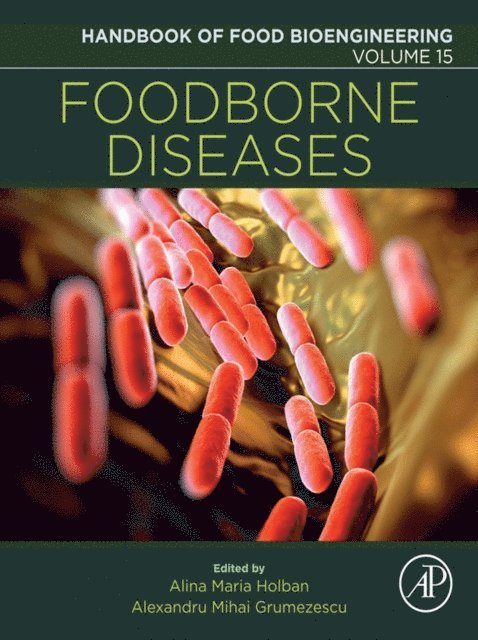
Foodborne Diseases, Volume Fifteen, is the latest release in the Handbook of Bioengineering series. This volume covers the ever-changing complex issues that have emerged in the food industry over the past decade. This is a solid reference with broad coverage to provide a foundation for a practical understanding of diseases and related industrial applications. It will help researchers and scientists manage foodborne diseases and prevent and control outbreaks. The book provides information on the most common and classical foodborne diseases, their emergence and inquiries, along with the most investigated and successful strategies developed to combat these health-threatening conditions.
Identifies the advances in biotechnology, emerging technologies, food safety and quality control that impact foodborne diseases Explores advances in vaccines to fight foodborne illness Addresses Campylobacter, Listeria, Staphylococcus aureus, Salmonella, Vibrio and Helicobacter Discusses biosensor based methods for determining foodborne pathogens Includes molecular typing of major foodborne pathogens1 446 kr
Skickas inom 7-10 vardagar
Food Control and Biosecurity, Volume Sixteen, the latest release in the Handbook of Food Bioengineering series, is an essential resource for anyone in the food industry who needs to understand safety and quality control to prevent or reduce the spread of foodborne diseases. The book covers information from exporter to transporter, importer and retailer, and offers valuable tools to measure food quality while also addressing government standards and regulations for food production, processing and consumption. The book presents cutting-edge methods for detecting hazardous compounds within foods, including carcinogenic chemicals. Other related topics addressing food insecurity and food defense are also discussed.
Identifies the latest import/export regulations related to food control and biosecurity Provides detection and analysis methods to ensure a safe food supply Presents risk assessment tools and prevention strategies for food safety and process control1 446 kr
Skickas inom 7-10 vardagar
Alternative and Replacement Foods, Volume 17, a volume in the Handbook of Food Bioengineering series, presents the most up-to-date research on synthetic and replacement food components for scientists and researchers. The book helps them understand the significant impact of these foods on the length and quality of life of consumers. It presents a solid resource that brings together multidisciplinary research and its relationship to various disciplines. Readers will find a broad range of potential outcomes discussed, such as food safety, human and animal health benefits, and the development of new and novel foods through the bio-fortification of nutrients in foods.
Discusses how specialty food products improve diet and heath Summarizes advances in dietary supplements, probiotics and nutraceuticals Includes research advances on snacks, vegan diets, gluten-free foods and more Provides identification and research studies on anti-obesity foods Presents information on alternative protein sourcesFood Processing for Increased Quality and Consumption
1 446 kr
Skickas inom 7-10 vardagar
Food Processing for Increased Quality and Consumption, Volume 18 in the Handbook of Food Bioengineering series, offers an updated perspective on the novel technologies utilized in food processing. This resource highlights their impact on health, industry and food bioengineering, also emphasizing the newest aspects of investigated technologies and specific food products through recently developed processing methods. As processed foods are more frequently consumed, there is increased demand to produce foods that attract people based on individual preferences, such as taste, texture or nutritional value. This book provides advantageous tools that improve food quality, preservation and aesthetics.
Examines different frying techniques, dielectric defrosting, high pressure processing, and more Provides techniques to improve the quality and sensory aspects of foods Includes processing techniques for meat, fish, fruit, alcohol, yogurt and whey Outlines techniques for fresh, cured and frozen foods Presents processing methods to improve the nutritional value of foodsRole of Materials Science in Food Bioengineering
1 446 kr
Skickas inom 7-10 vardagar
The Role of Materials Science in Food Bioengineering, Volume 19 in the Handbook of Food Bioengineering, presents an up-to-date review of the most recent advances in materials science, further demonstrating its broad applications in the food industry and bioengineering. Many types of materials are described, with their impact in food design discussed. The book provides insights into a range of new possibilities for the use of materials and new technologies in the field of food bioengineering. This is an essential reference on bioengineering that is not only ideal for researchers, scientists and food manufacturers, but also for students and educators.
Discusses the role of material science in the discovery and design of new food materials Reviews the medical and socioeconomic impact of recently developed materials in food bioengineering Includes encapsulation, coacervation techniques, emulsion techniques and more Identifies applications of new materials for food safety, food packaging and consumption Explores bioactive compounds, polyphenols, food hydrocolloids, nanostructures and other materials in food bioengineering1 459 kr
Skickas inom 7-10 vardagar
Biopolymers for Food Design, Volume 20 in the Handbook of Bioengineering series, describes how biopolymers have made a major impact in the food industry, from food design, to food control and safety. Biopolymers can be used in the development of novel nutritional alternatives, to replace difficult to obtain food products, or for foods inaccessible or inappropriate for a particular population (i.e. allergic to specific components). In addition, some polymers can be used as functional ingredients, and can also represent efficient scaffolds for food ingredients with therapeutic values. This valuable reference is ideal for those looking for new solutions for the food industry.
Presents common biopolymers and their applications in food bioengineering, from food design, to control and safety Identifies how the use of certain biopolymers can result in faster production time and reduced costs Includes cutting-edge technologies used in research for food design and other food-related applications Discusses the use of biopolymers in food packaging, shelf-life extension, and the creation of novel food productsMicrobial Contamination and Food Degradation
1 446 kr
Skickas inom 7-10 vardagar
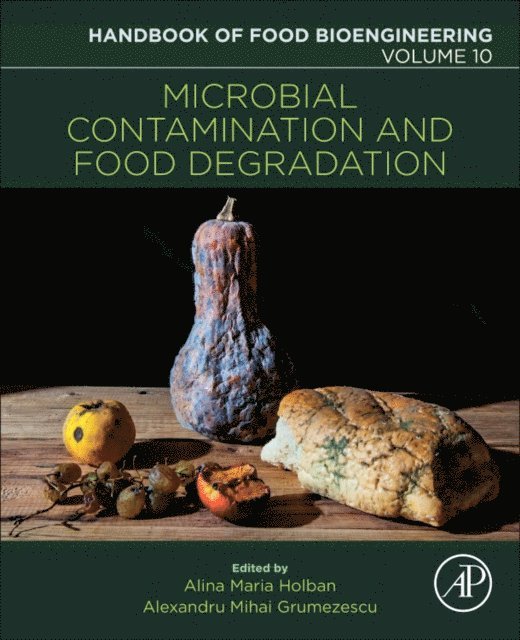
Microbial Contamination and Food Degradation, Volume 10 in the Handbook of Food Bioengineering series, provides an understanding of the most common microbial agents involved in food contamination and spoilage, and highlights the main detection techniques to help pinpoint the cause of contamination. Microorganisms may cause health-threatening conditions directly by being ingested together with contaminated food, or indirectly by producing harmful toxins and factors that can cause food borne illness. This resource discusses the potential sources of contamination, the latest advances in contamination research and strategies to prevent contamination using key methods of analysis and evaluation.
Presents modern alternatives for avoiding microbial spoilage and food degradation using preventative and intervention technologies Provides key methods for addressing microbial contamination and preventing food borne illness through research and risk assessment analysis Includes detailed information on bacterial contamination problems in different environmental environments and the methodologies to help solve those problems1 446 kr
Skickas inom 7-10 vardagar
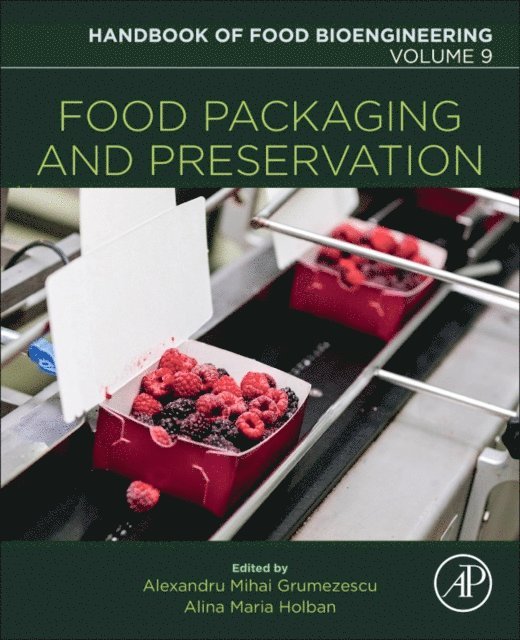
Food Packaging and Preservation, Volume 9 in the Handbook of Food Bioengineering series, explores recent approaches to preserving and prolonging safe use of food products while also maintaining the properties of fresh foods. This volume contains valuable information and novel ideas regarding recently investigated packaging techniques and their implications on food bioengineering. In addition, classical and modern packaging materials and the impact of materials science on the development of smart packaging approaches are discussed. This book is a one-stop-shop for anyone in the food industry seeking to understand how bioengineering can foster research and innovation.
Presents cutting technologies and approaches utilized in current and future food preservation for both food and beverages Offers research methods for the creation of novel preservatives and packaging materials to improve the quality and lifespan of preserved foods Features techniques to ensure the safe use of foods for longer periods of time Provides solutions of antimicrobial films and coatings for food packaging applications to enhance food safety and quality1 446 kr
Skickas inom 7-10 vardagar
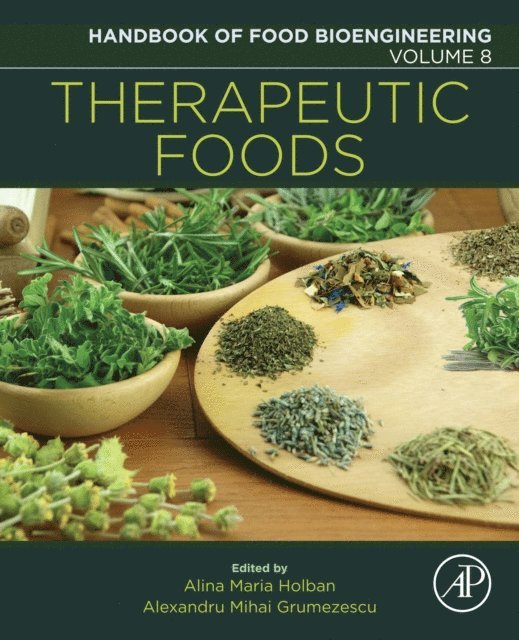
Therapeutic Foods, Volume 8 in the Handbook of Food Bioengineering series, is an essential resource for anyone investigating foods that may be utilized as therapeutic agents. Plants and animal products have been utilized since ancient times as medicine to treat diseases, and the properties within foods and ingredients are still investigated for food therapy and prophylaxis. The book is a comprehensive resource for researchers and scientists already in the field or those just entering. It covers many spices, plant extracts, essential oils and vegetal mixtures that have immune-stimulatory effects and can be efficiently utilized in the treatment of infections and cancer.
Presents introductory chapters for background and practical examples of therapeutic foods used in different diseases to aid in research Provides scientific methods to help eliminate food spoilage and bacterial contamination in food packaging Includes benefits of the applications of functional properties of food and food ingredients to benefit health and well-beingNatural and Artificial Flavoring Agents and Food Dyes
1 446 kr
Skickas inom 7-10 vardagar
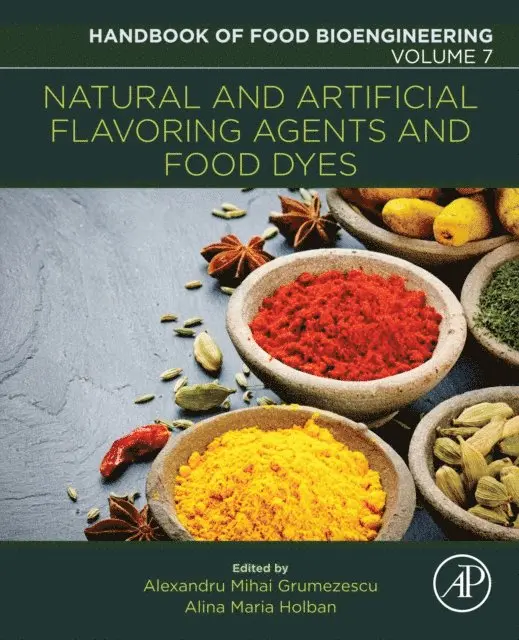
Natural and Artificial Flavoring Agents and Dyes, Volume 7 in the Handbook of Food Bioengineering series, examines the use of natural vs. artificial food dyes and flavors, highlighting some of the newest production and purification methods. This solid resource explores the most recent trends and benefits of using natural agents over artificial in the production of foods and beverages. Using the newest technologies and evidence-based research methods, the book demonstrates how natural flavoring agents and dyes can be produced by plants, microorganisms and animals to produce higher quality foods that are more economical and safe to the consumer.
Explores the most common natural compounds and how to utilize them with cutting edge technologies Includes information on the purification and production processes under various conditions Presents the latest research to show benefits of using natural additives1 446 kr
Skickas inom 7-10 vardagar
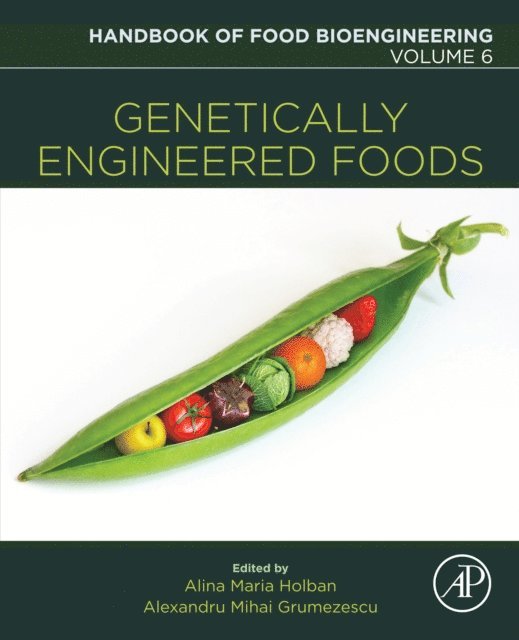
Genetically Engineered Foods, Volume 6 in the Handbook of Food Bioengineering series, is a solid reference for researchers and professionals needing information on genetically engineered foods in human and animal diets. The volume discusses awareness, benefits vs. disadvantages, regulations and techniques used to obtain, test and detect genetically modified plants and animals. An essential resource offering informed perspectives on the potential implications of genetically engineered foods for humans and society. Written by a team of scientific experts who share the latest advances to help further more evidence-based research and educate scientists, academics and government professionals about the safety of the global food supply.
Provides in-depth coverage of the issues surrounding genetic engineering in foods Includes hot topic areas such as nutragenomics and therapeutics to show how genetically engineered foods can promote health and potentially cure disease Presents case studies where genetically engineered foods can increase production in Third World countries to promote food security Discusses environmental and economic impacts, benefits and risks to help inform decisionsMicrobial Production of Food Ingredients and Additives
1 446 kr
Skickas inom 7-10 vardagar
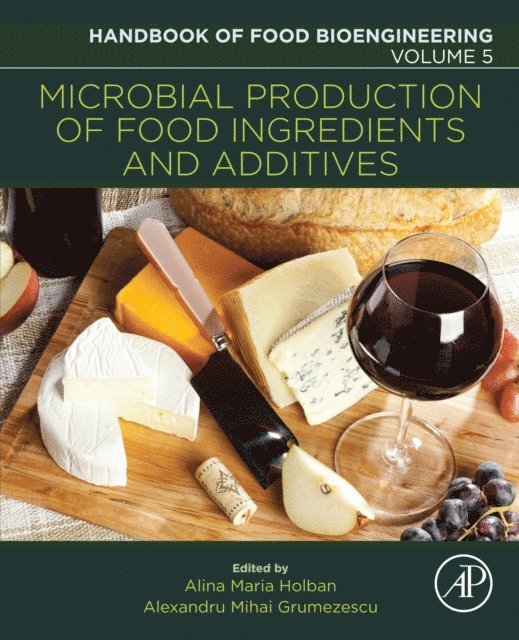
Microbial Production of Food Ingredients and Additives, Volume Five, the latest release in the Handbook of Food Bioengineering series, is a solid resource on how microorganisms can increase food production and quality. Microorganisms are used to create and enhance food, used as food additives to improve food taste, and in improving function and fortification to benefit overall health. The book presents the applications of microbial products in food bioengineering and methods to obtain valuable ingredients, such as sugars, acids, secondary metabolites, enzymes and vitamins. Recent and future applications of these microbial - derived food components are discussed, along with future applications.
Provides various research examples on how microbial production can improve food by lactic acid bacteria Presents information on how microorganisms may be utilized to produce high quantity and quality therapeutic food ingredients used for human and animal food Includes numerous applications to provide a broad perspective on the benefits of microbial production and how they are an alternative to chemical production and purification of ingredientsIngredients Extraction by Physicochemical Methods in Food
1 446 kr
Skickas inom 7-10 vardagar
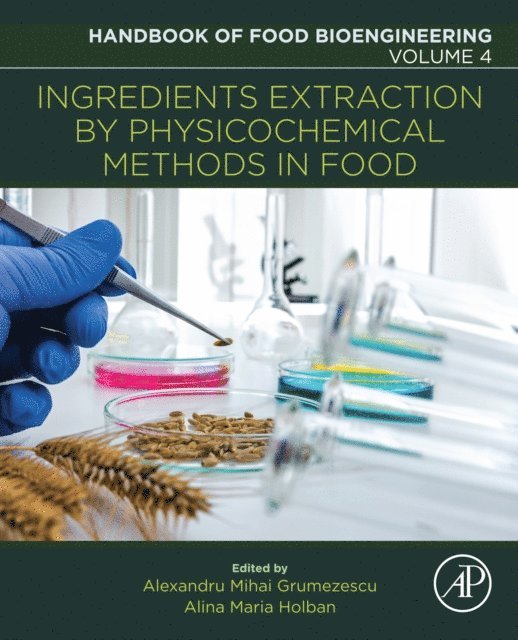
Ingredients Extraction by Physico-chemical Methods, Volume Four, the latest release in the Handbook of Food Bioengineering series, reveals the most investigated extraction methods of ingredients and their impact on the food industry. This resource describes types of ingredients that may be extracted through physico-chemical methods (i.e. specific plants, fruits, spices, etc.), along with their particularities to help readers understand their biological effect and solve research problems. The extraction methods of bioactive compounds and functional ingredients are discussed, along with information on green ingredient extraction strategies to help reduce harmful environmental and health effects.
Extraction methods in this book can be applied for multiple purposes within the food industry, such as ingredients separation for food development, the purification and separation of toxic compounds from a food mixture, and the recovery of natural bioactive compounds.
Offers advanced knowledge and skills of physiochemical analysis for ingredient extraction Presents various methods for food component analysis to evaluate structure function relations in changing environments Discusses the importance of enzymes during processing and storage of foods Includes methods to evaluate and enhance extraction, such as ultrasound, to produce novel foods more efficiently2 457 kr
Skickas inom 7-10 vardagar
Therapeutic, Probiotic and Unconventional Foods compiles the most recent, interesting and innovative research on unconventional and therapeutic foods, highlighting their role in improving health and life quality, their implications on safety, and their industrial and economic impact. The book focuses on probiotic foods, addressing the benefits and challenges associated with probiotic and prebiotic use. It then explores the most recently investigated and well-recognized nutraceutical and medicinal foods and the food products and ingredients that have both an impact on human health and a potential therapeutic effect. The third and final section explores unconventional foods and discusses intriguing and debated foods and food sources.
While research has been conducted on the beneficial biological effects of probiotics and therapeutic food, the use of these foods remains controversial. To overcome the suspicion of the use of alternative, homeopathic and traditional products as therapy, this book reveals and discusses the most recent and scientifically sound and confirmed aspects of the research.
Compiles the most recent, interesting and innovative research on unconventional and therapeutic foods Highlights the role of unconventional and therapeutic foods in improving health and life quality Discusses the implications of unconventional and therapeutic foods on safety Presents the industrial and economic impact of unconventional and therapeutic foodsFood Safety and Preservation
Modern Biological Approaches to Improving Consumer Health
2 469 kr
Skickas inom 7-10 vardagar
Food Safety and Preservation: Modern Biological Approaches to Improving Consumer Health explores the most recent and investigated hot topics in food safety, microbial contamination, food-borne diseases and advanced preservation methods. It brings together the significant, evidence-based scientific progress of various approaches to improve the safety and quality of foods, also offering solutions to help address food industry challenges. Recent studies and technological advancements in biological control are presented to control foodborne pathogens. In addition, analytical methods for reducing potential biological hazards make this book essential to researchers, scientists, technologists and grad students.
Covers all aspects of food contamination, from food degradation, to food-borne diseases Examines validated, biological control approaches to reduce microbial and chemical contamination Includes detailed discussions of risk and safety assessments in food preservation2 300 kr
Skickas inom 7-10 vardagar
Engineering Tools in the Beverage Industry, Volume Three in The Science of Beverages series, is an invaluable resource for anyone in the beverages field who is involved with quality assurance, lab analysis, and the safety of beverage products. The book offers updates on the latest techniques and applications, including extraction, biochemical isotope analysis, metabolomics, microfiltration, and encapsulation. Users will find this book to be an excellent resource for industrial research in an ever-changing field.
Provides practical tools and techniques for research and development in beverages Offers analysis strategies for beverage quality evaluation Presents analytical methods for ingredient authenticity2 264 kr
Skickas inom 7-10 vardagar
Processing and Sustainability of Beverages, Volume Two in the Science of Beverages series, is a general reference of the current and future actions for a sustainable beverage industry. This resource takes a unique approach, combining processing with sustainability. Topics of note include waste treatment and management, environmental analysis for a sustainable beverage industry, and modern technologies for beverage processing to reduce contaminants and increase the quality. This book is essential to scientists, researchers and technologists in the beverages field, covering both alcoholic and nonalcoholic beverages.
Covers a broad range of beverage products to increase knowledge of quality improvement and product development Presents novel food processing technologies on beverage antioxidants Offers sustainable management strategies for implementing added value in beverage products2 300 kr
Skickas inom 7-10 vardagar
Production and Management of Beverages, Volume One in the Science of Beverages series, introduces the broad world of beverage science, providing an overview of the emerging trends in the industry and the potential solutions to challenges such as sustainability and waste. Fundamental information on production and processing technologies, safety, quality control, and nutrition are covered for a wide range of beverage types, including both alcoholic and nonalcoholic beverages, fermented beverages, cocoa and other powder based beverages and more. This is an essential resource for food scientists, technologists, chemists, engineers, microbiologists and students entering into this field.
Describes different approaches to waste management and eco-innovative solutions for the wine and beer industry Offers information on ingredient traceability to ensure food safety and quality Provides overall coverage of hot topics and scientific principles in the production and management of beverages for sustainable industry2 300 kr
Skickas inom 7-10 vardagar
Alcoholic Beverages, Volume Seven in The Science of Beverages series, is a multidisciplinary resource for anyone who needs deeper knowledge on the most recent approaches in beverage development, technology, and engineering, along with their effects on beverage composition, quality, sensory and nutritional features. The book discusses main alcoholic beverages, such as spirits and wines that are thoroughly analyzed in terms of production, sustainability, and future perspectives. It offers examples of the new trends and the most recent technologies and approaches in the industry of alcoholic drinks.
Includes a variety of trending ingredients for novel beverage production Provides different approaches for the identification of adulterations and contaminants in alcoholic beverages Includes research examples and applications of different products, such as beer, wine, and spirits2 300 kr
Skickas inom 7-10 vardagar
Nonalcoholic Beverages, Volume Six in The Science of Beverages series, offers a wide-range of knowledge and expertise from research professionals around the world. The book focuses on the research and development of innovative products and new growing trends based on consumer demand for natural drinks that have health benefits. The book discusses the properties and benefits of developing nonalcoholic beverages, their production particularities, associated properties, physiochemical characteristics, and methods to help researchers and students learn about utilized nonalcoholic beverages.
Presents a broad scope of topics and process solutions from experts in the beverages industry Covers the latest technologies and microbiological methods that enhance the health benefits of beverages Includes emerging trends in nonalcoholic beverages and offers a variety of safety and quality techniques for adding value to products2 300 kr
Skickas inom 7-10 vardagar
Fermented Beverages, Volume Five, the latest release in The Science of Beverages series, examines emerging trends and applications of different fermented beverages, including alcoholic and non-alcoholic drinks. The book discusses processing techniques and microbiological methods for each classification, their potential health benefits, and overall functional properties. The book provides an excellent resource to broaden the reader's understanding of different fermented beverages. It is ideal for research and development professionals who are working in the area of new products.
Presents research examples to help solve problems and optimize production Provides recent technologies used for quality analysis Includes industry formulations for different beverages to increase productivity and innovation Includes common industry formulations to foster the creation of new products2 300 kr
Skickas inom 7-10 vardagar
Bottled and Packaged Water, Volume Four in The Science of Beverages series, offers great perspectives on current trends in drinking water research, quality control techniques, packaging strategies, and current concerns in the field, thus revealing the most novel standards in the industry. As consumer demand for bottled and packaged water has increased, the need for scientists and researchers to understand how to analyze water quality, safety, and control are essential. This all-encompassing resource for research and development in this flourishing field covers everything from sensory and chemical composition, to materials and manufacturing.
Presents a detailed analysis and sensory characteristics of water to foster research and innovation Provides the latest technological advancements and microbiological characterization methods in the field Includes regulatory tools for beverage packaging to help industry personnel maintain compliance2 300 kr
Skickas inom 7-10 vardagar
Milk-Based Beverages, Volume 9 in The Science of Beverages series, presents current status, developments, and technologies for researchers and developers to meet consumer demand and understand consumer trends toward healthy drinks. This resource takes a multidisciplinary approach to address issues in safety and quality control, while also discussing the nutritional and functional information that professionals in the beverage industry need. The book presents a framework for researchers, product developers, engineers, and regulators in the beverages industry for understanding new research developments in milk-based products to meet industry needs in producing competitive products.
Covers the most recent advances in various milk-based products Includes a solid review of safety and hygiene for the development of new products Presents engineering techniques and applications using novel technologies