Alison Doherty - Böcker
Visar alla böcker från författaren Alison Doherty. Handla med fri frakt och snabb leverans.
7 produkter
7 produkter
1 638 kr
Tillfälligt slut
775 kr
Skickas inom 10-15 vardagar
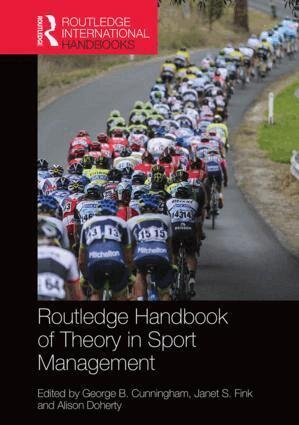
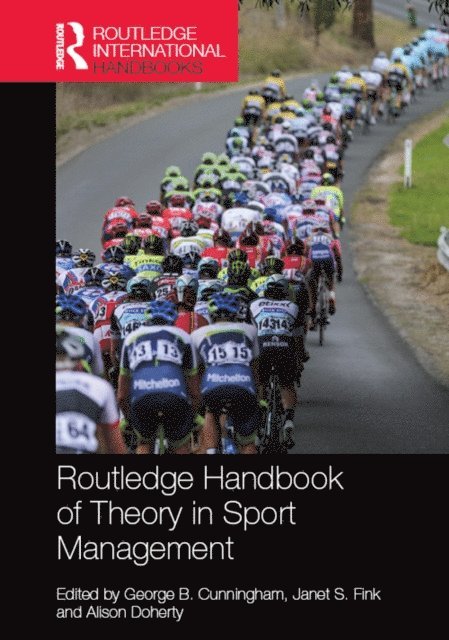
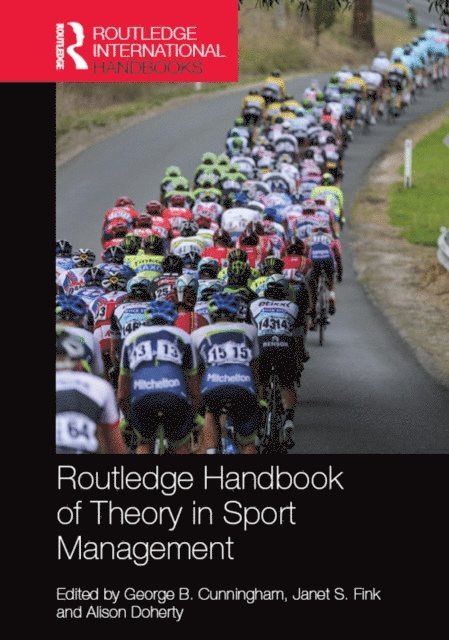
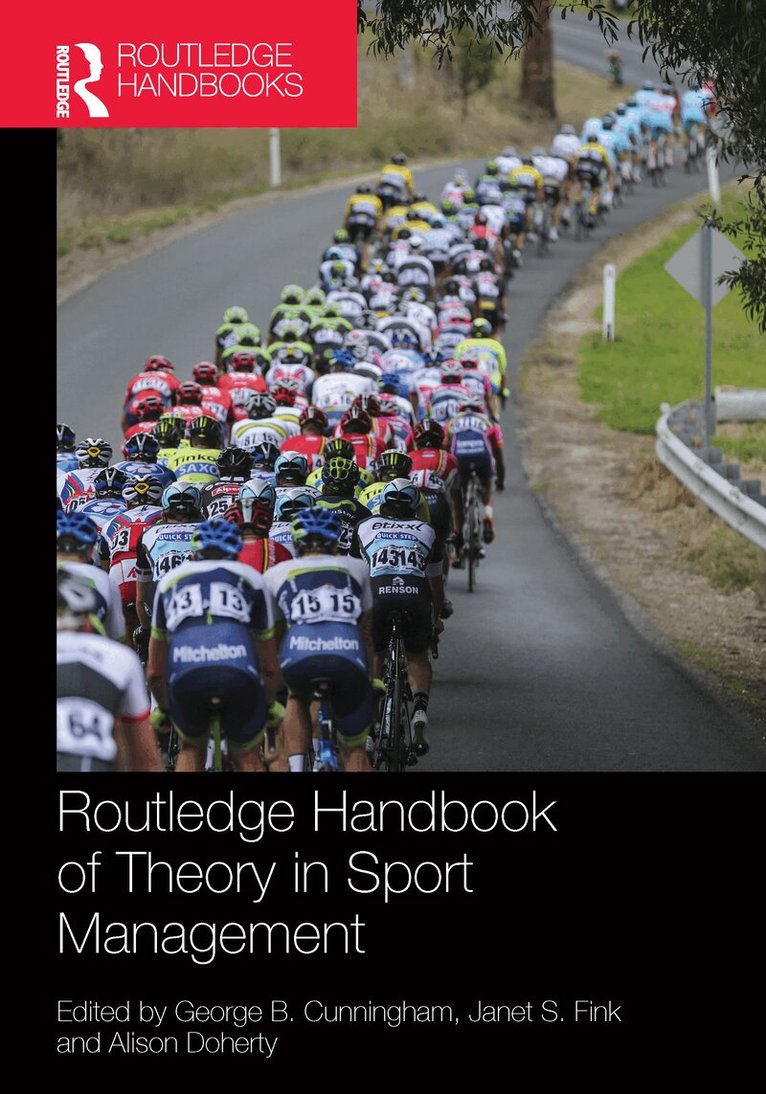
Theory is an essential element in the development of any academic discipline and sport management is no exception. This is the first book to trace the intellectual contours of theory in sport management, and to explain, critique and celebrate the importance of sport management theory in academic research, teaching and learning, and in the development of professional practice.Written by a world-class team of international sport management scholars, each of whom has taken a leading role in developing a particular theory or framework for understanding sport management, the book covers the full span of contemporary issues, debates, themes and functional approaches, from corporate social responsibility and diversity to strategy, marketing and finance. Every chapter explores a key theoretical approach, including an overview of that theory, a discussion of the process of theory development and of how the theory has been employed in research, practice or teaching, and outlines directions for future research in that area. Each chapter includes cases and examples, as well as short illustrative commentaries from people who have used that particular theory in their work, and attempts to highlight the theory-practice links, or gaps, in that area.For a fully-rounded understanding of what sport management is and how it should be studied, taught and practiced, a thorough grounding in theory is essential. The Routledge Handbook of Theory in Sport Management is therefore important reading for all advanced students, researchers, instructors, managers and practitioners working in this exciting field.
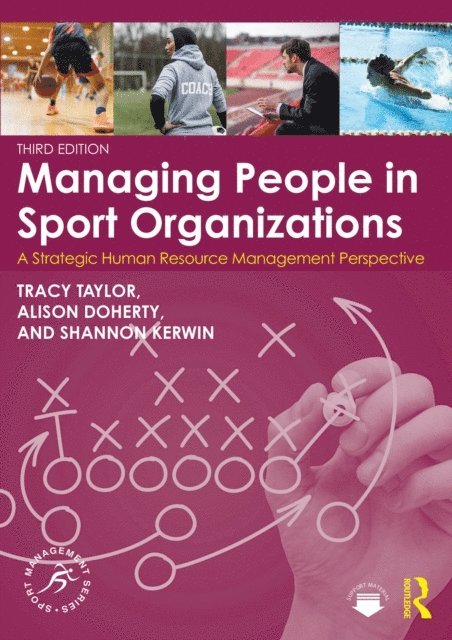
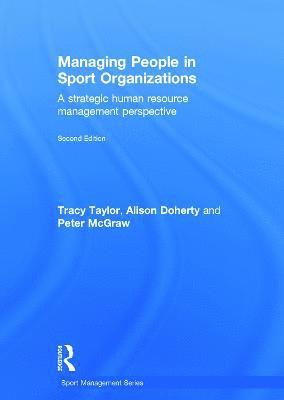
Managing People in Sport Organizations
A Strategic Human Resource Management Perspective
Häftad, Engelska, 2024
747 kr
Skickas inom 10-15 vardagar
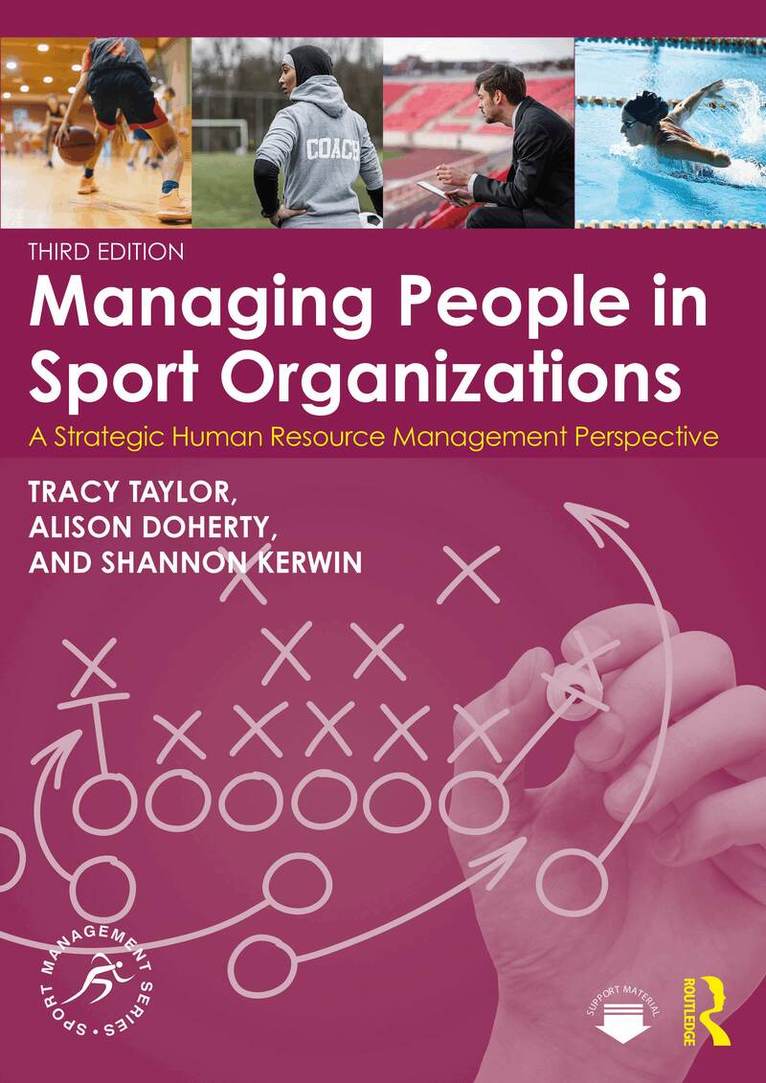
Now in a fully revised and updated third edition, Managing People in Sport Organizations outlines the theory and practice of managing people within a strategic framework.A complete textbook for any human resource management (HRM) in sport course, it explains how sport managers can get the best out of their teams and organizations, develop their professional skills, and create a sustainable performance culture. Structured around the functional flow of HRM practice – from recruitment to rewards – the book introduces every key area of people management, including strategy, planning, training, performance management, and managing change. This new edition includes expanded coverage of topics such as e-HRM and post-COVID workplaces. There is also a new foundational chapter focused on the individual in the organization that sets the context for their effective management.With international cases, examples, and data included in every chapter, this is essential reading for any sport management student or HR professional working in sport.
Managing People in Sport Organizations
A Strategic Human Resource Management Perspective
Inbunden, Engelska, 2024
2 012 kr
Skickas inom 10-15 vardagar
Now in a fully revised and updated third edition, Managing People in Sport Organizations outlines the theory and practice of managing people within a strategic framework.A complete textbook for any human resource management (HRM) in sport course, it explains how sport managers can get the best out of their teams and organizations, develop their professional skills, and create a sustainable performance culture. Structured around the functional flow of HRM practice – from recruitment to rewards – the book introduces every key area of people management, including strategy, planning, training, performance management, and managing change. This new edition includes expanded coverage of topics such as e-HRM and post-COVID workplaces. There is also a new foundational chapter focused on the individual in the organization that sets the context for their effective management.With international cases, examples, and data included in every chapter, this is essential reading for any sport management student or HR professional working in sport.
698 kr
Skickas inom 10-15 vardagar
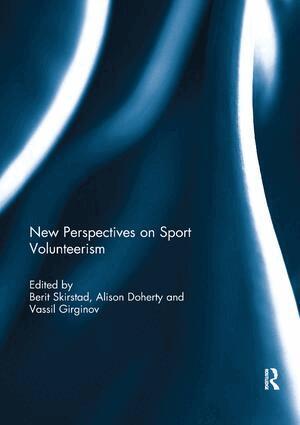
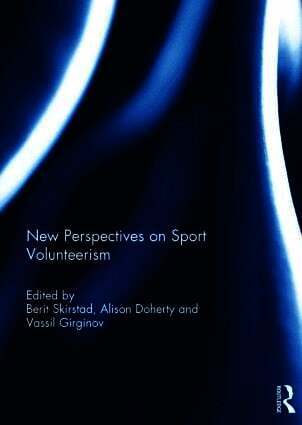
The book highlights ‘new perspectives’ on volunteerism in sport, covering frameworks, methods, context and variables on several levels from community sport clubs to international events. In analysing the processes of control within voluntary sport clubs, a new theoretical framework – critical realism (CR) – challenges how we think about theory and how scientific inquiry should proceed. Further themes raised are: Should sports clubs be viewed as a crossing between a traditional volunteer culture dominated by collective solidarity, and a modern volunteer culture focused on the individual benefits? Are former athletes a new group of possible volunteers? Can personal narratives of experiences of being a volunteer in a big international event provide us with new insight that has not previously been considered? Identity is suggested as a motive for understanding volunteers at sporting events. Two new theoretical models are presented, one on the development of volunteer commitment and the other on a framework that incorporates both individual- and institutional-level variables. All chapters have recommendations for future research. The testing of these theories and influencing factors will provide new directions in the research of sport volunteerism. This book was originally published as a special issue of European Sport Management Quarterly.
3 531 kr
Skickas inom 10-15 vardagar
Theory is an essential element in the development of any academic discipline and sport management is no exception. This is the first book to trace the intellectual contours of theory in sport management, and to explain, critique and celebrate the importance of sport management theory in academic research, teaching and learning, and in the development of professional practice.Written by a world-class team of international sport management scholars, each of whom has taken a leading role in developing a particular theory or framework for understanding sport management, the book covers the full span of contemporary issues, debates, themes and functional approaches, from corporate social responsibility and diversity to strategy, marketing and finance. Every chapter explores a key theoretical approach, including an overview of that theory, a discussion of the process of theory development and of how the theory has been employed in research, practice or teaching, and outlines directions for future research in that area. Each chapter includes cases and examples, as well as short illustrative commentaries from people who have used that particular theory in their work, and attempts to highlight the theory-practice links, or gaps, in that area.For a fully-rounded understanding of what sport management is and how it should be studied, taught and practiced, a thorough grounding in theory is essential. The Routledge Handbook of Theory in Sport Management is therefore important reading for all advanced students, researchers, instructors, managers and practitioners working in this exciting field.
2 155 kr
Skickas inom 10-15 vardagar
The book highlights ‘new perspectives’ on volunteerism in sport, covering frameworks, methods, context and variables on several levels from community sport clubs to international events. In analysing the processes of control within voluntary sport clubs, a new theoretical framework – critical realism (CR) – challenges how we think about theory and how scientific inquiry should proceed. Further themes raised are: Should sports clubs be viewed as a crossing between a traditional volunteer culture dominated by collective solidarity, and a modern volunteer culture focused on the individual benefits? Are former athletes a new group of possible volunteers? Can personal narratives of experiences of being a volunteer in a big international event provide us with new insight that has not previously been considered? Identity is suggested as a motive for understanding volunteers at sporting events. Two new theoretical models are presented, one on the development of volunteer commitment and the other on a framework that incorporates both individual- and institutional-level variables. All chapters have recommendations for future research. The testing of these theories and influencing factors will provide new directions in the research of sport volunteerism. This book was originally published as a special issue of European Sport Management Quarterly.