Allison Stanger – författare
Visar alla böcker från författaren Allison Stanger. Handla med fri frakt och snabb leverans.
7 produkter
7 produkter
Häftad, Engelska, 2011
427 kr
Skickas inom 5-8 vardagar
A definitive and disturbing look at one of the most important trends in government and global politics: the privatization of American foreign policy and its consequences.International relations scholar Allison Stanger shows how contractors became an integral part of American foreign policy, often in scandalous ways—but also maintains that contractors aren’t the problem; the absence of good government is. Outsourcing done right is, in fact, indispensable to America’s interests in the information age.Stanger makes three arguments.The outsourcing of U.S. government activities is far greater than most people realize, has been very poorly managed, and has inadvertently militarized American foreign policy;Despite this mismanagement, public-private partnerships are here to stay, so we had better learn to do them right;With improved transparency and accountability, these partnerships can significantly extend the reach and effectiveness of U.S. efforts abroad.The growing use of private contractors predates the Bush Administration, and while his era saw the practice rise to unprecedented levels, Stanger argues that it is both impossible and undesirable to turn back the clock and simply re-absorb all outsourced functions back into government. Through explorations of the evolution of military outsourcing, the privatization of diplomacy, our dysfunctional homeland security apparatus, and the slow death of the U.S. Agency for International Development, Stanger shows that the requisite public-sector expertise to implement foreign policy no longer exists. The successful activities of charities and NGOs, coupled with the growing participation of multinational corporations in development efforts, make a new approach essential. Provocative and far-reaching, One Nation Under Contract presents a bold vision of what that new approach must be.
Häftad, Engelska, 2021
152 kr
Skickas inom 5-8 vardagar
A magisterial exploration of whistleblowing in America, from the Revolutionary War to the Trump eraA "brisk and interesting" (Jill Lepore, New Yorker) exploration of whistleblowing in America, from the Revolutionary War to the Trump eraPROSE Award winner in the Government, Policy and Politics categoryMisconduct by those in high places is always dangerous to reveal. Whistleblowers thus face conflicting impulses: by challenging and exposing transgressions by the powerful, they perform a vital public service—yet they always suffer for it. This episodic history brings to light how whistleblowing, an important but unrecognized cousin of civil disobedience, has held powerful elites accountable in America. Analyzing a range of whistleblowing episodes, from the corrupt Revolutionary War commodore Esek Hopkins (whose dismissal led in 1778 to the first whistleblower protection law) to Edward Snowden, to the dishonesty of Donald Trump, Allison Stanger reveals the centrality of whistleblowing to the health of American democracy. She also shows that with changing technology and increasing militarization, the exposure of misconduct has grown more difficult to do and more personally costly for those who do it—yet American freedom, especially today, depends on it.
Inbunden, Engelska, 2027
328 kr
Kommande
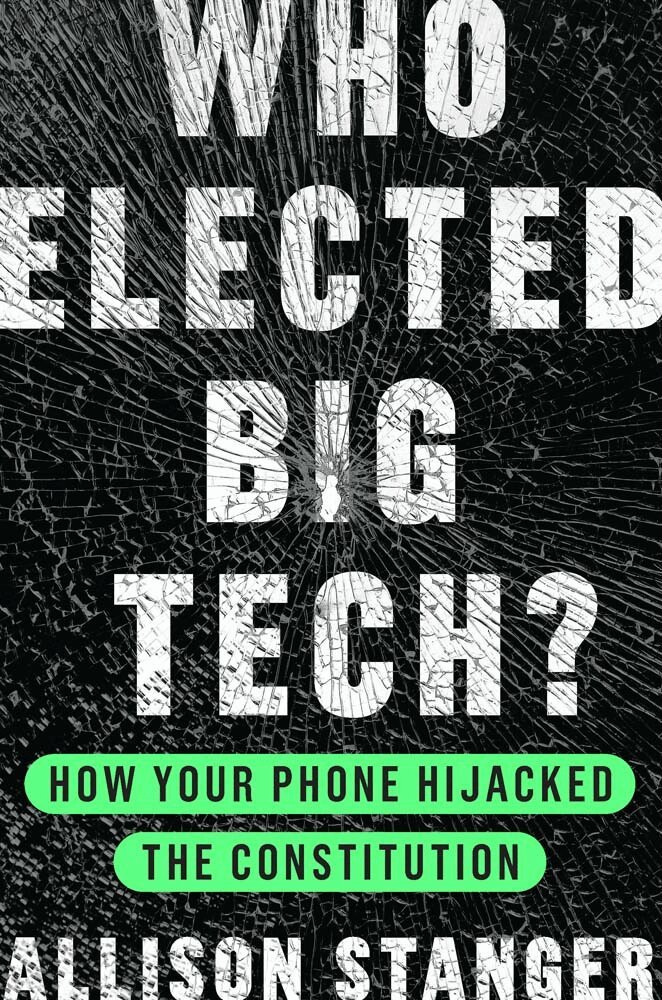
How technology companies became de facto governors of public life—and how democracy can evolve to surviveAcross the globe, technology companies have risen from innovative disruptors to powerful actors that are shaping public discourse, the democratic process, and individual freedoms. With the help of advertising, data extraction, and algorithms, today’s platforms influence what billions of people see and believe, yet they bear no legal responsibility for it. They manipulate this distribution with an eye only to profit, and they are heedless of the political or social consequences of doing so. These companies are entities the framers of the Constitution never contemplated, making political interventions they never imagined.In Who Elected Big Tech?, Allison Stanger combines technological expertise, First Amendment scholarship, and political theory to explain how this happened and what it means. She traces the legal origins of platform power, shows how algorithms structure attention and quietly normalize manipulation, examines the evolution of content moderation from simple rules to opaque systems of control, and reveals why these questions grow only more urgent in the age of artificial intelligence.Preserving human agency and values requires more than regulatory tweaking, Stanger argues. It demands a fundamental reimagining of how democratic societies govern the digital world. Stanger provides essential context for understanding our predicament and guidance for finding a path forward—before unchecked technological power erodes freedom and equality beyond repair.
Inbunden, Engelska, 2000
1 967 kr
Skickas inom 10-15 vardagar
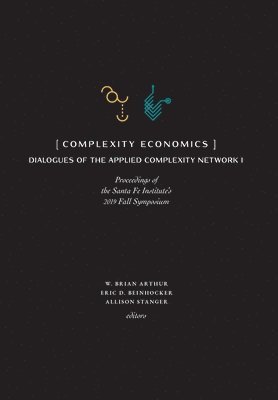
This unique volume brings together a multi-disciplinary group of scholars as well as Czech and Slovak decisionmakers who were personally involved in the events leading up to the separation of Czechoslovakia. Asking whether the dissolution was inevitable, the contributors bring a range of different approaches and perspectives to bear on the twin problems of democratic transitions in multinational societies and ethnic separatism and its origins. The blend of analysis and insider experiences will make this book invaluable for all concerned with nationalism and ethnicity, democratization, and transitions in Eastern Europe.
Inbunden, Engelska, 2020
276 kr
Skickas inom 5-8 vardagar
Inbunden, Engelska, 2023
539 kr
Skickas inom 5-8 vardagar
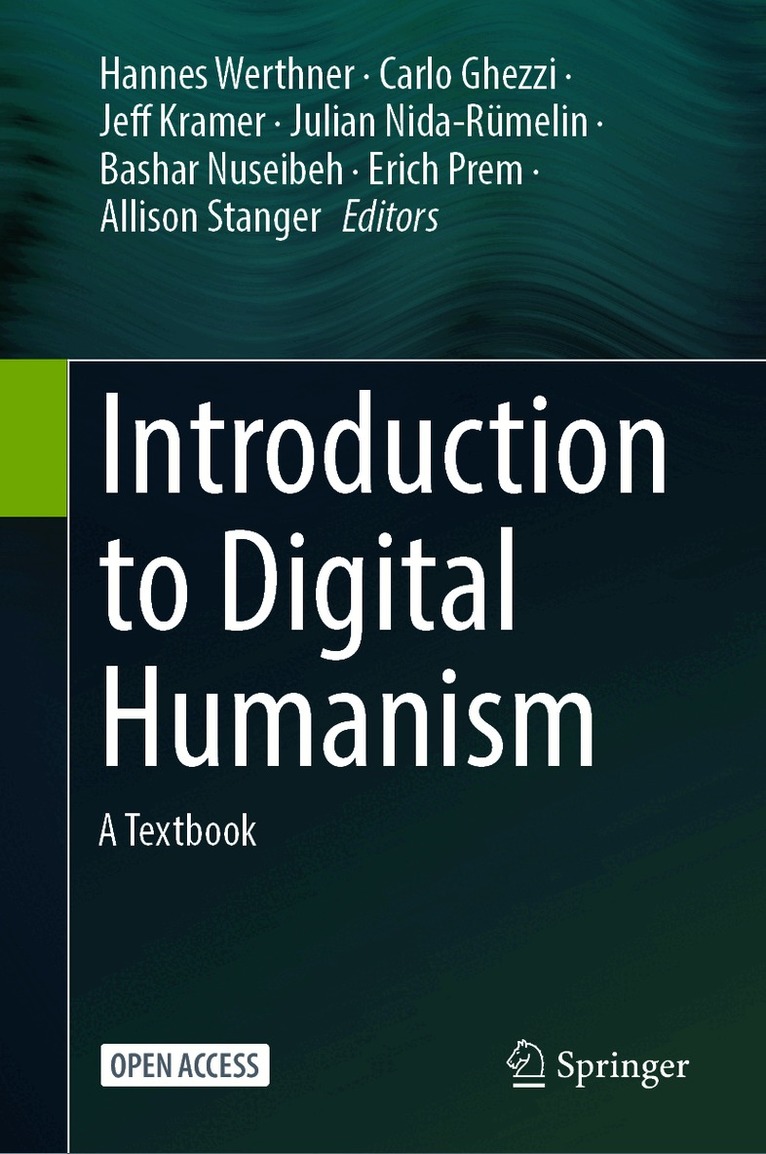
This open access textbook introduces and defines digital humanism from a diverse range of disciplines. Following the 2019 Vienna Manifesto, the book calls for a digital humanism that describes, analyzes, and, most importantly, influences the complex interplay of technology and humankind, for a better society and life, fully respecting universal human rights.The book is organized in three parts: Part I “Background” provides the multidisciplinary background needed to understand digital humanism in its philosophical, cultural, technological, historical, social, and economic dimensions. The goal is to present the necessary knowledge upon which an effective interdisciplinary discourse on digital humanism can be founded. Part II “Digital Humanism – a System’s View” focuses on an in-depth presentation and discussion of the main digital humanism concerns arising in current digital systems. The goal of this part is to make readers aware and sensitive to these issues, including e.g. thecontrol and autonomy of AI systems, privacy and security, and the role of governance. Part III “Critical and Societal Issues of Digital Systems” delves into critical societal issues raised by advances of digital technologies. While the public debate in the past has often focused on them separately, especially when they became visible through sensational events the aim here is to shed light on the entire landscape and show their interconnected relationships. This includes issues such as AI and ethics, fairness and bias, privacy and surveillance, platform power and democracy.This textbook is intended for students, teachers, and policy makers interested in digital humanism. It is designed for stand-alone and for complementary courses in computer science, or curricula in science, engineering, humanities and social sciences. Each chapter includes questions for students and an annotated reading list to dive deeper into the associated chapter material. The book aims to provide readers with as wide an exposure as possible to digital advances and their consequences for humanity. It includes constructive ideas and approaches that seek to ensure that our collective digital future is determined through human agency.
Häftad, Engelska, 2023
435 kr
Skickas inom 10-15 vardagar
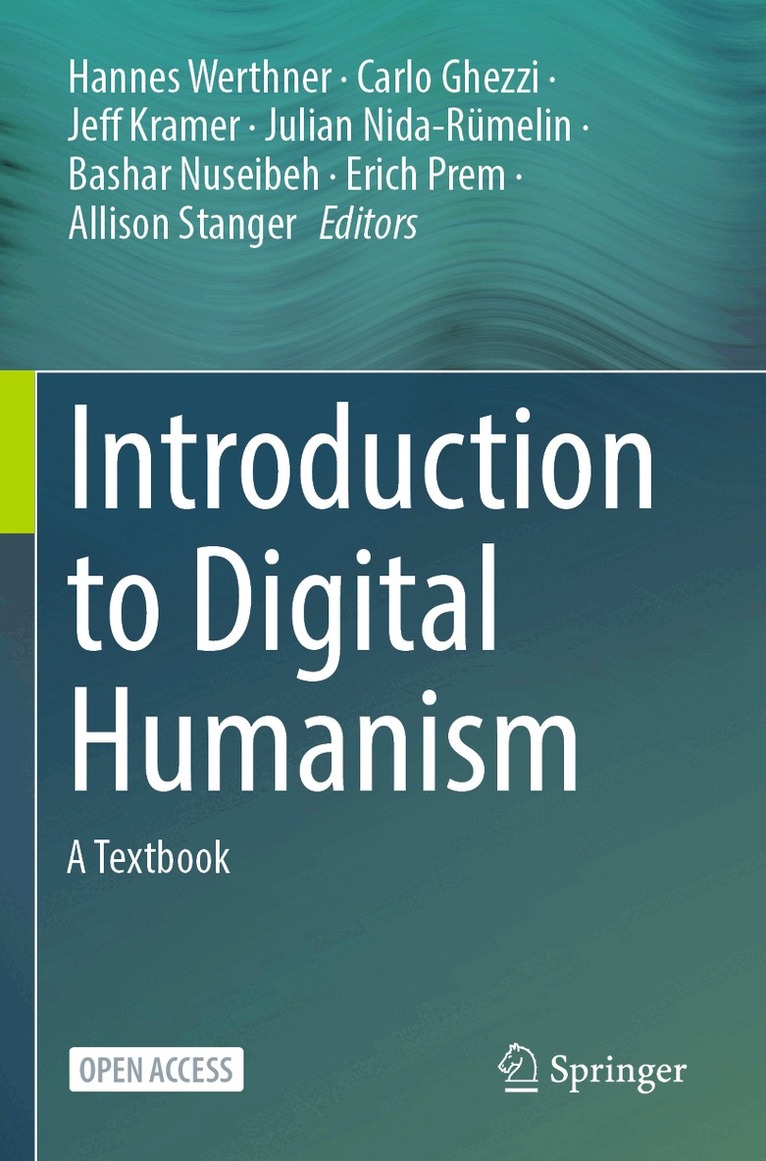
This open access textbook introduces and defines digital humanism from a diverse range of disciplines. Following the 2019 Vienna Manifesto, the book calls for a digital humanism that describes, analyzes, and, most importantly, influences the complex interplay of technology and humankind, for a better society and life, fully respecting universal human rights.The book is organized in three parts: Part I “Background” provides the multidisciplinary background needed to understand digital humanism in its philosophical, cultural, technological, historical, social, and economic dimensions. The goal is to present the necessary knowledge upon which an effective interdisciplinary discourse on digital humanism can be founded. Part II “Digital Humanism – a System’s View” focuses on an in-depth presentation and discussion of the main digital humanism concerns arising in current digital systems. The goal of this part is to make readers aware and sensitive to these issues, including e.g. thecontrol and autonomy of AI systems, privacy and security, and the role of governance. Part III “Critical and Societal Issues of Digital Systems” delves into critical societal issues raised by advances of digital technologies. While the public debate in the past has often focused on them separately, especially when they became visible through sensational events the aim here is to shed light on the entire landscape and show their interconnected relationships. This includes issues such as AI and ethics, fairness and bias, privacy and surveillance, platform power and democracy.This textbook is intended for students, teachers, and policy makers interested in digital humanism. It is designed for stand-alone and for complementary courses in computer science, or curricula in science, engineering, humanities and social sciences. Each chapter includes questions for students and an annotated reading list to dive deeper into the associated chapter material. The book aims to provide readers with as wide an exposure as possible to digital advances and their consequences for humanity. It includes constructive ideas and approaches that seek to ensure that our collective digital future is determined through human agency.