Amanda J. Ashley - Böcker
Visar alla böcker från författaren Amanda J. Ashley. Handla med fri frakt och snabb leverans.
3 produkter
3 produkter
592 kr
Skickas inom 10-15 vardagar
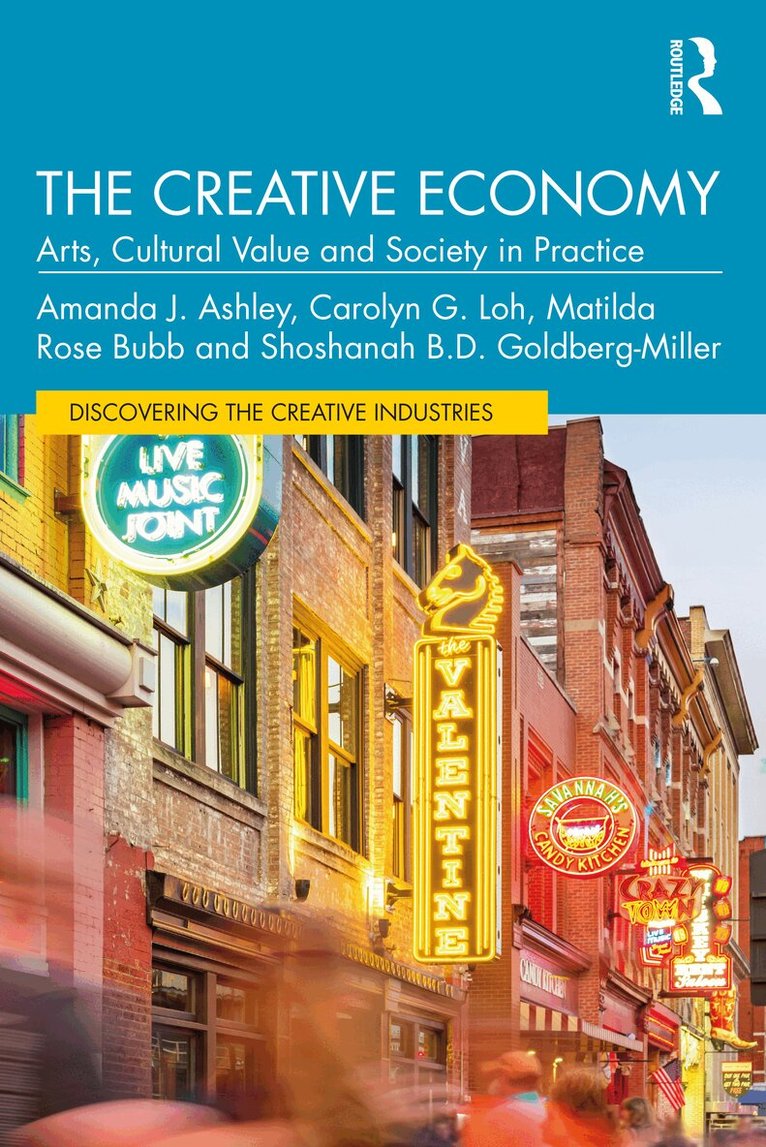
The creative economy permeates our everyday lives, shaping where we live, what we buy, and how we interact with others. Looking at dimensions of people, place, policy, and market forces, the book offers a comprehensive perspective on arts and culture, in both economic and social life.The book explores the multifaceted components that make up this complex field. Underlying this journey is the throughline of diversity, equity, and inclusion as watchwords of today’s global paradigm. Capital, gentrification, pay disparities, and the hegemonic confines of cultural production are a few of the key issues analyzed. Using case studies and stories of artists and creatives from the worlds of fashion, design, music, and the media arts, the book also delves into gastronomy, literature, architecture, and theatre—presenting a nuanced look at the ways in which the creative sector impacts the world today. Readers will benefit from features such as key takeaways, discussion questions, and activities, throughout the chapters.Students, scholars, policymakers, and the general public will find this a valuable resource. This book offers the reader a chance not only to understand the cultural and creative industries, but to internalize its elements and embrace the creative spirit that imbues the sector.
2 027 kr
Skickas inom 10-15 vardagar
The creative economy permeates our everyday lives, shaping where we live, what we buy, and how we interact with others. Looking at dimensions of people, place, policy, and market forces, the book offers a comprehensive perspective on arts and culture, in both economic and social life.The book explores the multifaceted components that make up this complex field. Underlying this journey is the throughline of diversity, equity, and inclusion as watchwords of today’s global paradigm. Capital, gentrification, pay disparities, and the hegemonic confines of cultural production are a few of the key issues analyzed. Using case studies and stories of artists and creatives from the worlds of fashion, design, music, and the media arts, the book also delves into gastronomy, literature, architecture, and theatre—presenting a nuanced look at the ways in which the creative sector impacts the world today. Readers will benefit from features such as key takeaways, discussion questions, and activities, throughout the chapters.Students, scholars, policymakers, and the general public will find this a valuable resource. This book offers the reader a chance not only to understand the cultural and creative industries, but to internalize its elements and embrace the creative spirit that imbues the sector.
366 kr
Skickas inom 10-15 vardagar
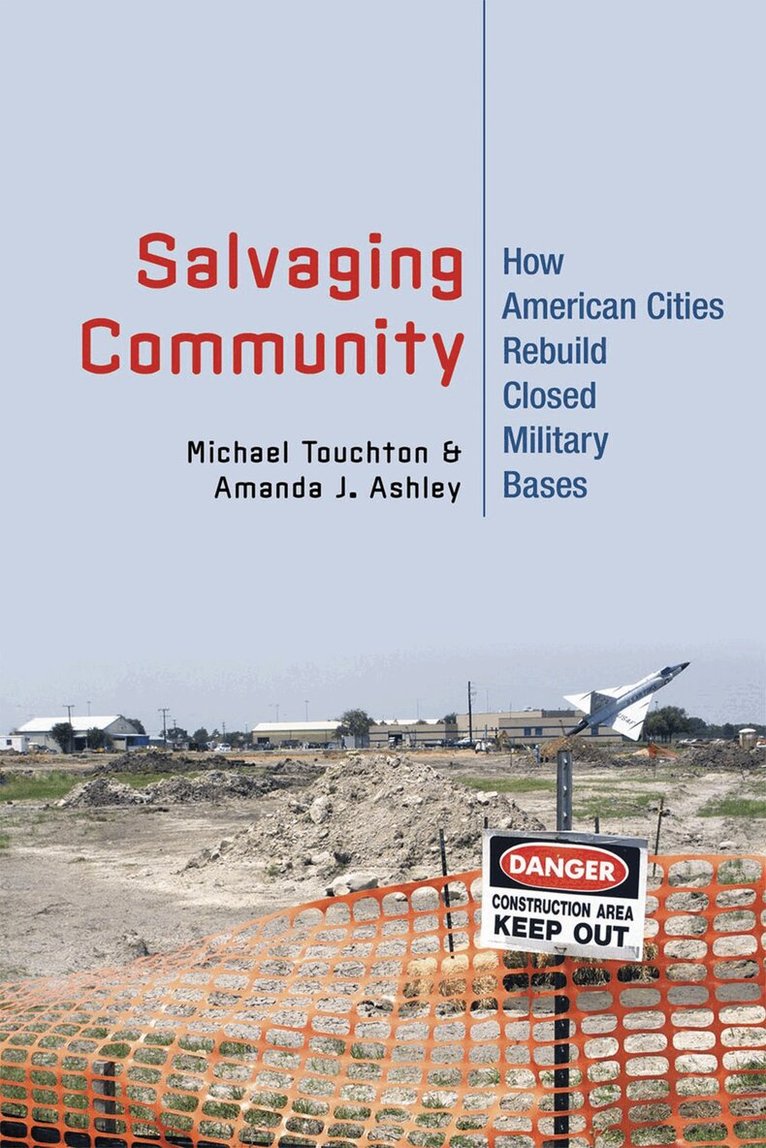
American communities face serious challenges when military bases close. But affected municipalities and metro regions are not doomed. Taking a long-term, flexible, and incremental approach, Michael Touchton and Amanda J. Ashley make strong recommendations for collaborative models of governance that can improve defense conversion dramatically and ensure benefits, even for low-resource municipalities. Communities can't control their economic situation or geographic location, but, as Salvaging Community shows, communities can control how they govern conversion processes geared toward redevelopment and reinvention.In Salvaging Community, Touchton and Ashley undertake a comprehensive evaluation of how such communities redevelop former bases following the Department of Defense's Base Realignment and Closure (BRAC) process. To do so, they developed the first national database on military redevelopment and combine quantitative national analyses with three, in-depth case studies in California. Salvaging Community thus fills the void in knowledge surrounding redevelopment of bases and the disparate outcomes that affect communities after BRAC. The data presented in Salvaging Community points toward effective strategies for collaborative governance that address the present-day needs of municipal officials, economic development agencies, and non-profit organizations working in post-BRAC communities. Defense conversion is not just about jobs or economic rebound, Touchton and Ashley argue. Emphasizing inclusion and sustainability in redevelopment promotes rejuvenated communities and creates places where people want to live. As localities and regions deal with the legacy of the post-Cold War base closings and anticipate new closures in the future, Salvaging Community presents a timely and constructive approach to both economic and community development at the close of the military-industrial era.