Ambar Basu - Böcker
Visar alla böcker från författaren Ambar Basu. Handla med fri frakt och snabb leverans.
4 produkter
4 produkter
2 160 kr
Skickas inom 10-15 vardagar
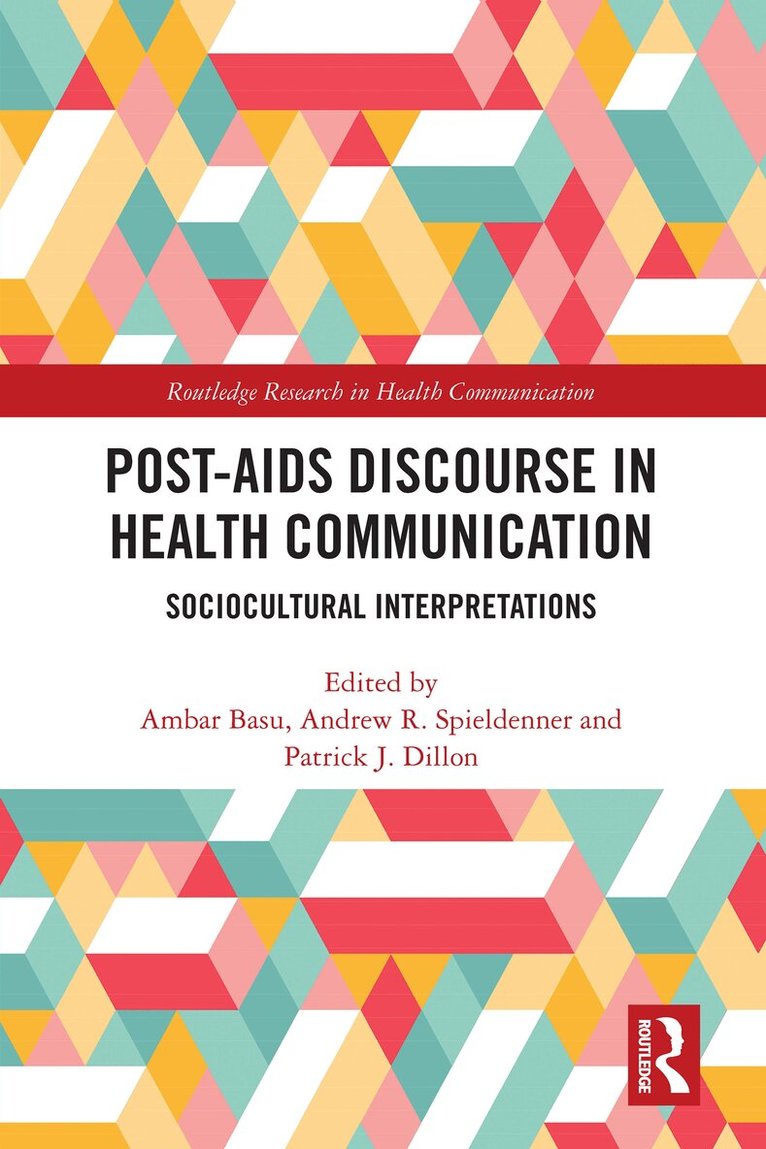
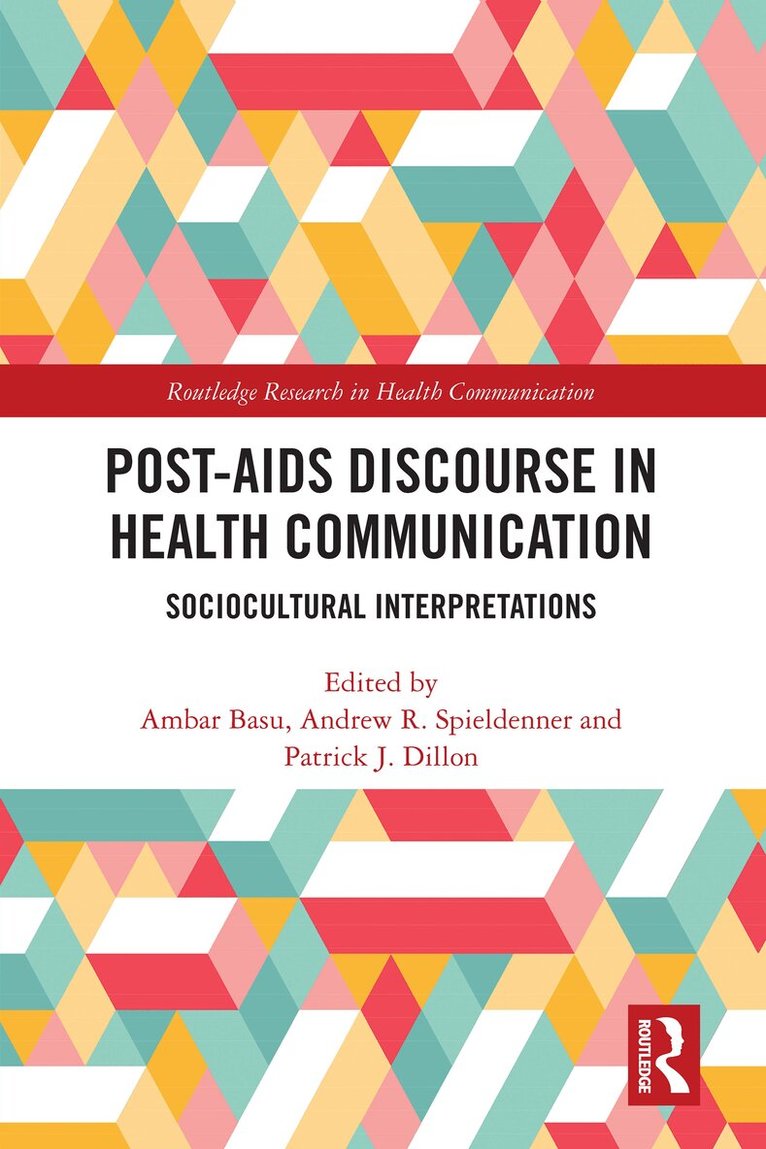
This book examines the discourse of a "post-AIDS" culture, and the medical-discursive shift from crisis and death to survival and living. Contributions from a diverse group of international scholars interrogate and engage with the cultural, social, political, scientific, historical, global, and local consumptions of the term "post-AIDS" from the perspective of meaning-making on health, illness, and well-being. The chapters critique and connect meanings of "post-AIDS" to topics such as neoliberalism; race, gender, and advocacy; disclosure; relationships and intimacy; stigma and structural violence; family and community; migration; work; survival; normativity; NGOs, transnational organizations; aging and end-of-life care; the politics of ART and PrEP; mental illness; campaigns; social media; and religion. Using a range of methodological tools, the scholarship herein asks how "post-AIDS" or the "End of the Epidemic" is communicated and made sense of in everyday discourse, what current meanings are circulated and consumed on and around HIV and AIDS, and provides thorough commentary and critique of a "post-AIDS" time.This book will be an essential read for scholars and students of health communication, sociology of health and illness, medical humanities, political science, and medical anthropology, as well as for policy makers and activists.
596 kr
Skickas inom 10-15 vardagar
This book examines the discourse of a "post-AIDS" culture, and the medical-discursive shift from crisis and death to survival and living. Contributions from a diverse group of international scholars interrogate and engage with the cultural, social, political, scientific, historical, global, and local consumptions of the term "post-AIDS" from the perspective of meaning-making on health, illness, and well-being. The chapters critique and connect meanings of "post-AIDS" to topics such as neoliberalism; race, gender, and advocacy; disclosure; relationships and intimacy; stigma and structural violence; family and community; migration; work; survival; normativity; NGOs, transnational organizations; aging and end-of-life care; the politics of ART and PrEP; mental illness; campaigns; social media; and religion. Using a range of methodological tools, the scholarship herein asks how "post-AIDS" or the "End of the Epidemic" is communicated and made sense of in everyday discourse, what current meanings are circulated and consumed on and around HIV and AIDS, and provides thorough commentary and critique of a "post-AIDS" time.This book will be an essential read for scholars and students of health communication, sociology of health and illness, medical humanities, political science, and medical anthropology, as well as for policy makers and activists.
596 kr
Skickas inom 10-15 vardagar
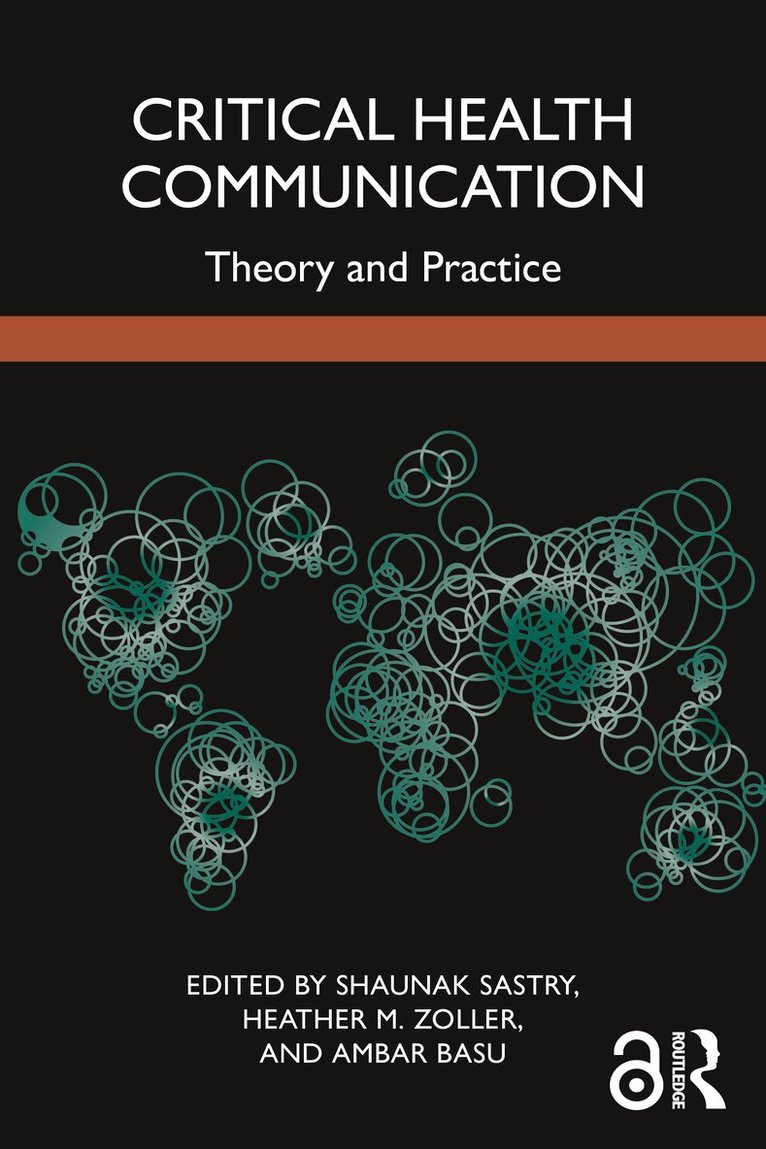
This book offers strong rationales for adopting a critical view of health communication by demonstrating how theories and critical practices can be enriched by foregrounding issues of power, politics, and culture.In health communication, critical approaches highlight the role of communication in constituting, reinforcing, and resisting inequitable power relations that underlie the sociocultural and structural barriers to well-being. This book highlights the theoretical and practical contributions of critical health communication to allow readers to gain in-depth understanding of the tools and methods required to conduct critical research. It includes a broad array of approaches to health communication scholarship such as rhetorical, feminist, anti-racist, and intersectional perspectives. Chapters present research from a variety of international and local contexts addressing medical and public health challenges and center issues of power, resistance, voice, and social change from marginalized perspectives.Outlining the centrality of critical approaches to theorizing and practicing health communication in more equitable, ethical, and effective ways, this book will be of interest to scholars and graduate students in health communication, critical and cultural communication, as well as other health-related courses.The Open Access version of this book, available at www.taylorfrancis.com, has been made available under a Creative Commons Attribution-NonCommercial-NoDerivatives (CC BY-NC-ND) 4.0 International license.
2 160 kr
Skickas inom 10-15 vardagar
This book offers strong rationales for adopting a critical view of health communication by demonstrating how theories and critical practices can be enriched by foregrounding issues of power, politics, and culture.In health communication, critical approaches highlight the role of communication in constituting, reinforcing, and resisting inequitable power relations that underlie the sociocultural and structural barriers to well-being. This book highlights the theoretical and practical contributions of critical health communication to allow readers to gain in-depth understanding of the tools and methods required to conduct critical research. It includes a broad array of approaches to health communication scholarship such as rhetorical, feminist, anti-racist, and intersectional perspectives. Chapters present research from a variety of international and local contexts addressing medical and public health challenges and center issues of power, resistance, voice, and social change from marginalized perspectives.Outlining the centrality of critical approaches to theorizing and practicing health communication in more equitable, ethical, and effective ways, this book will be of interest to scholars and graduate students in health communication, critical and cultural communication, as well as other health-related courses.The Open Access version of this book, available at www.taylorfrancis.com, has been made available under a Creative Commons Attribution-NonCommercial-NoDerivatives (CC BY-NC-ND) 4.0 International license.