Andrew R. Spieldenner - Böcker
Visar alla böcker från författaren Andrew R. Spieldenner. Handla med fri frakt och snabb leverans.
6 produkter
6 produkter
2 160 kr
Skickas inom 10-15 vardagar
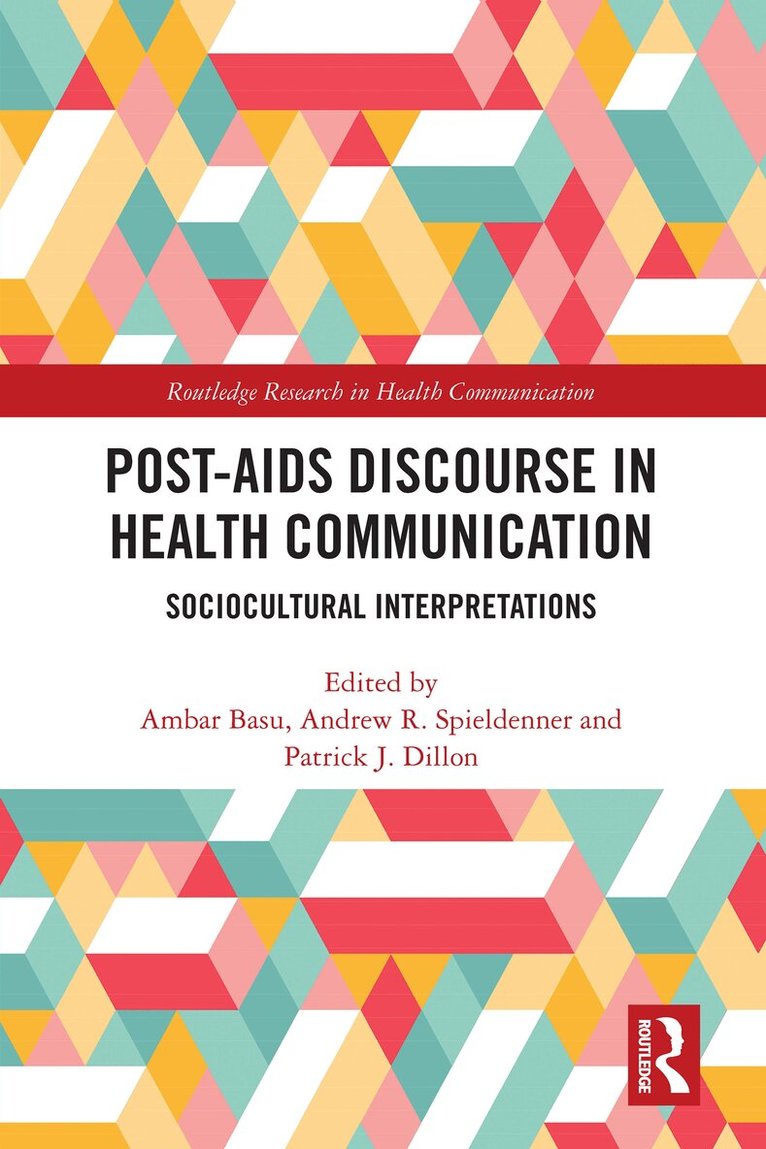
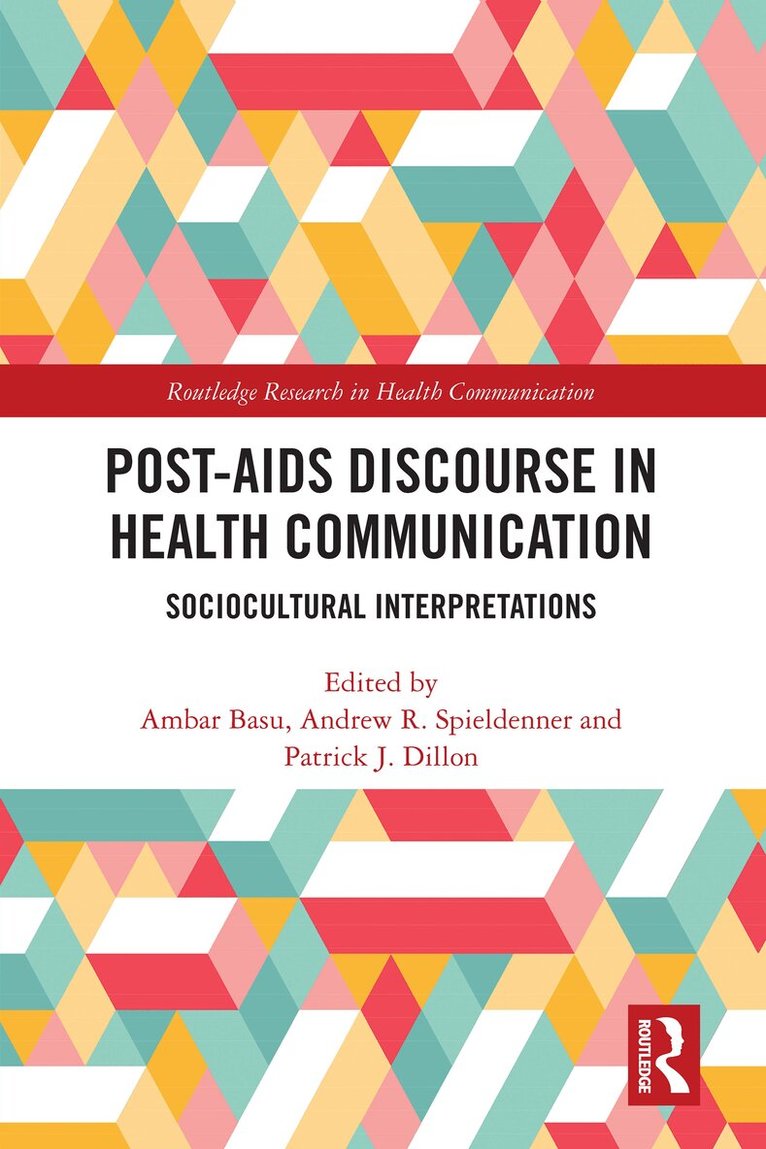
This book examines the discourse of a "post-AIDS" culture, and the medical-discursive shift from crisis and death to survival and living. Contributions from a diverse group of international scholars interrogate and engage with the cultural, social, political, scientific, historical, global, and local consumptions of the term "post-AIDS" from the perspective of meaning-making on health, illness, and well-being. The chapters critique and connect meanings of "post-AIDS" to topics such as neoliberalism; race, gender, and advocacy; disclosure; relationships and intimacy; stigma and structural violence; family and community; migration; work; survival; normativity; NGOs, transnational organizations; aging and end-of-life care; the politics of ART and PrEP; mental illness; campaigns; social media; and religion. Using a range of methodological tools, the scholarship herein asks how "post-AIDS" or the "End of the Epidemic" is communicated and made sense of in everyday discourse, what current meanings are circulated and consumed on and around HIV and AIDS, and provides thorough commentary and critique of a "post-AIDS" time.This book will be an essential read for scholars and students of health communication, sociology of health and illness, medical humanities, political science, and medical anthropology, as well as for policy makers and activists.
596 kr
Skickas inom 10-15 vardagar
This book examines the discourse of a "post-AIDS" culture, and the medical-discursive shift from crisis and death to survival and living. Contributions from a diverse group of international scholars interrogate and engage with the cultural, social, political, scientific, historical, global, and local consumptions of the term "post-AIDS" from the perspective of meaning-making on health, illness, and well-being. The chapters critique and connect meanings of "post-AIDS" to topics such as neoliberalism; race, gender, and advocacy; disclosure; relationships and intimacy; stigma and structural violence; family and community; migration; work; survival; normativity; NGOs, transnational organizations; aging and end-of-life care; the politics of ART and PrEP; mental illness; campaigns; social media; and religion. Using a range of methodological tools, the scholarship herein asks how "post-AIDS" or the "End of the Epidemic" is communicated and made sense of in everyday discourse, what current meanings are circulated and consumed on and around HIV and AIDS, and provides thorough commentary and critique of a "post-AIDS" time.This book will be an essential read for scholars and students of health communication, sociology of health and illness, medical humanities, political science, and medical anthropology, as well as for policy makers and activists.
1 458 kr
Skickas inom 5-8 vardagar
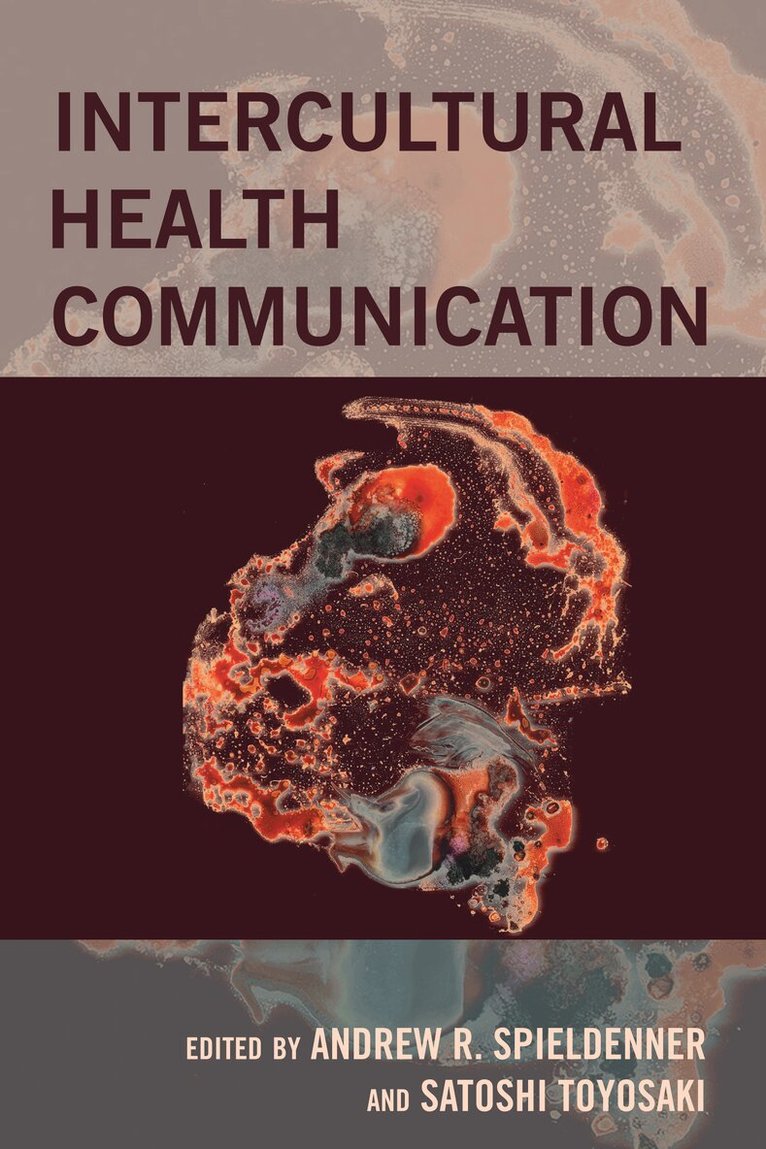
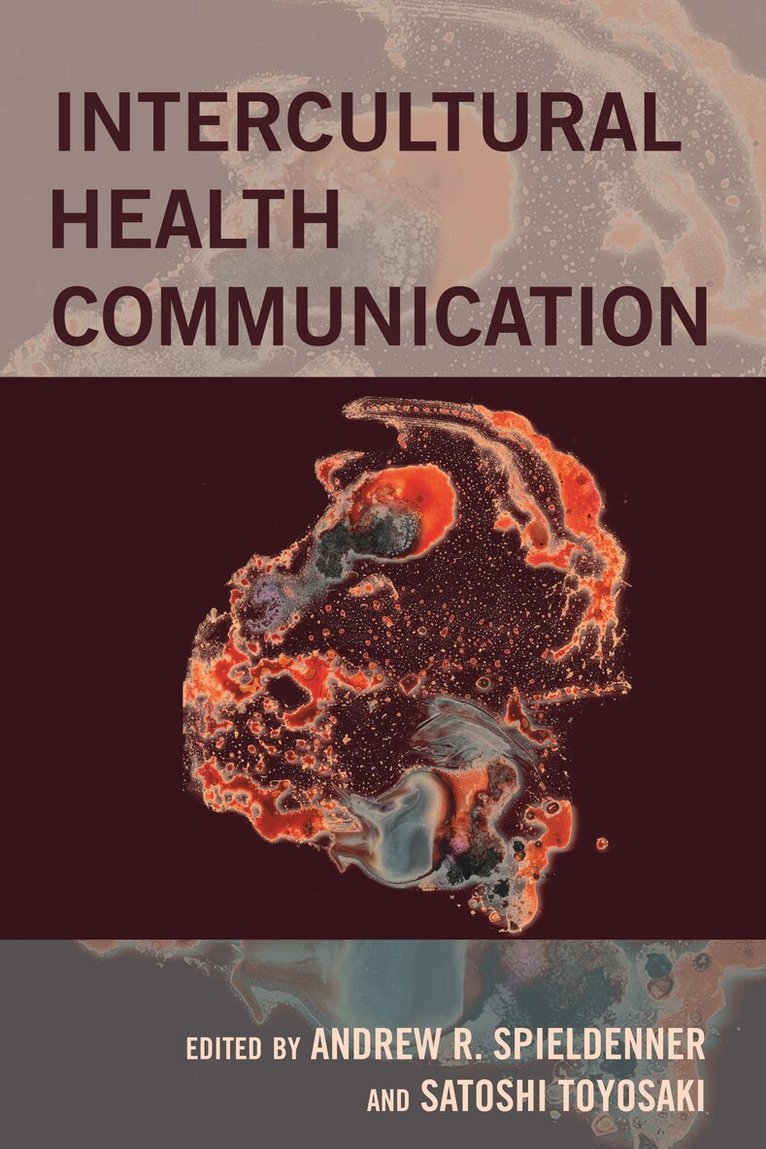
Intercultural Health Communication brings together the fields of health and intercultural research in new work from leading communication scholars. This book is based on two premises: neither health nor culture is a neutral concept. The authors of this collection employ critical, qualitative, and interpretive research methodologies in order to engage the political and intersectional nature of health and culture simultaneously. Changing notions of healthy behaviors (or ill health) are not just a matter of knowledge; they live inside discourses about the body, aesthetics, science, and the world. We see this book as an important step towards developing a more transnational view of health communication. Intercultural Health Communication ties together the critical public health with critical intercultural communication. Through these connections, the authors engage the health research in, amongst others: HIV, cancer, trauma, celiac disease, radioactive pollution, food politics, and prenatal care. Intercultural Health Communication emerges from a broad need to address connections and challenges to incorporating health communication with intercultural communication approaches. After compiling this book, we see ready connections to public health, global studies, gender and sexuality studies and ethnic studies. In this day and age, nation states have to be considered within the broader frameworks of globalization, transnationalism and global health. We recognize that the contemporary health issues require an understanding of culture as integral towards eliminating health disparities.
660 kr
Skickas inom 5-8 vardagar
Intercultural Health Communication brings together the fields of health and intercultural research in new work from leading communication scholars. This book is based on two premises: neither health nor culture is a neutral concept. The authors of this collection employ critical, qualitative, and interpretive research methodologies in order to engage the political and intersectional nature of health and culture simultaneously. Changing notions of healthy behaviors (or ill health) are not just a matter of knowledge; they live inside discourses about the body, aesthetics, science, and the world. We see this book as an important step towards developing a more transnational view of health communication. Intercultural Health Communication ties together the critical public health with critical intercultural communication. Through these connections, the authors engage the health research in, amongst others: HIV, cancer, trauma, celiac disease, radioactive pollution, food politics, and prenatal care. Intercultural Health Communication emerges from a broad need to address connections and challenges to incorporating health communication with intercultural communication approaches. After compiling this book, we see ready connections to public health, global studies, gender and sexuality studies and ethnic studies. In this day and age, nation states have to be considered within the broader frameworks of globalization, transnationalism and global health. We recognize that the contemporary health issues require an understanding of culture as integral towards eliminating health disparities.
238 kr
Skickas inom 7-10 vardagar
For a generation of gay men who came of age in the 1980s and 1990s, becoming sexually active meant confronting the dangers of catching and transmitting HIV. In the 21st century, however, the development of viral suppression treatments and preventative pills such as PrEP and nPEP has massively reduced the risk of acquiring HIV. Yet some of the stigma around gay male promiscuity and bareback sex has remained, inhibiting open dialogues about sexual desire, risk, and pleasure. A Pill for Promiscuity brings together academics, artists, and activists-from different generations, countries, ethnic backgrounds, and HIV statuses-to reflect on how gay sex has changed in a post-PrEP era. Some offer personal perspectives on the value of promiscuity and the sexual communities it fosters, while others critique unequal access to PrEP and the increased role Big Pharma now plays in gay life. With a diverse group of contributors that includes novelist Andrew Holleran, trans scholar Lore/tta LeMaster, cartoonist Steve MacIsaac, and pornographic film director Mister Pam, this book asks provocative questions about how we might reimagine queer sex and sexuality in the 21st century.
701 kr
Skickas inom 7-10 vardagar
For a generation of gay men who came of age in the 1980s and 1990s, becoming sexually active meant confronting the dangers of catching and transmitting HIV. In the 21st century, however, the development of viral suppression treatments and preventative pills such as PrEP and nPEP has massively reduced the risk of acquiring HIV. Yet some of the stigma around gay male promiscuity and bareback sex has remained, inhibiting open dialogues about sexual desire, risk, and pleasure. A Pill for Promiscuity brings together academics, artists, and activists-from different generations, countries, ethnic backgrounds, and HIV statuses-to reflect on how gay sex has changed in a post-PrEP era. Some offer personal perspectives on the value of promiscuity and the sexual communities it fosters, while others critique unequal access to PrEP and the increased role Big Pharma now plays in gay life. With a diverse group of contributors that includes novelist Andrew Holleran, trans scholar Lore/tta LeMaster, cartoonist Steve MacIsaac, and pornographic film director Mister Pam, this book asks provocative questions about how we might reimagine queer sex and sexuality in the 21st century.