Amir B. Marvasti - Böcker
Visar alla böcker från författaren Amir B. Marvasti. Handla med fri frakt och snabb leverans.
5 produkter
5 produkter
1 331 kr
Skickas inom 5-8 vardagar
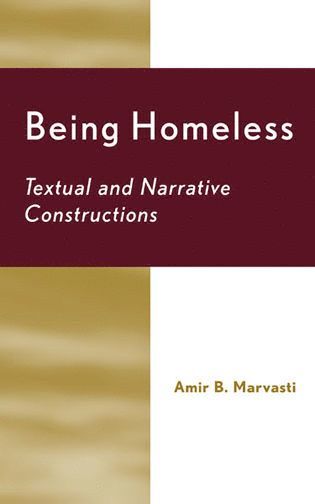
Being Homeless presents the stories of homelessness as told from the perspectives of the clients, staff, and a researcher at an emergency shelter. Drawing on in-depth interviews, shelter documents, and historical analysis, the author provides ethnographic data that demonstrate the variety of the experiences and the attitudes of homeless people. This study underscores the necessity for a more comprehensive response to the needs of this group. Being Homeless offers insights, both practical and theoretical, of value to human service providers as well as sociologists.
1 968 kr
Skickas inom 10-15 vardagar
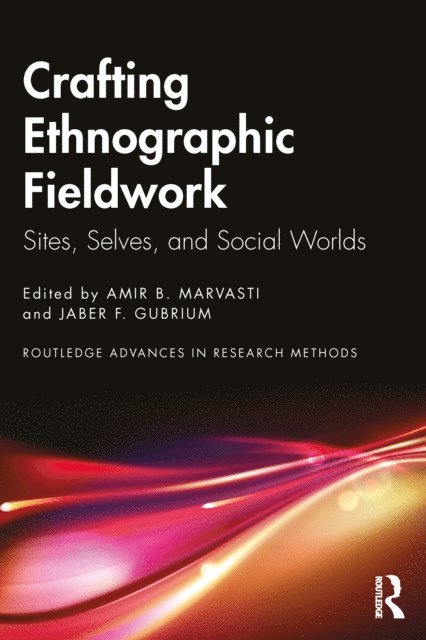
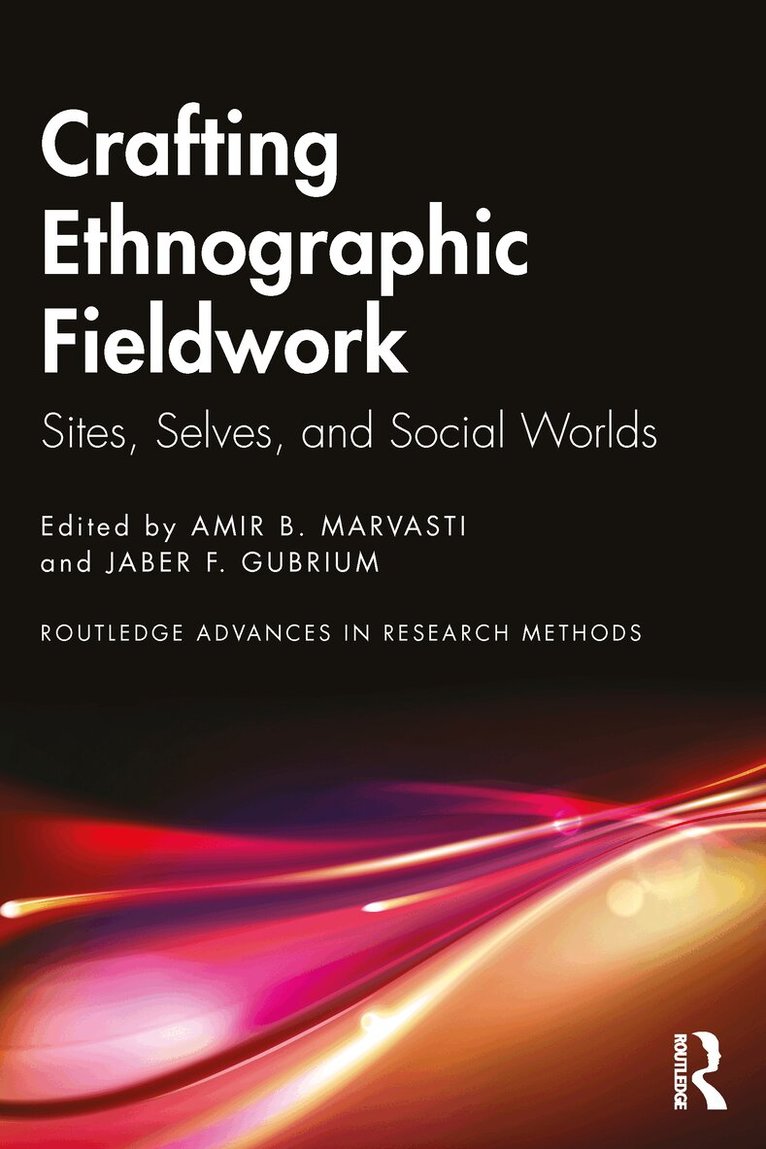
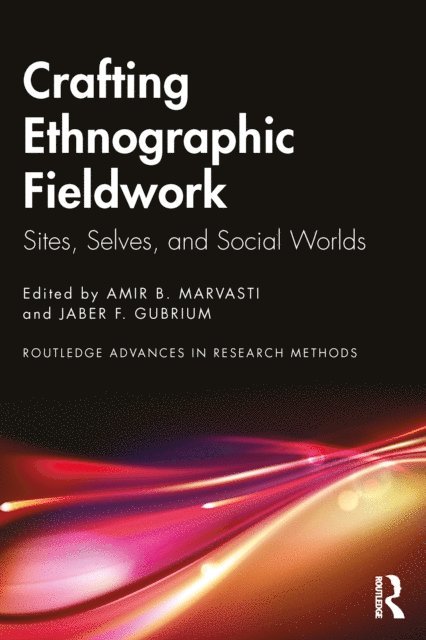
Through a series of case studies, this book provides an understanding of the practice of ethnographic fieldwork in a variety of contexts, from everyday settings to formal institutions. Demonstrating that ethnography is best viewed as a series of site-specific challenges, it showcases ethnographic fieldwork as ongoing analytic engagement with concrete social worlds. From engagements with boxing and nightlife to preschooling and migratory encampments, portrayed is a process that is anything but a set of pre-packaged challenges and hurdles of simple-minded procedural tropes such as entrée, rapport, and departure. Instead, ethnography emerges as what it has been from its beginnings: a rough-and-ready analytic matter of seeking understanding in unrecognized and diverse fields of interaction. Crafting Ethnographic Fieldwork will appeal to scholars and students across the social sciences with interests in the practice of participant observation and related questions of research methodology.
561 kr
Skickas inom 10-15 vardagar
Through a series of case studies, this book provides an understanding of the practice of ethnographic fieldwork in a variety of contexts, from everyday settings to formal institutions. Demonstrating that ethnography is best viewed as a series of site-specific challenges, it showcases ethnographic fieldwork as ongoing analytic engagement with concrete social worlds. From engagements with boxing and nightlife to preschooling and migratory encampments, portrayed is a process that is anything but a set of pre-packaged challenges and hurdles of simple-minded procedural tropes such as entrée, rapport, and departure. Instead, ethnography emerges as what it has been from its beginnings: a rough-and-ready analytic matter of seeking understanding in unrecognized and diverse fields of interaction. Crafting Ethnographic Fieldwork will appeal to scholars and students across the social sciences with interests in the practice of participant observation and related questions of research methodology.
575 kr
Skickas inom 10-15 vardagar
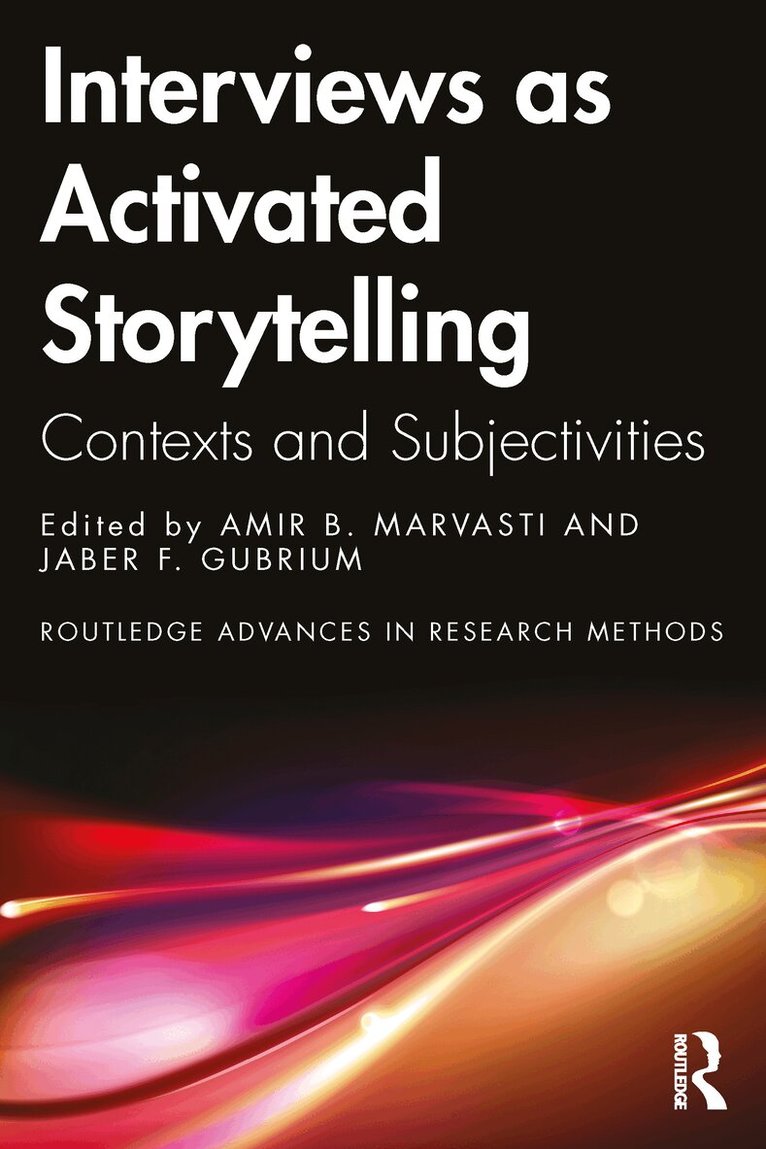
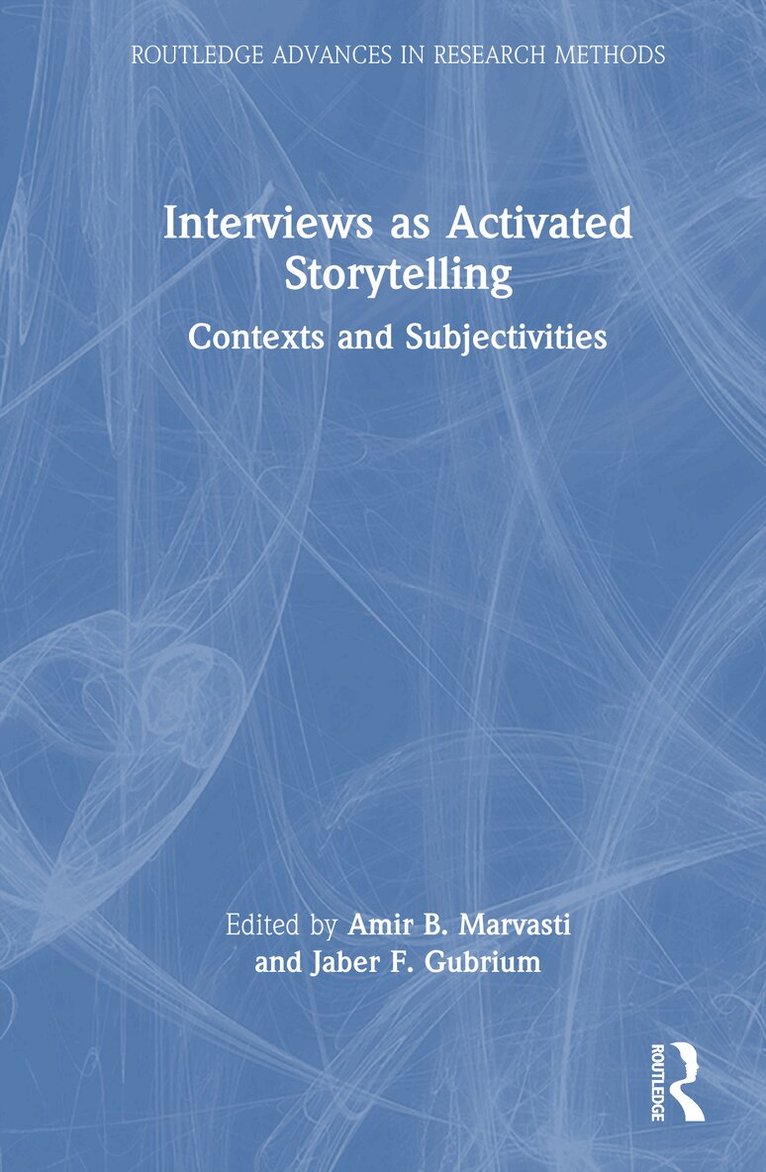
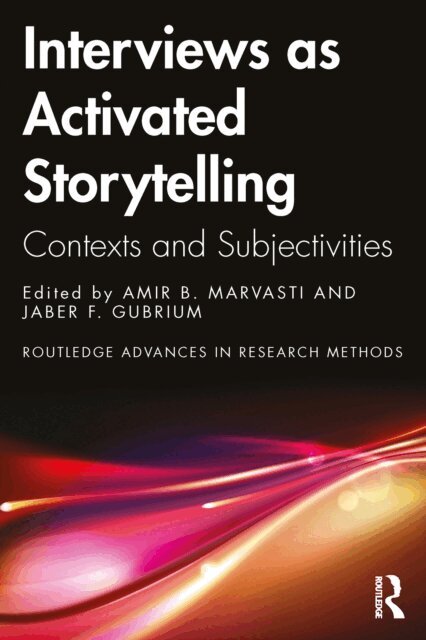
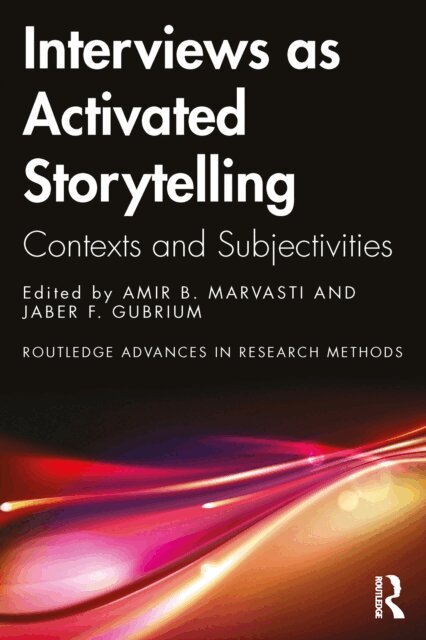
Challenging the sanitized view of participants in standardized surveys, Interviews as Activated Storytelling contends that interviewing is a meaning-making process producing useful but context-sensitive knowledge. Through a series of case studies, the book illustrates that participants are not simply there for asking and answering, but inquire and respond in terms of attendant interests and social worlds. Interview interaction and interpretation must take these into account against standardization. In two parts, chapters explore how conditions of the interview process (contexts) and conceptions of interview participants (subjectivities) narratively inform and shape—activate—interviewing and its results. Together with the previously published book Crafting Ethnographic Fieldwork: Sites, Selves, and Social Worlds, insights into the full range of procedural issues in qualitative research are offered.
2 103 kr
Skickas inom 10-15 vardagar
Challenging the sanitized view of participants in standardized surveys, Interviews as Activated Storytelling contends that interviewing is a meaning-making process producing useful but context-sensitive knowledge. Through a series of case studies, the book illustrates that participants are not simply there for asking and answering, but inquire and respond in terms of attendant interests and social worlds. Interview interaction and interpretation must take these into account against standardization. In two parts, chapters explore how conditions of the interview process (contexts) and conceptions of interview participants (subjectivities) narratively inform and shape—activate—interviewing and its results. Together with the previously published book Crafting Ethnographic Fieldwork: Sites, Selves, and Social Worlds, insights into the full range of procedural issues in qualitative research are offered.