Amir Ullah Khan – författare
Visar alla böcker från författaren Amir Ullah Khan. Handla med fri frakt och snabb leverans.
7 produkter
7 produkter
Inbunden, Engelska, 2025
2 193 kr
Skickas inom 10-15 vardagar
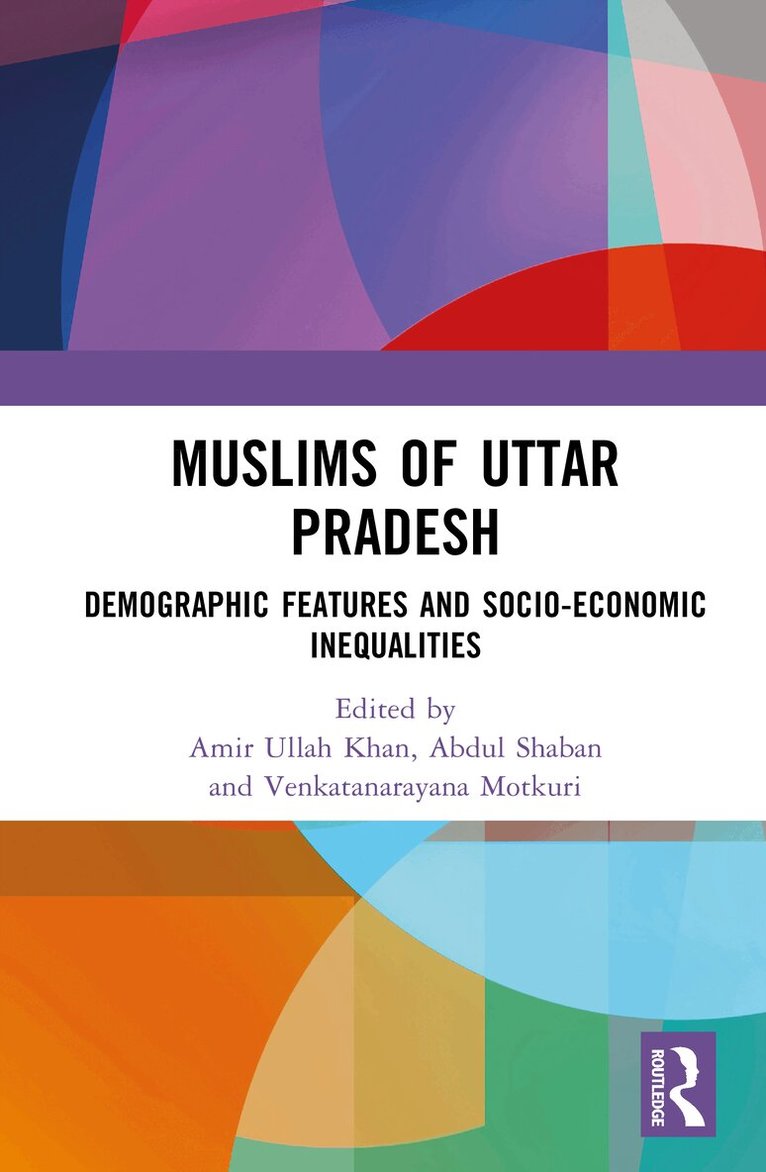
This book provides a comprehensive look into the development challenges and critical socio-economic issues of the Muslim communities in Uttar Pradesh—India’s most populous state and home to one of its largest Muslim populations. Well-known for its syncretic culture, benevolent kings and nawabs, Uttar Pradesh has also been a region that has historically experienced significant religious politics and communal violence. This book moves beyond these sectoral approaches and attempts to present a holistic, detailed, and contemporary perspective on the development of Muslims in the state. It traces the complex sectarian, caste-based, occupational, and regional diversities within the Muslim population in Uttar Pradesh and investigates the intersections of identity, social stratification, and development. Drawing on detailed empirical research, the volume explores critical issues such as educational and occupational mobility, health disparities, livelihood patterns, migration, and access to financial services. It highlights the persistent inequalities faced by Muslims in the state and examines how historical and contemporary processes including sectarian divides, caste hierarchies, political marginalisation, and policy shortcomings have shaped their current realities. This book, along with its companion volume Development Challenges of Muslims in Uttar Pradesh, will be of interest to students and researchers of politics, development studies, anthropology, human geography, sociology, and minority studies. It will also be of relevance to those in development administration, civil society organizations, and the general reader interested in development and deprivation in the state or Hindu-Muslim politics.
E-bok
PDF, Engelska, 2025746 kr
Läs direkt efter köp
This book provides a comprehensive look into the development challenges and critical socio-economic issues of the Muslim communities in Uttar Pradesh-India's most populous state and home to one of its largest Muslim populations. Well-known for its syncretic culture, benevolent kings and nawabs, Uttar Pradesh has also been a region that has historically experienced significant religious politics and communal violence. This book moves beyond these sectoral approaches and attempts to present a holistic, detailed, and contemporary perspective on the development of Muslims in the state. It traces the complex sectarian, caste-based, occupational, and regional diversities within the Muslim population in Uttar Pradesh and investigates the intersections of identity, social stratification, and development. Drawing on detailed empirical research, the volume explores critical issues such as educational and occupational mobility, health disparities, livelihood patterns, migration, and access to financial services. It highlights the persistent inequalities faced by Muslims in the state and examines how historical and contemporary processes including sectarian divides, caste hierarchies, political marginalisation, and policy shortcomings have shaped their current realities. This book, along with its companion volume Development Challenges of Muslims in Uttar Pradesh, will be of interest to students and researchers of politics, development studies, anthropology, human geography, sociology, and minority studies. It will also be of relevance to those in development administration, civil society organizations, and the general reader interested in development and deprivation in the state or Hindu-Muslim politics.
E-bok
Engelska, 2025774 kr
Läs direkt efter köp
This book provides a comprehensive look into the development challenges and critical socio-economic issues of the Muslim communities in Uttar Pradesh-India's most populous state and home to one of its largest Muslim populations. Well-known for its syncretic culture, benevolent kings and nawabs, Uttar Pradesh has also been a region that has historically experienced significant religious politics and communal violence. This book moves beyond these sectoral approaches and attempts to present a holistic, detailed, and contemporary perspective on the development of Muslims in the state. It traces the complex sectarian, caste-based, occupational, and regional diversities within the Muslim population in Uttar Pradesh and investigates the intersections of identity, social stratification, and development. Drawing on detailed empirical research, the volume explores critical issues such as educational and occupational mobility, health disparities, livelihood patterns, migration, and access to financial services. It highlights the persistent inequalities faced by Muslims in the state and examines how historical and contemporary processes including sectarian divides, caste hierarchies, political marginalisation, and policy shortcomings have shaped their current realities. This book, along with its companion volume Development Challenges of Muslims in Uttar Pradesh, will be of interest to students and researchers of politics, development studies, anthropology, human geography, sociology, and minority studies. It will also be of relevance to those in development administration, civil society organizations, and the general reader interested in development and deprivation in the state or Hindu-Muslim politics.
E-bok
PDF, Engelska, 201816 kr
Läs direkt efter köp
Excerpt from the year 2018 in the subject Sociology - Individual, Groups, Society, grade: -, , course: Economics, language: English, abstract: This text offers a comprehensive study of social and economic conditions of Muslims in India. We envision India in 2025, where all Muslims are assured of, and have access to, equitable and inclusive growth through public and private service delivery and are able to pursue their aspirations with optimal health, education, wellbeing and quality of life. This vision will be realised by empowering all Muslims and minorities and their institutions, through building leadership, capacity, accountability and diverse partnerships, and creating an enabling set of programmes, polices and regulatory environment.
Inbunden, Engelska, 2021
549 kr
Skickas inom 10-15 vardagar
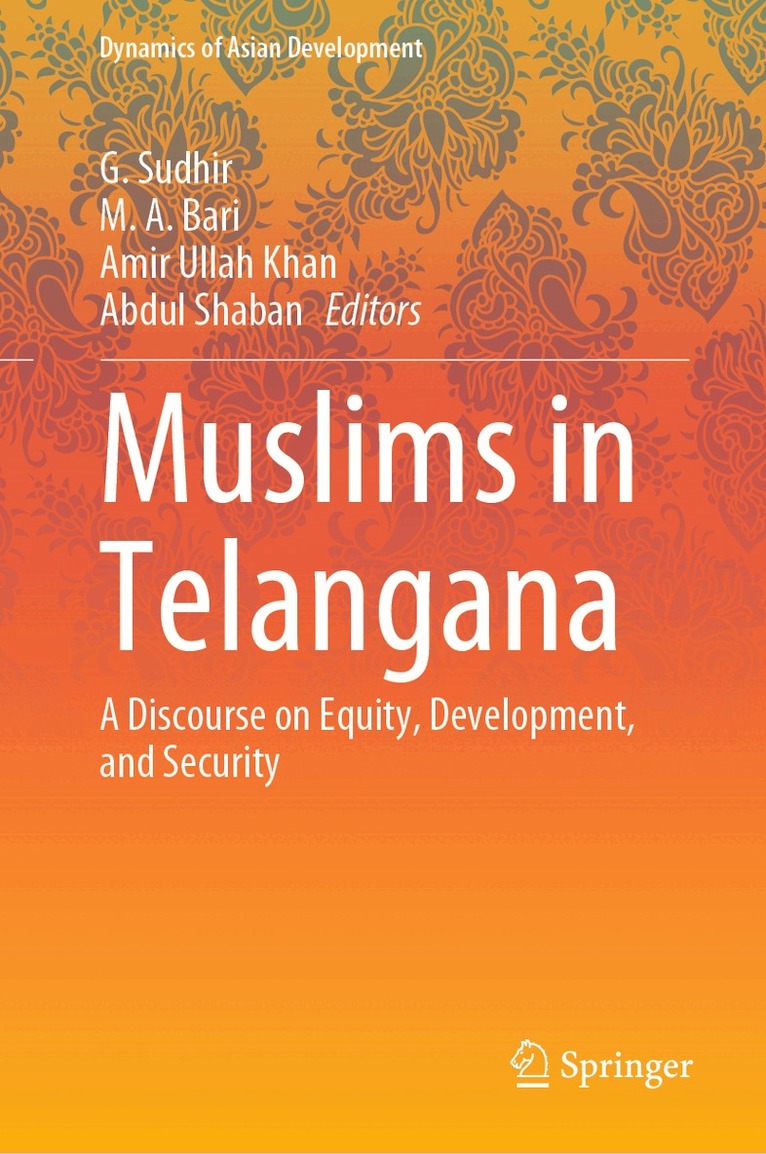
This book analyses the state of development of Muslims at the regional level. It explains the linkages between the findings of global, national, and state-level studies with regard to the current status of Muslims and broadens understanding of Muslims and their participation in virtually all major sectors, including the economy, housing, demography, health, migration, state policy, and affirmative action. The book presents the challenges faced by the community and reflects upon the socio-economic and educational conditions of Muslims in Telangana State. It presents a comparative analysis of mortality data, maternal health, delivery care, and child immunization, as well as reproductive health aspects and children’s nutritional status. It shares valuable insights into the impacts of emigration and internal migration on health among local Muslims and presents a detailed analysis of data from the Census of India, NSSO, and Commission of Inquiry on Socio-Economic and Educational Status of Muslims regarding the social, economic, and demographic situation of Muslims in Telangana, as well as their opportunities for development under the newly formed state government. The book would be of great interest to scholars and researchers in development economics, sociology, politics, history, cultural studies, minority studies, Islamic studies, and policy studies, as well as policymakers, civil society activists, and those working in media and journalism.
E-bok
Engelska, 2021712 kr
Läs direkt efter köp
This book analyses the state of development of Muslims at the regional level. It explains the linkages between the findings of global, national, and state-level studies with regard to the current status of Muslims and broadens understanding of Muslims and their participation in virtually all major sectors, including the economy, housing, demography, health, migration, state policy, and affirmative action. The book presents the challenges faced by the community and reflects upon the socio-economic and educational conditions of Muslims in Telangana State. It presents a comparative analysis of mortality data, maternal health, delivery care, and child immunization, as well as reproductive health aspects and children’s nutritional status. It shares valuable insights into the impacts of emigration and internal migration on health among local Muslims and presents a detailed analysis of data from the Census of India, NSSO, and Commission of Inquiry on Socio-Economic and Educational Status of Muslims regarding the social, economic, and demographic situation of Muslims in Telangana, as well as their opportunities for development under the newly formed state government. The book would be of great interest to scholars and researchers in development economics, sociology, politics, history, cultural studies, minority studies, Islamic studies, and policy studies, as well as policymakers, civil society activists, and those working in media and journalism.
Häftad, Engelska, 2022
549 kr
Skickas inom 10-15 vardagar
This book analyses the state of development of Muslims at the regional level. It explains the linkages between the findings of global, national, and state-level studies with regard to the current status of Muslims and broadens understanding of Muslims and their participation in virtually all major sectors, including the economy, housing, demography, health, migration, state policy, and affirmative action. The book presents the challenges faced by the community and reflects upon the socio-economic and educational conditions of Muslims in Telangana State. It presents a comparative analysis of mortality data, maternal health, delivery care, and child immunization, as well as reproductive health aspects and children’s nutritional status. It shares valuable insights into the impacts of emigration and internal migration on health among local Muslims and presents a detailed analysis of data from the Census of India, NSSO, and Commission of Inquiry on Socio-Economic and Educational Status of Muslims regarding the social, economic, and demographic situation of Muslims in Telangana, as well as their opportunities for development under the newly formed state government. The book would be of great interest to scholars and researchers in development economics, sociology, politics, history, cultural studies, minority studies, Islamic studies, and policy studies, as well as policymakers, civil society activists, and those working in media and journalism.