Abdul Shaban – författare
Visar alla böcker från författaren Abdul Shaban. Handla med fri frakt och snabb leverans.
15 produkter
15 produkter
Häftad, Engelska, 2020
660 kr
Skickas inom 10-15 vardagar
The global south is entering an ‘Urban Age’ where, for the first time in history, more people will be living in cities than in the countryside. The logics of this prediction have a dominant framing - rapid urbanization, uncontrolled migration, resource depletion, severe fuel shortages and the breakdown of law and order. We are told that we must be prepared. The solution is simple, they say. Mega-urbanization is an opportunity for economic growth and prosperity. Therefore we must build big, build new and build fast. With contributions from an international range of established and emerging scholars drawing upon real-world examples, Mega-Urbanization in the Global South is the first to use the lens of speed to examine the postcolonial ‘urban revolution’. From the mega-urbanization of Lusaka, to the production of satellite cities in Jakarta, to new cities built from scratch in Masdar, Songdo and Rajarhat, this book argues that speed is now the persistent feature of a range of utopian visions that seek to expedite the production of new cities. These ‘fast cities’ are the enduring images of postcolonial urbanism, which bypass actually existing urbanisms through new power-knowledge coalitions of producing, knowing and governing the city. The book explores three main themes. Part I examines fast cities as new urban utopias which propagate the illusion that they are ‘quick fix’ sustainable solutions to insulate us from future crises. Part II discusses the role of the entrepreneurial state that despite its neoliberalisation is playing a key role in shaping mega-urbanization through laws, policies and brute force. Part III finally delves into how fast cities built by entrepreneurial states actually materialise at the scale of regional urbanization rather than as metropolitan growth. This book explores the contradictions between intended and unintended outcomes of fast cities and points to their fault lines between state sovereignty, capital accumulation and citizenship. It concludes with a vision and manifesto for ‘slow’ and decelerated urbanism.This timely and original book presents urban scholars with the theoretical, empirical and methodological challenges of mega-urbanization in the global south, as well as highlighting new theoretical agendas and empirical analyses that these new forms of city-making bring to the fore.
Inbunden, Engelska, 2022
1 952 kr
Skickas inom 10-15 vardagar
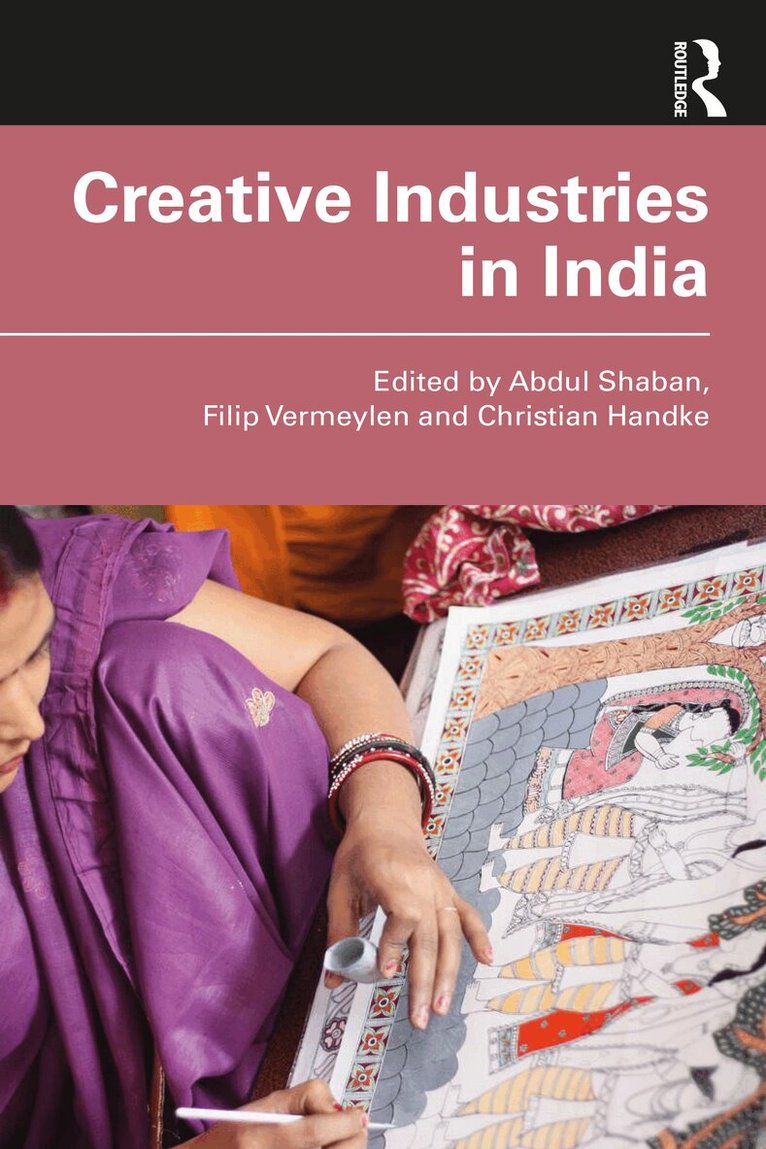
As digitalization meets local traditions, there is great potential for creative industries (CI) to promote economic and social development in middle- and low-income countries. This book explores the economic and cultural relevance of these industries in India.The book identifies key topics regarding cultural and creative industries in India, which has a rich cultural heritage and a young demographic and is undergoing swift socio-economic change. It contains the most sophisticated and comprehensive mappings of CI in India to date. It also features numerous case studies, which illuminate the growth of CI in India, its intersections with caste and gender, the central role of handloom, handicraft, and other local practices within communities, as well as the specific challenges in safeguarding and harnessing various creative industry assets to promote sustainable development and social change.Rich with empirical data, this book will be an essential read for scholars and researchers of cultural studies, economics, history, social work, development studies, media studies, and South Asian studies.
Häftad, Engelska, 2022
590 kr
Skickas inom 10-15 vardagar
As digitalization meets local traditions, there is great potential for creative industries (CI) to promote economic and social development in middle- and low-income countries. This book explores the economic and cultural relevance of these industries in India.The book identifies key topics regarding cultural and creative industries in India, which has a rich cultural heritage and a young demographic and is undergoing swift socio-economic change. It contains the most sophisticated and comprehensive mappings of CI in India to date. It also features numerous case studies, which illuminate the growth of CI in India, its intersections with caste and gender, the central role of handloom, handicraft, and other local practices within communities, as well as the specific challenges in safeguarding and harnessing various creative industry assets to promote sustainable development and social change.Rich with empirical data, this book will be an essential read for scholars and researchers of cultural studies, economics, history, social work, development studies, media studies, and South Asian studies.
Inbunden, Engelska, 2016
2 230 kr
Skickas inom 10-15 vardagar
The global south is entering an ‘Urban Age’ where, for the first time in history, more people will be living in cities than in the countryside. The logics of this prediction have a dominant framing - rapid urbanization, uncontrolled migration, resource depletion, severe fuel shortages and the breakdown of law and order. We are told that we must be prepared. The solution is simple, they say. Mega-urbanization is an opportunity for economic growth and prosperity. Therefore we must build big, build new and build fast. With contributions from an international range of established and emerging scholars drawing upon real-world examples, Mega-Urbanization in the Global South is the first to use the lens of speed to examine the postcolonial ‘urban revolution’. From the mega-urbanization of Lusaka, to the production of satellite cities in Jakarta, to new cities built from scratch in Masdar, Songdo and Rajarhat, this book argues that speed is now the persistent feature of a range of utopian visions that seek to expedite the production of new cities. These ‘fast cities’ are the enduring images of postcolonial urbanism, which bypass actually existing urbanisms through new power-knowledge coalitions of producing, knowing and governing the city. The book explores three main themes. Part I examines fast cities as new urban utopias which propagate the illusion that they are ‘quick fix’ sustainable solutions to insulate us from future crises. Part II discusses the role of the entrepreneurial state that despite its neoliberalisation is playing a key role in shaping mega-urbanization through laws, policies and brute force. Part III finally delves into how fast cities built by entrepreneurial states actually materialise at the scale of regional urbanization rather than as metropolitan growth. This book explores the contradictions between intended and unintended outcomes of fast cities and points to their fault lines between state sovereignty, capital accumulation and citizenship. It concludes with a vision and manifesto for ‘slow’ and decelerated urbanism.This timely and original book presents urban scholars with the theoretical, empirical and methodological challenges of mega-urbanization in the global south, as well as highlighting new theoretical agendas and empirical analyses that these new forms of city-making bring to the fore.
Häftad, Engelska, 2018
715 kr
Skickas inom 10-15 vardagar
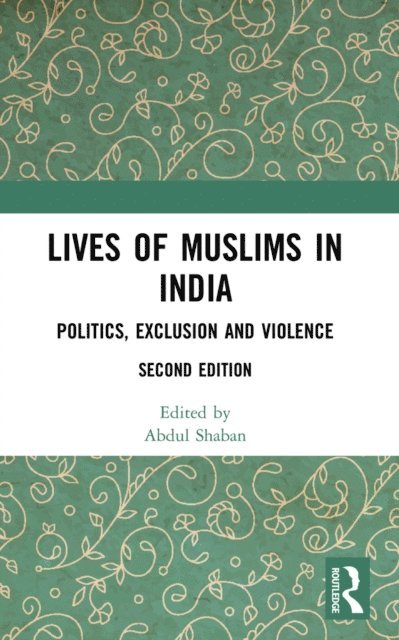
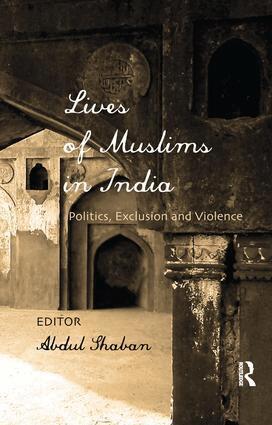
The fast-consolidating identities along religious and ethnic lines in recent years have considerably ‘minoritised’ Muslims in India. The wide-ranging essays in this volume focus on the intensified exclusionary practices against Indian Muslims, highlighting how, amidst a politics of violence, confusing policy frameworks on caste and class lines, and institutionalised riot systems, the community has also suffered from the lack of leadership from within. At the same time, Indian Muslims have emerged as a ‘mass’ around which the politics of ‘vote bank’, ‘appeasement’, ‘foreigners’, ‘Pakistanis within the country’, and so on are innovated and played upon, making them further apprehensive about asserting their legitimate right to development. The important issues of the double marginalisation of Muslim women and attempts to reform the Muslim Personal Law by some civil society groups is also discussed. Contributed by academics, activists and journalists, the articles discuss issues of integration, exclusion and violence, and attempt to understand categories such as ‘identity’, ‘minority’, ‘multiculturalism’ and ‘nationalism’ with regard to and in the context of Indian Muslims. This second edition, with a new introduction, will be of great interest to scholars and researchers in sociology, politics, history, cultural studies, minority studies, Islamic studies, policy studies and development studies, as well as policymakers, civil society activists and those in media and journalism.
Inbunden, Engelska, 2018
2 160 kr
Skickas inom 10-15 vardagar
The fast-consolidating identities along religious and ethnic lines in recent years have considerably ‘minoritised’ Muslims in India. The wide-ranging essays in this volume focus on the intensified exclusionary practices against Indian Muslims, highlighting how, amidst a politics of violence, confusing policy frameworks on caste and class lines, and institutionalised riot systems, the community has also suffered from the lack of leadership from within. At the same time, Indian Muslims have emerged as a ‘mass’ around which the politics of ‘vote bank’, ‘appeasement’, ‘foreigners’, ‘Pakistanis within the country’, and so on are innovated and played upon, making them further apprehensive about asserting their legitimate right to development. The important issues of the double marginalisation of Muslim women and attempts to reform the Muslim Personal Law by some civil society groups is also discussed. Contributed by academics, activists and journalists, the articles discuss issues of integration, exclusion and violence, and attempt to understand categories such as ‘identity’, ‘minority’, ‘multiculturalism’ and ‘nationalism’ with regard to and in the context of Indian Muslims. This second edition, with a new introduction, will be of great interest to scholars and researchers in sociology, politics, history, cultural studies, minority studies, Islamic studies, policy studies and development studies, as well as policymakers, civil society activists and those in media and journalism.
Inbunden, Engelska, 2025
2 160 kr
Skickas inom 10-15 vardagar
This book provides a comprehensive look into the development challenges and critical socio-economic issues of the Muslim communities in Uttar Pradesh—India’s most populous state and home to one of its largest Muslim populations. Well-known for its syncretic culture, benevolent kings and nawabs, Uttar Pradesh has also been a region that has historically experienced significant religious politics and communal violence. This book moves beyond these sectoral approaches and attempts to present a holistic, detailed, and contemporary perspective on the development of Muslims in the state. It traces the complex sectarian, caste-based, occupational, and regional diversities within the Muslim population in Uttar Pradesh and investigates the intersections of identity, social stratification, and development. Drawing on detailed empirical research, the volume explores critical issues such as educational and occupational mobility, health disparities, livelihood patterns, migration, and access to financial services. It highlights the persistent inequalities faced by Muslims in the state and examines how historical and contemporary processes including sectarian divides, caste hierarchies, political marginalisation, and policy shortcomings have shaped their current realities. This book, along with its companion volume Development Challenges of Muslims in Uttar Pradesh, will be of interest to students and researchers of politics, development studies, anthropology, human geography, sociology, and minority studies. It will also be of relevance to those in development administration, civil society organizations, and the general reader interested in development and deprivation in the state or Hindu-Muslim politics.
Inbunden, Engelska, 2021
545 kr
Skickas inom 10-15 vardagar
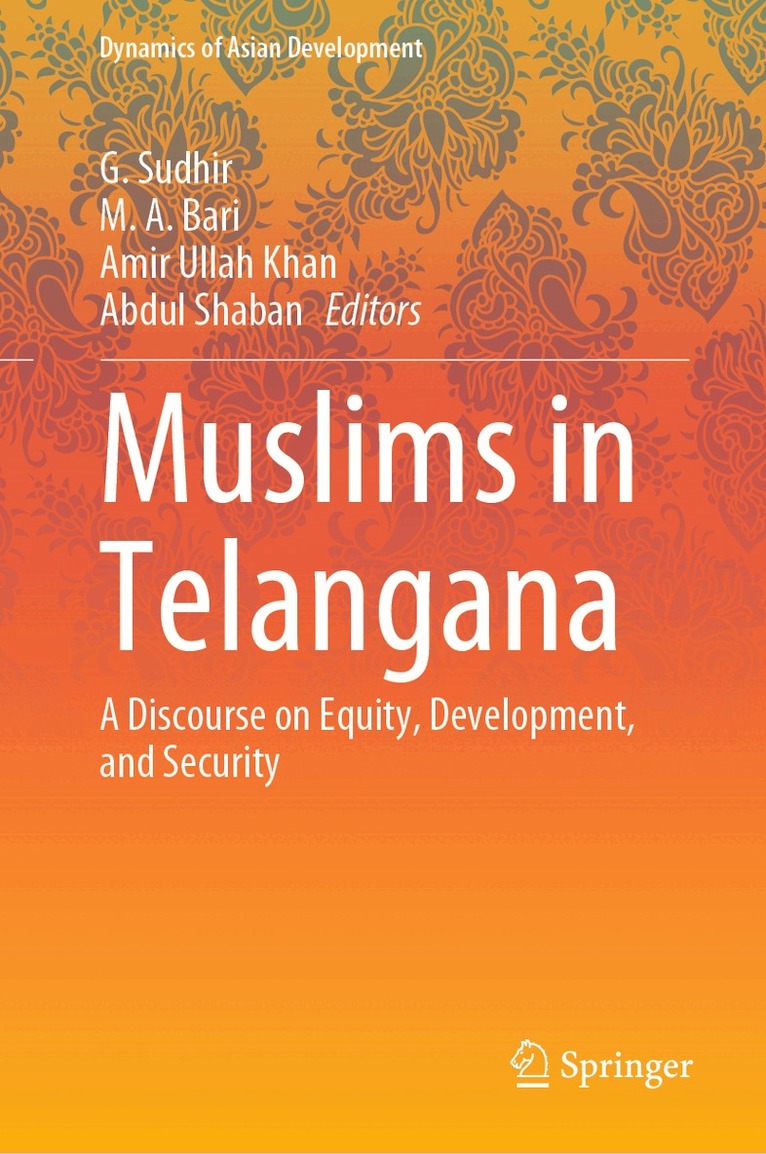
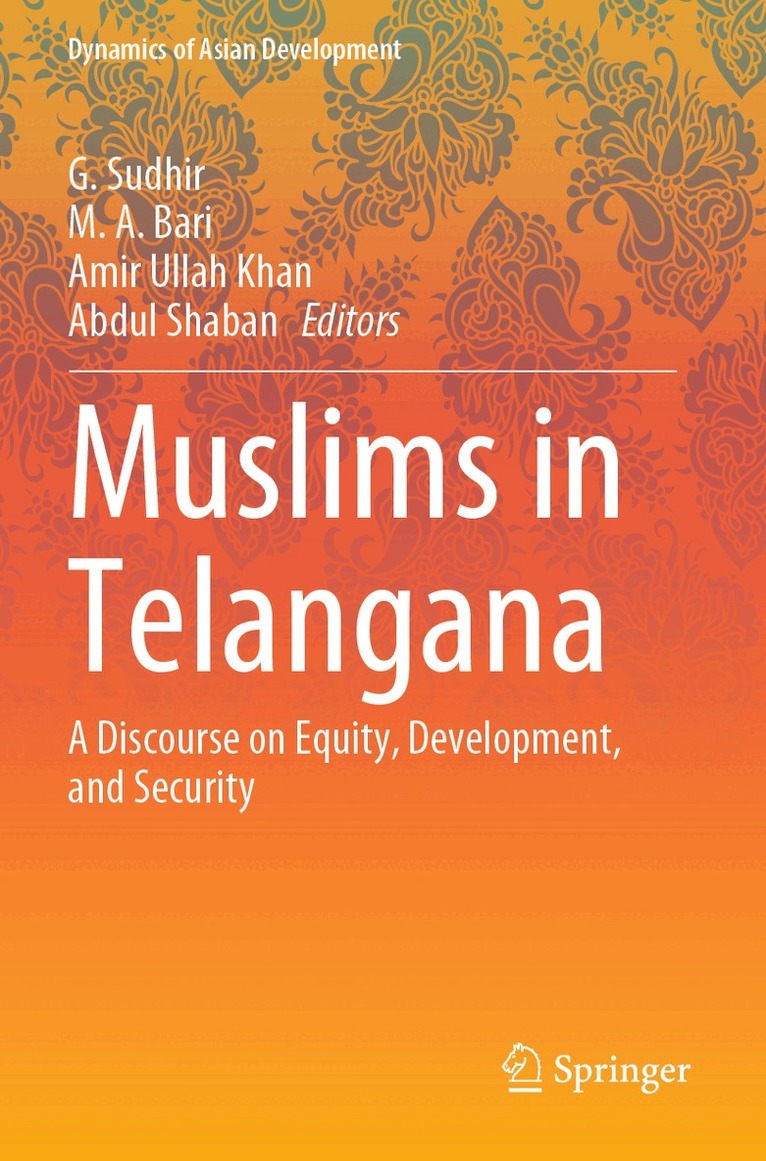
This book analyses the state of development of Muslims at the regional level. It explains the linkages between the findings of global, national, and state-level studies with regard to the current status of Muslims and broadens understanding of Muslims and their participation in virtually all major sectors, including the economy, housing, demography, health, migration, state policy, and affirmative action. The book presents the challenges faced by the community and reflects upon the socio-economic and educational conditions of Muslims in Telangana State. It presents a comparative analysis of mortality data, maternal health, delivery care, and child immunization, as well as reproductive health aspects and children’s nutritional status. It shares valuable insights into the impacts of emigration and internal migration on health among local Muslims and presents a detailed analysis of data from the Census of India, NSSO, and Commission of Inquiry on Socio-Economic and Educational Status of Muslims regarding the social, economic, and demographic situation of Muslims in Telangana, as well as their opportunities for development under the newly formed state government. The book would be of great interest to scholars and researchers in development economics, sociology, politics, history, cultural studies, minority studies, Islamic studies, and policy studies, as well as policymakers, civil society activists, and those working in media and journalism.
Häftad, Engelska, 2022
545 kr
Skickas inom 10-15 vardagar
This book analyses the state of development of Muslims at the regional level. It explains the linkages between the findings of global, national, and state-level studies with regard to the current status of Muslims and broadens understanding of Muslims and their participation in virtually all major sectors, including the economy, housing, demography, health, migration, state policy, and affirmative action. The book presents the challenges faced by the community and reflects upon the socio-economic and educational conditions of Muslims in Telangana State. It presents a comparative analysis of mortality data, maternal health, delivery care, and child immunization, as well as reproductive health aspects and children’s nutritional status. It shares valuable insights into the impacts of emigration and internal migration on health among local Muslims and presents a detailed analysis of data from the Census of India, NSSO, and Commission of Inquiry on Socio-Economic and Educational Status of Muslims regarding the social, economic, and demographic situation of Muslims in Telangana, as well as their opportunities for development under the newly formed state government. The book would be of great interest to scholars and researchers in development economics, sociology, politics, history, cultural studies, minority studies, Islamic studies, and policy studies, as well as policymakers, civil society activists, and those working in media and journalism.
Inbunden, Engelska, 2025
2 158 kr
Skickas inom 10-15 vardagar
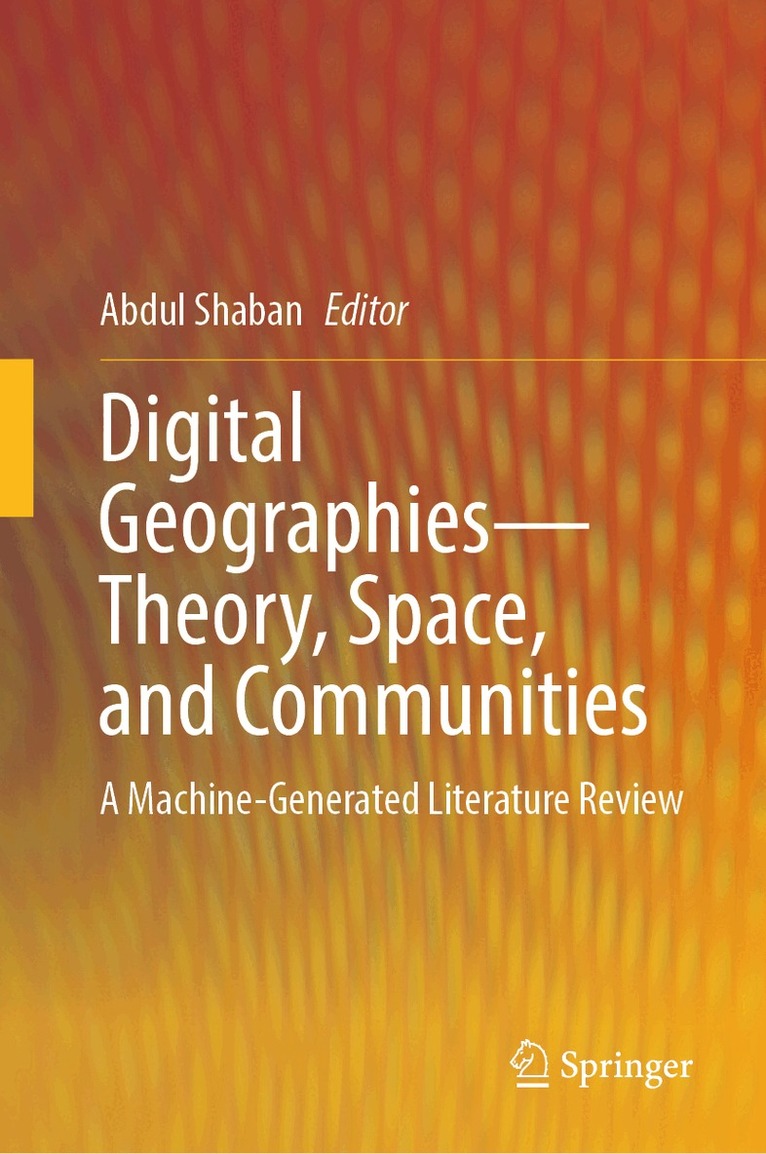
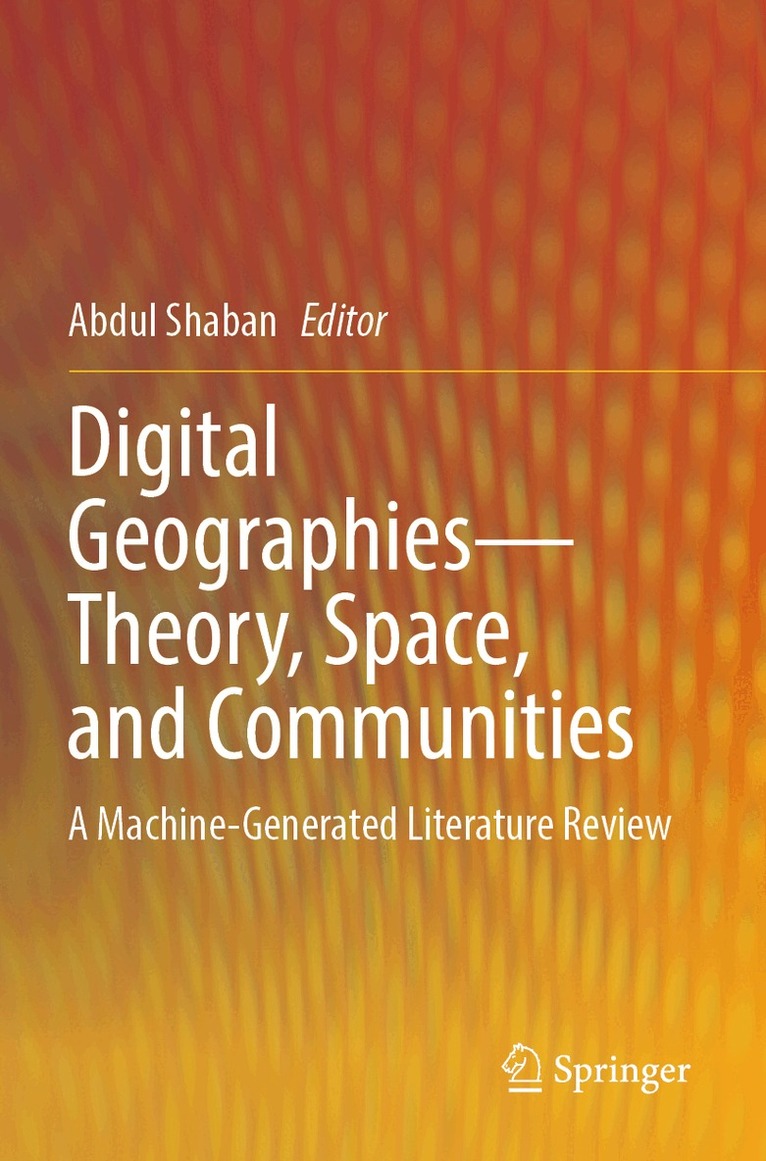
This machine-generated volume, with chapter introductions by the human expert, showcases how digital technologies are having deep transformative impacts on geographies and temporalities of social, political, economic, and personal lives. They are altering perceptions and physicality of space and time. They are giving birth to digital communities and societies where distance remains of little significance. Virtual spaces and ICT have disrupted state sovereignties, often liquidating their physical national boundaries. The rise of the digital economy shows that new important raw materials for the future are information rather than coal, oil, and minerals. Digitalisation is also leading to several contradictory processes of democratisation, rising welfare of the citizens, as well as surveillance, peripheralisation and exclusion. States are taking pride in digitalising their services to the citizens, with massive consequences on the welfare of those facing digital divides.As a departure to, and in addition to, the usual understanding of digitalisation, society, and space, the present volume engages with some of the critical questions while reviewing existing literature: What are the space relations of digital technologies? What are the forms and consequences of changing physical space–human relations to digital-space-human relations? How is the sense of time and space changing with pervasive performatives of ‘in real-time’ and ‘virtual realities’ or with perceptible or portable spaces? In what ways does digitalisation relate to knowledge and power? Why and how must we theorise the digitalisation-led transformative processes of sociality, materiality and their spatialities?The book will be useful for teachers, researchers, and students engaged in this new area of digital geography, especially in social science and its subfields of sociology, economics, political sciences, anthropology, psychology, development studies, policy studies, social work, urban studies, and planning. For the full picture, the volume can be read in combination with its companion volume on ‘Digital Geographies – Urbanisation, Economy and Modelling’.
Häftad, Engelska, 2026
2 158 kr
Skickas inom 10-15 vardagar
This machine-generated volume, with chapter introductions by the human expert, showcases how digital technologies are having deep transformative impacts on geographies and temporalities of social, political, economic, and personal lives. They are altering perceptions and physicality of space and time. They are giving birth to digital communities and societies where distance remains of little significance. Virtual spaces and ICT have disrupted state sovereignties, often liquidating their physical national boundaries. The rise of the digital economy shows that new important raw materials for the future are information rather than coal, oil, and minerals. Digitalisation is also leading to several contradictory processes of democratisation, rising welfare of the citizens, as well as surveillance, peripheralisation and exclusion. States are taking pride in digitalising their services to the citizens, with massive consequences on the welfare of those facing digital divides.As a departure to, and in addition to, the usual understanding of digitalisation, society, and space, the present volume engages with some of the critical questions while reviewing existing literature: What are the space relations of digital technologies? What are the forms and consequences of changing physical space–human relations to digital-space-human relations? How is the sense of time and space changing with pervasive performatives of ‘in real-time’ and ‘virtual realities’ or with perceptible or portable spaces? In what ways does digitalisation relate to knowledge and power? Why and how must we theorise the digitalisation-led transformative processes of sociality, materiality and their spatialities?The book will be useful for teachers, researchers, and students engaged in this new area of digital geography, especially in social science and its subfields of sociology, economics, political sciences, anthropology, psychology, development studies, policy studies, social work, urban studies, and planning. For the full picture, the volume can be read in combination with its companion volume on ‘Digital Geographies – Urbanisation, Economy and Modelling’.
Inbunden, Engelska, 2024
2 481 kr
Skickas inom 10-15 vardagar
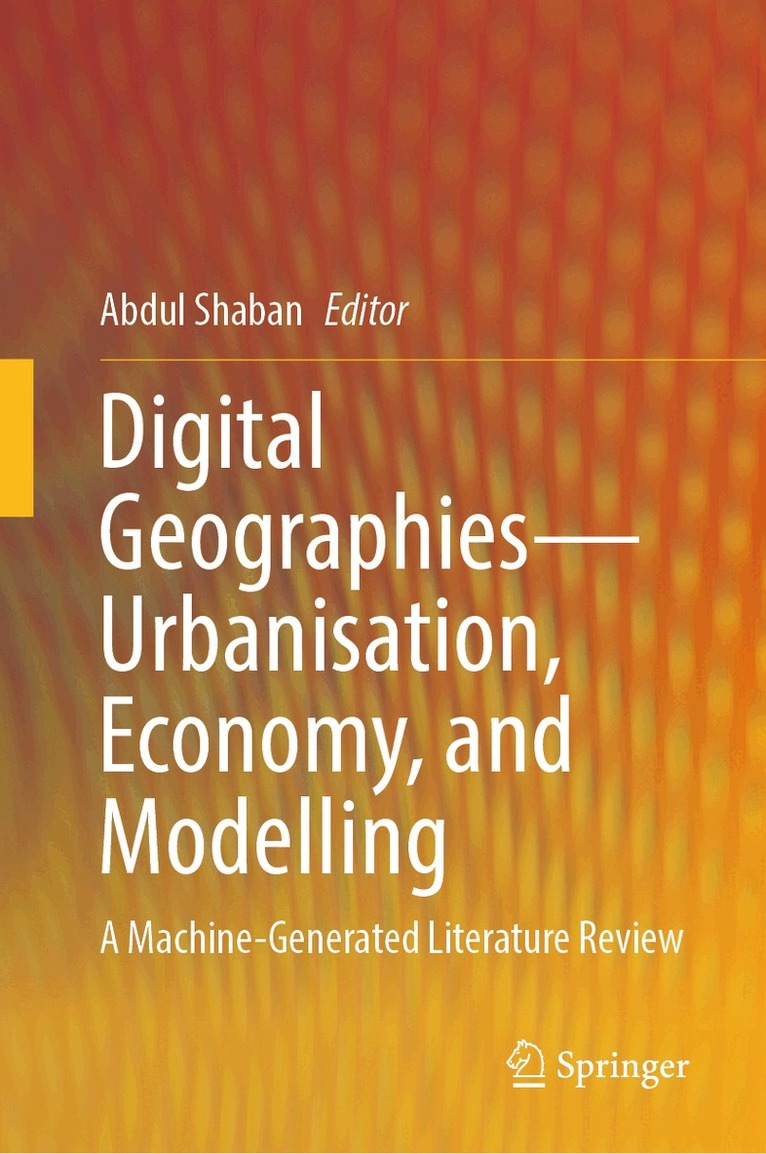
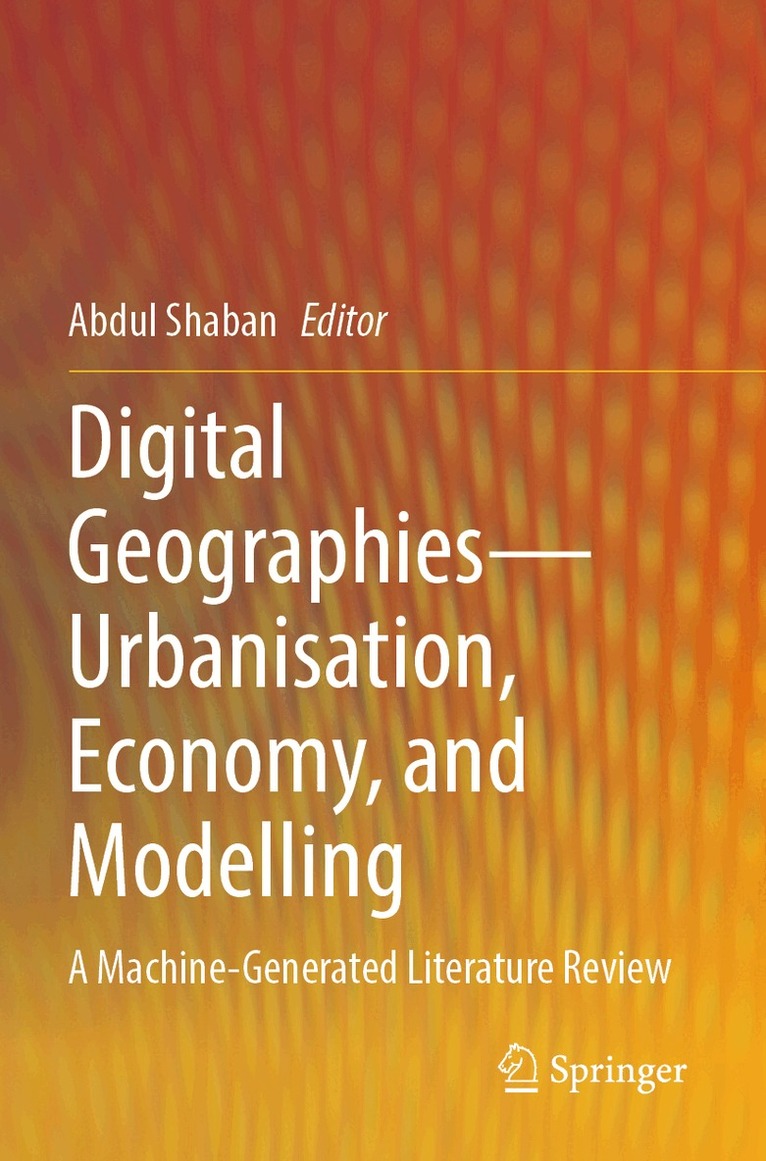
This machine-generated volume, with chapter introductions by the human expert, of summaries of the existing studies furthers our understanding of the impact of digitalisation on spaces, their imaginations and representations. It brings out the digital territorial and socio-economic digital modelling and representation methods. The virtual spaces, created by GIS, photoshopping, games, etc., have become an area of interest for many as they produce spatial imaginaries having social, political and individual consequences. It delves into the literature on digital capitalism and how it is giving birth to a new mode of expansionary capitalism to reap the surplus values and profits from peripheries and drain the same to the core. It shows how digitalisation has enabled enterprises to operate from a virtual space with strong spatial networks. Mega digital enterprises together control a trillion-dollar economy having massive consequences for digital labour, welfare of consumers, and development geographies.This book explores some critical questions while generating summaries of existing literature: How do imaginaries, models or virtual realities help us comprehend spatialities? How does capitalism relate to digitalism, and with what consequences? How do the cities and mobilities relate to digitalisation? What are the possibilities of re-configuring the man-environmental relations with digital technologies in view of rising pollution and impending climate change?Teachers, researchers, and students engaged in this new area of digital geography, especially in social science and its subfields of sociology, economics, political sciences, anthropology, psychology, development studies, policy studies, social work, urban studies, and planning, will find the volume very useful. For a full picture, the book can be read in combination with its companion volume on ‘Digital Geographies – Theory, Space and Communities’.
Häftad, Engelska, 2025
2 481 kr
Skickas inom 10-15 vardagar
This machine-generated volume, with chapter introductions by the human expert, of summaries of the existing studies furthers our understanding of the impact of digitalisation on spaces, their imaginations and representations. It brings out the digital territorial and socio-economic digital modelling and representation methods. The virtual spaces, created by GIS, photoshopping, games, etc., have become an area of interest for many as they produce spatial imaginaries having social, political and individual consequences. It delves into the literature on digital capitalism and how it is giving birth to a new mode of expansionary capitalism to reap the surplus values and profits from peripheries and drain the same to the core. It shows how digitalisation has enabled enterprises to operate from a virtual space with strong spatial networks. Mega digital enterprises together control a trillion-dollar economy having massive consequences for digital labour, welfare of consumers, and development geographies.This book explores some critical questions while generating summaries of existing literature: How do imaginaries, models or virtual realities help us comprehend spatialities? How does capitalism relate to digitalism, and with what consequences? How do the cities and mobilities relate to digitalisation? What are the possibilities of re-configuring the man-environmental relations with digital technologies in view of rising pollution and impending climate change?Teachers, researchers, and students engaged in this new area of digital geography, especially in social science and its subfields of sociology, economics, political sciences, anthropology, psychology, development studies, policy studies, social work, urban studies, and planning, will find the volume very useful. For a full picture, the book can be read in combination with its companion volume on ‘Digital Geographies – Theory, Space and Communities’.
Inbunden, Engelska, 2012
1 591 kr
Tillfälligt slut
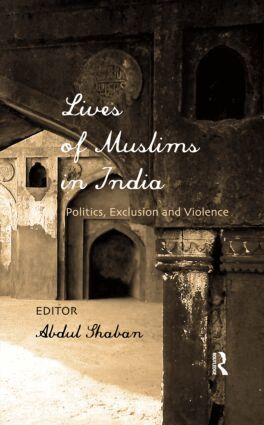
The fast consolidating identities along religious and ethnic lines in recent years have considerably ‘minoritised’ Muslims in India. The wide-ranging essays in this volume focus on the intensified exclusionary practices against Indian Muslims, highlighting how, amidst a politics of violence, confusing policy frameworks on caste and class lines, and institutionalised riot systems, the community has also suffered from the lack of leadership from within. At the same time, they have emerged as a ‘mass’ around which the politics of ‘vote bank’, ‘appeasement’, ‘foreigners’, ‘Pakistanis within the country’, etc. are innovated and played upon, making them further apprehensive about asserting their legitimate right to development. The important issue of the double marginalisation of Muslim women and attempts to reform the Muslim Personal Law by some civil society groups is also discussed. Contributed by academics, activists and journalists, the articles thus discuss issues of integration, exclusion and violence, and attempt to understand categories like ‘identity’, ‘minority’, ‘multiculturalism’, and ‘nationalism’ with regard to and in the context of Indian Muslims. The volume will be of great interest to those in sociology, politics, history, cultural studies, minority studies, Islamic studies, policy studies, geography, etc.
Häftad, Engelska, 2016
547 kr
Tillfälligt slut
The fast consolidating identities along religious and ethnic lines in recent years have considerably ‘minoritised’ Muslims in India. The wide-ranging essays in this volume focus on the intensified exclusionary practices against Indian Muslims, highlighting how, amidst a politics of violence, confusing policy frameworks on caste and class lines, and institutionalised riot systems, the community has also suffered from the lack of leadership from within. At the same time, they have emerged as a ‘mass’ around which the politics of ‘vote bank’, ‘appeasement’, ‘foreigners’, ‘Pakistanis within the country’, etc. are innovated and played upon, making them further apprehensive about asserting their legitimate right to development. The important issue of the double marginalisation of Muslim women and attempts to reform the Muslim Personal Law by some civil society groups is also discussed. Contributed by academics, activists and journalists, the articles thus discuss issues of integration, exclusion and violence, and attempt to understand categories like ‘identity’, ‘minority’, ‘multiculturalism’, and ‘nationalism’ with regard to and in the context of Indian Muslims. The volume will be of great interest to those in sociology, politics, history, cultural studies, minority studies, Islamic studies, policy studies, geography, etc.