Christian Handke - Böcker
Visar alla böcker från författaren Christian Handke. Handla med fri frakt och snabb leverans.
5 produkter
5 produkter
1 895 kr
Skickas inom 10-15 vardagar
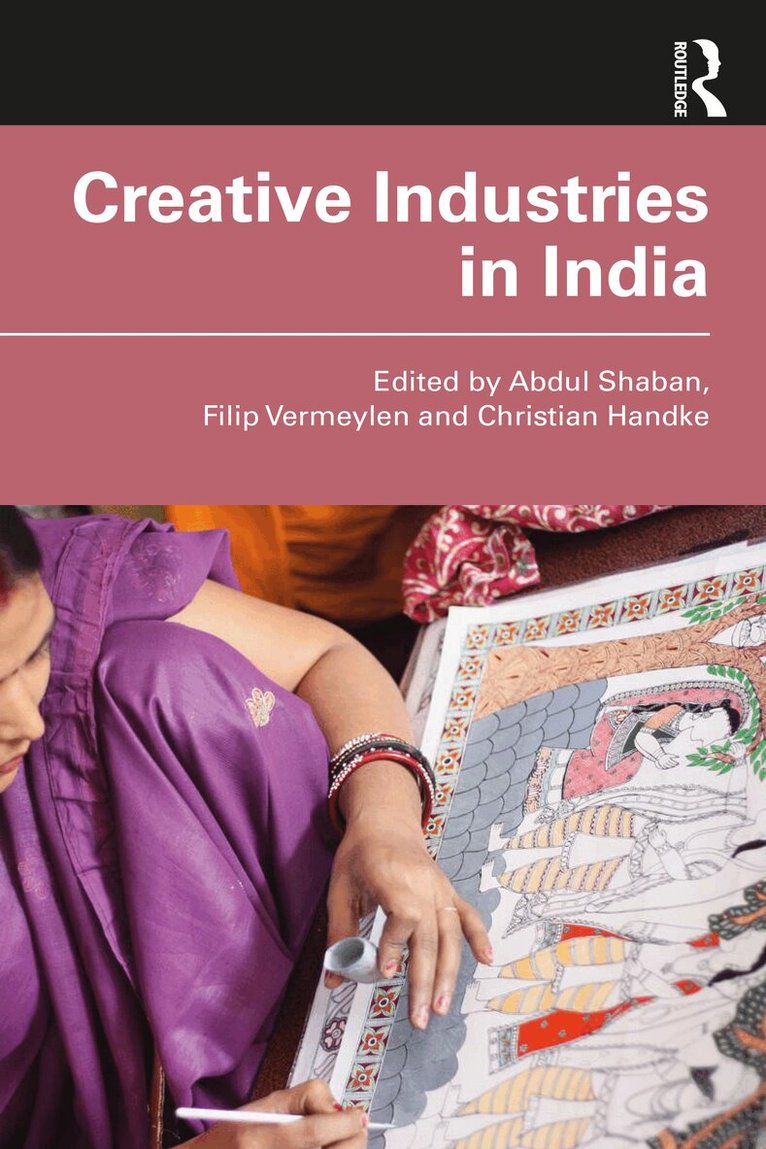
As digitalization meets local traditions, there is great potential for creative industries (CI) to promote economic and social development in middle- and low-income countries. This book explores the economic and cultural relevance of these industries in India.The book identifies key topics regarding cultural and creative industries in India, which has a rich cultural heritage and a young demographic and is undergoing swift socio-economic change. It contains the most sophisticated and comprehensive mappings of CI in India to date. It also features numerous case studies, which illuminate the growth of CI in India, its intersections with caste and gender, the central role of handloom, handicraft, and other local practices within communities, as well as the specific challenges in safeguarding and harnessing various creative industry assets to promote sustainable development and social change.Rich with empirical data, this book will be an essential read for scholars and researchers of cultural studies, economics, history, social work, development studies, media studies, and South Asian studies.
579 kr
Skickas inom 10-15 vardagar
As digitalization meets local traditions, there is great potential for creative industries (CI) to promote economic and social development in middle- and low-income countries. This book explores the economic and cultural relevance of these industries in India.The book identifies key topics regarding cultural and creative industries in India, which has a rich cultural heritage and a young demographic and is undergoing swift socio-economic change. It contains the most sophisticated and comprehensive mappings of CI in India to date. It also features numerous case studies, which illuminate the growth of CI in India, its intersections with caste and gender, the central role of handloom, handicraft, and other local practices within communities, as well as the specific challenges in safeguarding and harnessing various creative industry assets to promote sustainable development and social change.Rich with empirical data, this book will be an essential read for scholars and researchers of cultural studies, economics, history, social work, development studies, media studies, and South Asian studies.
2 985 kr
Skickas inom 7-10 vardagar
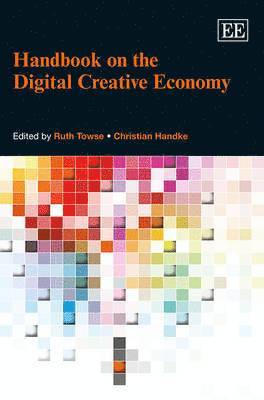
Digital technologies have transformed the way many creative works are generated, disseminated and used. They have made cultural products more accessible, challenged established business models and the copyright system, and blurred the boundary between producers and consumers. This unique resource presents an up-to-date overview of academic research on the impact of digitization in the creative sector of the economy.In 37 chapters, this coherent volume brings together contributions by experts on many aspects of digitization in the creative industries. With its interdisciplinary approach and detailed studies of digitization in the arts, media and cultural industries, the Handbook provides accessible material for a range of courses. It will be thought-provoking reading for academics, researchers, students and policy-makers interested in progress in the creative economy.Contributors include: P. Arora, K. Atladottír, P. Bakker, J. Banks, W.J. Baumol, C. Bekar, A. Bruns, S. Cunningham, P. Di Cola, G. Doyle, K. van Eijck, J. Farchy, M. Favale, T. Flew, M. Gansemer, P. Goodridge, C. Handke, E. Haswell, A. Henten, R.M. Hilty, F. Homberg, R. Inglehart, A. Johansson, A. Katz, H. van Kranenburg, M. Kretschmer, M. Latzer, S.J. Liebowitz, M. Majorana, D. Mendis, F. Müller-Langer, T. Navarrete, S. Nérisson, P. Norris, J. Petrou, J. Poort, J. Potts, A. Pratt, M. Scheufen, N. Searle, D. Secchi, P. Stepan, A. Swift, R. Tadayoni, R. Towse, P. Tschmuck, F. Vermeylen, P. Waelbroek, R. Watt, G. White, P. Wikstrom, G. Withers, R. van der Wurff, G.W. Ziggers
608 kr
Skickas inom 7-10 vardagar
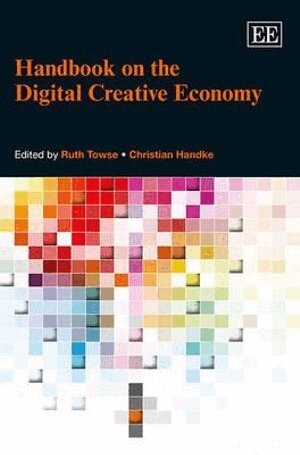
Digital technologies have transformed the way many creative works are generated, disseminated and used. They have made cultural products more accessible, challenged established business models and the copyright system, and blurred the boundary between producers and consumers. This unique resource presents an up-to-date overview of academic research on the impact of digitization in the creative sector of the economy.In 37 chapters, this coherent volume brings together contributions by experts on many aspects of digitization in the creative industries. With its interdisciplinary approach and detailed studies of digitization in the arts, media and cultural industries, the Handbook provides accessible material for a range of courses. It will be thought-provoking reading for academics, researchers, students and policy-makers interested in progress in the creative economy.Contributors include: P. Arora, K. Atladottír, P. Bakker, J. Banks, W.J. Baumol, C. Bekar, A. Bruns, S. Cunningham, P. Di Cola, G. Doyle, K. van Eijck, J. Farchy, M. Favale, T. Flew, M. Gansemer, P. Goodridge, C. Handke, E. Haswell, A. Henten, R.M. Hilty, F. Homberg, R. Inglehart, A. Johansson, A. Katz, H. van Kranenburg, M. Kretschmer, M. Latzer, S.J. Liebowitz, M. Majorana, D. Mendis, F. Müller-Langer, T. Navarrete, S. Nérisson, P. Norris, J. Petrou, J. Poort, J. Potts, A. Pratt, M. Scheufen, N. Searle, D. Secchi, P. Stepan, A. Swift, R. Tadayoni, R. Towse, P. Tschmuck, F. Vermeylen, P. Waelbroek, R. Watt, G. White, P. Wikstrom, G. Withers, R. van der Wurff, G.W. Ziggers
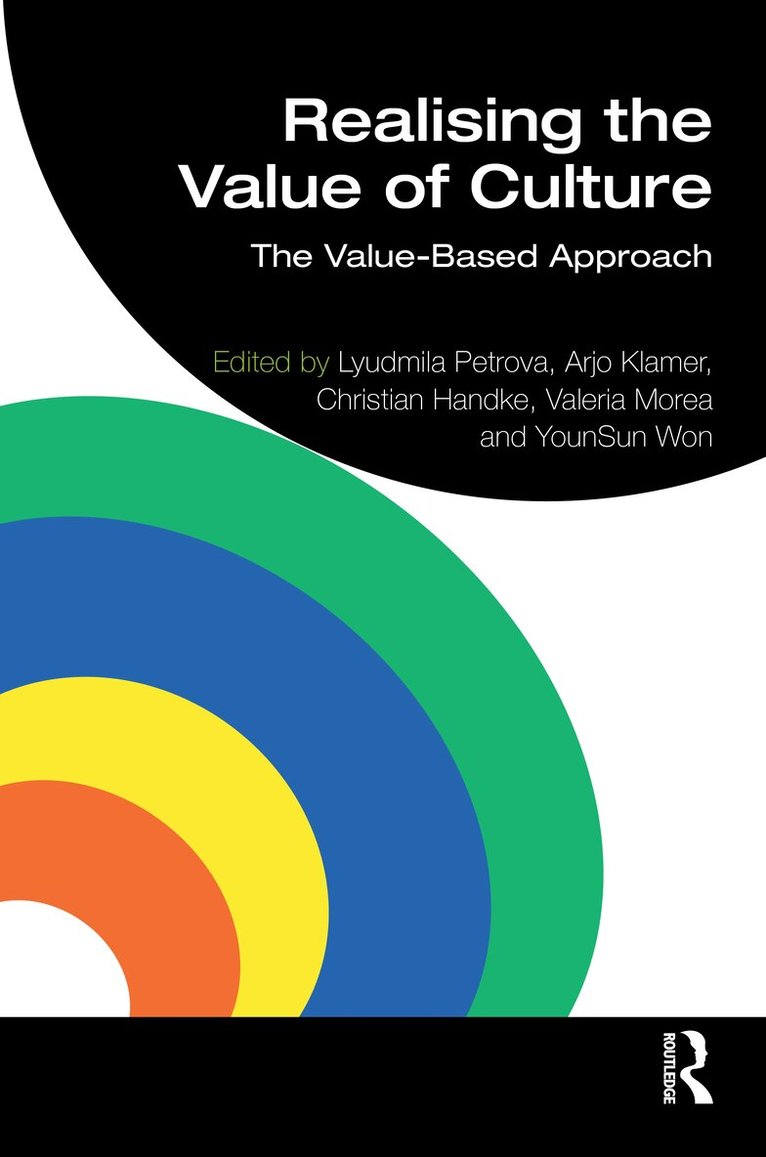
2 258 kr
Kommande
Realising the Value of Culture brings together international scholars to explore how values shape economies, organizations, and societies. It provides conceptual framing and tools for those seeking to align their practices with economic, cultural, and societal values.The chapters in this collection bridge cultural economics, sociology, cultural studies, and urban studies to present an alternative to standard economic perspectives centred on price, profit, and efficiency. Foregrounding qualities – thequality of work, environment, and community – this book offers new methods to evaluate and realise cultural and social values. Its theoretical and methodological contributions include the conceptualisation of value realisation, the commons as shared practices, and the evaluation of impact through qualitative dimensions. Drawing on examples from the arts, crafts, cultural heritage, education, management, and urban development, it demonstrates how the value-based approach can inform circular, creative, and sharing economies.Aimed at undergraduates, postgraduates, scholars, and practitioners – such as cultural managers, creatives, urban planners, policy-makers, and organizational leaders – this book offers an insightful framework for understanding the dynamic interrelations between individuals, institutions, and the communities they serve. The book functions as both a practical manual and an inspiration for continued research and application.