Amots Dafni - Böcker
Visar alla böcker från författaren Amots Dafni. Handla med fri frakt och snabb leverans.
2 produkter
2 produkter
2 426 kr
Skickas inom 10-15 vardagar
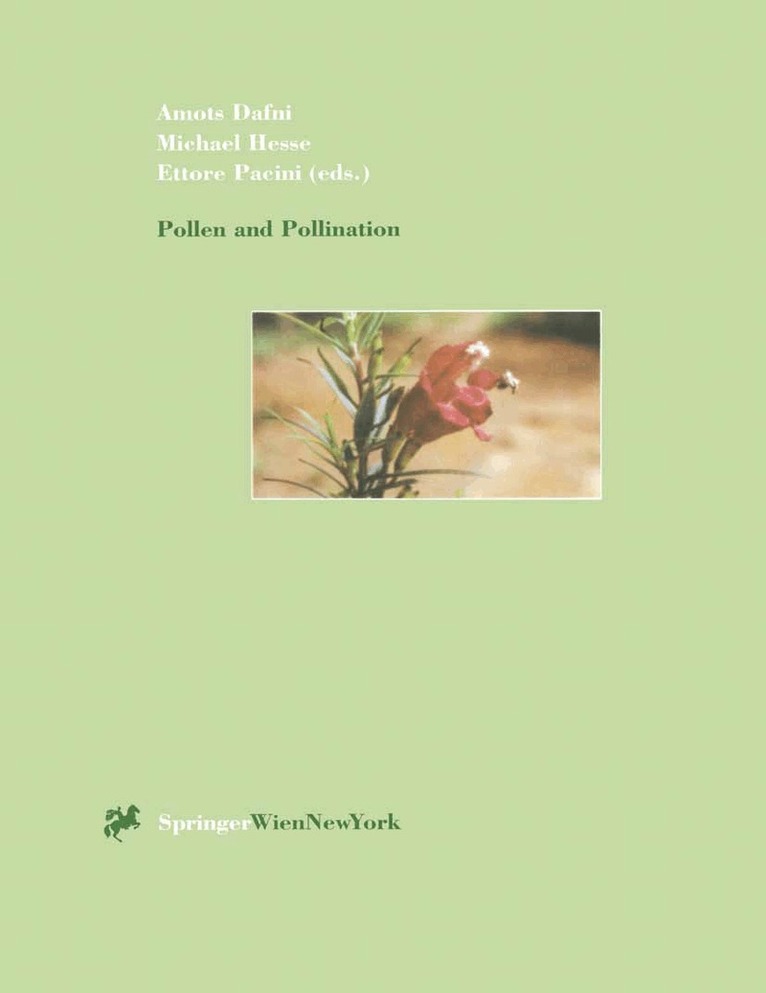
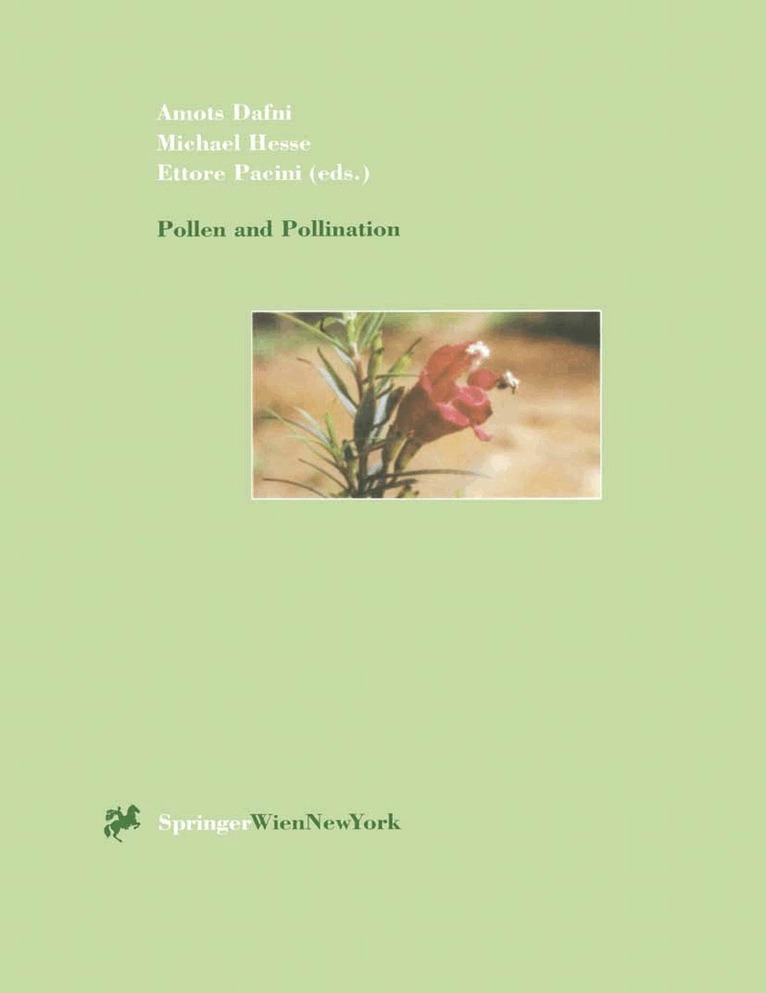
The identification of pollen is widely used in the reconstruction of vegetation, the climate of the past, and plant biodiversity. Studies concerning pollen structure, size, and form are key issues in basic sciences as plant taxonomy and evolution. But they also play an important role in applied fields as plant breeding. In pollination studies pollen is generally used to identify food sources of visitors and to reconstruct their foraging routes. The 16 papers in this volume consider the functional ecology of pollen in relation to its structure and constituents as a framework towards a better understanding of evolutionary processes that mold pollination biology. They can be roughly classified into three main topics: pollen structure and constituents, pollen evolutionary ecology, and the pollen-pollinator interface. Floral reward, such as pollen and nectar, are only one aspect of the multidimensional pollination caleidoscope. Other aspects include the various mechanisms in distributing or collecting pollen, the question of pollen longevity, or the convergence of evolution in angiosperm pollination.
2 426 kr
Skickas inom 10-15 vardagar
Pollen studies make important contributions nature, into three main themes: pollen struc to our knowledge in many interdisciplinary ture and constituents, pollen evolutionary arenas. Pollen identification is widely used in ecology and the pollen-pollinator interface. reconstruction of, e.g., vegetation, the climate Several papers overlap somewhat or are of the past, and plant biodiversity. Studies perhaps even somewhat contradictory and concerning pollen structure, size and form are reflect the author's own ideas and experience. key issues in basic sciences, as, e.g., plant Some could be understood more deeply by taxonomy and evolution, but are also of consulting other closely related articles. The importance in applied fields as, e.g., plant reader is strongly referred to the respective breeding. In pollination studies pollen is literature list of each article. generally used specifically to identify food ofanther ripening and pollen The last steps development (Pacini) and the mature pollen sources of visitors and to reconstruct their foraging routes. Fewer have been devoted to wall structure (Hesse) are key factors to pollen collection mechanisms and to the struc understand pollen dispersal mechanisms in ture and content of pollen in relation to its biotic pollination (Stroo) as well as abiotic pollination (Ackerman). Pollen size, shape, function.