Ana Arjona – författare
Visar alla böcker från författaren . Handla med fri frakt och snabb leverans.
5 produkter
5 produkter
Inbunden, Engelska, 2015
1 338 kr
Skickas inom 7-10 vardagar
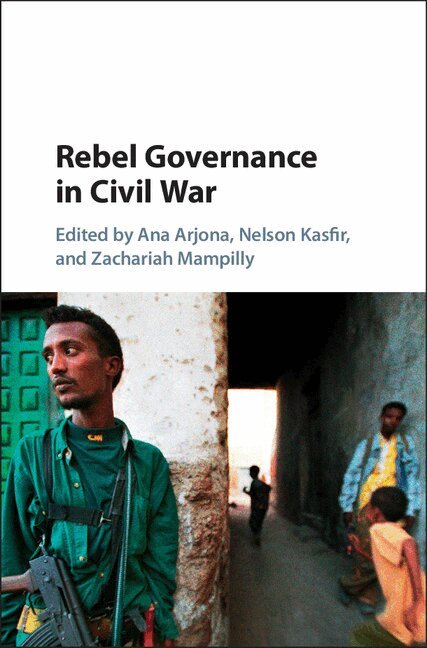
This is the first book to examine and compare how rebels govern civilians during civil wars in Latin America, Africa, Asia, and Europe. Drawing from a variety of disciplinary traditions, including political science, sociology, and anthropology, the book provides in-depth case studies of specific conflicts as well as comparative studies of multiple conflicts. Among other themes, the book examines why and how some rebels establish both structures and practices of rule, the role of ideology, cultural, and material factors affecting rebel governance strategies, the impact of governance on the rebel/civilian relationship, civilian responses to rebel rule, the comparison between modes of state and non-state governance to rebel attempts to establish political order, the political economy of rebel governance, and the decline and demise of rebel governance attempts.
Inbunden, Engelska, 2016
1 683 kr
Skickas inom 7-10 vardagar
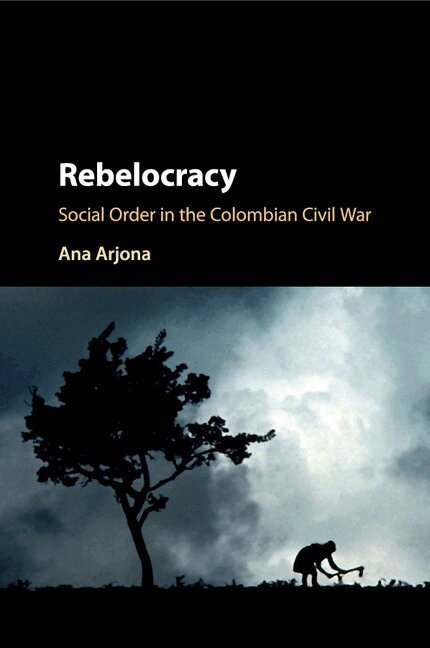
Conventional wisdom portrays war zones as chaotic and anarchic. In reality, however, they are often orderly. This work introduces a new phenomenon in the study of civil war: wartime social order. It investigates theoretically and empirically the emergence and functioning of social order in conflict zones. By theorizing the interaction between combatants and civilians and how they impact wartime institutions, the study delves into rebel behavior, civilian agency and their impact on the conduct of war. Based on years of fieldwork in Colombia, the theory is tested with qualitative and quantitative evidence on communities, armed groups, and individuals in conflict zones. The study shows how armed groups strive to rule civilians, and how the latter influence the terms of that rule. The theory and empirical results illuminate our understanding of civil war, institutions, local governance, non-violent resistance, and the emergence of political order.
Häftad, Engelska, 2017
464 kr
Skickas inom 7-10 vardagar
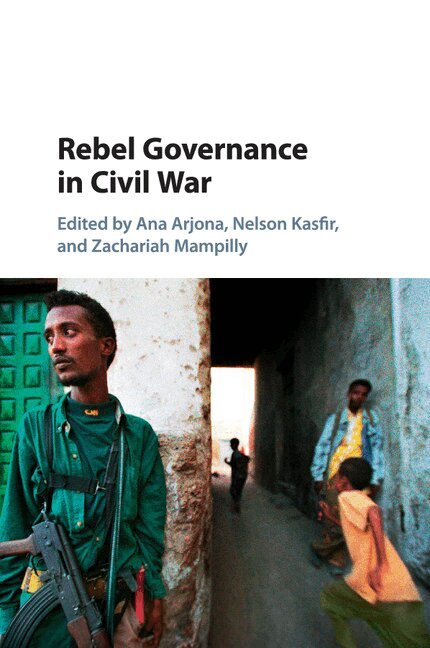
This is the first book to examine and compare how rebels govern civilians during civil wars in Latin America, Africa, Asia, and Europe. Drawing from a variety of disciplinary traditions, including political science, sociology, and anthropology, the book provides in-depth case studies of specific conflicts as well as comparative studies of multiple conflicts. Among other themes, the book examines why and how some rebels establish both structures and practices of rule, the role of ideology, cultural, and material factors affecting rebel governance strategies, the impact of governance on the rebel/civilian relationship, civilian responses to rebel rule, the comparison between modes of state and non-state governance to rebel attempts to establish political order, the political economy of rebel governance, and the decline and demise of rebel governance attempts.
Häftad, Engelska, 2017
561 kr
Skickas inom 7-10 vardagar
Conventional wisdom portrays war zones as chaotic and anarchic. In reality, however, they are often orderly. This work introduces a new phenomenon in the study of civil war: wartime social order. It investigates theoretically and empirically the emergence and functioning of social order in conflict zones. By theorizing the interaction between combatants and civilians and how they impact wartime institutions, the study delves into rebel behavior, civilian agency and their impact on the conduct of war. Based on years of fieldwork in Colombia, the theory is tested with qualitative and quantitative evidence on communities, armed groups, and individuals in conflict zones. The study shows how armed groups strive to rule civilians, and how the latter influence the terms of that rule. The theory and empirical results illuminate our understanding of civil war, institutions, local governance, non-violent resistance, and the emergence of political order.
E-bok
PDF, Spanska, 202662 kr
Läs direkt efter köp
En un contexto en el que la producción de cocaína ha alcanzado máximos históricos y la violencia rural persiste bajo nuevos órdenes armados, Del cultivo al consumo. Debates sobre narcotráfico, violencia y política de drogas en Colombia presenta una hoja de ruta crítica y necesaria frente al agotamiento de la "guerra contra las drogas". A través de una mirada interdisciplinaria que reúne a doce expertos destacados en el tema, esta obra trasciende el diagnóstico tradicional para ofrecer recomendaciones concretas sobre transformación territorial y reducción de la pobreza en regiones cocaleras, disminución de cocaína y violencia, grupos armados vinculados a estas economías, regulación del cannabis, reducción de daños y política exterior sobre drogas ilegales. El texto navega entre las tensiones de corto plazo como la reducción de los cultivos de coca y las posibilidades de imaginarse otras relaciones y modelos para regular estas sustancias, y se propone como una brújula rigurosa para que el Gobierno colombiano diseñe una política de drogas basada en la evidencia, eficaz y, sobre todo, orientada a reducir el daño social y ambiental.