Ana Miljacki – författare
Visar alla böcker från författaren Ana Miljacki. Handla med fri frakt och snabb leverans.
10 produkter
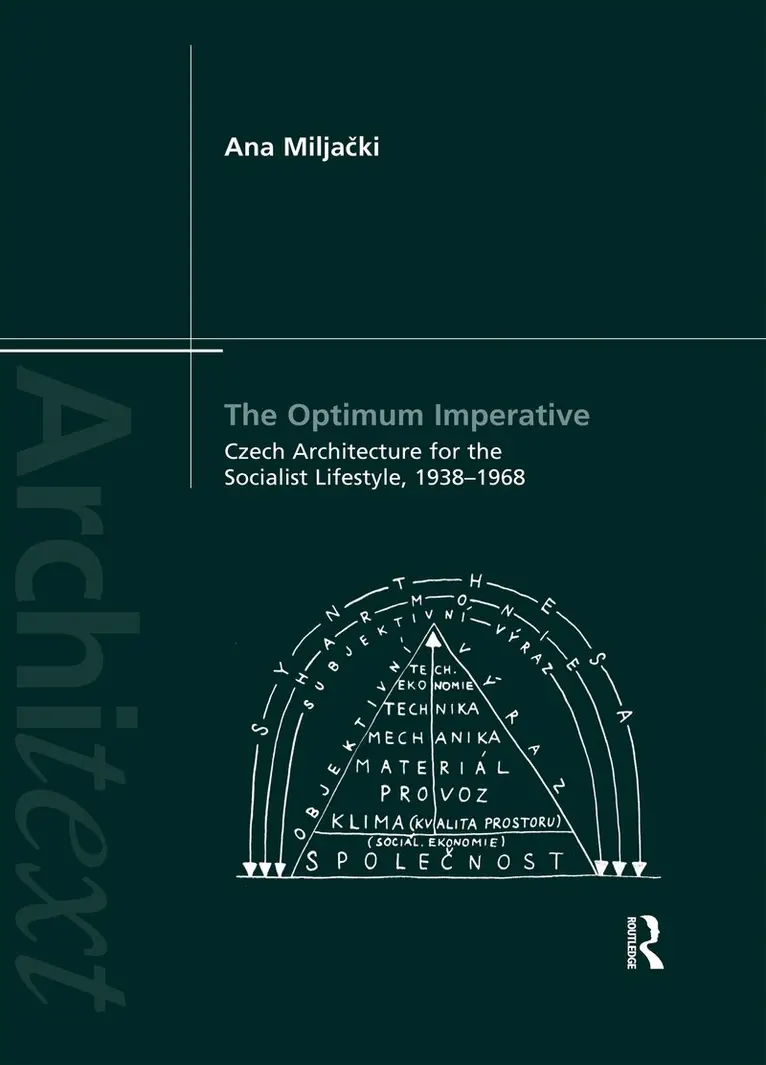
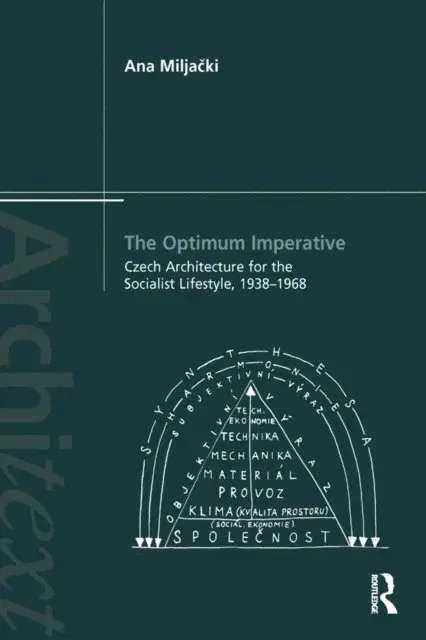
Optimum Imperative: Czech Architecture for the Socialist Lifestyle, 1938–1968
Av Ana Miljacki
Häftad, 2020
741 kr
Lägg i varukorg
The Optimum Imperative examines architecture’s multiple entanglements within the problematics of Socialist lifestyle in postwar Czechoslovakia. Situated in the period loosely bracketed by the signing of the Munich accords in 1938, which affected Czechoslovakia’s entrance into World War II, and the …
Optimum Imperative: Czech Architecture for the Socialist Lifestyle, 1938–1968
Av Ana Miljacki
Inbunden, 2017
2585 kr
Lägg i varukorg
The Optimum Imperative examines architecture’s multiple entanglements within the problematics of Socialist lifestyle in postwar Czechoslovakia. Situated in the period loosely bracketed by the signing of the Munich accords in 1938, which affected Czechoslovakia’s entrance into World War II, and the …
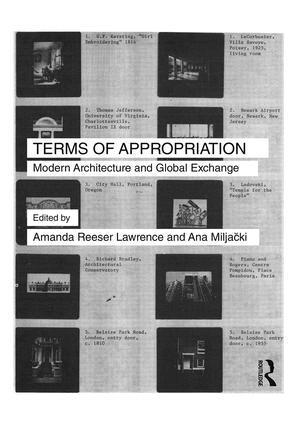
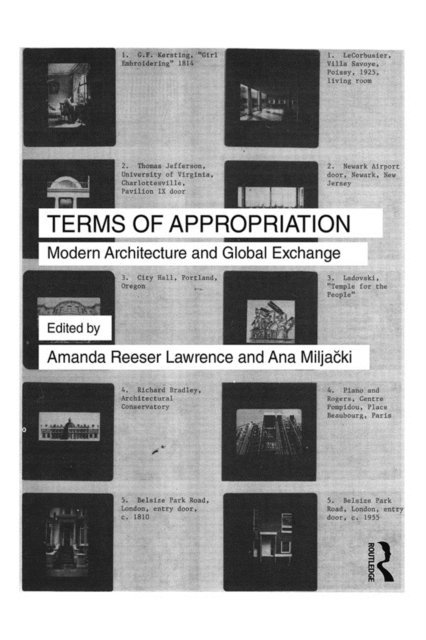
Terms of Appropriation
Modern Architecture and Global Exchange
Av Amanda Reeser Lawrence, Ana Miljački
Inbunden, 2017
2585 kr
Lägg i varukorg
This collection focuses on how architectural material is transformed, revised, swallowed whole, plagiarized, or in any other way appropriated. It charts new territory within this still unexplored yet highly topical area of study by establishing a shared vocabulary with which to discuss, or contest, …
Terms of Appropriation
Modern Architecture and Global Exchange
Av Amanda Reeser Lawrence, Ana Miljački
Häftad, 2017
771 kr
Lägg i varukorg
This collection focuses on how architectural material is transformed, revised, swallowed whole, plagiarized, or in any other way appropriated. It charts new territory within this still unexplored yet highly topical area of study by establishing a shared vocabulary with which to discuss, or contest, …
Optimum Imperative: Czech Architecture for the Socialist Lifestyle, 1938-1968
Av Ana Miljacki
E-bok, 2017
874 kr
Lägg i varukorg
The Optimum Imperative examines architecture’s multiple entanglements within the problematics of Socialist lifestyle in postwar Czechoslovakia. Situated in the period loosely bracketed by the signing of the Munich accords in 1938, which affected Czechoslovakia’s entrance into World War II, and the …
Optimum Imperative: Czech Architecture for the Socialist Lifestyle, 1938-1968
Av Ana Miljacki
E-bok, 2017
874 kr
Lägg i varukorg
The Optimum Imperative examines architecture’s multiple entanglements within the problematics of Socialist lifestyle in postwar Czechoslovakia. Situated in the period loosely bracketed by the signing of the Munich accords in 1938, which affected Czechoslovakia’s entrance into World War II, and the …
Terms of Appropriation
Modern Architecture and Global Exchange
Av Ana Miljacki, Amanda Reeser Lawrence
E-bok, 2017
890 kr
Lägg i varukorg
This collection focuses on how architectural material is transformed, revised, swallowed whole, plagiarized, or in any other way appropriated. It charts new territory within this still unexplored yet highly topical area of study by establishing a shared vocabulary with which to discuss, or contest, …
Terms of Appropriation
Modern Architecture and Global Exchange
Av Ana Miljacki, Amanda Reeser Lawrence
E-bok, 2017
910 kr
Lägg i varukorg
This collection focuses on how architectural material is transformed, revised, swallowed whole, plagiarized, or in any other way appropriated. It charts new territory within this still unexplored yet highly topical area of study by establishing a shared vocabulary with which to discuss, or contest, …
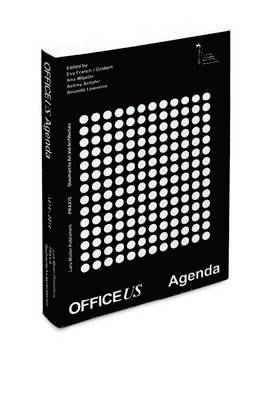
OfficeUS Agenda
Av Ana Miljacki, Ashley Schafer m. fl.
Häftad, 2014
227 kr
Lägg i varukorg
The OfficeUS Agenda, the catalogue for the U.S. Pavilion, serves simultaneously as a guide and counterpoint to the exhibition. Organized into stories of expertise, exchange, and export, the Agenda frames the narratives that have projected the organizational structures and branded identity of U.S. …
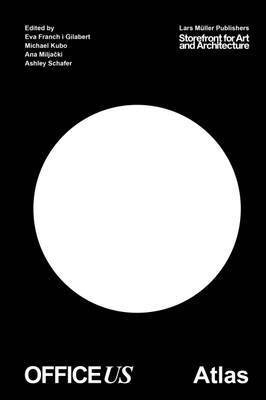
OfficeUS Atlas
Av Eva Franch i Gilabert, Ana Miljacki m. fl.
Häftad, 2015
366 kr
Lägg i varukorg
The OfficeUS Atlas collects the exhibition research in an archive of nearly 1000 architectural projects. Organized according to individual firm histories, the Atlas documents the development of U.S. architectural offices working abroad from 1914 to the present. Offices and their projects are …