Anders Herlitz – författare
Visar alla böcker från författaren . Handla med fri frakt och snabb leverans.
3 produkter
3 produkter
Inbunden, Engelska, 2027
875 kr
Kommande
How should scarce health-related resources be distributed at the population level? How should society prioritize whose health needs should be met? These are questions all health systems must grapple with. In Distributing Health, Anders Herlitz introduces the most common normative approaches to this issue and outlines an original approach that builds on insights from both procedural and substantive approaches.Procedural approaches focus on the process by which distributive decisions are made and put forward conditions that these processes should meet. Herlitz argues that these approaches are attractive because they reflect the idea that those affected by distributive decisions should have influence over them. However, these approaches cannot explain why certain decisions are bad, irrespective of how they have been made. Substantive approaches focus on the features of different alternatives and put forward principles which inform decision-makers of how to rank options. These approaches are attractive because they provide action-guidance. However, any plausible substantive approach must be pluralistic in the sense that several substantive, distributive principles are endorsed. Plausible substantive approaches run into comparability problems because the principles sometimes suggest conflicting rankings.A hybrid approach would rely on elements from both procedural and substantive approaches. Herlitz suggests a hybrid approach that includes three substantive principles: health maximization, lifetime equality, and time-slice sufficiency. These principles will sometimes be fully action-guiding, but sometimes they will fail to be so. To complement the substantive principles when they fail to be action-guiding, a criterion of the second order should be invoked. This criterion should reflect the collective will of the affected people, which is expressed through a decision process that meets a set of procedural conditions.
Inbunden, Engelska, 2021
2 416 kr
Skickas inom 10-15 vardagar
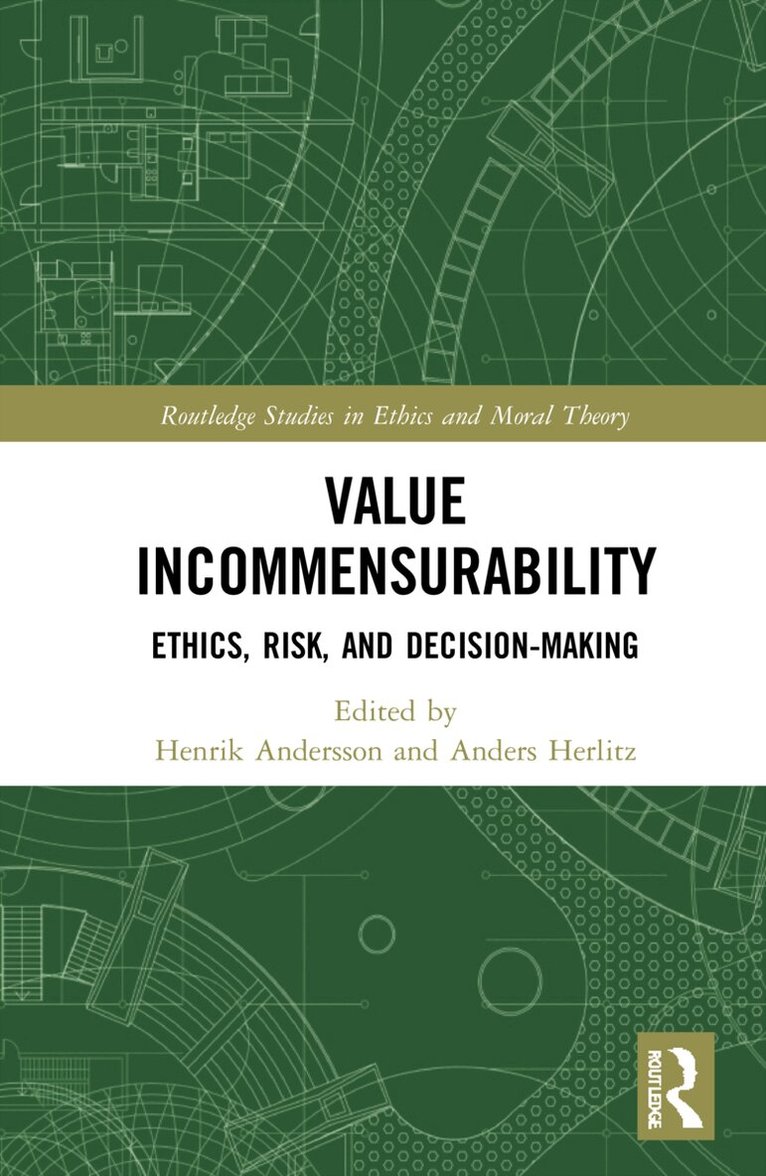
Incommensurability is the impossibility to determine how two options relate to each other in terms of conventional comparative relations. This book features new research on incommensurability from philosophers who have shaped the field into what it is today, including John Broome, Ruth Chang and Wlodek Rabinowicz.The book covers four aspects relating to incommensurability. In the first part, the contributors synthesize research on the competing views of how to best explain incommensurability. Part II illustrates how incommensurability can help us deal with seemingly insurmountable problems in ethical theory and population ethics. The contributors address the Repugnant Conclusion, the Mere Addition Paradox and so-called Spectrum Arguments. The chapters in Part III outline and summarize problems caused by incommensurability for decision theory. Finally, Part IV tackles topics related to risk, uncertainty and incommensurability.Value Incommensurability: Ethics, Risk, and Decision-Making will be of interest to researchers and advanced students working in ethical theory, decision theory, action theory, and philosophy of economics.
Häftad, Engelska, 2023
623 kr
Skickas inom 10-15 vardagar
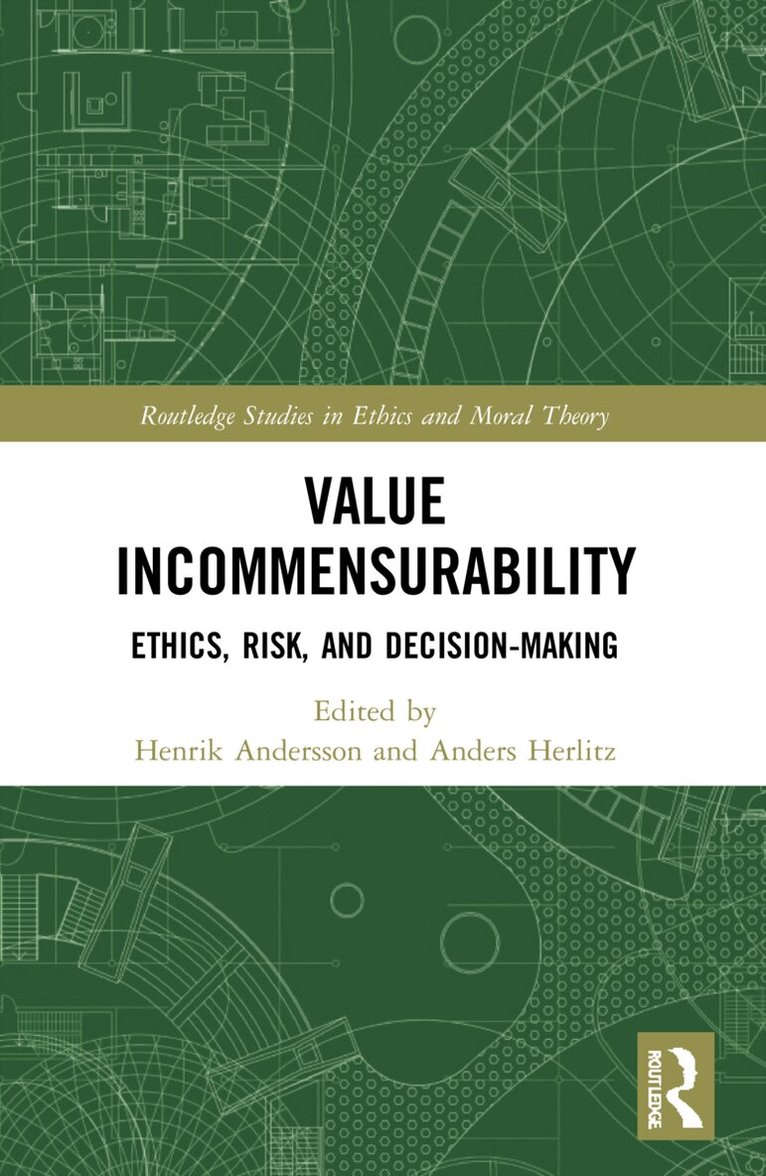
Incommensurability is the impossibility to determine how two options relate to each other in terms of conventional comparative relations. This book features new research on incommensurability from philosophers who have shaped the field into what it is today, including John Broome, Ruth Chang and Wlodek Rabinowicz.The book covers four aspects relating to incommensurability. In the first part, the contributors synthesize research on the competing views of how to best explain incommensurability. Part II illustrates how incommensurability can help us deal with seemingly insurmountable problems in ethical theory and population ethics. The contributors address the Repugnant Conclusion, the Mere Addition Paradox and so-called Spectrum Arguments. The chapters in Part III outline and summarize problems caused by incommensurability for decision theory. Finally, Part IV tackles topics related to risk, uncertainty and incommensurability.Value Incommensurability: Ethics, Risk, and Decision-Making will be of interest to researchers and advanced students working in ethical theory, decision theory, action theory, and philosophy of economics.