Andrea Giordano – författare
691 kr
Skickas inom 10-15 vardagar
2 500 kr
Skickas inom 10-15 vardagar
802 kr
Läs direkt efter köp
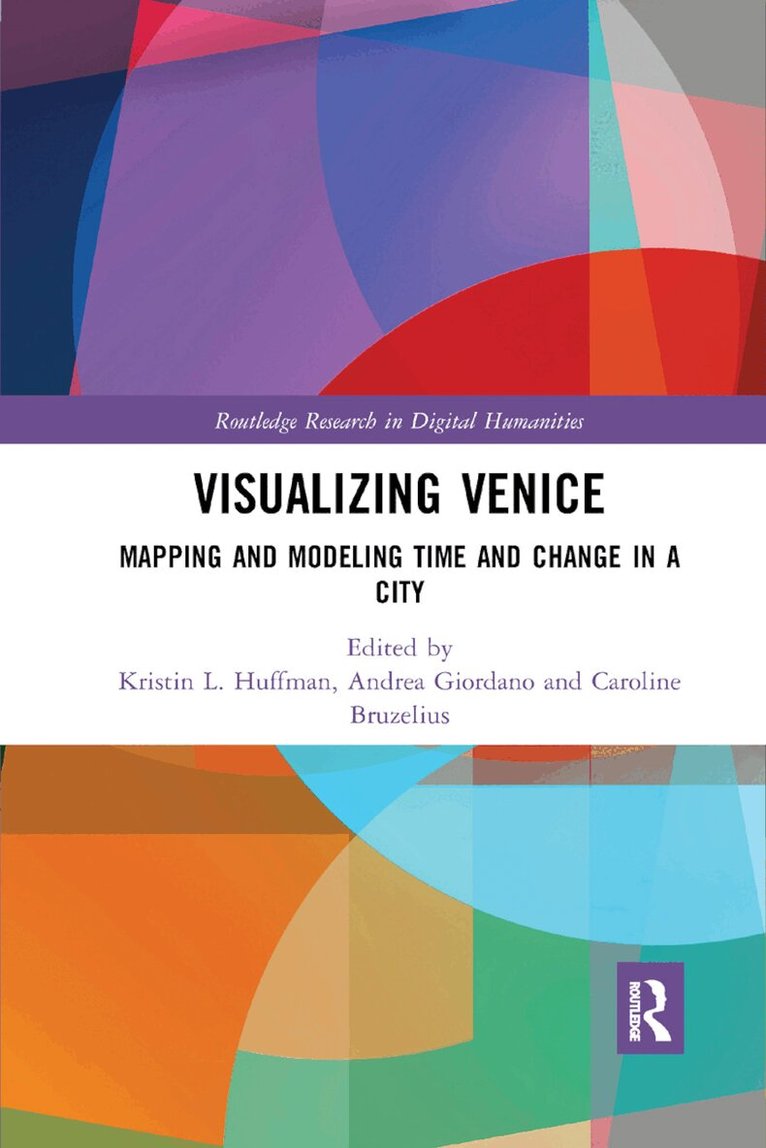
Visualizing Venice presents the ways in which the use of innovative technology can provide new and fascinating stories about places and times within history. Written by those behind the Visualizing Venice project, this book explores the variety of disciplines and analytical methods generated by technologies such as 3D images and interoperable models, GIS mapping and historical cartography, databases, video animations, and applications for mobile devices and the web.
The volume is one of the first collections of essays to integrate the theory and practice of visualization technologies with art, architectural, and urban history. The chapters demonstrate how new methodologies generated by technology can change and inform the way historians think and work, and the potential that such methods have to revolutionize research, teaching, and public-facing communication.
With over 30 images to support and illustrate the project’s work, Visualizing Venice is ideal for academics, and postgraduates of digital history, digital humanities, and early modern Italy.
802 kr
Läs direkt efter köp
Visualizing Venice presents the ways in which the use of innovative technology can provide new and fascinating stories about places and times within history. Written by those behind the Visualizing Venice project, this book explores the variety of disciplines and analytical methods generated by technologies such as 3D images and interoperable models, GIS mapping and historical cartography, databases, video animations, and applications for mobile devices and the web.
The volume is one of the first collections of essays to integrate the theory and practice of visualization technologies with art, architectural, and urban history. The chapters demonstrate how new methodologies generated by technology can change and inform the way historians think and work, and the potential that such methods have to revolutionize research, teaching, and public-facing communication.
With over 30 images to support and illustrate the project’s work, Visualizing Venice is ideal for academics, and postgraduates of digital history, digital humanities, and early modern Italy.
574 kr
Skickas inom 5-8 vardagar
2 371 kr
Skickas inom 10-15 vardagar
3 053 kr
Läs direkt efter köp
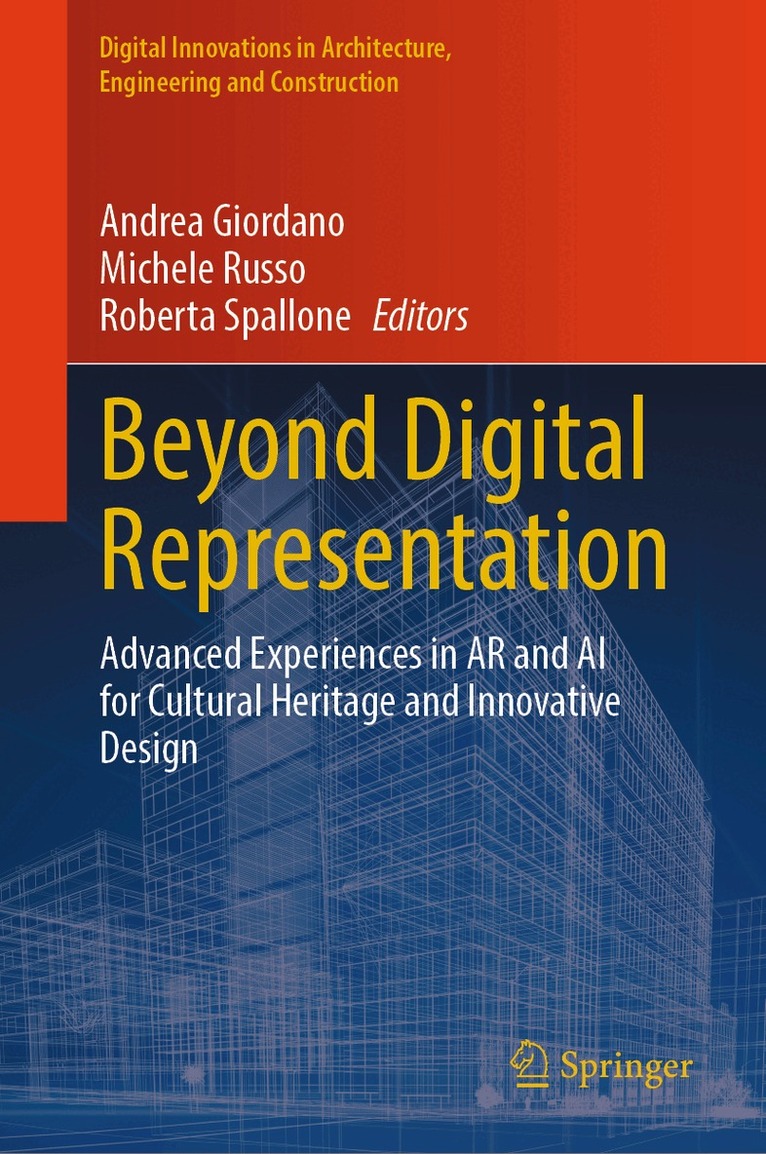
This book collects contributions which showcase the impact of new augmented reality (AR) and artificial intelligence (AI) technologies considered jointly in the fields of cultural heritage and innovative design. AR is an alternative path of analysis and communication if applied to several fields of research, in particular if related to space and artifacts in it. This happens because the neural network development strengthens the relationship between augmented reality and artificial intelligence, creating processes close to human thought in shorter times. In the last years, the AR/AI expansion and the future scenarios have raised a deep trans-disciplinary speculation. The disciplines of representation (drawing, surveying, visual communication), as a convergence place of multidisciplinary theoretical and applicative studies related to architecture, city, environment, tangible and intangible cultural heritage, are called to contribute to the international debate. The book chapters dealwith augmented reality and artificial intelligence, analyzing their connections as research tools for knowing the environment. In particular, the topics focus on the intersection between real and virtual world and on the heuristic role of drawing in the enhancement and management of cultural heritage, in planning and monitoring the architecture, the environment, or the infrastructures. Scientists involved in AR and AI research applied separately or together in the field of cultural heritage, architectural design, urban planning, and infrastructures analysis, as well as members of public and private organizations make up interdisciplinary groups that fuel the discussion focusing on the priorities and aims of the research related to the disciplines of representation.
2 371 kr
Skickas inom 10-15 vardagar
3 016 kr
Skickas inom 10-15 vardagar
3 053 kr
Läs direkt efter köp
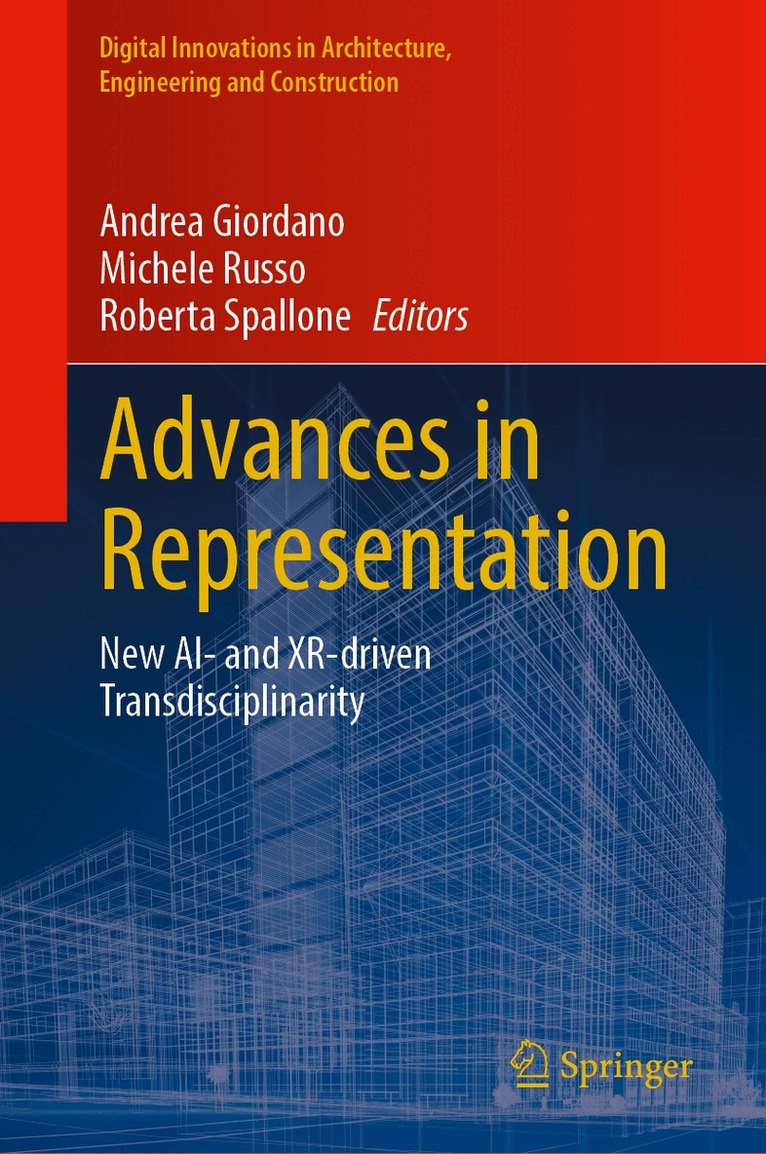
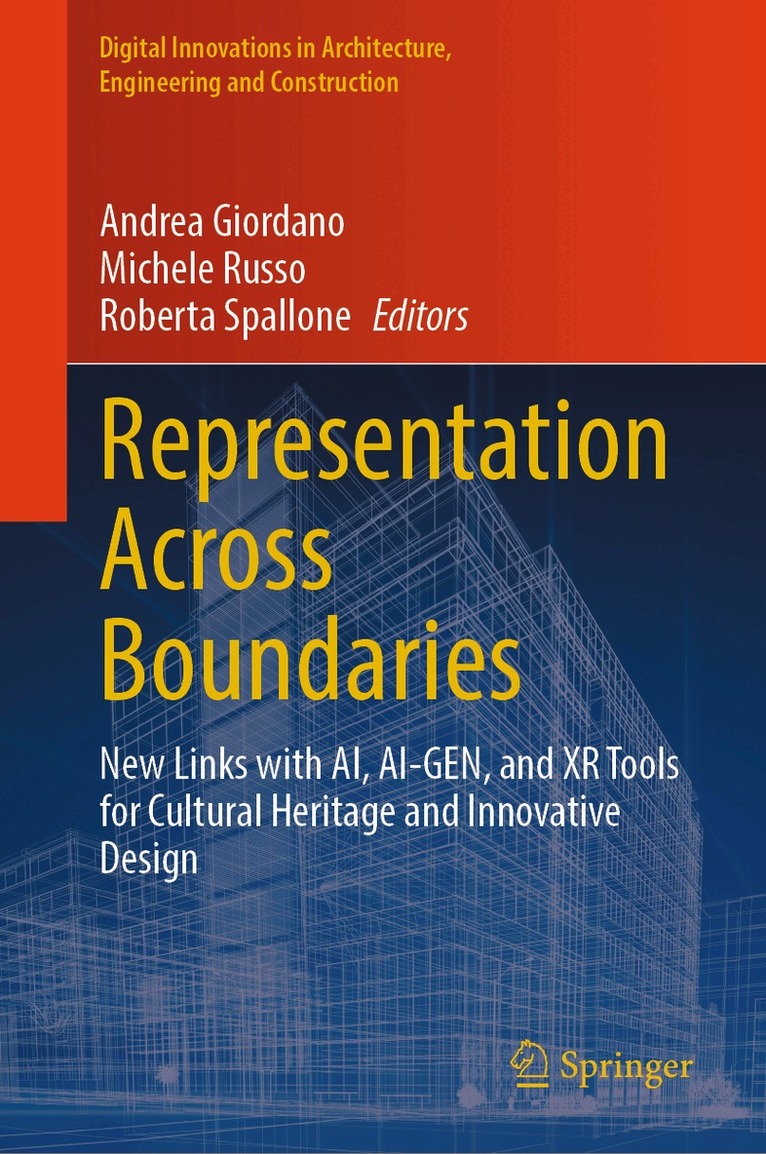
This book presents contributions which discuss the impact of eXtended Reality (XR) and Artificial Intelligence (AI) technologies considered jointly in the fields of Cultural Heritage and Innovative Design. The rapid development of technologies, tools and devices requires a (controlled) expansion of the theoretical content and application areas, as well as careful monitoring of the disciplines that can be involved, starting with the AI-XR pair. XR, an acronym for extended reality, has emerged in recent years as a concept encompassing AR, VR (virtual reality), and MR (mixed reality), offering new ways of interacting with the real. In this sense, the fields of application open to the worlds of tangible and intangible cultural heritage, architectural, environmental, infrastructural and product design, and education, as a place for advanced training and as a tool for educational enhancement.
2 479 kr
Skickas inom 10-15 vardagar
3 046 kr
Läs direkt efter köp