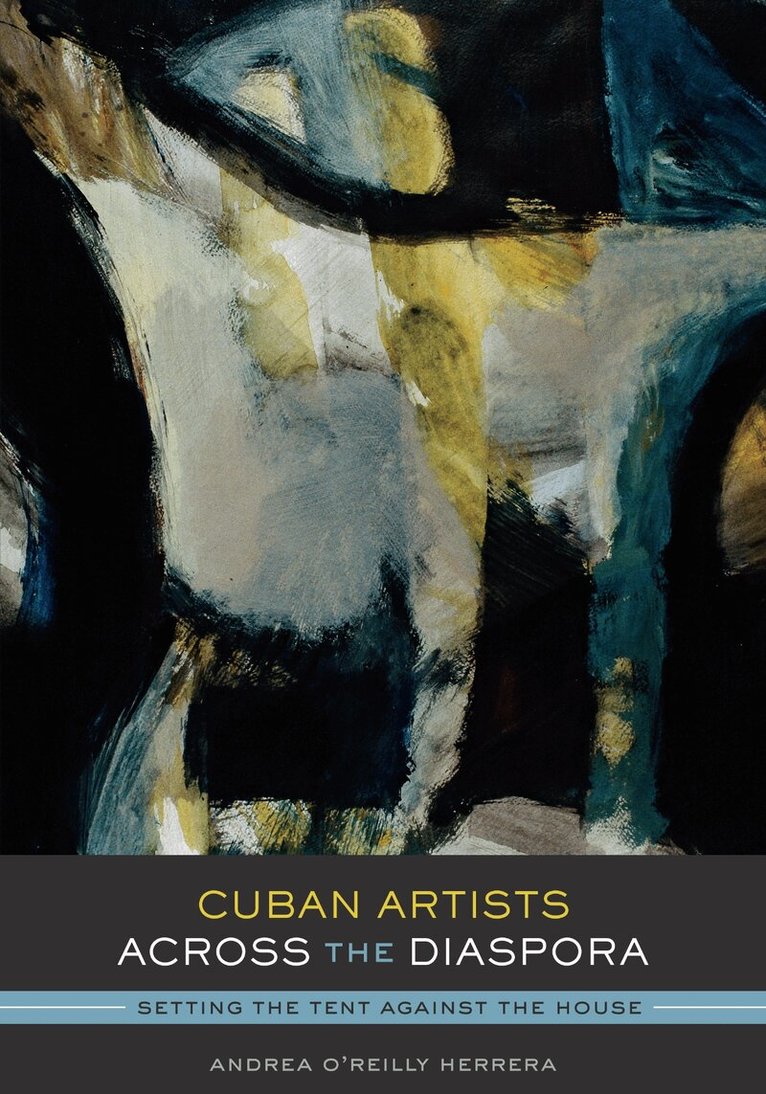
As an island-a geographical space with mutable and porous borders-Cuba has never been a fixed cultural, political, or geographical entity. Migration and exile have always informed the Cuban experience, and loss and displacement have figured as central preoccupations among Cuban artists and intellectuals. A major expression of this experience is the unconventional, multi-generational, itinerant, and ongoing art exhibit CAFÉ: The Journeys of Cuban Artists. In Cuban Artists Across the Diaspora, Andrea O'Reilly Herrera focuses on the CAFÉ project to explore Cuba's long and turbulent history of movement and rupture from the perspective of its visual arts and to meditate upon the manner in which one reconstitutes and reinvents the self in the context of diaspora.Approaching the Cafeteros' art from a cultural studies perspective, O'Reilly Herrera examines how the history of Cuba informs their work and establishes their connections to past generations of Cuban artists. In interviews with more than thirty artists, including JosÉ Bedia, MarÍa Brito, Leandro Soto, Glexis Novoa, Baruj Salinas, and Ana Albertina Delgado, O'Reilly Herrera also raises critical questions regarding the many and sometimes paradoxical ways diasporic subjects self-affiliate or situate themselves in the narratives of scattering and displacement. She demonstrates how the Cafeteros' artmaking involves a process of re-rooting, absorption, translation, and synthesis that simultaneously conserves a series of identifiable Cuban cultural elements while re-inscribing and transforming them in new contexts.An important contribution to both diasporic and transnational studies and discussions of contemporary Cuban art, Cuban Artists Across the Diaspora ultimately testifies to the fact that a long tradition of Cuban art is indeed flourishing outside the island.
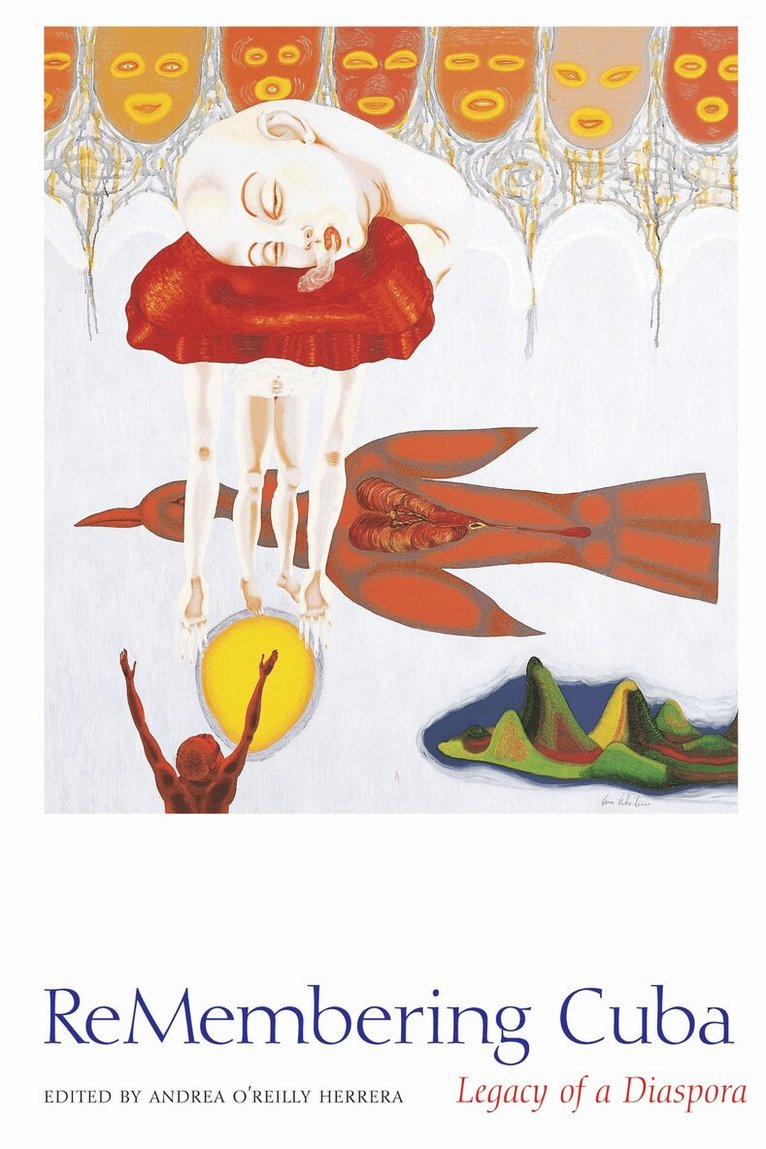
Longing for their lost homeland unites Cuban exiles and their children, many of whom have never seen the Island. Yet as decades pass and the hope of "next year in Cuba" fades, the Cuban American community has had to forge new understandings of where "home" is and what it means to be "Cuban," "American," and/or "Cuban American." The testimonies gathered in this book offer over one hundred perspectives on the Cuban diaspora and on what it means to be Cuban in exile. Through narratives, interviews, creative writings, letters, journal entries, recipes, photographs, and paintings, Cubans from various waves of the migration and their descendants piece together a complex mosaic of the exile experience and diasporic identity. In her introduction, Andrea O'Reilly Herrera describes how she conceived the project and chose the contributors, including both unknown and established artists and writers such as Gustavo PÉrez Firmat, Sylvia Curbelo, Pablo Medina, Lourdes Gil, Ricardo Pau-Llosa, Heberto Padilla, and JosÉ Kozer. The contributors' diverse and sometimes conflicting voices offer a more inclusive and complex understanding of Cuban American identity and the various Cuban "presences" residing throughout the United States. Likewise, they overthrow a perceived "hierarchy of suffering" among Cuban Americans, which purports to dictate who can and cannot speak authentically about exile and loss, as well as what form their expression can take.
Internationally renowned scholars address the Cuban diaspora from multiple perspectives and locations.In Cuba, internationally renowned artists, philosophers, and writers reflect on the idea of a nation displaced. Featuring contributions from Isabel Alvarez Borland, Antonio Benítez-Rojo, María Cristina García, William Navarrete, Eliana Rivero, Rafael Rojas, and Carlos Victoria, as well as many others, Cuba is a rich collection of essays, testimonials, and interviews that reveal the complex, often antagonistic cultural and political debates coexisting within the Cuban exile population. As a multivoiced text, Cuba formulates a deeper understanding of diasporic identity, and broadens the discussion of the manner in which Cuban cultural identity and nationhood have been constructed, negotiated, and transformed by physical and cultural displacement.
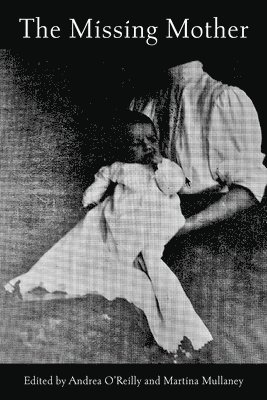
This collection explores the concept of the Missing Mother from two inter-related standpoints: the mother as absent in society and the mother as absent in a woman s selfhood. The first perspective considers why and how the mother/mothering is disregarded, discounted, or dismissed in art, literature, culture, policy, and law while the second perspective explores why and how a woman has marginalized, lost, forgotten, forfeited, or abandoned her individual maternal identity. Whether it is society that erases the maternal or a woman who forsakes it, the aim of this collection is to consider the why, how, what, who, and where of the mechanics of missing mother in both society and self. This collection considers reasons for this disavowal and disappearance of the maternal and shows how mothers can and do resist to recover and reclaim the maternal in society and self. Overall, this collection seeks to uncover and reveal the mother so marginalized and maligned in and by patriarchal culture and to show how women may find the missing mother in society and self and achieve empowerment in doing so.