Andreas Ufen – författare
Visar alla böcker från författaren Andreas Ufen. Handla med fri frakt och snabb leverans.
10 produkter
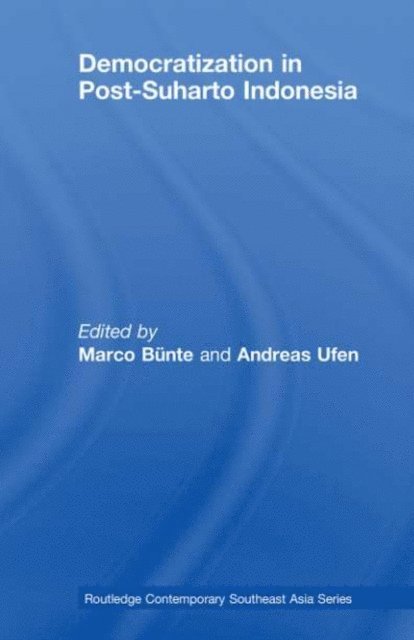
Democratization in Post-Suharto Indonesia
Inbunden, 2008
2512 kr
Lägg i varukorg
In May 1998 the fall of Suharto marked the beginning of a difficult and multi-layered transition process. It was accompanied by intensified conflict in the political arena, a dramatic increase of ethnic and religious violence and the danger of national disintegration. Ten years after the collapse …
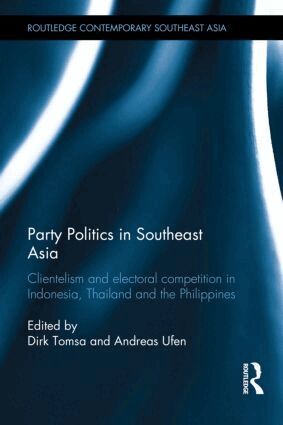
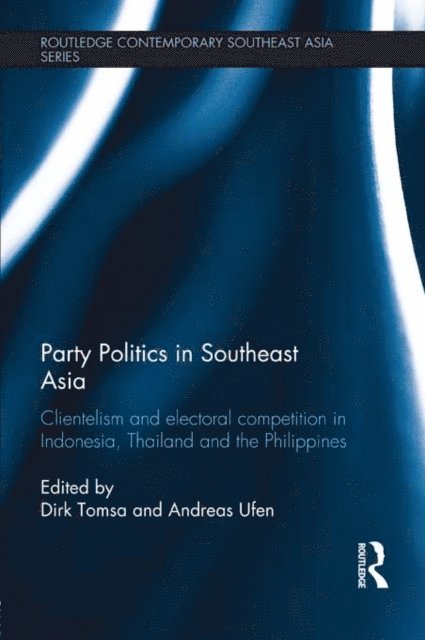
Party Politics in Southeast Asia
Clientelism and Electoral Competition in Indonesia, Thailand and the Philippines
Inbunden, 2012
2512 kr
Lägg i varukorg
Contributing to the growing discourse on political parties in Asia, this book looks at parties in Southeast Asia’s most competitive electoral democracies of Indonesia, Thailand and the Philippines. It highlights the diverse dynamics of party politics in the region and provides new insights into …
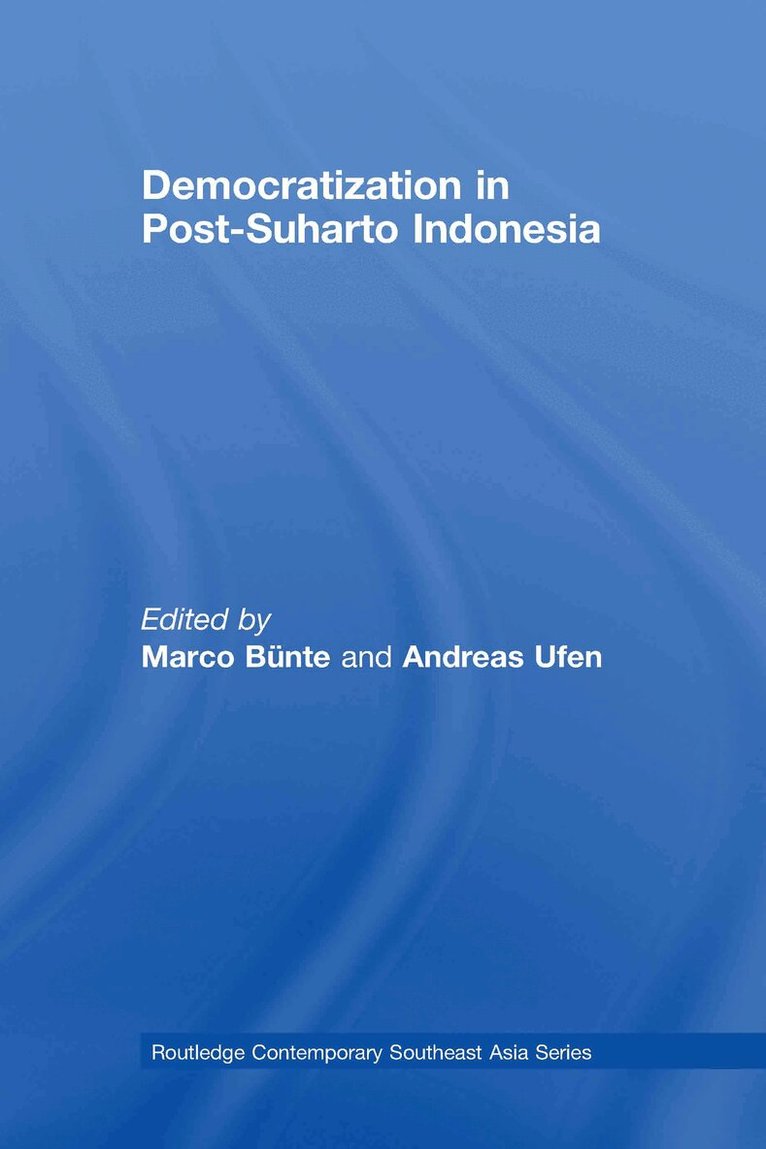
Democratization in Post-Suharto Indonesia
Häftad, 2009
750 kr
Lägg i varukorg
In May 1998 the fall of Suharto marked the beginning of a difficult and multi-layered transition process. It was accompanied by intensified conflict in the political arena, a dramatic increase of ethnic and religious violence and the danger of national disintegration. Ten years after the collapse …
Democratization in Post-Suharto Indonesia
E-bok, 2008
883 kr
Lägg i varukorg
In May 1998 the fall of Suharto marked the beginning of a difficult and multi-layered transition process. It was accompanied by intensified conflict in the political arena, a dramatic increase of ethnic and religious violence and the danger of national disintegration. Ten years after the collapse …
Democratization in Post-Suharto Indonesia
E-bok, 2008
864 kr
Lägg i varukorg
In May 1998 the fall of Suharto marked the beginning of a difficult and multi-layered transition process. It was accompanied by intensified conflict in the political arena, a dramatic increase of ethnic and religious violence and the danger of national disintegration. Ten years after the collapse …
Party Politics in Southeast Asia
Clientelism and Electoral Competition in Indonesia, Thailand and the Philippines
E-bok, 2012
864 kr
Lägg i varukorg
Contributing to the growing discourse on political parties in Asia, this book looks at parties in Southeast Asia’s most competitive electoral democracies of Indonesia, Thailand and the Philippines. It highlights the diverse dynamics of party politics in the region and provides new insights into …
Party Politics in Southeast Asia
Clientelism and Electoral Competition in Indonesia, Thailand and the Philippines
E-bok, 2012
864 kr
Lägg i varukorg
Contributing to the growing discourse on political parties in Asia, this book looks at parties in Southeast Asia’s most competitive electoral democracies of Indonesia, Thailand and the Philippines. It highlights the diverse dynamics of party politics in the region and provides new insights into …
Party Politics in Southeast Asia
Clientelism and Electoral Competition in Indonesia, Thailand and the Philippines
Häftad, 2015
750 kr
Lägg i varukorg
Contributing to the growing discourse on political parties in Asia, this book looks at parties in Southeast Asia’s most competitive electoral democracies of Indonesia, Thailand and the Philippines. It highlights the diverse dynamics of party politics in the region and provides new insights into …
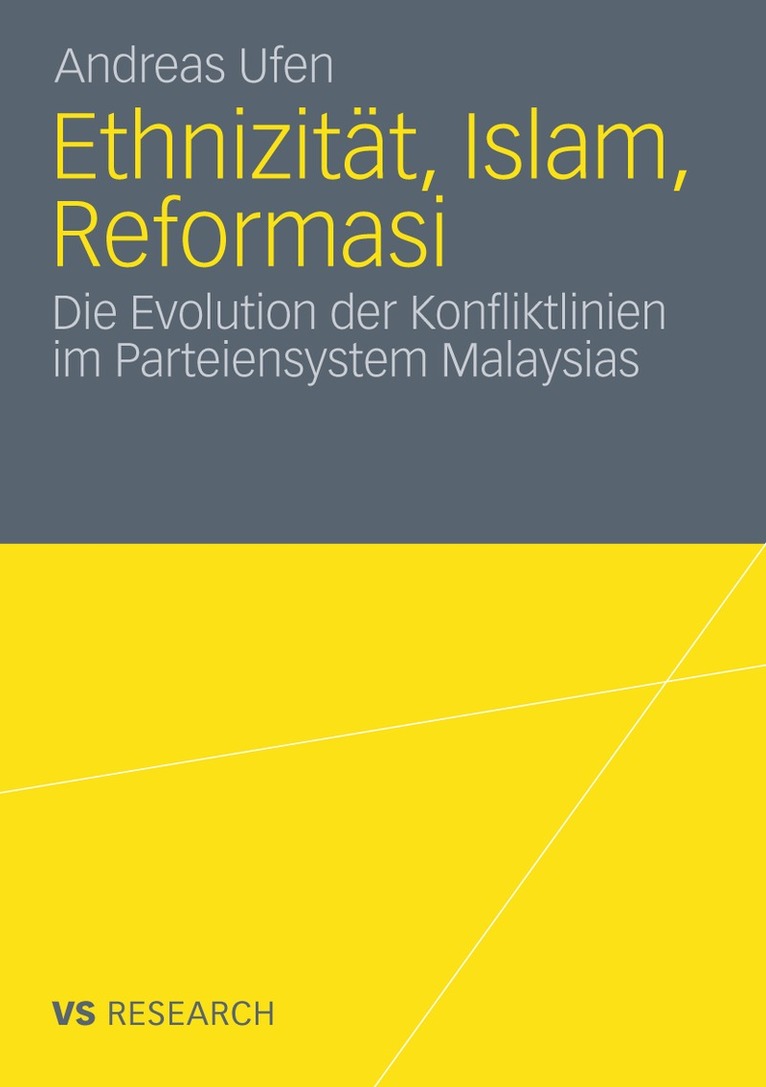
Ethnizität, Islam, Reformasi
Die Evolution der Konfliktlinien im Parteiensystem Malaysias
Av Andreas Ufen
Häftad, 2011
415 kr
Lägg i varukorg
Das malaysische Parteiensystem wurde im Laufe der letzten Jahrzehnte von mehreren Konfliktlinien geprägt. Andreas Ufen zeigt, dass zunächst ein ethnischer Gegensatz vorherrschend war, der sich im Zusammenhang mit dem elektoralen Autoritarismus, also aufgrund der strikten Kontrolle der …
Ethnizität, Islam, Reformasi
Die Evolution der Konfliktlinien im Parteiensystem Malaysias
Av Andreas Ufen
E-bok, 2011
440 kr
Lägg i varukorg
Das malaysische Parteiensystem wurde im Laufe der letzten Jahrzehnte von mehreren Konfliktlinien geprägt. Andreas Ufen zeigt, dass zunächst ein ethnischer Gegensatz vorherrschend war, der sich im Zusammenhang mit dem elektoralen Autoritarismus, also aufgrund der strikten Kontrolle der …