Andrej Grubacic – författare
Visar alla böcker från författaren Andrej Grubacic. Handla med fri frakt och snabb leverans.
7 produkter
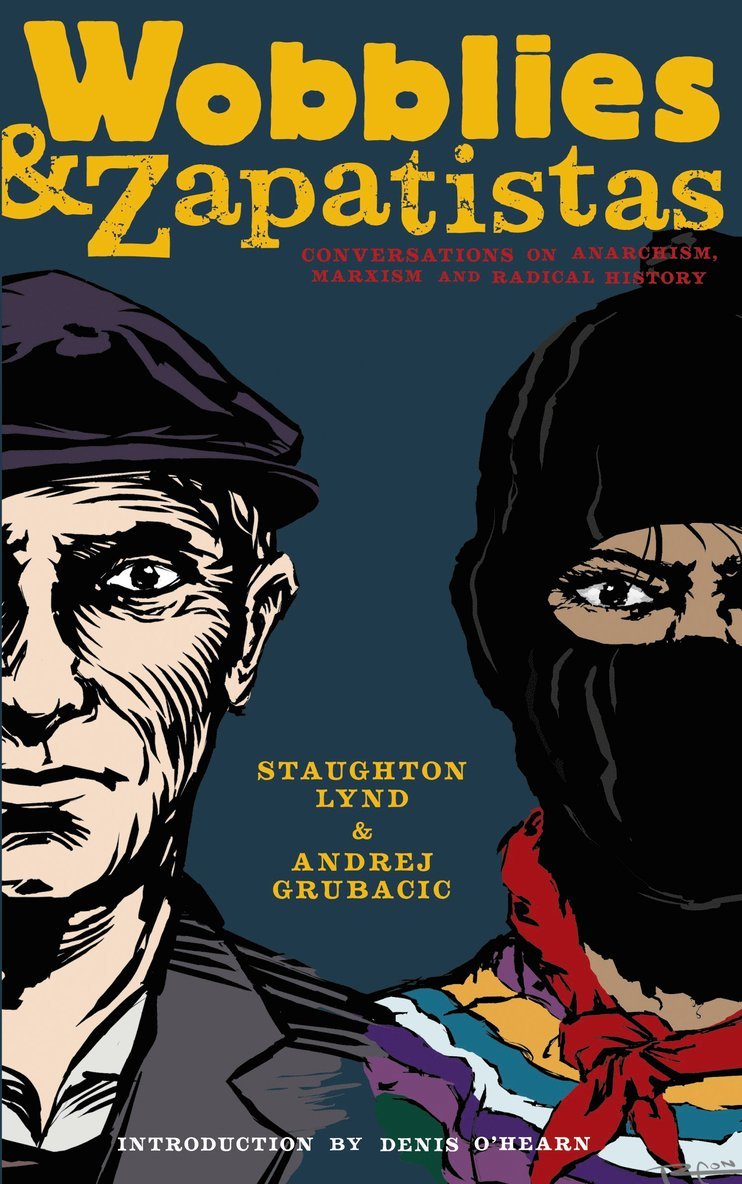
Wobblies and Zapatistas
Conversations on Anarchism, Marxism and Radical History
Av Andrej Grubacic, Staughton Lynd
Häftad, 2009
201 kr
Lägg i varukorg
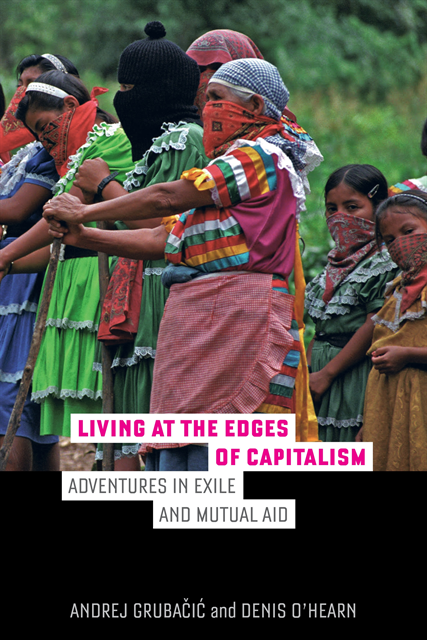
Living at the Edges of Capitalism
Adventures in Exile and Mutual Aid
Av Andrej Grubacic, Denis O'Hearn
Inbunden, 2016
1190 kr
Lägg i varukorg
Since the earliest development of states, groups of people escaped or were exiled. As capitalism developed, people tried to escape capitalist constraints connected with state control. This powerful book gives voice to three communities living at the edges of capitalism: Cossacks on the Don River in …
Living at the Edges of Capitalism
Adventures in Exile and Mutual Aid
Av Andrej Grubacic, Denis O'Hearn
Häftad, 2016
270 kr
Lägg i varukorg
Since the earliest development of states, groups of people escaped or were exiled. As capitalism developed, people tried to escape capitalist constraints connected with state control. This powerful book gives voice to three communities living at the edges of capitalism: Cossacks on the Don River in …
Living at the Edges of Capitalism
Adventures in Exile and Mutual Aid
Av Denis O'Hearn, Andrej Grubacic
E-bok, 2016
446 kr
Lägg i varukorg
Since the earliest development of states, groups of people escaped or were exiled. As capitalism developed, people tried to escape capitalist constraints connected with state control. This powerful book gives voice to three communities living at the edges of capitalism: Cossacks on the Don River in …
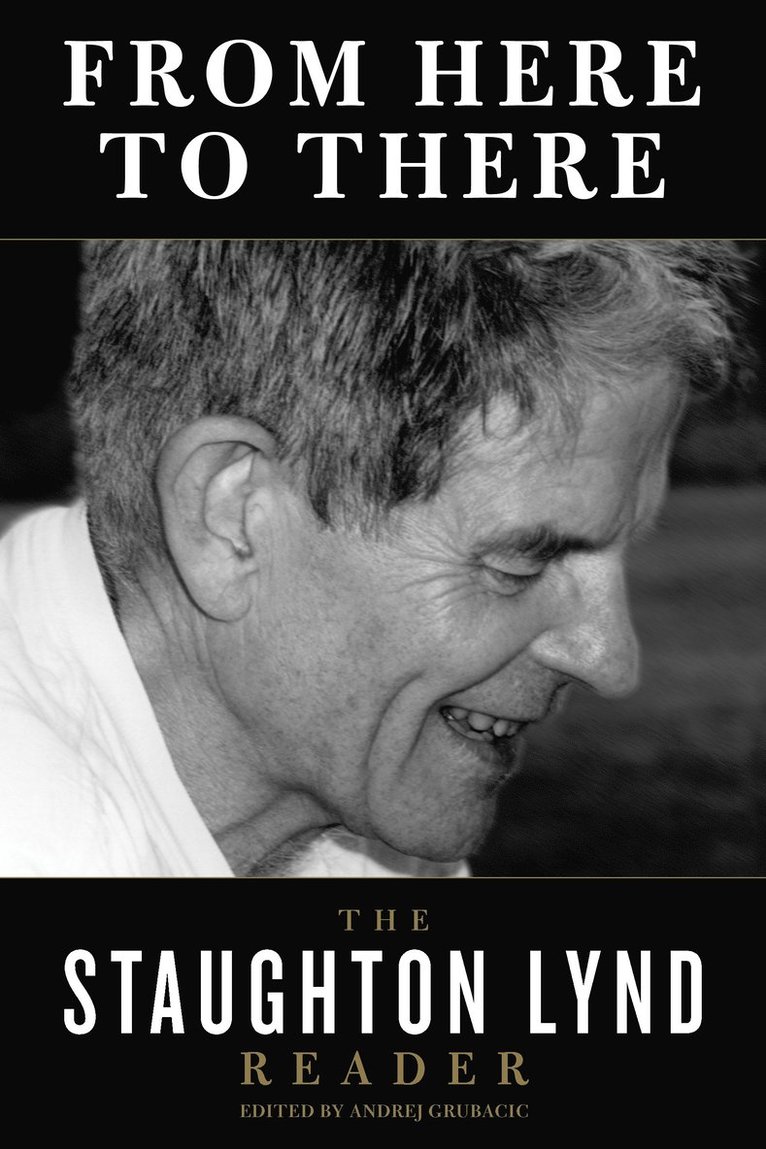
From Here to There
The Staughton Lynd Reader
Av Staughton Lynd, Andrej Grubačić
Häftad, 2010
234 kr
Lägg i varukorg
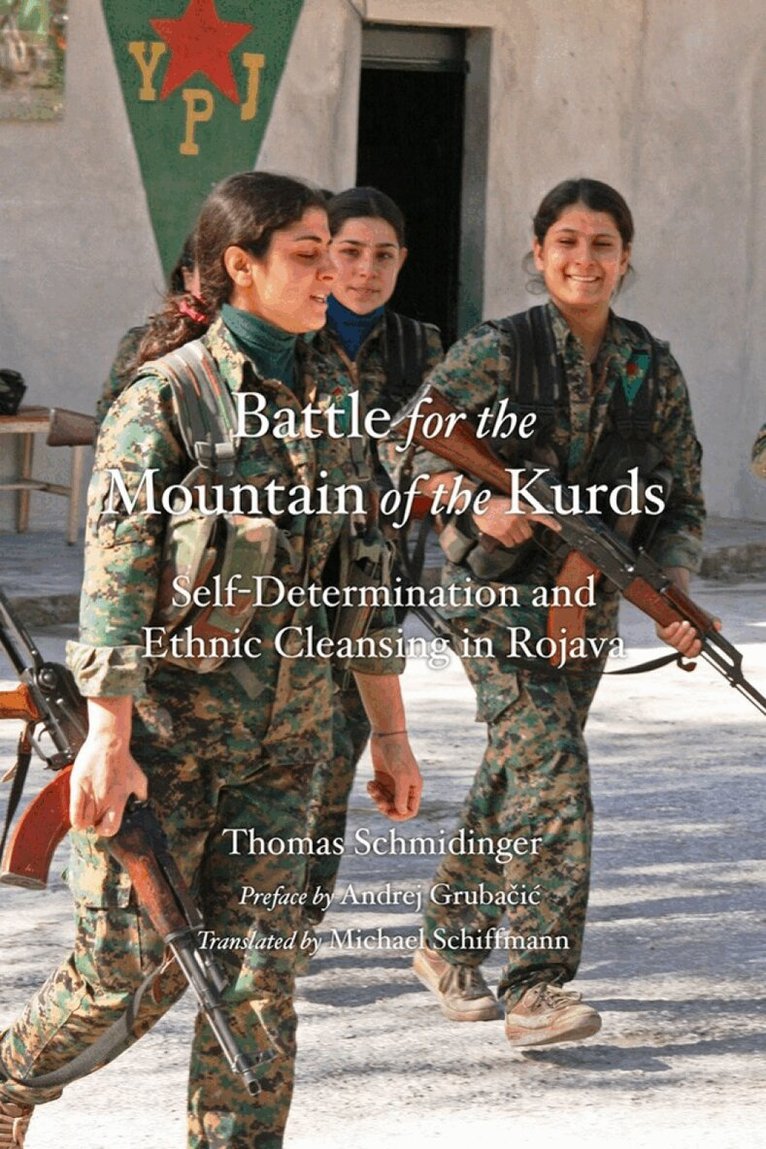
Battle for the Mountain of the Kurds
Self-Determination and Ethnic Cleansing in Rojava
Av Thomas Schmidinger, Andrej Grubacic
Häftad, 2019
208 kr
Lägg i varukorg
In early 2018, Turkey invaded the autonomous Kurdish region of Afrin in Syria and is currently threatening to ethnically cleanse the region. Between 2012 and 2018, the 'Mountain of the Kurds' (Kurd Dagh) had been one of the quietest regions in a country otherwise torn by civil war. After the …