Andrew B.R. Elliott – författare
Visar alla böcker från författaren Andrew B.R. Elliott. Handla med fri frakt och snabb leverans.
7 produkter
7 produkter
Inbunden, Engelska, 2014
1 949 kr
Skickas inom 3-6 vardagar
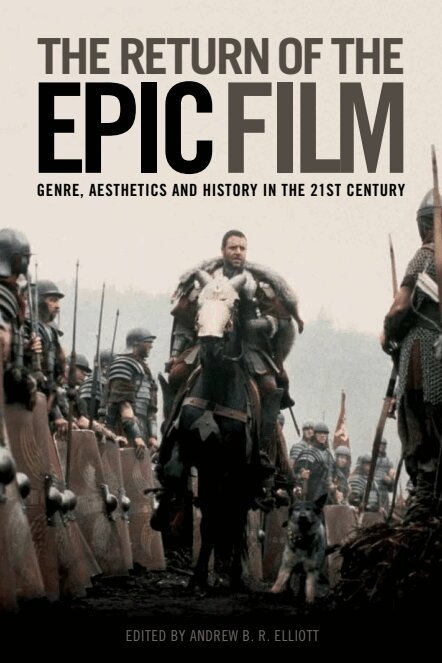
With the success of Gladiator, both critics and scholars enthusiastically announced the return of a genre which had lain dormant for thirty years. However, this return raises important new questions which remain unanswered. Why did the epic come back, and why did it fall out of fashion? Are these the same kinds of epics as the 1950s and 60s, or are there aesthetic differences? Can we treat Kingdom of Heaven, 300 and Thor indiscriminately as one genre? Are non-Western histories like Hero and Mongol epics, too? Finally, what precisely do we mean when we talk about the return of the epic film, and why are they back? The Return of the Epic Film offers a fresh way of thinking about a body of films which has dominated our screens for a decade. With contributions from top scholars in the field, the collection adopts a range of interdisciplinary perspectives to explore the epic film in the twenty-first century.
Häftad, Engelska, 2010
361 kr
Skickas inom 5-8 vardagar
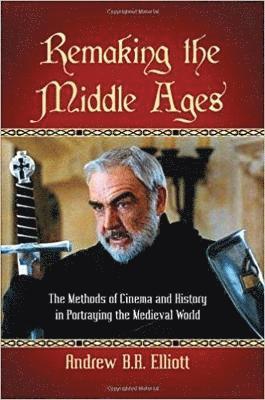
Proposing a fresh theoretical approach to the study of cinematic portrayals of the Middle Ages, this book uses both semiotics and historiography to demonstrate how contemporary filmmakers have attempted to recreate the past in a way that, while largely imagined, is also logical, meaningful, and as truthful as possible. Carrying out this critical approach, the author analyzes a wide range of films depicting the Middle Ages, arguing that most of these films either reflect the past through a series of visual signs (a concept he has called "iconic recreation") or by comparing the past to a modern equivalent (called "paradigmatic representation").
Häftad, Engelska, 2015
539 kr
Skickas inom 3-6 vardagar
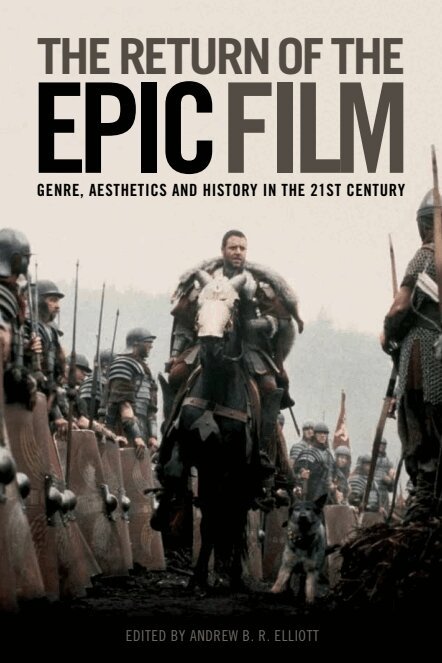
With the success of Gladiator, both critics and scholars enthusiastically announced the return of a genre which had lain dormant for thirty years. However, this return raises important new questions which remain unanswered. Why did the epic come back, and why did it fall out of fashion? Are these the same kinds of epics as the 1950s and 60s, or are there aesthetic differences? Can we treat Kingdom of Heaven, 300 and Thor indiscriminately as one genre? Are non-Western histories like Hero and Mongol epics, too? Finally, what precisely do we mean when we talk about the return of the epic film, and why are they back? The Return of the Epic Film offers a fresh way of thinking about a body of films which has dominated our screens for a decade. With contributions from top scholars in the field, the collection adopts a range of interdisciplinary perspectives to explore the epic film in the twenty-first century.
E-bok
PDF, Engelska, 2013605 kr
Läs direkt efter köp
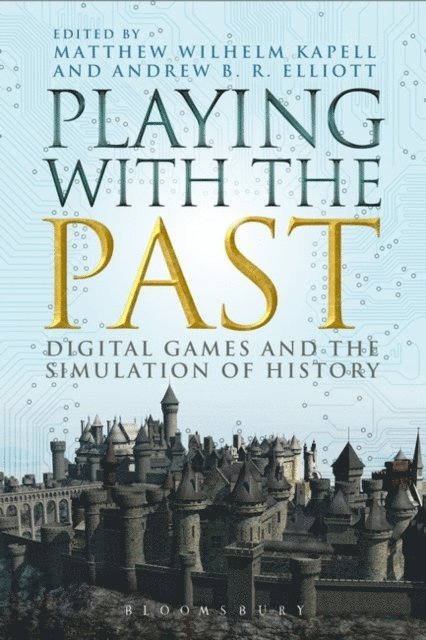
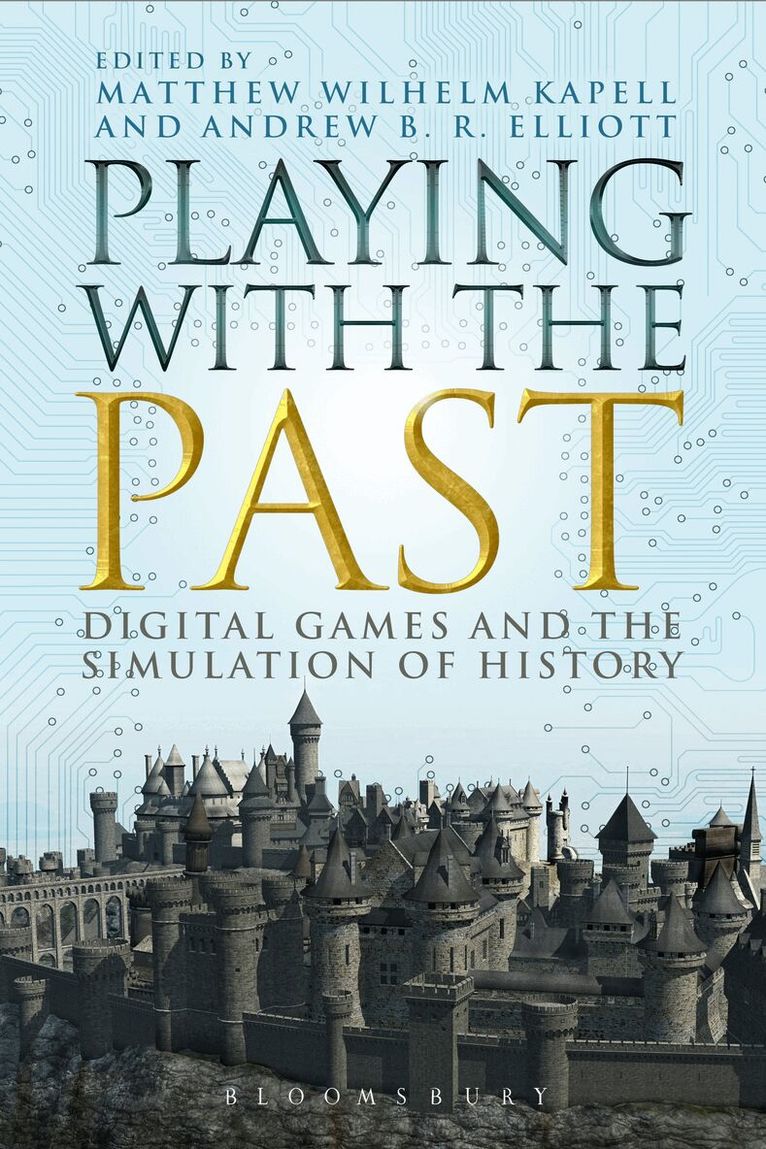
Game Studies is a rapidly growing area of contemporary scholarship, yet volumes in the area have tended to focus on more general issues. With Playing with the Past, game studies is taken to the next level by offering a specific and detailed analysis of one area of digital game play -- the representation of history. The collection focuses on the ways in which gamers engage with, play with, recreate, subvert, reverse and direct the historical past, and what effect this has on the ways in which we go about constructing the present or imagining a future. What can World War Two strategy games teach us about the reality of this complex and multifaceted period? Do the possibilities of playing with the past change the way we understand history? If we embody a colonialist's perspective to conquer 'primitive' tribes in Colonization, does this privilege a distinct way of viewing history as benevolent intervention over imperialist expansion? The fusion of these two fields allows the editors to pose new questions about the ways in which gamers interact with their game worlds. Drawing these threads together, the collection concludes by asking whether digital games - which represent history or historical change - alter the way we, today, understand history itself.
Inbunden, Engelska, 2013
2 080 kr
Skickas inom 10-15 vardagar
Game Studies is a rapidly growing area of contemporary scholarship, yet volumes in the area have tended to focus on more general issues. With Playing with the Past, game studies is taken to the next level by offering a specific and detailed analysis of one area of digital game play -- the representation of history. The collection focuses on the ways in which gamers engage with, play with, recreate, subvert, reverse and direct the historical past, and what effect this has on the ways in which we go about constructing the present or imagining a future. What can World War Two strategy games teach us about the reality of this complex and multifaceted period? Do the possibilities of playing with the past change the way we understand history? If we embody a colonialist's perspective to conquer 'primitive' tribes in Colonization, does this privilege a distinct way of viewing history as benevolent intervention over imperialist expansion? The fusion of these two fields allows the editors to pose new questions about the ways in which gamers interact with their game worlds. Drawing these threads together, the collection concludes by asking whether digital games - which represent history or historical change - alter the way we, today, understand history itself.
Häftad, Engelska, 2013
546 kr
Skickas inom 10-15 vardagar
Game Studies is a rapidly growing area of contemporary scholarship, yet volumes in the area have tended to focus on more general issues. With Playing with the Past, game studies is taken to the next level by offering a specific and detailed analysis of one area of digital game play -- the representation of history. The collection focuses on the ways in which gamers engage with, play with, recreate, subvert, reverse and direct the historical past, and what effect this has on the ways in which we go about constructing the present or imagining a future. What can World War Two strategy games teach us about the reality of this complex and multifaceted period? Do the possibilities of playing with the past change the way we understand history? If we embody a colonialist's perspective to conquer 'primitive' tribes in Colonization, does this privilege a distinct way of viewing history as benevolent intervention over imperialist expansion? The fusion of these two fields allows the editors to pose new questions about the ways in which gamers interact with their game worlds. Drawing these threads together, the collection concludes by asking whether digital games - which represent history or historical change - alter the way we, today, understand history itself.
E-bok
Engelska, 2013587 kr
Läs direkt efter köp
Game Studies is a rapidly growing area of contemporary scholarship, yet volumes in the area have tended to focus on more general issues. With Playing with the Past, game studies is taken to the next level by offering a specific and detailed analysis of one area of digital game play -- the representation of history. The collection focuses on the ways in which gamers engage with, play with, recreate, subvert, reverse and direct the historical past, and what effect this has on the ways in which we go about constructing the present or imagining a future. What can World War Two strategy games teach us about the reality of this complex and multifaceted period? Do the possibilities of playing with the past change the way we understand history? If we embody a colonialist's perspective to conquer 'primitive' tribes in Colonization, does this privilege a distinct way of viewing history as benevolent intervention over imperialist expansion? The fusion of these two fields allows the editors to pose new questions about the ways in which gamers interact with their game worlds. Drawing these threads together, the collection concludes by asking whether digital games - which represent history or historical change - alter the way we, today, understand history itself.