Andrew David – författare
Visar alla böcker från författaren Andrew David. Handla med fri frakt och snabb leverans.
10 produkter
10 produkter
Häftad, Engelska, 2022
628 kr
Skickas inom 10-15 vardagar
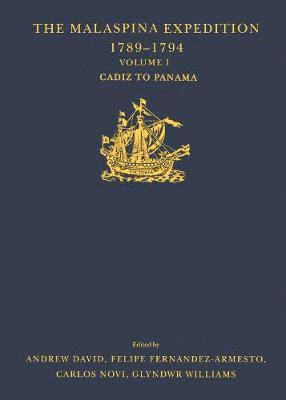
Among the voyages of exploration and surveying in the late 18th century, that of Alejandro Malaspina best represents the high ideals and scientific interests of the Enlightenment. Italian-born, Malaspina entered the Spanish navy in 1774. In September 1788 he and fellow-officer José Bustamante submitted a plan to the Ministry of Marine for a voyage of survey and inspection to Spanish territories in the Americas and Philippines. The expedition was to produce hydrographic charts for the use of Spanish merchantmen and warships and to report on the political, economic and defensive state of Spain's overseas possessions. The plan was approved and in July 1789 Malaspina and Bustamante sailed from Cádiz in the purpose-built corvettes, Descubierta and Atrevida. On board the vessels were scientists and artists and an array of the latest surveying and astronomical instruments. The voyage lasted more than five years. On his return Malaspina was promoted Brigadier de la Real Armada, and began work on an account of the voyage in seven volumes to dwarf the narratives of his predecessors in the Pacific such as Cook and Bougainville. Among much else, it would contain sweeping recommendations for reform in the governance of Spain's overseas empire. But Malaspina became involved in political intrigue. In November 1795 he was arrested, stripped of his rank and sentenced to life imprisonment. Although released in 1803, Malaspina spent the last seven years of his life in obscure retirement in Italy. He never resumed work on the great edition, and his journal was not published in Spain until 1885. Only in recent years has a multi-volume edition appeared under the auspices of the Museo Naval, Madrid, that does justice to the achievements of what for long was a forgotten voyage. This first volume of a series of three contains Malaspina's diario or journal from 31 July 1789 to 14 December 1790, newly translated into English, with substantial introduction and commentary. Among the places visited and described are Montevideo, Puerto Deseado, Port Egmont, Puerto San Carlos, ValparaÃso, Callao, Guayaquil and Panamá. Other texts include Malaspina's introduction to his intended edition, and his correspondence with the Minister of the Marine before and during the voyage.
Häftad, Engelska, 2007
943 kr
Skickas inom 5-8 vardagar
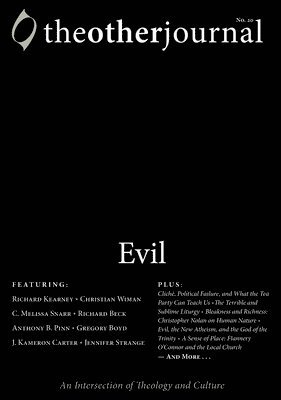
Del 20 - Other Journal
Other Journal: Evil
Inbunden, Engelska, 2012
330 kr
Skickas inom 5-8 vardagar
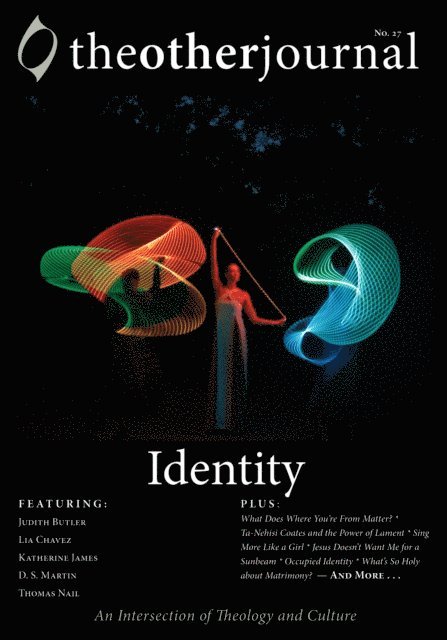
Del 27 - Other Journal
Other Journal: Identity
Häftad, Engelska, 2017
222 kr
Skickas inom 5-8 vardagar
E-bok
Engelska, 2017341 kr
Läs direkt efter köp
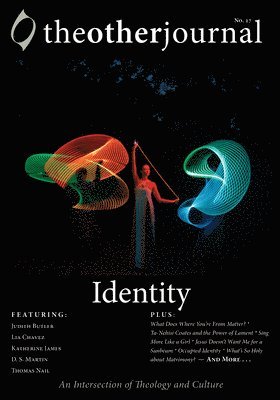
FEATURING:Judith ButlerLia ChavezKatherine James D. S. Martin Thomas NailPLUS:What Does Where You''re From Matter? * Ta-Nehisi Coates and the Power of Lament * Sing More Like a Girl * Jesus Doesn''t Want Me for a Sunbeam * Occupied Identity * What''s So Holy about Matrimony?AND MORE . . ."We the people . . ." So begins the familiar first line to the Preamble of the United States Constitution. But even in its initial context, in a document intended to be a manifesto of hope and freedom, the matter of who exactly was to be included in this "we" was unclear and contested. First-person pronouns (i.e., I and we) roll off the tongue-or onto parchment paper-with ease, but their common use often belies an underlying complexity. Who am I? Who are we? Who does my theology say that I am? Identity is at the same time essential to life and yet also deeply contested, problematic, and enigmatic. The world may be becoming more one and, yet, it seems also to be becoming more different, fragmented, agonistic, and isolated. In this issue of The Other Journal, we explore the valences of identity, both individual and communal, personal and public. We take up the theme of identity in multiple ways, examining its interconnections with gender and race, the dissolution and reconstitution of borders, and, yes, even the 2016 presidential campaign. The issue features essays by Derek Brown, Zach Czaia, Ryan Dueck, Julie M. Hamilton, Peter Herman, Zen Hess, Kimberly Humphrey, Katherine James, Russell Johnson, Sus Long, Willow Mindich, Angela Parker, Taylor Ross, and Erick Sierra; interviews by Stephanie Berbec and Zachary Thomas Settle with Judith Butler and Thomas Nail, respectively; poetry by T. M. Lawson, D. S. Martin, Oluwatomisin Oredein, and Erin Steinke; performance art by Lia Chavez; and photography by Jennifer Jane Simonton, Pilar Timpane, and Mark Wyatt.
Del 27 - Other Journal
Other Journal: Identity
Inbunden, Engelska, 2017
396 kr
Skickas inom 5-8 vardagar
Häftad, Engelska, 2009
254 kr
Skickas inom 5-8 vardagar
Häftad, Engelska, 2012
201 kr
Skickas inom 5-8 vardagar
Häftad, Tamil, 2021
282 kr
Skickas inom 5-8 vardagar
Inbunden, Engelska, 2002
1 016 kr
Tillfälligt slut
Among the voyages of exploration and surveying in the late 18th century, that of Alejandro Malaspina best represents the high ideals and scientific interests of the Enlightenment. Italian-born, Malaspina entered the Spanish navy in 1774. In September 1788 he and fellow-officer José Bustamante submitted a plan to the Ministry of Marine for a voyage of survey and inspection to Spanish territories in the Americas and Philippines. The expedition was to produce hydrographic charts for the use of Spanish merchantmen and warships and to report on the political, economic and defensive state of Spain's overseas possessions. The plan was approved and in July 1789 Malaspina and Bustamante sailed from Cádiz in the purpose-built corvettes, Descubierta and Atrevida. On board the vessels were scientists and artists and an array of the latest surveying and astronomical instruments. The voyage lasted more than five years. On his return Malaspina was promoted Brigadier de la Real Armada, and began work on an account of the voyage in seven volumes to dwarf the narratives of his predecessors in the Pacific such as Cook and Bougainville. Among much else, it would contain sweeping recommendations for reform in the governance of Spain's overseas empire. But Malaspina became involved in political intrigue. In November 1795 he was arrested, stripped of his rank and sentenced to life imprisonment. Although released in 1803, Malaspina spent the last seven years of his life in obscure retirement in Italy. He never resumed work on the great edition, and his journal was not published in Spain until 1885. Only in recent years has a multi-volume edition appeared under the auspices of the Museo Naval, Madrid, that does justice to the achievements of what for long was a forgotten voyage. This first volume of a series of three contains Malaspina's diario or journal from 31 July 1789 to 14 December 1790, newly translated into English, with substantial introduction and commentary. Among the places visited and described are Montevideo, Puerto Deseado, Port Egmont, Puerto San Carlos, ValparaÃso, Callao, Guayaquil and Panamá. Other texts include Malaspina's introduction to his intended edition, and his correspondence with the Minister of the Marine before and during the voyage.