Andrew Kudless - Böcker
Visar alla böcker från författaren Andrew Kudless. Handla med fri frakt och snabb leverans.
2 produkter
2 produkter
651 kr
Skickas inom 3-6 vardagar
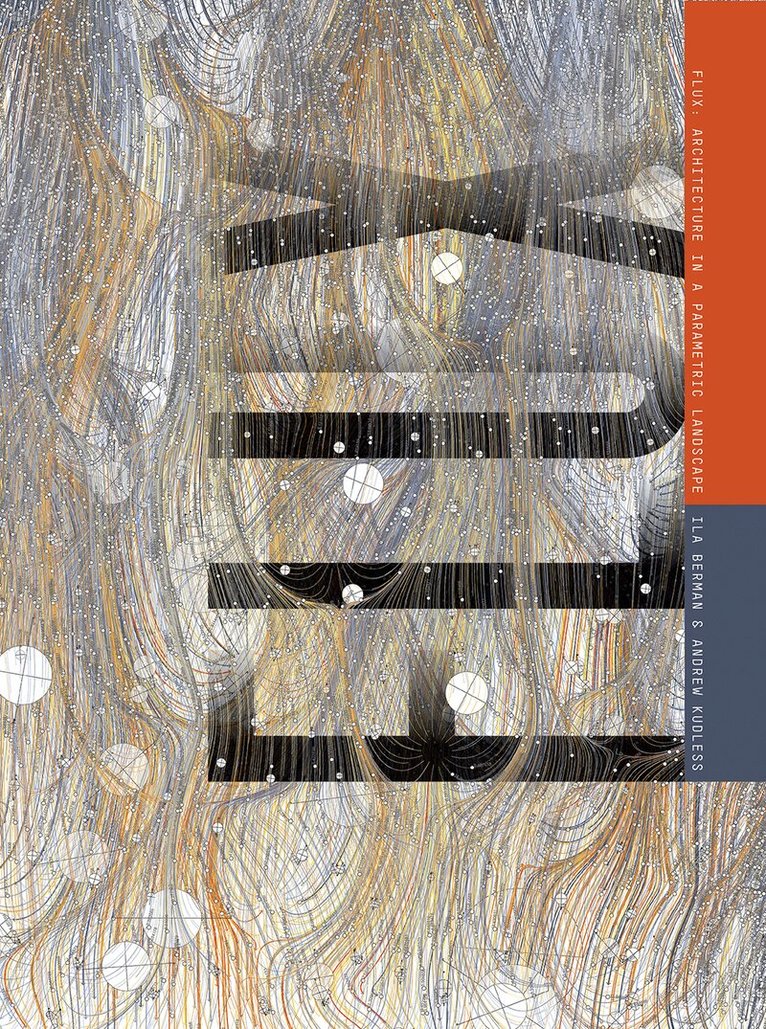
FLUX: Architecture in a Parametric Landscape focuses on the radical evolution of computational and material technologies that, during the last 25 years, have catalysed one of the most creative and prolific periods in architecture since the early 20th century. The book is organised into eight taxonomies—Stacked Aggregates, Modular Assemblages, Pixelated Fields, Cellular Clusters, Serial Iterations, Woven Meshes, Emerging Surfaces and Catenary Systems, and Multi-agent Systems—each of which explores a dominant logic and set of morphological traits transformed through advanced computational and material practices. These themes are theoretically explored and elaborated through the presentation of 140 built works and experimental architectural projects, which are then expanded through analytical and generative diagrams and models that further the design potential of the logics used to create them. Within the book, the architectures presented are considered as a population of objects responsible for the evolution of something that far exceeds the trajectory of a single project. They are thus explored less as autonomous works than as a collection of interrelated and interacting cultural artifacts in flux, whose formation, methods, and tools, as well as their experience, perception, and meaning are necessarily tied to a broader field of cultural production, contributing to the dynamic generation of new architectural and urban models.
510 kr
Skickas
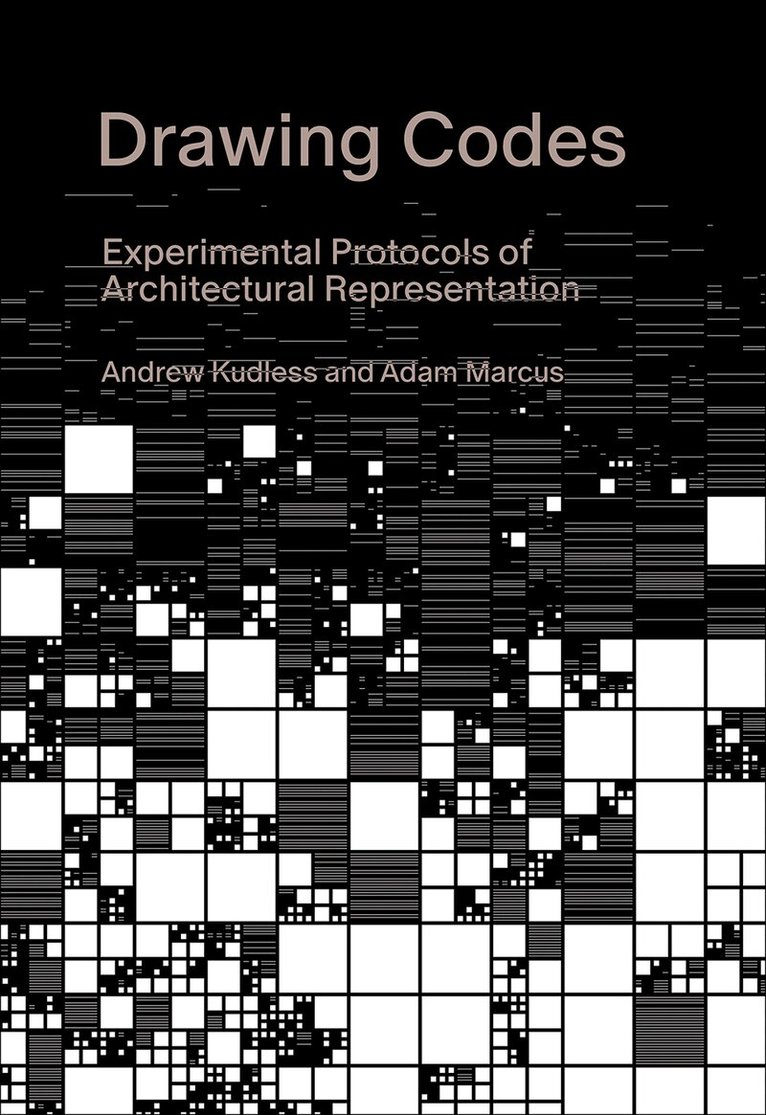
"Expand your mind and look good doing it with these new boundary-bending works of theoretical exploration by some of the field’s premier thinkers." — The Architect's NewspaperEmerging technologies of design and production have transformed the role of drawings within the contemporary design process from that of design generators to design products. As architectural design has shifted from an analogue drawing-based paradigm to that of a computational model-based paradigm, the agency of the drawing as a critical and important form of design representation has shifted. Drawing Codes: Experimental Protocols of Architectural Representation examines the effects of this transformation on the architectural discipline and explores how architects have critically integrated procedural thinking into their drawing process. The book contains 96 commissioned drawings by a diverse range of architects that investigate how rules and constraints inform the ways architects document, analyse, represent, and design the built environment. The publication features essays by architects and theorists offering diverse perspectives on how computational techniques and, more importantly, computational thinking, can revitalise the role of architectural drawing as a creative and critical act.Each drawing responds to a shared conceptual prompt developed by the authors and conforms to a standard size and format. The intent is for this consistency to elicit a wide range of approaches to questions of technology, design, code, and representation. The book documents how computational processes such as procedural drawing, digital simulation, automated production, and machine learning can contribute to a new understanding of what drawings are and how they are created. The result is a considerable diversity of medium, aesthetic sensibility, and content, demonstrating how conventions of architectural representation remain fertile territory for invention and speculation.