Andrew Rosenthal – författare
2 038 kr
Skickas inom 10-15 vardagar
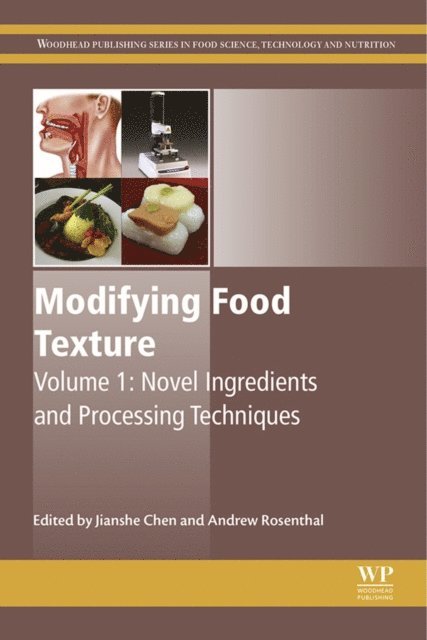
Modifying Food Texture, Volume 1: Novel Ingredients and Processing Techniques discusses texture as an important aspect of consumer food acceptance and preference, and the fact that specific consumer groups, including infants, the elderly, and dysphagia patients require texture-modified foods.
Topics covered include ingredients and processing techniques used in texture modification of foods, an overview of food texture issues, the novel use of processing techniques for texture modification, and the uses of food ingredients in texture-modified foods.
Discusses texture as an important aspect of consumer food acceptance and preference Presents findings and tactics that address the special needs of infants, the elderly, and dysphagia patients Topics covered include ingredients and processing techniques used in texture modification of foods, along with an overview of food texture issues, amongst others1 864 kr
Skickas inom 10-15 vardagar
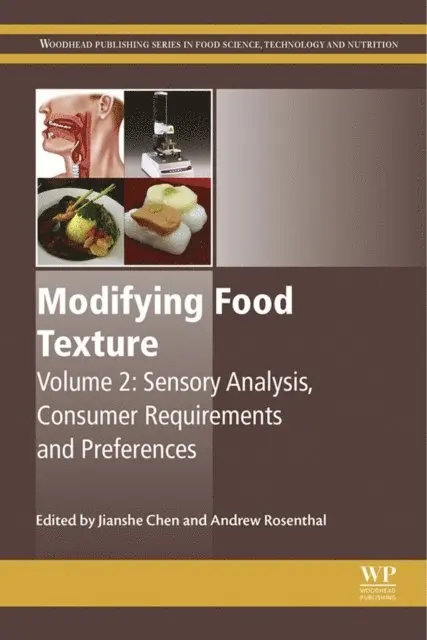
Modifying Food Texture, Volume 2: Sensory Analysis, Consumer Requirements and Preferences explores texture as an important aspect of consumer food acceptance and preference, specifically addressing the food textural needs of infants, the elderly, and dysphagia patients.
This volume covers the sensory analysis of texture-modified foods, taking an in-depth look at the product development needs of consumers and exploring the sensory analysis of food texture and the development of texture-modified foods.
Explores texture as an important aspect of consumer food acceptance and preference Addresses the food textural needs of special groups, including infants, the elderly, and dysphagia patients Takes an in-depth look at the product development needs of consumers, exploring the sensory analysis of food texture2 581 kr
Läs direkt efter köp
2 403 kr
Läs direkt efter köp
973 kr
Skickas inom 10-15 vardagar
870 kr
Läs direkt efter köp
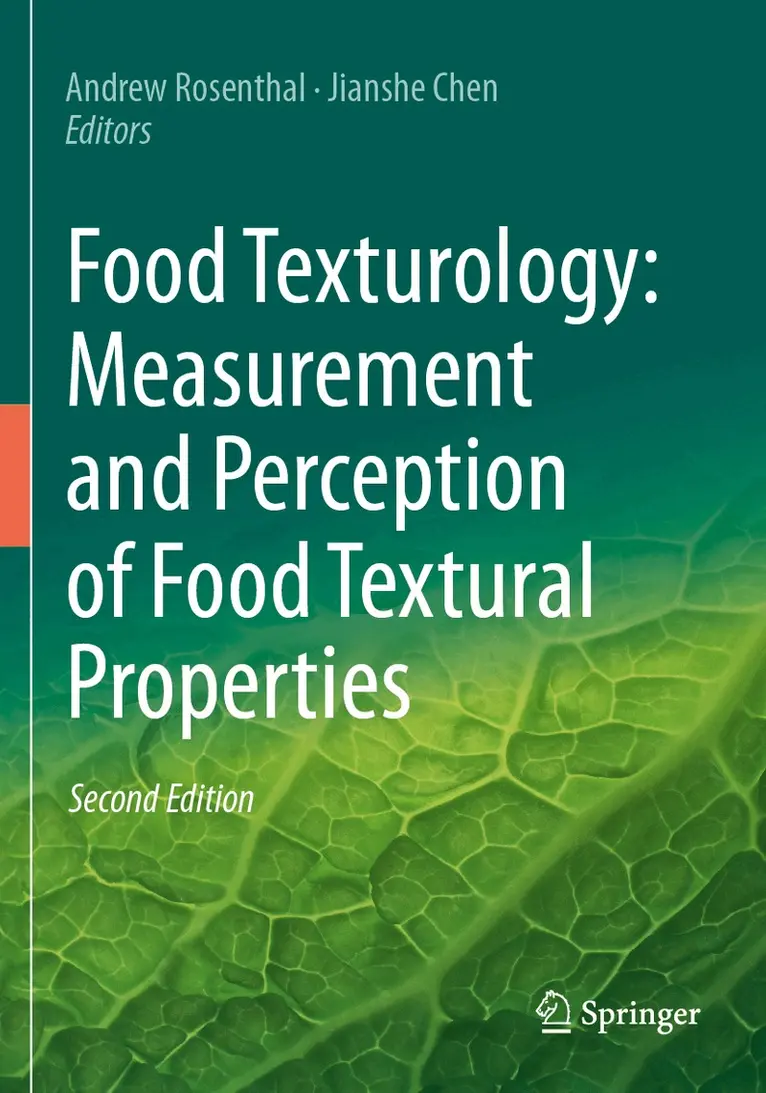
Readers of the first edition will notice the title has changed, with the adoption of the term texturology. In the long history of food texture research, texturology has been occasionally used in literature. The term texturology has not been widely accepted by texture researchers (texturologists) because of their concern over whether the theories and techniques are broad and strong enough to support texture research as a scientific discipline. During the 24 years since the publication of the first edition, the editors have observed vast developments in theories as well as the assessment methodology of food texture (both sensory and instrumental) and these have shaped our understanding. This second edition brings the science up to date by introducing topics not previously covered (e.g. psychophysics, tribology, oral processing, texture maps and special foods for dysphagia patients). It includes an exposé of the instruments to measure food texture, and also considers techniques for measuring consumer perception of food texture (in addition to the sensory properties). Additionally, it amends omissions from the first edition such as dairy products; fish; bakery products; and, sugar confectionery, asproduct groups. All in all it is expanded and updated in its coverage of food texturology, as a coherent scientific discipline.
705 kr
Skickas inom 10-15 vardagar