Andrii Danylenko – författare
Visar alla böcker från författaren Andrii Danylenko. Handla med fri frakt och snabb leverans.
5 produkter
5 produkter
Inbunden, Engelska, 2016
1 398 kr
Skickas inom 5-8 vardagar
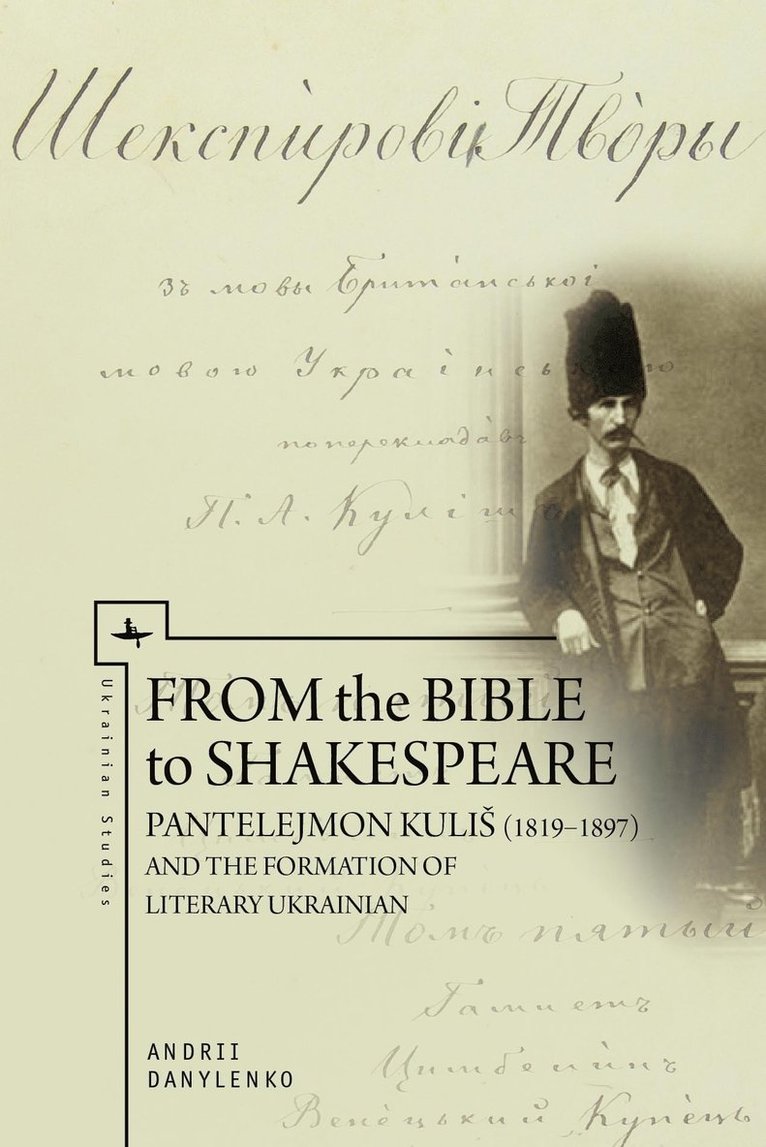
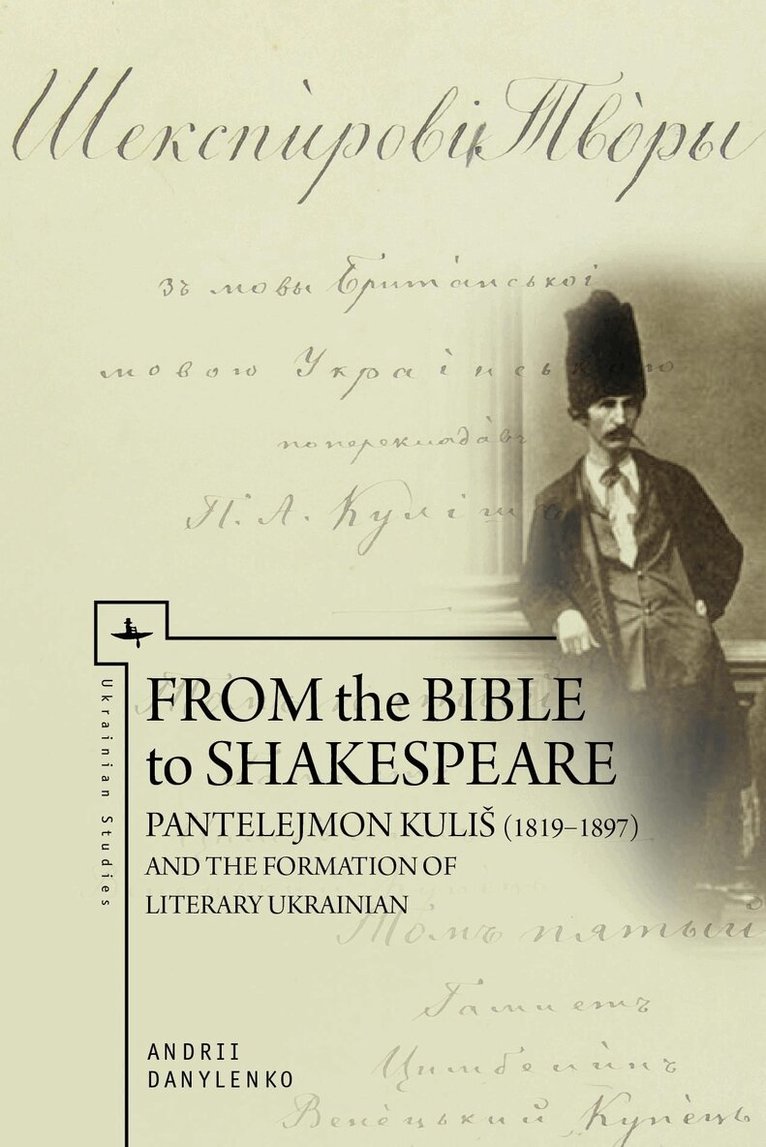
This is the first comprehensive study of the language program of the prominent Ukrainian writer and ideologue Pantelejmon Kuliš (1819-1897) whose translations of the Bible and Shakespeare proved most innovative in the formation of literary and the national self-identification of Ukrainians. The author looks at Kuliš’s translations from the perspective of cultural and ethnic studies, presenting literary Ukrainian as a process of negotiation among literary traditions, religions (rites), political movements, and personalities. This book may be used in university courses on the history of Slavic languages and literatures, contemporary theories of nation-building and national identity as well as language contact and (historical) sociolinguistics. The discussion of language policy in the Russian Empire and Austria-Hungary can be included in regular university courses on Slavic civilizations, history of Central and Eastern Europe (Russia, Poland, and Ukraine).
Häftad, Engelska, 2019
544 kr
Skickas inom 5-8 vardagar
This is the first comprehensive study of the language program of the prominent Ukrainian writer and ideologue Pantelejmon Kuliš (1819-1897) whose translations of the Bible and Shakespeare proved most innovative in the formation of literary and the national self-identification of Ukrainians. The author looks at Kuliš's translations from the perspective of cultural and ethnic studies, presenting literary Ukrainian as a process of negotiation among literary traditions, religions (rites), political movements, and personalities.This book may be used in university courses on the history of Slavic languages and literatures, contemporary theories of nation-building and national identity as well as language contact and (historical) sociolinguistics. The discussion of language policy in the Russian Empire and Austria-Hungary can be included in regular university courses on Slavic civilizations, history of Central and Eastern Europe (Russia, Poland, and Ukraine).
Inbunden, Engelska, 2019
1 729 kr
Skickas inom 5-8 vardagar
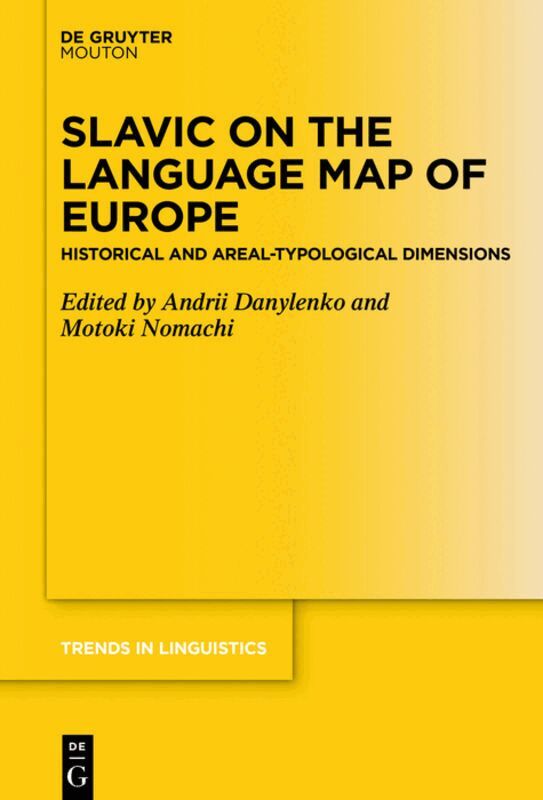
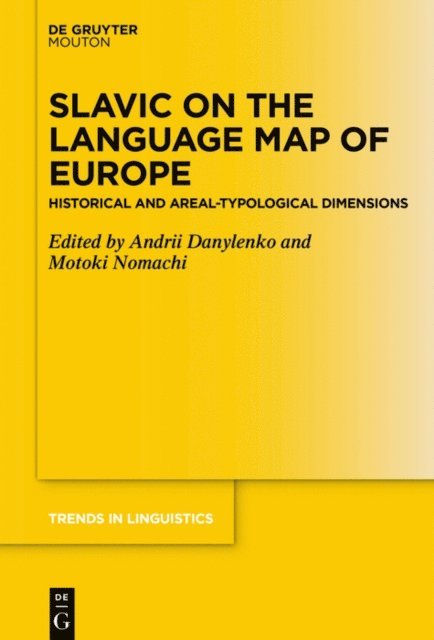
Conceptually, the volume focuses on the relationship of the three key notions that essentially triggered the inception and subsequent realization of this project, to wit, language contact, grammaticalization, and areal grouping.Fully concentrated on the areal-typological and historical dimensions of Slavic, the volume offers new insights into a number of theoretical issues, including language contact, grammaticalization, mechanisms of borrowing, the relationship between areal, genetic, and typological sampling, conservative features versus innovation, and socio-linguistic aspects of linguistic alliances conceived of both synchronically and diachronically. The volume integrates new approaches towards the areal-typological profiling of Slavic as a member of several linguistic areas within Europe, including SAE, the Balkan Sprachbund and Central European groupings(s) like the Danubian or Carpathian areas, as well as the Carpathian-Balkan linguistic macroarea. Some of the chapters focus on structural affinities between Slavic and other European languages that arose as a result of either grammatical replication or borrowing. A special emphasis is placed on contact-induced grammaticalization in Slavic micro-languages
1 748 kr
Läs direkt efter köp
Conceptually, the volume focuses on the relationship of the three key notions that essentially triggered the inception and subsequent realization of this project, to wit, language contact, grammaticalization, and areal grouping. Fully concentrated on the areal-typological and historical dimensions of Slavic, the volume offers new insights into a number of theoretical issues, including language contact, grammaticalization, mechanisms of borrowing, the relationship between areal, genetic, and typological sampling, conservative features versus innovation, and socio-linguistic aspects of linguistic alliances conceived of both synchronically and diachronically. The volume integrates new approaches towards the areal-typological profiling of Slavic as a member of several linguistic areas within Europe, including SAE, the Balkan Sprachbund and Central European groupings(s) like the Danubian or Carpathian areas, as well as the Carpathian-Balkan linguistic macroarea. Some of the chapters focus on structural affinities between Slavic and other European languages that arose as a result of either grammatical replication or borrowing. A special emphasis is placed on contact-induced grammaticalization in Slavic micro-languages
E-bok
PDF, Engelska, 20191 748 kr
Läs direkt efter köp
Conceptually, the volume focuses on the relationship of the three key notions that essentially triggered the inception and subsequent realization of this project, to wit, language contact, grammaticalization, and areal grouping. Fully concentrated on the areal-typological and historical dimensions of Slavic, the volume offers new insights into a number of theoretical issues, including language contact, grammaticalization, mechanisms of borrowing, the relationship between areal, genetic, and typological sampling, conservative features versus innovation, and socio-linguistic aspects of linguistic alliances conceived of both synchronically and diachronically. The volume integrates new approaches towards the areal-typological profiling of Slavic as a member of several linguistic areas within Europe, including SAE, the Balkan Sprachbund and Central European groupings(s) like the Danubian or Carpathian areas, as well as the Carpathian-Balkan linguistic macroarea. Some of the chapters focus on structural affinities between Slavic and other European languages that arose as a result of either grammatical replication or borrowing. A special emphasis is placed on contact-induced grammaticalization in Slavic micro-languages