Andy Rotman – författare
Visar alla böcker från författaren Andy Rotman. Handla med fri frakt och snabb leverans.
8 produkter
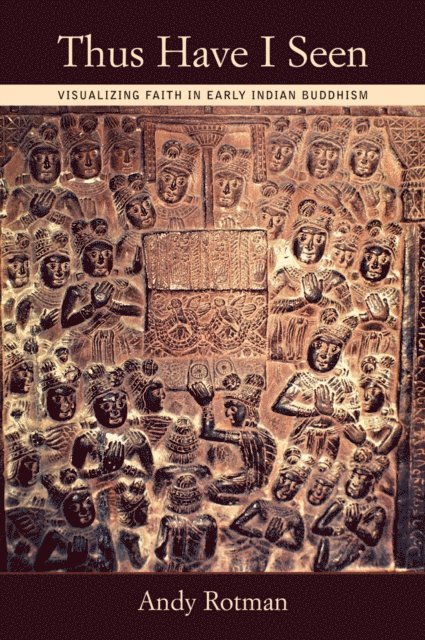
Thus Have I Seen
Visualizing Faith in Early Indian Buddhism
Av Andy Rotman
E-bok, 2008
1302 kr
Lägg i varukorg
Although Buddhism is often depicted as a religion of meditators and philosophers, some of the earliest writings extant in India offer a very different portrait of the Buddhist practitioner. In Indian Buddhist narratives from the early centuries of the Common Era, most lay religious practice …
Thus I Have Seen
Visualizing Faith in Early Indian Buddhism
Av Andy Rotman
Inbunden, 2008
1988 kr
Lägg i varukorg
This book offers a new approach to understanding Buddhist lay and monastic practice by recognizing the crucial role that visual practices played in Indian Buddhism in the early centuries of the Common Era. In the genre of Indian Buddhist narratives known as avadana, most lay religious practice …
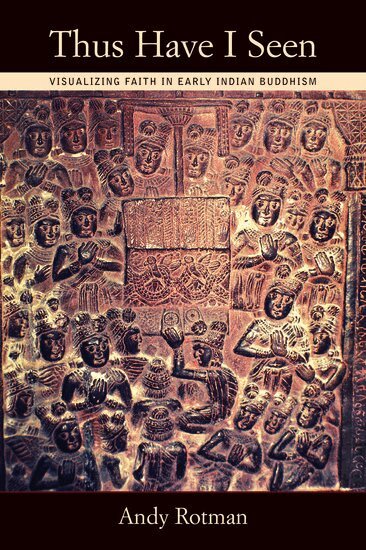
Thus Have I Seen
Visualizing Faith in Early Indian Buddhism
Av Andy Rotman
E-bok, 2008
1302 kr
Lägg i varukorg
Although Buddhism is often depicted as a religion of meditators and philosophers, some of the earliest writings extant in India offer a very different portrait of the Buddhist practitioner. In Indian Buddhist narratives from the early centuries of the Common Era, most lay religious practice …
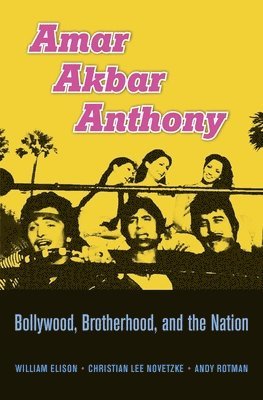
Amar Akbar Anthony
Bollywood, Brotherhood, and the Nation
Av William Elison, Christian Lee Novetzke m. fl.
Inbunden, 2016
564 kr
Lägg i varukorg
A Bollywood blockbuster when it was released in 1977, Amar Akbar Anthony has become a classic of Hindi cinema and a touchstone of Indian popular culture. Delighting audiences with its songs and madcap adventures, the film follows the heroics of three Bombay brothers separated in childhood from …
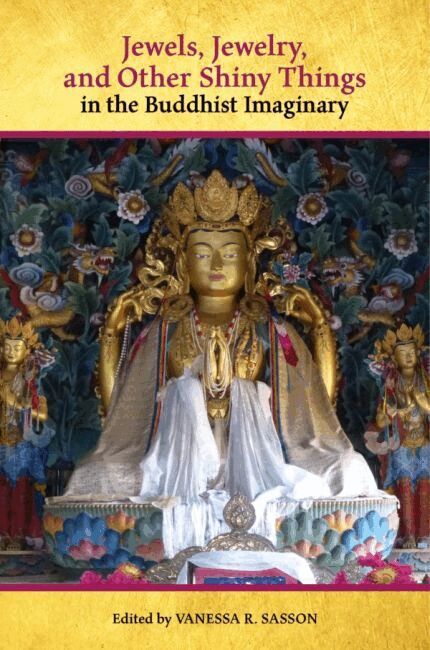
Jewels, Jewelry, and Other Shiny Things in the Buddhist Imaginary
Av Casey Collins, Wendy Doniger m. fl.
Häftad, 2022
343 kr
Lägg i varukorg
Renunciation is a core value in the Buddhist tradition, but Buddhism is not necessarily austere. Jewels—along with heavenly flowers, rays of rainbow light, and dazzling deities—shape the literature and the material reality of the tradition. They decorate temples, fill reliquaries, are used as …
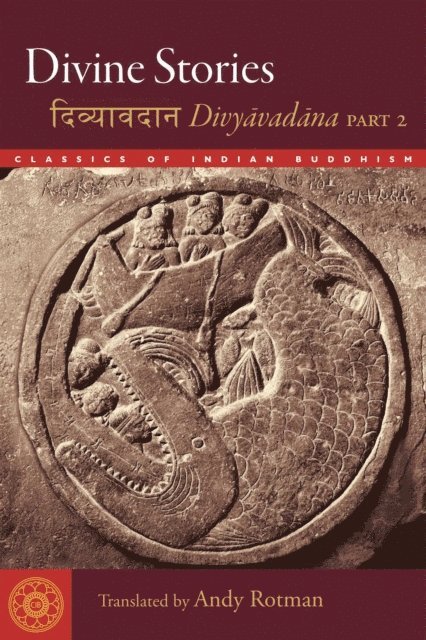
Divine Stories
Divyavadana, Part 2
Av Andy Rotman
E-bok, 2017
239 kr
Lägg i varukorg
Explore this second volume of translations, in vivid prose, from one of the most celebrated collections of ancient Buddhist stories. Actions never come to naught, even after hundreds of millions of years. When the right conditions gather and the time is right, then they will have their effect on …
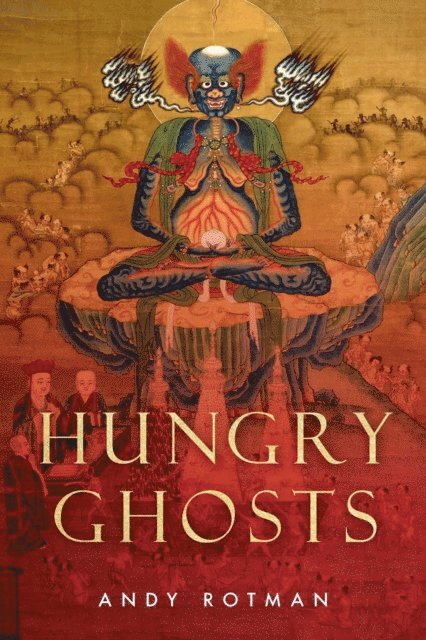
Hungry Ghosts
Av Andy Rotman
E-bok, 2021
213 kr
Lägg i varukorg
Classical stories and depictions of hungry ghosts not only tell us a great deal about Buddhism in the ancient worldthey also speak to the modern human condition.The realm of hungry ghosts is one of the unfortunate realms of rebirth in the Buddhist cycle of existence, and those reborn there are said …