Anette Warring – författare
Visar alla böcker från författaren Anette Warring. Handla med fri frakt och snabb leverans.
6 produkter
6 produkter
E-bok
PDF, Engelska, 2013478 kr
Läs direkt efter köp
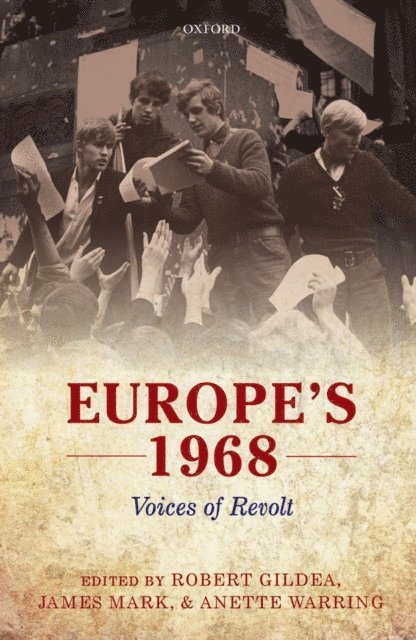
By the late 1960s, in a Europe divided by the Cold War and challenged by global revolution in Latin America, Asia, and Africa, thousands of young people threw themselves into activism to change both the world and themselves. This new and exciting study of "Europe''s 1968" is based on the rich oral histories of nearly 500 former activists collected by an international team of historians across fourteen countries. Activists'' own voices reflect on how they were drawninto activism, how they worked and struggled together, how they combined the political and the personal in their lives, and the pride or regret with which they look back on those momentous years. Themes explored include generational revolt and activists'' relationship with their families, the meanings ofrevolution, transnational encounters and spaces of revolt, faith and radicalism, dropping out, gender and sexuality, and revolutionary violence. Focussing on the way in which the activists themselves made sense of their revolt, this work makes a major contribution to both oral history and memory studies. This ambitious study ranges widely across Europe from Franco''s Spain to the Soviet Union, and from the two Germanys to Greece, and throws new light on moments and movements which both unitedand divided the activists of Europe''s 1968.
E-bok
Engelska, 2017478 kr
Läs direkt efter köp
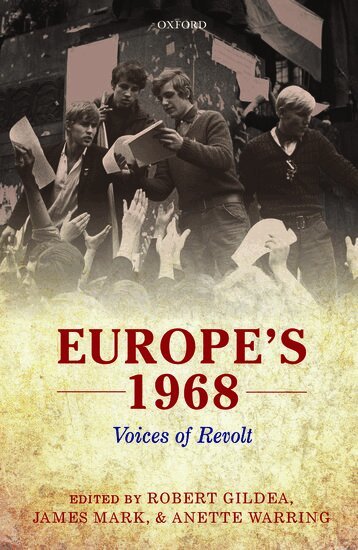
By the late 1960s, in a Europe divided by the Cold War and challenged by global revolution in Latin America, Asia, and Africa, thousands of young people threw themselves into activism to change both the world and themselves. This new and exciting study of "Europe''s 1968" is based on the rich oral histories of nearly 500 former activists collected by an international team of historians across fourteen countries. Activists'' own voices reflect on how they were drawninto activism, how they worked and struggled together, how they combined the political and the personal in their lives, and the pride or regret with which they look back on those momentous years. Themes explored include generational revolt and activists'' relationship with their families, the meanings ofrevolution, transnational encounters and spaces of revolt, faith and radicalism, dropping out, gender and sexuality, and revolutionary violence. Focussing on the way in which the activists themselves made sense of their revolt, this work makes a major contribution to both oral history and memory studies. This ambitious study ranges widely across Europe from Franco''s Spain to the Soviet Union, and from the two Germanys to Greece, and throws new light on moments and movements which both unitedand divided the activists of Europe''s 1968.
Häftad, Engelska, 2017
558 kr
Skickas inom 7-10 vardagar
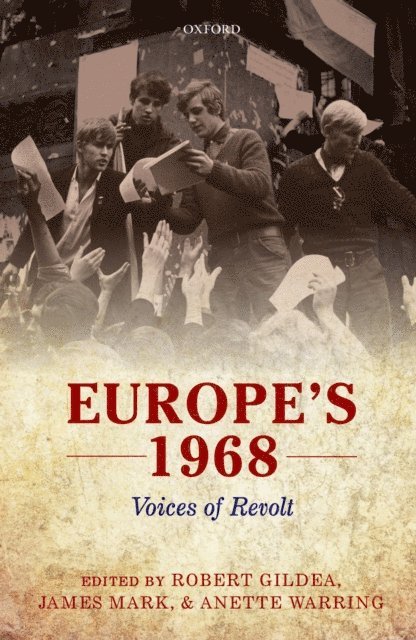
By the late 1960s, in a Europe divided by the Cold War and challenged by global revolution in Latin America, Asia, and Africa, thousands of young people threw themselves into activism to change both the world and themselves. This new and exciting study of "Europe's 1968" is based on the rich oral histories of nearly 500 former activists collected by an international team of historians across fourteen countries. Activists' own voices reflect on how they were drawn into activism, how they worked and struggled together, how they combined the political and the personal in their lives, and the pride or regret with which they look back on those momentous years. Themes explored include generational revolt and activists' relationship with their families, the meanings of revolution, transnational encounters and spaces of revolt, faith and radicalism, dropping out, gender and sexuality, and revolutionary violence. Focussing on the way in which the activists themselves made sense of their revolt, this work makes a major contribution to both oral history and memory studies. This ambitious study ranges widely across Europe from Franco's Spain to the Soviet Union, and from the two Germanys to Greece, and throws new light on moments and movements which both united and divided the activists of Europe's 1968.
Inbunden, Engelska, 2013
1 872 kr
Skickas inom 5-8 vardagar
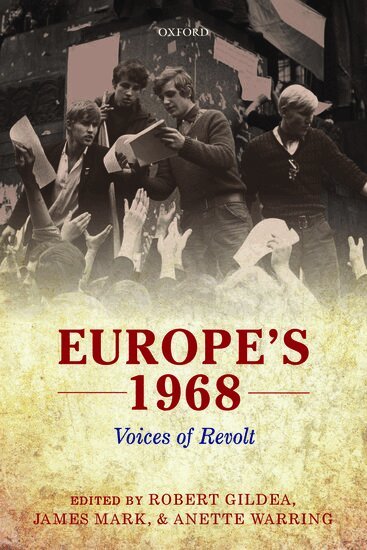
By the late 1960s, in a Europe divided by the Cold War and challenged by global revolution in Latin America, Asia, and Africa, thousands of young people threw themselves into activism to change both the world and themselves. This new and exciting study of "Europe's 1968" is based on the rich oral histories of nearly 500 former activists collected by an international team of historians across fourteen countries. Activists' own voices reflect on how they were drawn into activism, how they worked and struggled together, how they combined the political and the personal in their lives, and the pride or regret with which they look back on those momentous years. Themes explored include generational revolt and activists' relationship with their families, the meanings of revolution, transnational encounters and spaces of revolt, faith and radicalism, dropping out, gender and sexuality, and revolutionary violence. Focussing on the way in which the activists themselves made sense of their revolt, this work makes a major contribution to both oral history and memory studies. This ambitious study ranges widely across Europe from Franco's Spain to the Soviet Union, and from the two Germanys to Greece, and throws new light on moments and movements which both united and divided the activists of Europe's 1968.
Inbunden, Engelska, 2006
1 853 kr
Skickas inom 10-15 vardagar
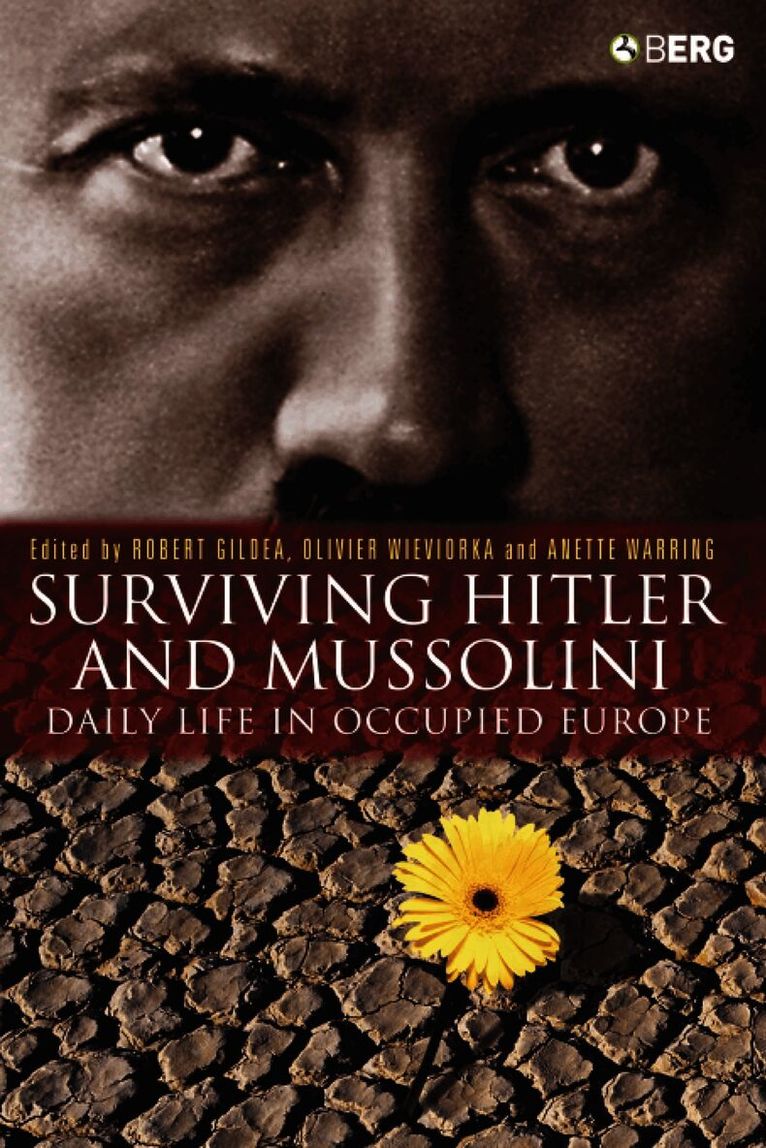
Surviving Hitler and Mussolini examines how far everyday life was possible in a situation of total war and brutal occupation. Its theme is the social experience of occupation in German- and Italian-occupied Europe, and in particular the strategies ordinary people developed in order to survive. Survival included meeting the challenges of shortage and hunger, of having to work for the enemy, of women entering into intimate relations with soldiers, of the preservation of culture in a fascist universe, of whether and how to resist, and the reaction of local communities to measures of reprisal taken in response to resistance. What emerges is that ordinary people were less heroes, villains or victims than inventive and resourceful individuals able to maintain courage and dignity despite the conditions they faced.The book adopts a comparative approach from Denmark and the Netherlands to Poland and Greece, and offers a fresh perspective on the Second World War.
E-bok
PDF, Engelska, 20061 955 kr
Läs direkt efter köp
Surviving Hitler and Mussolini examines how far everyday life was possible in a situation of total war and brutal occupation. Its theme is the social experience of occupation in German- and Italian-occupied Europe, and in particular the strategies ordinary people developed in order to survive. Survival included meeting the challenges of shortage and hunger, of having to work for the enemy, of women entering into intimate relations with soldiers, of the preservation of culture in a fascist universe, of whether and how to resist, and the reaction of local communities to measures of reprisal taken in response to resistance. What emerges is that ordinary people were less heroes, villains or victims than inventive and resourceful individuals able to maintain courage and dignity despite the conditions they faced.The book adopts a comparative approach from Denmark and the Netherlands to Poland and Greece, and offers a fresh perspective on the Second World War.