Robert Gildea – författare
Visar alla böcker från författaren Robert Gildea. Handla med fri frakt och snabb leverans.
34 produkter
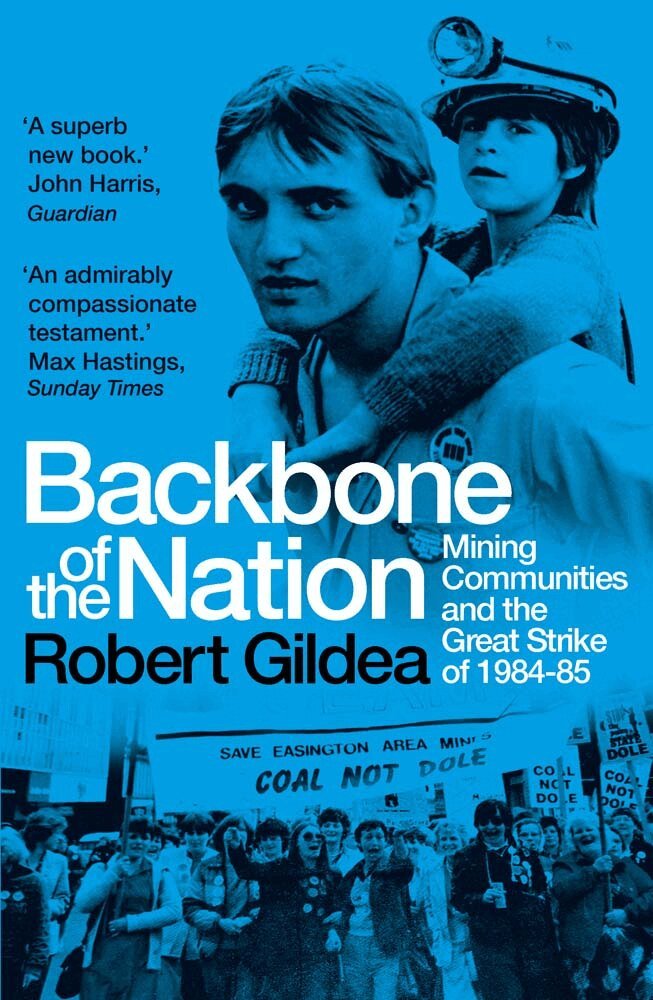
Backbone of the Nation
Mining Communities and the Great Strike of 1984-85
Häftad, 2024
158 kr
Lägg i varukorg
A powerful new history of the Great Strike in the miners’ own voices, based on more than 140 interviews with former miners and their familiesForty years ago, Arthur Scargill led the National Union of Mineworkers on one of the largest strikes in British history. A deep sense of pride existed within …
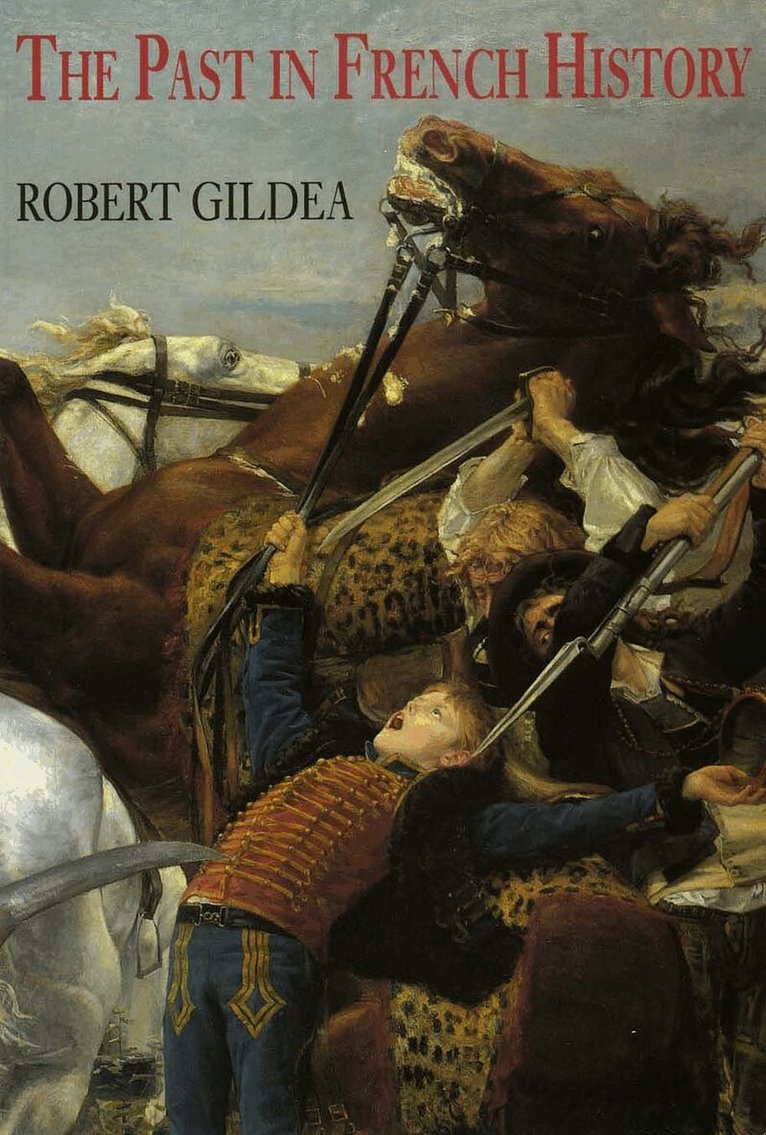
Past in French History
Häftad, 1996
676 kr
Lägg i varukorg
This fascinating book examines how the past pervades French public life, how the French both commemorate their past triumphs, heroes, and martyrs and attempt to erase the more violent events in their history. The book surveys the ways that various political communities in France during the past two …
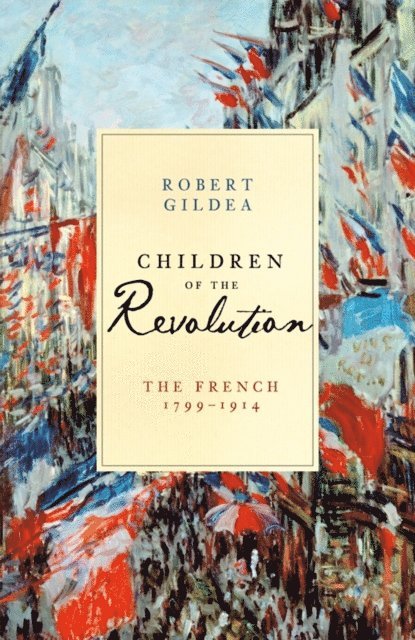
Children of the Revolution
The French, 1799-1914
E-bok, 2008
147 kr
Lägg i varukorg
Nineteenth-century France was one of the world's great cultural beacons, renowned for its dazzling literature, philosophy, art, poetry and technology. Yet this was also a tumultuous century of political anarchy and bloodshed, where each generation of the French Revolution's 'children' would …
Barricades and Borders
Europe 1800-1914
E-bok, 2003
571 kr
Lägg i varukorg
This is a comprehensive survey of European history from the coup d''etat of Napoleon Bonaparte in France to the assassination of the Archduke Ferdinand at Sarajevo, which led to the First World War. It concentrates on the twin themes of revolution and nationalism, which often combined in the early …
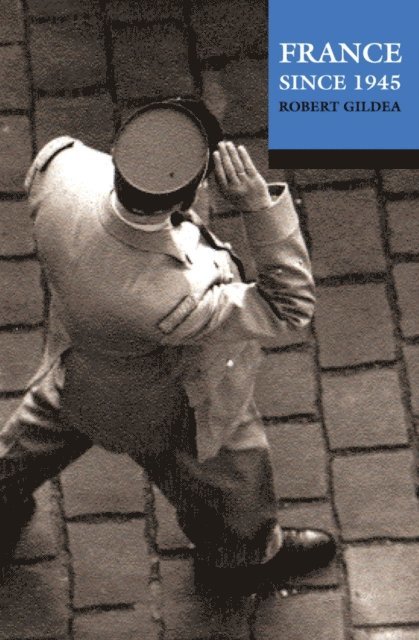
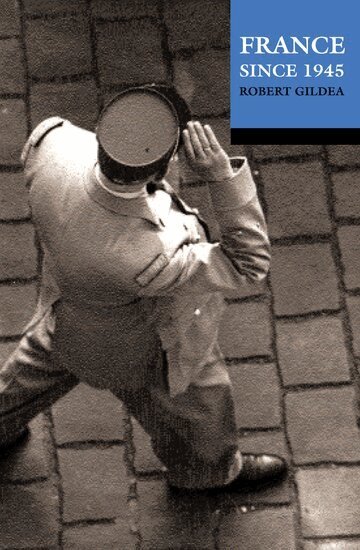
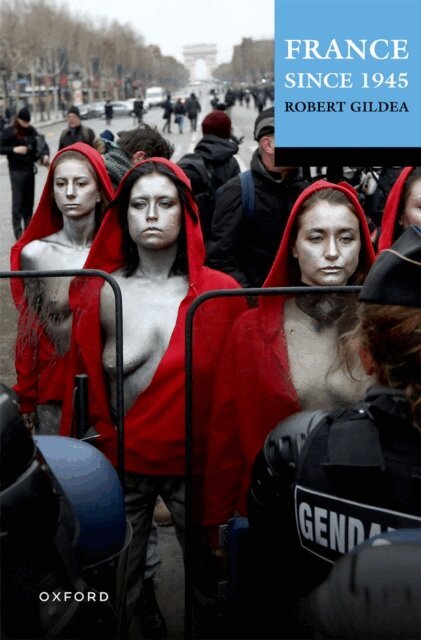
France Since 1945
E-bok, 2002
126 kr
Lägg i varukorg
The last fifty years of French history have seen immense challenges for the French: constructing a new European order, building a modern economy, searching for a stable political system. It has also been a time of anxiety and doubt. The French have had to come to terms with the legacy of the German …
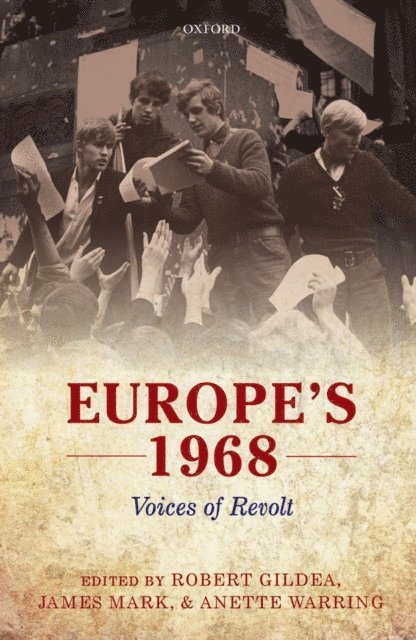
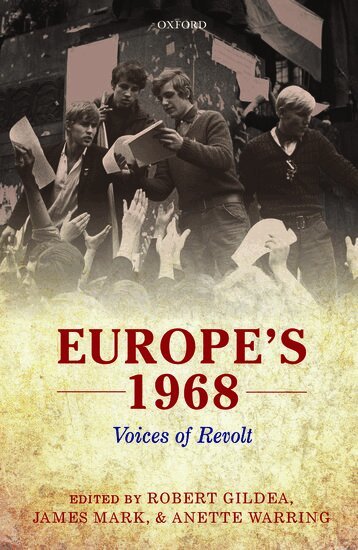
Europe's 1968
Voices of Revolt
Av Anette Warring, James Mark m. fl.
E-bok, 2013
529 kr
Lägg i varukorg
By the late 1960s, in a Europe divided by the Cold War and challenged by global revolution in Latin America, Asia, and Africa, thousands of young people threw themselves into activism to change both the world and themselves. This new and exciting study of "Europe''s 1968" is based on the rich oral …
Europe's 1968
Voices of Revolt
Av Anette Warring, James Mark m. fl.
E-bok, 2017
529 kr
Lägg i varukorg
By the late 1960s, in a Europe divided by the Cold War and challenged by global revolution in Latin America, Asia, and Africa, thousands of young people threw themselves into activism to change both the world and themselves. This new and exciting study of "Europe''s 1968" is based on the rich oral …
France Since 1945
Häftad, 2002
250 kr
Lägg i varukorg
The last fifty years of French history have seen immense challenges for the French: constructing a new European order, building a modern economy, searching for a stable political system. It has also been a time of anxiety and doubt. The French have had to come to terms with the legacy of the German …
Europe's 1968
Voices of Revolt
Av Robert Gildea, James Mark m. fl.
Häftad, 2017
595 kr
Lägg i varukorg
By the late 1960s, in a Europe divided by the Cold War and challenged by global revolution in Latin America, Asia, and Africa, thousands of young people threw themselves into activism to change both the world and themselves. This new and exciting study of "Europe's 1968" is based on the rich oral …
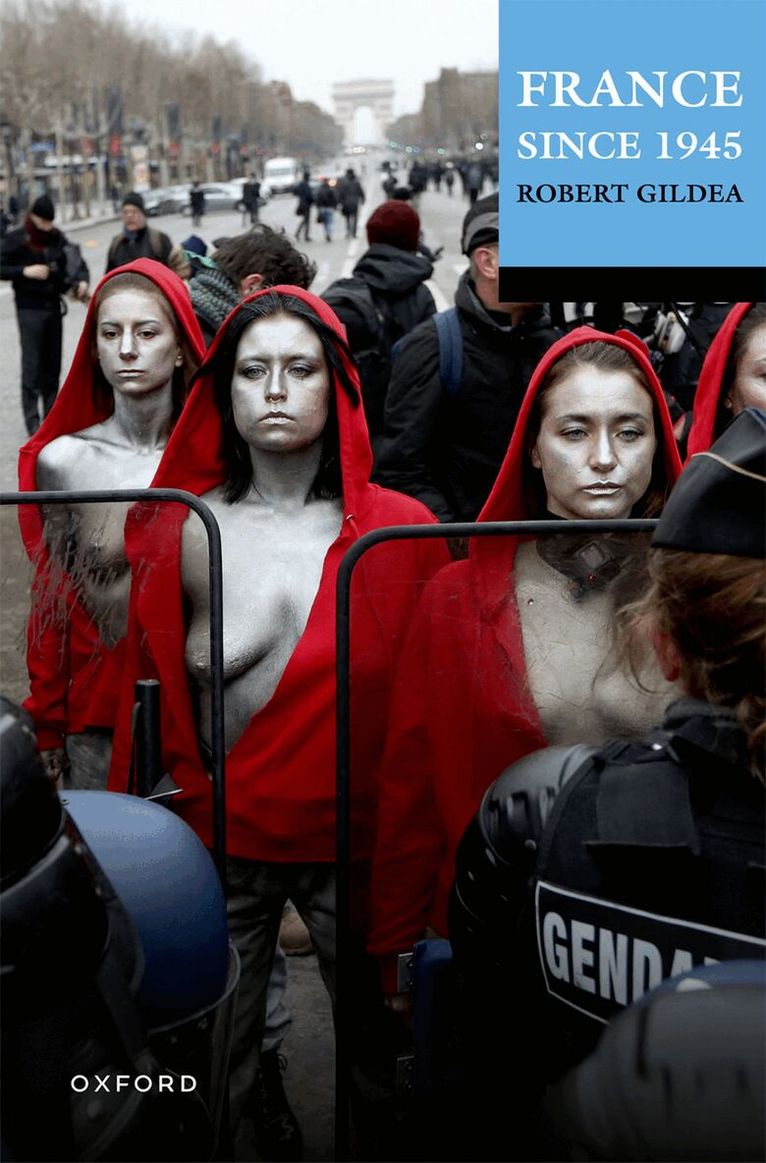
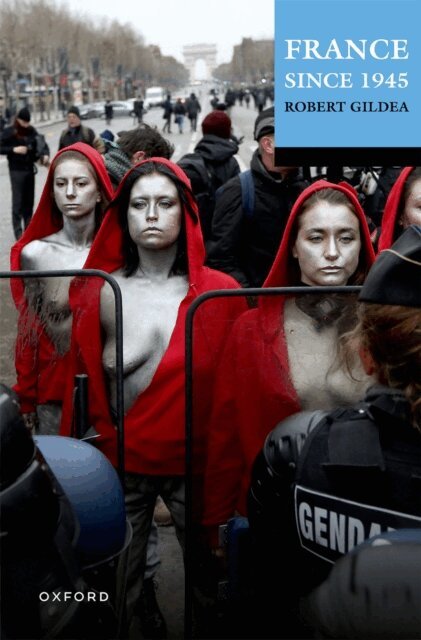
France Since 1945
Häftad, 2025
290 kr
Lägg i varukorg
Robert Gildea presents an ambitious and wide-ranging but succinct history of France from 1945 to 2024, which seeks to provide a sympathetic understanding of the forces that have shaped a country that is so close to Britain and yet so different. This third edition, following the second in 2002 and …
France Since 1945
E-bok, 2025
235 kr
Lägg i varukorg
The last fifty years of French history have seen immense challenges for the French: constructing a new European order, building a modern economy, searching for a stable political system. It has also been a time of anxiety and doubt. The French have had to come to terms with the legacy of the German …
France Since 1945
E-bok, 2025
235 kr
Lägg i varukorg
The last fifty years of French history have seen immense challenges for the French: constructing a new European order, building a modern economy, searching for a stable political system. It has also been a time of anxiety and doubt. The French have had to come to terms with the legacy of the German …
Barricades and Borders
Europe 1800-1914
Häftad, 2003
687 kr
Lägg i varukorg
This is a comprehensive survey of European history from the coup d'etat of Napoleon Bonaparte in France to the assassination of the Archduke Ferdinand at Sarajevo, which led to the First World War. It concentrates on the twin themes of revolution and nationalism, which often combined in the early …
Europe's 1968
Voices of Revolt
Av GILDEA ET AL, Robert Gildea m. fl.
Inbunden, 2013
3083 kr
Lägg i varukorg
By the late 1960s, in a Europe divided by the Cold War and challenged by global revolution in Latin America, Asia, and Africa, thousands of young people threw themselves into activism to change both the world and themselves. This new and exciting study of "Europe's 1968" is based on the rich oral …
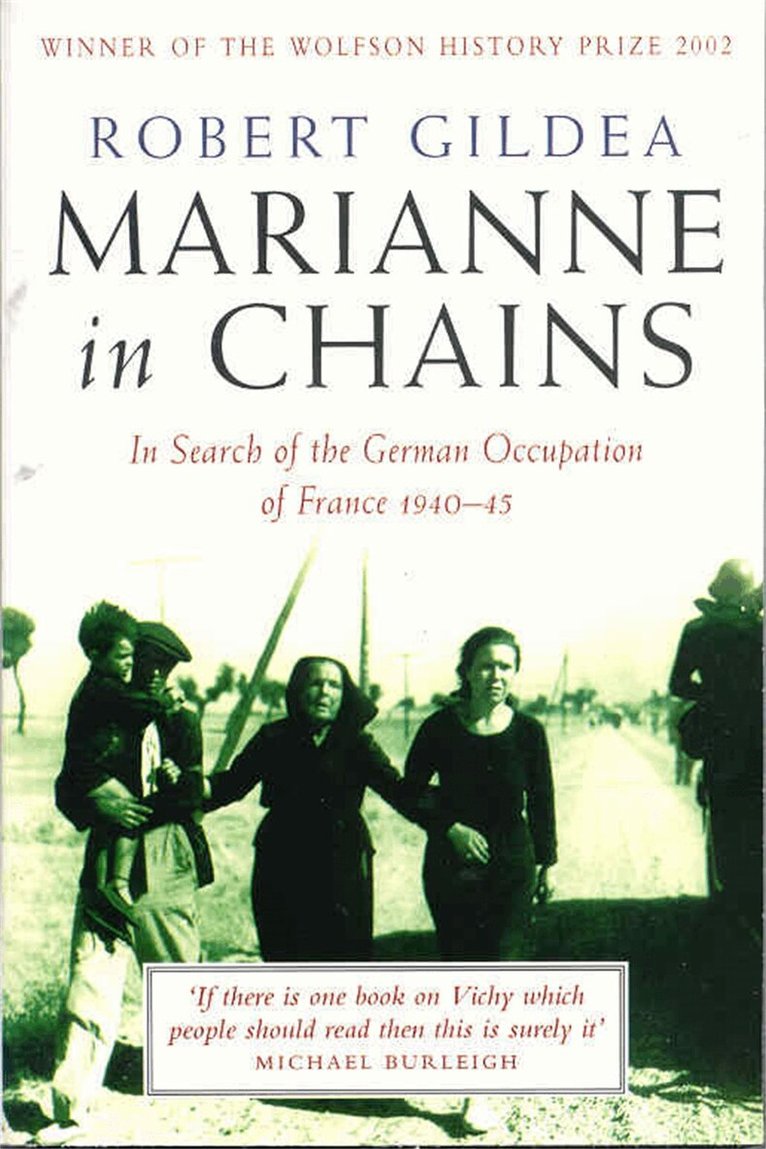
Marianne in Chains: Daily Life in the Heart of France During the German Occupation
Häftad, 2000
403 kr
Lägg i varukorg
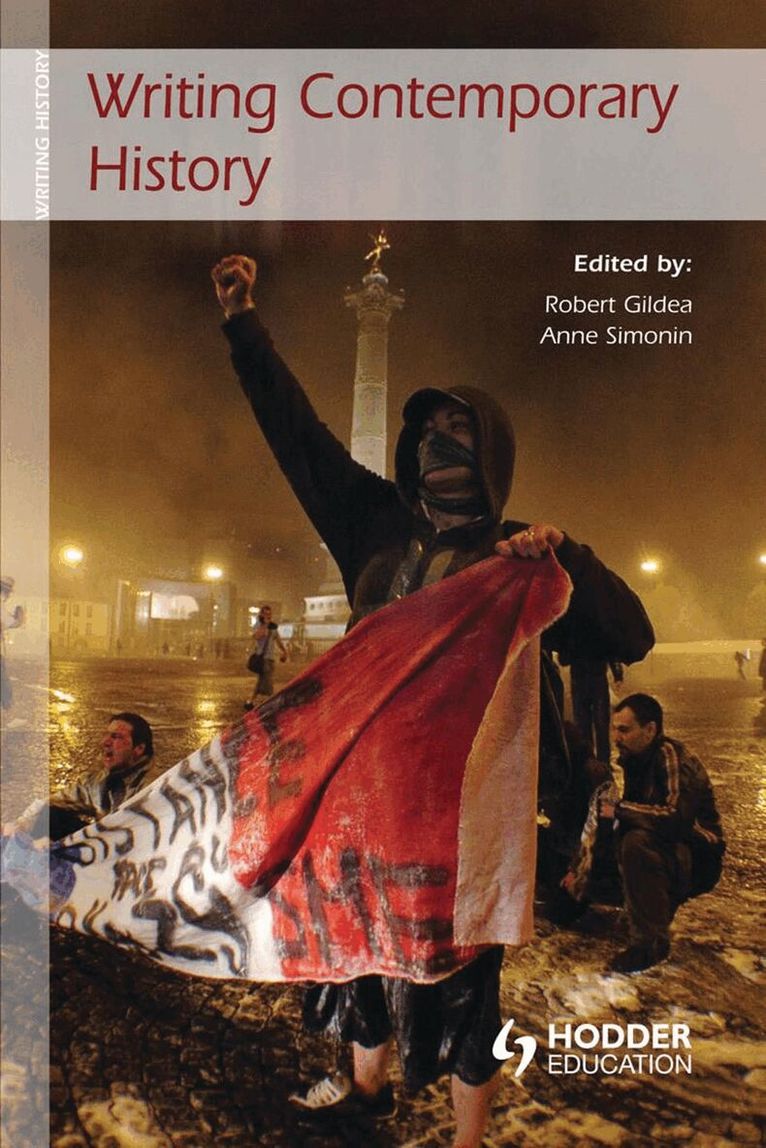
Writing Contemporary History
Av Robert Gildea, Anne Simonin m. fl.
Häftad, 2008
472 kr
Lägg i varukorg
Writing Contemporary History brings together some of the world's most pre-eminent historians to discuss the core issues confronting students of contemporary history today. Tackling ten key questions of current historiographical debate, each chapter sets in parallel and in opposition the …
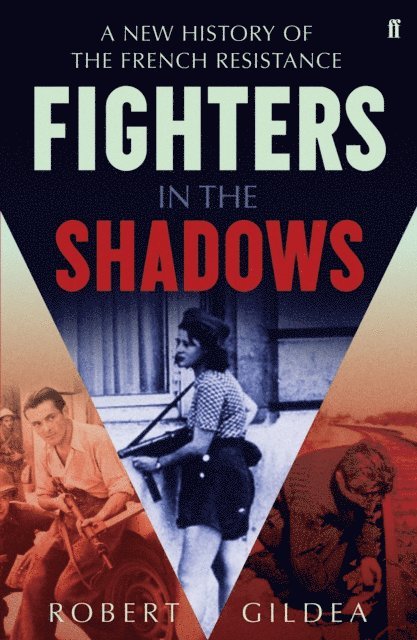
Fighters in the Shadows
A New History of the French Resistance
E-bok, 2015
4,0 utav 5 stjärnor. Totalt antal röster: (1)
118 kr
Lägg i varukorg
The story of the French Resistance is central to French identity, but it is a story built on myths. 'La Résistance française' was not simply a national effort to free the country from German occupation, but a wider struggle, filled with conflicts and division. It included Spanish republicans, …
Fighters in the Shadows
A New History of the French Resistance
Häftad, 2016
171 kr
Lägg i varukorg
The story of the French Resistance is central to French identity, but it is a story built on myths. Not simply an effort to free the country from German occupation, it was part of a Europe-wide anti-fascist struggle, which included Spanish republicans, Italian and German anti-Nazis, communists, …
France 1870-1914
Häftad, 1996
667 kr
Lägg i varukorg
The period 1870 - 1914 in France saw the consolidation of republican government and the recovery of national self-confidence. Though political crises such as the Dreyfus Affair threatened to tear it apart, the Republic established firm parliamentary rule, built up an Empire and an army which was to …
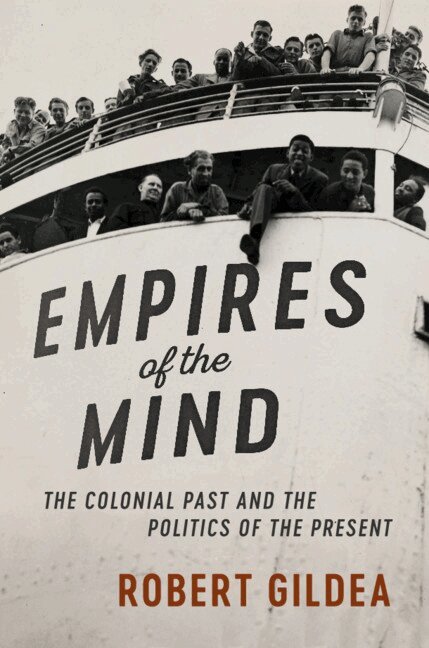
Empires of the Mind
The Colonial Past and the Politics of the Present
Inbunden, 2019
385 kr
Lägg i varukorg
'The empires of the future would be the empires of the mind' declared Churchill in 1943, envisaging universal empires living in peaceful harmony. Robert Gildea exposes instead the brutal realities of decolonisation and neo-colonialism which have shaped the postwar world. Even after the rush of …
Empires of the Mind
The Colonial Past and the Politics of the Present
E-bok, 2019
286 kr
Lägg i varukorg
''The empires of the future would be the empires of the mind'' declared Churchill in 1943, envisaging universal empires living in peaceful harmony. Robert Gildea exposes instead the brutal realities of decolonisation and neo-colonialism which have shaped the postwar world. Even after the rush of …
Empires of the Mind
The Colonial Past and the Politics of the Present
E-bok, 2019
286 kr
Lägg i varukorg
''The empires of the future would be the empires of the mind'' declared Churchill in 1943, envisaging universal empires living in peaceful harmony. Robert Gildea exposes instead the brutal realities of decolonisation and neo-colonialism which have shaped the postwar world. Even after the rush of …
France 1870-1914
Inbunden, 2016
2585 kr
Lägg i varukorg
The period 1870 - 1914 in France saw the consolidation of republican government and the recovery of national self-confidence. Though political crises such as the Dreyfus Affair threatened to tear it apart, the Republic established firm parliamentary rule, built up an Empire and an army which was to …
Empires of the Mind
The Colonial Past and the Politics of the Present
Häftad, 2021
257 kr
Lägg i varukorg
'The empires of the future would be the empires of the mind' declared Churchill in 1943, envisaging universal empires living in peaceful harmony. Robert Gildea exposes instead the brutal realities of decolonisation and neo-colonialism which have shaped the postwar world. Even after the rush of …
France 1870-1914
E-bok, 2014
785 kr
Lägg i varukorg
The period 1870 - 1914 in France saw the consolidation of republican government and the recovery of national self-confidence. Though political crises such as the Dreyfus Affair threatened to tear it apart, the Republic established firm parliamentary rule, built up an Empire and an army which was to …
France 1870-1914
E-bok, 2014
785 kr
Lägg i varukorg
The period 1870 - 1914 in France saw the consolidation of republican government and the recovery of national self-confidence. Though political crises such as the Dreyfus Affair threatened to tear it apart, the Republic established firm parliamentary rule, built up an Empire and an army which was to …
Marianne In Chains
E-bok, 2011
142 kr
Lägg i varukorg
For the last fifty years, the German Occupation of France has been regarded as a period characterised by four things: cold, hunger, the absence of freedom and above all fear; a time when the indigenous population was cruelly and consistently oppressed by the army of occupation. The people of France …
Fighters Across Frontiers
Transnational Resistance in Europe, 1936–48
Inbunden, 2020
456 kr
Lägg i varukorg
This landmark book, the product of years of research by a team of two dozen historians, reveals that resistance to occupation by Nazi Germany and Fascist Italy during the Second World War was not narrowly delineated by country but startlingly international. Tens of thousands of fighters across …